
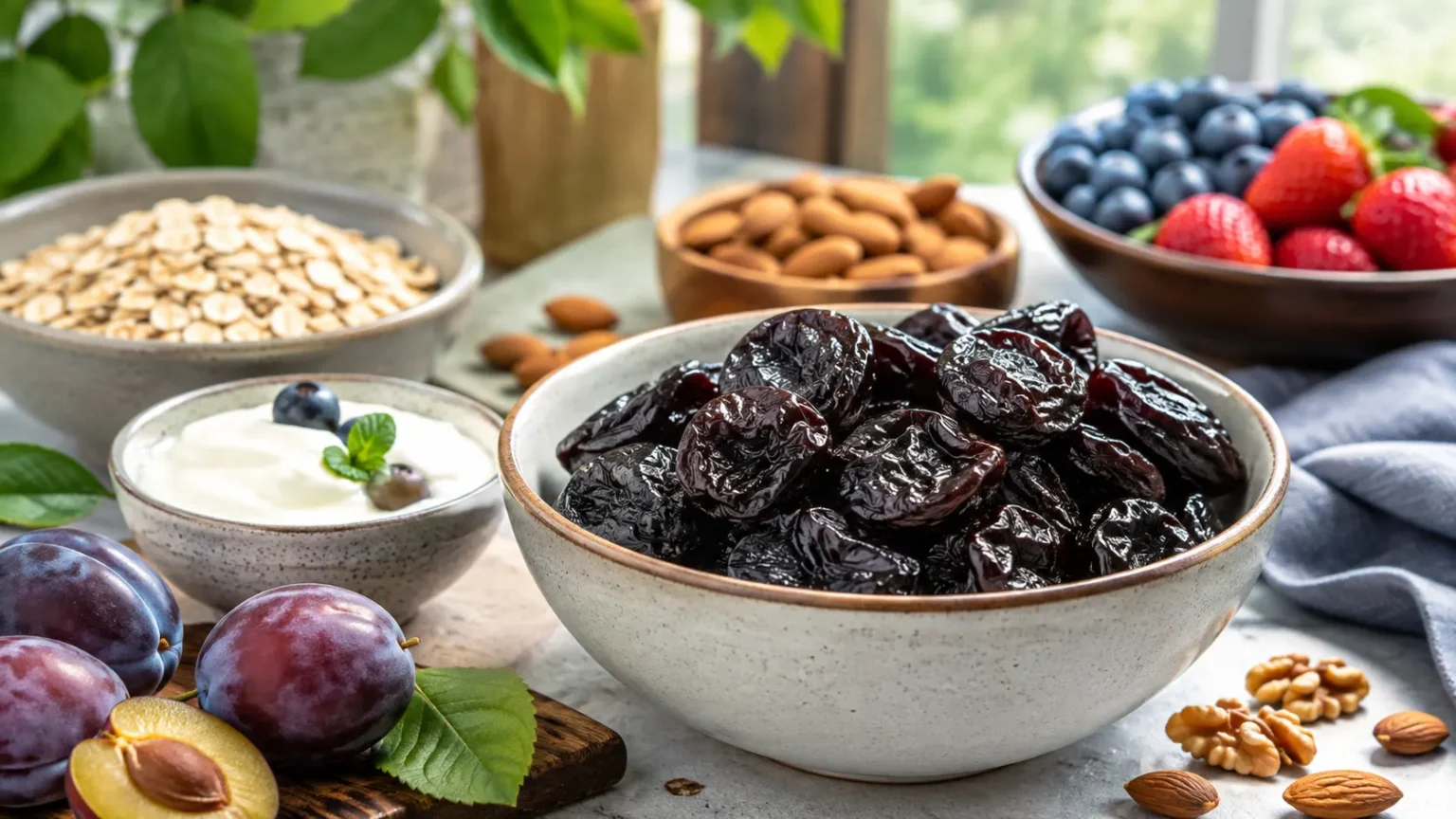

Prunes: 10 Powerful Benefits for Digestion & Better Health
Prunes may look like an ordinary dried fruit, but they pack an impressive combination of fiber, natural sugars, vitamins, minerals, and plant compounds into a small serving. Best known for supporting regular bowel movements, prunes can also contribute valuable nutrients to a balanced diet when eaten in sensible portions.
Prunes are dried plums, most commonly produced from plum varieties that dry well without fermenting. Removing much of the fruit’s water concentrates its nutrients and natural sugars, giving prunes their chewy texture and sweet flavor. They are easy to store, portable, and can be eaten alone or added to both sweet and savory meals.
Their digestive reputation is particularly strong because prunes provide dietary fiber along with sorbitol, a naturally occurring sugar alcohol that can help draw water into the bowel. This combination helps explain why prunes and prune juice are commonly used as food-based approaches for occasional constipation.
However, digestion is only part of the story. Prunes also provide potassium, vitamin K, copper, and antioxidant plant compounds, and research has explored their possible roles in bone health and cardiometabolic health. The following 10 benefits explain why this simple dried fruit can be a useful addition to everyday eating.
What Are Prunes?
Prunes are simply dried plums, although not every plum variety is equally suitable for commercial prune production. The drying process removes water while concentrating much of the fruit’s carbohydrate, fiber, minerals, and naturally occurring plant compounds into a smaller portion.
Their sweet taste comes primarily from naturally occurring sugars rather than added sweeteners. Most plain packaged prunes contain only dried plums, although it is still useful to check the ingredient list because flavored or processed products may contain additional ingredients.
Nutritionally, prunes provide dietary fiber along with potassium, vitamin K, copper, and smaller amounts of other micronutrients. They also contain phenolic compounds, which are plant chemicals with antioxidant properties that researchers continue to study.
Because dried fruit is concentrated, portion size matters. It is much easier to eat the equivalent of several fresh plums when consuming prunes, so they can add calories and natural sugar quickly even though they remain a nutrient-dense whole-food option.
Why Are Prunes Good for Digestion?
Prunes support digestion through a combination of fiber, sorbitol, and other naturally occurring compounds. Fiber adds bulk to stool and helps maintain normal bowel function, while sorbitol can increase the amount of water retained within the digestive tract.
This combination may help stools become softer and easier to pass. That is why prunes are commonly associated with constipation relief rather than simply being viewed as another dried fruit. Their effect can be noticeable enough that eating too many at once may cause loose stools or abdominal discomfort.
The fiber in prunes also reaches the large intestine, where some of it can interact with the gut microbiome. A varied, fiber-rich diet supports a diverse environment for intestinal microorganisms, although no single food can guarantee an ideal gut microbiome.
For best results, prunes should be considered one part of an overall digestive routine. Adequate fluids, regular movement, sufficient fiber from vegetables, fruits, legumes, and whole grains, and consistent bathroom habits all contribute to healthy bowel function.
1. Prunes Can Help Relieve Constipation
Constipation is the health benefit most closely associated with prunes. Their combination of dietary fiber and natural sorbitol can help increase stool softness and support more regular bowel movements, making them a practical food option for some people with occasional constipation.
Fiber contributes bulk and structure to stool, while sorbitol is absorbed incompletely in the small intestine. As it travels farther through the digestive tract, it can attract water into the bowel, which may make hard stools easier to pass.
A small serving is usually a better place to start than eating a large quantity immediately. Several prunes may be enough for some people, while others need more depending on diet, fluid intake, activity level, medications, and individual digestion.
Constipation that is severe, persistent, associated with blood in the stool, unexplained weight loss, significant abdominal pain, vomiting, or major changes in bowel habits should not be treated indefinitely with prunes alone. Those symptoms deserve appropriate medical evaluation.
2. Prunes Provide Useful Dietary Fiber
Fiber is important for digestive health because it helps support normal stool formation and movement through the intestines. Prunes provide both soluble and insoluble types of fiber, giving them benefits beyond their naturally occurring sorbitol.
Soluble fiber interacts with water and can form a softer, gel-like material during digestion. Insoluble fiber adds bulk to stool and helps food residues move through the gastrointestinal tract more efficiently.
Fiber also contributes to fullness after eating. Adding chopped prunes to oatmeal, yogurt, or a snack containing nuts can make the meal more satisfying than eating a highly refined sweet food with little or no fiber.
Most people benefit from obtaining fiber from a variety of foods rather than relying on one source. Prunes can complement vegetables, beans, lentils, whole grains, seeds, and fresh fruit as part of a broader high-fiber diet.
3. Prunes May Support Gut Health
The digestive tract contains trillions of microorganisms collectively known as the gut microbiome. Diet influences which microorganisms thrive, and fiber-rich plant foods provide compounds that can be fermented by some beneficial intestinal bacteria.
The fiber and plant compounds found in prunes may contribute to this environment. When certain fibers reach the colon, microorganisms can break them down and produce metabolites that interact with cells lining the digestive tract.
This does not mean prunes act as a cure for digestive disorders or automatically “balance” the gut. Gut health depends on overall diet, medications, sleep, stress, physical activity, illnesses, and many other individual factors.
A more practical goal is dietary diversity. Eating prunes alongside vegetables, legumes, whole grains, nuts, seeds, and other fruits gives gut microorganisms a wider range of plant compounds than relying heavily on a single supposed superfood.
4. Prunes May Help Support Bone Health
One of the more interesting areas of prune research involves bone health, particularly in adults at risk of losing bone density with age. Prunes contain vitamin K, potassium, copper, and plant compounds that participate in processes relevant to normal bone maintenance.
Some human studies have investigated whether regular prune consumption may help slow certain markers of bone loss, particularly in postmenopausal women. The findings are promising enough to make prunes an interesting research food, although they should not be considered a replacement for osteoporosis treatment.
Bone health depends on many factors beyond one ingredient. Adequate calcium, vitamin D, protein, resistance exercise, weight-bearing activity, hormones, genetics, and certain medications can all influence bone strength over time.
Prunes can therefore be part of a bone-friendly diet, but they work best within a complete lifestyle approach. Anyone with osteoporosis or a high fracture risk should follow individualized medical guidance rather than relying on dried fruit as treatment.
5. Prunes Provide Antioxidant Plant Compounds
Prunes contain naturally occurring phenolic compounds with antioxidant activity. Antioxidants help protect biological molecules from excessive oxidative damage caused by unstable compounds produced through normal metabolism and environmental exposures.
Oxidative stress is involved in many biological processes, but it is important not to interpret antioxidants as magical disease-prevention molecules. Human health depends on complex systems that cannot be reduced to simply consuming the food with the highest laboratory antioxidant measurement.
Whole plant foods remain valuable because they provide combinations of fiber, micronutrients, and phytochemicals rather than isolated antioxidant compounds. Prunes fit naturally into this broader plant-rich dietary pattern.
Eating a variety of colorful fruits and vegetables is more useful than focusing exclusively on prunes. Berries, citrus fruits, leafy greens, beans, nuts, seeds, and many other foods contain different protective plant compounds that complement one another.
6. Prunes Can Contribute Potassium
Potassium is an essential mineral involved in normal nerve signaling, muscle contraction, and fluid balance. Prunes provide potassium in a convenient form, making them one of many plant foods that can help contribute to daily intake.
Adequate dietary potassium is also relevant to healthy blood pressure regulation because potassium helps counterbalance some of the effects of sodium within the body. A diet containing plenty of vegetables, fruits, legumes, and other potassium-rich foods is generally beneficial for cardiovascular health.
Prunes should not be viewed as a standalone blood-pressure treatment, however. Blood pressure is influenced by body weight, sodium intake, activity, sleep, alcohol, genetics, medications, and several medical conditions.
People with certain kidney diseases or those taking medications that affect potassium may need to limit high-potassium foods. In those situations, the appropriate amount of prunes should be discussed with a healthcare professional or dietitian.
7. Prunes May Support Heart-Healthy Eating
A heart-healthy diet generally emphasizes vegetables, fruits, whole grains, legumes, nuts, seeds, and other minimally processed foods while limiting excessive sodium, added sugar, and certain highly processed products. Prunes can fit comfortably into this pattern.
Their fiber content is particularly relevant because diets rich in fiber are associated with better cardiovascular health. Replacing a low-fiber dessert or snack with a moderate serving of prunes and nuts can improve the overall nutritional quality of that eating occasion.
Potassium and plant compounds in prunes provide additional nutritional value. However, no evidence suggests that simply adding prunes to an otherwise unhealthy diet will independently prevent cardiovascular disease.
Think of prunes as one useful ingredient within a broader pattern. Regular exercise, maintaining a healthy blood pressure, avoiding smoking, getting adequate sleep, and following appropriate medical care remain much more important than focusing on one “heart-healthy” food.
8. Prunes Can Provide Steady, Convenient Energy
Prunes contain naturally occurring carbohydrates, making them a convenient source of energy for daily activities. Because they are dried and compact, they are easy to carry in a work bag, hiking pack, lunch box, or travel kit.
Their fiber means they are nutritionally different from candies or sugary drinks that provide mostly rapidly available carbohydrate with little additional nutrition. Combining prunes with nuts, yogurt, or another source of protein can create a more balanced snack.
Athletes and active people may also enjoy prunes before or after activity, depending on personal digestive tolerance. Dried fruit provides portable carbohydrate without requiring refrigeration, which can be useful during long outdoor activities.
However, prunes are not automatically a low-calorie food simply because they are natural. Their concentrated form makes portion awareness useful, especially when several handfuls are eaten absent-mindedly.
9. Prunes May Help With Appetite Control
The fiber in prunes can contribute to fullness by adding bulk and slowing aspects of digestion. Their chewy texture also encourages more deliberate eating compared with quickly drinking a sweet beverage or consuming a highly refined snack.
A small serving can therefore satisfy a desire for something sweet while also providing fiber and micronutrients. Pairing prunes with walnuts, almonds, yogurt, or cottage cheese can create an even more filling snack because protein and fat add additional satiety.
This does not mean prunes automatically produce weight loss. Body weight is influenced by total energy intake, physical activity, sleep, medications, health conditions, and many other biological and environmental factors.
Prunes are best used as a replacement for less nutritious foods rather than simply added on top of everything else you normally eat. Portion-conscious substitutions can support a balanced eating pattern without requiring restrictive dieting.
10. Prunes Can Add Nutrient Variety to Your Diet
One underrated benefit of prunes is convenience. They require no washing, peeling, cutting, or refrigeration, making them easy to keep available when fresh fruit is unavailable or inconvenient.
They also work in many different meals. Chopped prunes can add sweetness to oatmeal, salads, grain bowls, yogurt, stews, sauces, baked goods, and savory dishes without requiring large amounts of added sugar.
Their combination of fiber, potassium, vitamin K, copper, and plant compounds gives them more nutritional value than many sweet processed snacks. This makes them useful when someone wants sweetness without relying exclusively on desserts or candy.
Variety remains the goal. Prunes should complement fresh fruit rather than replace it entirely because different fruits provide different vitamins, water content, fiber types, textures, and phytochemicals.
Prunes vs Plums: What Is the Difference?
Prunes are dried plums, which means their main difference from fresh plums is water content. Removing water makes prunes smaller, sweeter tasting, chewier, and more concentrated in calories and nutrients per gram.
Fresh plums contain much more water, making them refreshing and lower in calorie density. You can usually eat several fresh plums for a larger volume of food than the equivalent amount of dried fruit.
Prunes contain more concentrated fiber and sorbitol in a small portion, which is one reason their bowel effects can be more noticeable than those of fresh plums. Fresh plums may still contribute to a healthy high-fiber diet.
Neither option is universally better. Fresh plums are excellent when hydration and food volume matter, while prunes are particularly convenient and have a stronger reputation for supporting regular bowel movements.
Prunes vs Prune Juice for Constipation
Prune juice is made from prunes and retains several components associated with their laxative effect, including sorbitol. It is often used by people who prefer drinking something instead of eating whole dried fruit.
Whole prunes generally provide more intact dietary fiber than juice, which can make them a useful first option when fiber intake is also a goal. Their chewing and texture may also make them more satisfying than drinking an equivalent amount of calories.
Prune juice can still be useful when someone has difficulty chewing dried fruit or simply prefers a beverage. Starting with a modest serving can help determine personal tolerance because larger amounts may produce diarrhea or cramping.
Both forms contain natural sugar and calories, so more is not necessarily better. The best choice depends on preference, digestive response, fiber needs, and how each product fits into the rest of the diet.
How Many Prunes Should You Eat a Day?
There is no single number that everyone needs to eat. For general nutrition, a small serving of several prunes can provide fiber and nutrients without contributing excessive amounts of dried fruit to the diet.
People trying prunes for constipation may want to start gradually rather than immediately eating a large portion. The combination of fiber and sorbitol can be surprisingly effective in someone whose digestive system is not accustomed to it.
Increasing intake slowly also gives your gut time to adapt to additional fiber. Consuming a large amount quickly may cause bloating, gas, cramping, or loose stools even though the food itself is nutritious.
Your ideal serving depends on total fiber intake, calorie needs, digestion, blood sugar management, and personal preference. Think of prunes as one serving of fruit rather than a supplement that needs to be taken in unlimited quantities.
What Is the Best Time to Eat Prunes?
There is no scientifically required time of day for eating prunes. They can be consumed at breakfast, as a snack, with lunch, after dinner, or whenever they conveniently fit into your normal eating pattern.
People using prunes for constipation sometimes prefer eating them in the morning with breakfast and water. This makes it easy to combine them with other fiber-rich foods such as oatmeal, chia seeds, or whole-grain cereal.
Others prefer soaking prunes overnight and eating them the following morning because the softer texture is easier to chew. Soaking changes texture and water content but is not required for prunes to provide fiber or sorbitol.
The most useful timing is the one you can maintain consistently without digestive discomfort. Regular habits tend to matter more for bowel function than trying to identify a perfect minute of the day for consuming one particular food.
Can You Eat Prunes Every Day?
Most healthy adults can include prunes regularly as part of a balanced diet. Daily intake can be an easy way to add fiber, potassium, and plant compounds, particularly if you enjoy the taste and tolerate them well.
Start with a moderate amount because digestive effects can increase with serving size. Someone accustomed to very little fiber may notice more gas or bowel activity than someone who already eats a high-fiber diet.
People monitoring carbohydrate intake should remember that dried fruit contains concentrated natural sugar. Portion control can make it easier to include prunes without allowing them to dominate a meal or snack.
If you take medications, have kidney disease, live with diabetes, or follow a medically prescribed diet, individualized advice may be useful. “Healthy” foods still need to fit your specific nutritional and medical needs.
Are Prunes Good for Weight Loss?
Prunes can fit into a weight-loss diet because their fiber and chewy texture may make them more satisfying than many processed sweet snacks. A measured serving can help satisfy sweetness while providing nutrients.
However, drying removes water and concentrates calories. This means it is easier to eat a substantial amount of energy from dried fruit than from the equivalent volume of fresh fruit.
Successful weight management depends on the overall eating pattern rather than any one food. Adding prunes without adjusting anything else does not automatically produce fat loss.
Use them strategically. Replacing cookies or candy with a few prunes and nuts, or using chopped prunes to sweeten oatmeal instead of adding large amounts of sugar, can improve overall food quality while supporting calorie awareness.
Are Prunes Good for Blood Sugar?
Prunes contain natural sugars, but they also provide fiber, which influences how their carbohydrates are digested. This makes them different from drinking an equivalent amount of sugar in a sweetened beverage.
People with diabetes can often include dried fruit in appropriate portions, but serving size is particularly important because carbohydrates become concentrated when fruit is dried.
Pairing prunes with protein or fat, such as nuts or unsweetened yogurt, may make the snack more balanced. Blood glucose responses still vary among individuals, so personal monitoring and professional guidance can be useful.
Avoid assuming that naturally occurring sugar is either completely harmless or automatically dangerous. The practical approach is to consider total carbohydrate, serving size, meal composition, medication, and individual blood glucose goals.
Are Prunes Good for Bone Health After Menopause?
Bone loss becomes a greater concern after menopause because changes in estrogen can accelerate reductions in bone mineral density. This is one reason researchers have shown interest in whether regular prune intake could contribute to bone-supportive dietary strategies.
Studies have suggested possible benefits for certain bone markers or bone density outcomes in postmenopausal women, although research is still developing. Prunes should therefore be considered a supportive food rather than an established medical treatment.
Calcium and vitamin D remain important, along with sufficient protein and regular weight-bearing or resistance exercise. Medical therapies may also be necessary for people with osteoporosis or high fracture risk.
Adding prunes to oatmeal, yogurt, salads, or snacks can be one simple dietary step, but bone health requires a broader strategy. Regular screening and individualized medical care remain essential when significant bone loss is a concern.
Do Prunes Make You Poop Immediately?
Prunes do not necessarily trigger an immediate bowel movement. Their effects depend on the individual, amount consumed, existing constipation, fluid intake, gut motility, and how accustomed someone is to dietary fiber.
Some people notice an effect within several hours, while others may need more regular intake before bowel movements become easier. Expecting an instant response can encourage excessive consumption and increase the likelihood of diarrhea or cramps.
The fiber in prunes supports stool bulk, while sorbitol can help increase water within the bowel. These mechanisms need time to work as the food moves through the digestive tract.
Start with a small serving and drink adequate fluids. If constipation continues despite reasonable dietary measures, adding increasingly large quantities of prunes is not always the solution, especially when another medical or medication-related cause may be present.
Possible Side Effects of Eating Too Many Prunes
The most common problem from eating too many prunes is digestive discomfort. Their fiber and sorbitol can produce gas, bloating, abdominal cramps, and loose stools when consumed in large quantities.
People who are not accustomed to high-fiber foods may notice symptoms even with moderate servings initially. Increasing fiber gradually gives the digestive system time to adapt and often improves tolerance.
Dried fruit is also calorie-dense compared with fresh fruit because much of the water has been removed. Large portions can contribute more calories and carbohydrate than someone realizes when eating directly from the package.
If prunes repeatedly cause significant abdominal pain, diarrhea, or other unusual symptoms, stop increasing the amount and consider whether another approach is more appropriate. Healthy foods do not need to be forced when your body consistently does not tolerate them.
Who Should Be Careful With Prunes?
People following a potassium-restricted diet may need to monitor prune intake because dried fruit can contribute significant potassium. Kidney disease is one situation in which individualized mineral restrictions may be required.
People with diabetes or those closely managing carbohydrate intake should also pay attention to portion size. Prunes can fit into many meal plans, but dried fruit is easy to overeat because the serving looks small.
Anyone with frequent diarrhea or a digestive condition that is sensitive to sugar alcohols may find sorbitol difficult to tolerate. In these cases, prunes can worsen bloating or loose stools instead of improving digestive comfort.
Persistent constipation should also not automatically lead to greater and greater prune consumption. If bowel habits change suddenly or symptoms are severe, particularly with bleeding, unexplained weight loss, vomiting, or significant pain, seek appropriate medical evaluation.
Easy Ways to Add Prunes to Your Diet
One of the simplest approaches is eating several plain prunes as a snack. Pair them with walnuts or almonds for additional protein, healthy fats, and texture, creating a more balanced snack than dried fruit alone.
For breakfast, chop prunes into oatmeal, overnight oats, plain yogurt, or whole-grain cereal. Their natural sweetness can reduce the need for large amounts of maple syrup, honey, or table sugar.
Prunes also work surprisingly well in savory dishes. They can be added to grain salads, stews, roasted meat dishes, tagines, or sauces where their sweetness balances spices, acidity, and savory flavors.
In baking, pureed prunes can contribute sweetness and moisture to some muffins, brownies, and quick breads. Results vary by recipe, so treat prune puree as an ingredient with its own characteristics rather than an automatic replacement for every type of sugar or fat.
A Simple Prune Breakfast Idea
Start with a bowl of plain oatmeal prepared with milk or an unsweetened alternative. Stir in two or three chopped prunes while the oats are warm so the fruit softens slightly and distributes sweetness throughout the bowl.
Add chia seeds, ground flaxseed, or walnuts for additional fiber and healthy fats. Cinnamon can provide extra flavor without requiring more sugar, while plain yogurt can add protein and creaminess.
This combination provides several digestive-supportive ingredients in one meal, but increasing fiber rapidly can produce bloating. If your normal diet is low in fiber, introduce these foods progressively.
Drink water or another unsweetened beverage with breakfast. Fiber works best as part of an overall pattern that includes adequate hydration rather than being consumed in large amounts without enough fluid.
Prunes for Constipation: A Simple Routine
Begin with a modest serving of prunes rather than consuming a large quantity all at once. Eating several with breakfast gives you an easy way to make them part of an established daily routine.
Drink adequate water during the day and include other fiber-containing foods such as vegetables, whole grains, beans, or fresh fruit. Prunes may help, but a digestive routine works better when the entire diet supports regularity.
Regular movement can also contribute to healthy bowel habits. Walking and other physical activity help many people maintain normal digestive function, especially when combined with consistent meals and fluids.
If constipation does not improve or repeatedly returns, consider possible contributing factors such as medication, low fluid intake, low overall fiber, limited activity, or an underlying health condition. Long-term symptoms deserve more than simply increasing prune intake indefinitely.
Common Myths About Prunes
One common myth is that prunes are only for older adults. In reality, they are simply dried fruit and can fit into the diets of many age groups as long as portion size and individual digestive tolerance are appropriate.
Another misconception is that prunes work only because they contain fiber. Fiber matters, but sorbitol and other components also contribute to their characteristic bowel effects.
Some people also assume that eating prunes guarantees weight loss because they are considered healthy. They can support a nutritious diet, but total energy balance and overall eating habits remain important.
Finally, prunes are sometimes marketed as if they can independently prevent osteoporosis, heart disease, or other chronic conditions. Their nutrients are useful, but no individual food provides that level of protection on its own.
How to Choose and Store Prunes
Choose plain prunes with a simple ingredient list whenever possible. Some products may contain preservatives or flavorings, while others contain only dried plums, so check the package if you have specific preferences.
Good-quality prunes should be soft, chewy, and moist rather than extremely dry or hard. Their natural color is dark, and minor differences in shape or texture are normal for dried fruit.
Store opened prunes in a tightly sealed container or resealable package. Keeping air exposure low helps prevent them from becoming excessively dry and preserves their chewy texture.
Follow storage directions on the package, especially once opened. When properly stored, dried fruit generally keeps much longer than fresh plums, making prunes a convenient fruit option to keep available throughout the year.
Final Thoughts on the Health Benefits of Prunes
Prunes offer much more than their famous reputation as a constipation remedy. Their combination of fiber and sorbitol can support bowel regularity, while potassium, vitamin K, copper, and plant compounds add broader nutritional value.
Research into prune benefits has also explored possible connections with bone health, particularly in postmenopausal adults. Prunes can additionally fit naturally into heart-conscious and fiber-rich eating patterns without requiring complicated preparation.
The key is sensible portions. Eating a small amount regularly may be more comfortable and useful than consuming a large quantity at once, which can lead to gas, cramping, or diarrhea because of the concentrated fiber and sorbitol.
Think of prunes as one useful part of a varied diet rather than a miracle food. Combined with vegetables, fresh fruit, whole grains, protein, healthy fats, adequate fluids, and regular activity, they can be an easy and enjoyable way to support digestion and overall nutrition.
Frequently Asked Questions
How many prunes should I eat for constipation?
Start with a small serving of several prunes and increase gradually if needed. Eating too many at once can cause gas, cramping, or diarrhea because prunes contain fiber and sorbitol.
Is it okay to eat prunes every day?
Yes, most healthy people can eat prunes regularly in moderate portions. They provide fiber, potassium, vitamin K, and plant compounds while helping support normal bowel function.
Are prunes better than prune juice?
Whole prunes generally provide more intact fiber, while prune juice can still provide sorbitol and may help with constipation. The better option depends on your preferences and digestive tolerance.
Do prunes help you lose weight?
Prunes may support fullness because they contain fiber, but they do not directly cause weight loss. Portion size and your overall calorie intake and eating pattern still matter.
How quickly do prunes work for constipation?
The timing varies from person to person. Some people notice easier bowel movements within several hours, while others may need regular intake alongside adequate fluids and overall dietary fiber.