
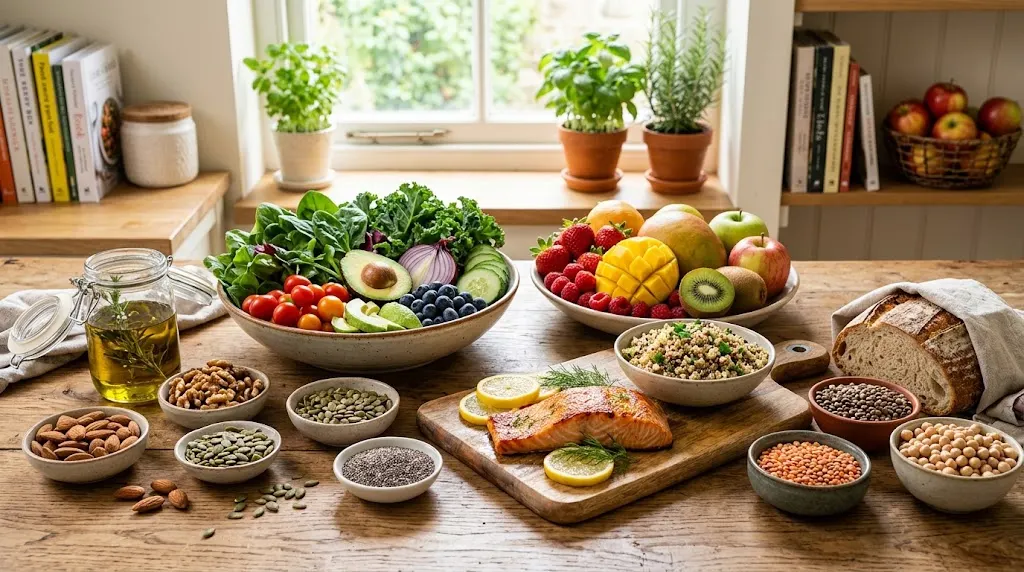

Eating well does not require searching for rare superfoods or completely changing the way you cook. Many of the healthiest foods are affordable, familiar ingredients that can easily fit into breakfast, lunch, dinner, and snacks. Adding more vegetables, fruits, whole grains, protein foods, nuts, seeds, and healthy fats can gradually improve the nutritional quality of your everyday meals.
The best healthy foods provide a combination of protein, fiber, vitamins, minerals, healthy fats, or useful carbohydrates. No single ingredient can provide everything your body needs, which is why variety matters more than depending heavily on one trendy food. A balanced daily diet should include several food groups while remaining practical enough to fit your preferences and lifestyle.
This guide explores the best healthy foods to add to your daily diet without creating complicated nutrition rules. You can begin with one or two foods you already enjoy and gradually expand from there. The goal is not perfect eating but creating a nutrient-rich pattern that supports energy, digestion, heart health, muscle function, and overall wellness.
Start With a Variety of Whole Foods
Whole and minimally processed foods can form a strong foundation for everyday nutrition. Vegetables, fruit, beans, lentils, oats, eggs, yogurt, fish, nuts, seeds, and fresh protein foods provide different combinations of nutrients your body uses every day. Building meals around these ingredients can improve diet quality without requiring you to count every calorie or micronutrient.
Variety is especially important because foods have different nutritional strengths. Beans provide fiber and plant protein, while fruit contributes vitamins, water, and carbohydrates. Nuts contain healthy fats, and dairy or fortified alternatives may provide calcium, showing why a combination of foods is more useful than repeatedly eating one ingredient because it has been labeled a superfood.
Whole foods do not need to make up every bite you eat. Bread, canned beans, frozen vegetables, yogurt, and other processed foods can still be nutritious and convenient. The practical goal is simply to make nutrient-dense choices your regular foundation while leaving enough flexibility for restaurant meals, packaged foods, desserts, and other normal parts of life.
Add Leafy Green Vegetables More Often
Leafy greens such as spinach, kale, lettuce, collard greens, and similar vegetables provide fiber, folate, vitamin K, carotenoids, and other micronutrients. They are easy to add to many meals without dramatically changing the flavor. A handful of greens can fit into omelets, soups, sandwiches, curries, pasta dishes, or simple side salads.
You do not need to force yourself to eat large raw salads if you do not enjoy them. Cooking greens can reduce their volume and create a softer texture that works better in warm meals. Sautéing spinach with garlic, adding kale to soup, or mixing greens into eggs can make them much easier to eat regularly.
Fresh greens can spoil quickly, so frozen versions may be a practical alternative. Frozen spinach works especially well in soups, stews, sauces, and smoothies. Choosing convenient options can help you eat leafy vegetables more consistently rather than repeatedly buying fresh produce that ends up unused in the refrigerator.
Eat More Cruciferous Vegetables
Broccoli, cauliflower, cabbage, Brussels sprouts, bok choy, and similar vegetables belong to the cruciferous family. They provide fiber, vitamin C, folate, and naturally occurring plant compounds while adding variety to your meals. Including them several times throughout the week can help broaden your vegetable intake and make your diet more nutritionally diverse.
Preparation can make a big difference in how these vegetables taste. Roasting broccoli or cauliflower with herbs and a small amount of oil can create a completely different experience from boiling them until soft. Stir-frying cabbage, adding bok choy to noodles, or mixing cauliflower into curries can also make them more appealing.
You do not need to eat cruciferous vegetables every day to benefit from them. Rotate them alongside leafy greens, carrots, tomatoes, peppers, onions, squash, and other vegetables. A broad range of vegetables is usually more useful than becoming overly focused on one particular variety because of its reputation online.
Keep Berries and Other Colorful Fruits Available
Berries such as strawberries, blueberries, raspberries, and blackberries provide fiber, vitamin C, and colorful plant compounds. They can be added to yogurt, oats, smoothies, cereal, or eaten on their own. Their natural sweetness also makes them a useful option when you want something fresh and enjoyable without needing elaborate preparation.
Fresh berries can sometimes be expensive or spoil quickly, but frozen berries are an excellent alternative. They last longer and work particularly well in oatmeal, smoothies, and cooked breakfasts. Choosing frozen versions can make it easier to keep fruit available without worrying about using everything within only a few days.
Berries are nutritious, but they are not essential for good health. Apples, oranges, bananas, mangoes, pears, grapes, and other affordable fruits also provide fiber and valuable nutrients. The bigger goal is eating a variety of fruit regularly rather than believing one specific type must appear in your diet every day.
Include Citrus Fruits for Variety
Oranges, mandarins, grapefruit, lemons, and other citrus fruits are well known for providing vitamin C. They also contain water, fiber, and various plant compounds that can contribute to a balanced diet. Whole citrus fruit makes a convenient snack and can add fresh flavor to breakfasts, salads, or meals.
Whole fruit generally provides more fiber and fullness than drinking the same fruit as juice. Juice can still fit into an eating pattern, but it is easier to consume quickly without feeling as satisfied. Eating an orange or mandarin therefore gives you the natural structure of the fruit alongside its vitamins and carbohydrates.
Citrus fruits are particularly useful for adding flavor to healthy foods. Lemon juice can brighten roasted vegetables, fish, beans, or salad dressings without requiring large amounts of salt or heavy sauces. Using fruit in both snacks and cooking can make nutritious meals more enjoyable and varied throughout the week.
Choose Oats and Other Whole Grains
Oats are an affordable whole grain that provides fiber, carbohydrates, and several micronutrients. They can be prepared as porridge, overnight oats, baked oatmeal, or added to smoothies. Combining oats with yogurt, milk, fruit, nuts, or seeds can create a balanced breakfast that includes protein, fiber, carbohydrates, and healthy fats.
Other whole grains such as brown rice, barley, quinoa, bulgur, and whole wheat can also support a varied eating pattern. These foods retain more of the grain structure than many refined options and can contribute additional fiber. They can be paired with vegetables, beans, fish, poultry, or other protein sources.
You do not need to replace every refined grain with a whole-grain version immediately. Try mixing brown rice with white rice or choosing whole-grain bread for some meals. Gradual changes are usually easier to maintain and allow you to find which grains you genuinely enjoy rather than forcing yourself to eat foods you dislike.
Add Beans and Lentils to Regular Meals
Beans, lentils, chickpeas, and peas are excellent sources of plant protein, fiber, iron, potassium, and other nutrients. They are also affordable and versatile, which makes them useful for everyday healthy eating. You can add them to soups, curries, salads, wraps, grain bowls, stews, or simple rice dishes.
Canned legumes can save time because they require little preparation, while dried beans and lentils are usually more economical. Rinsing canned beans can reduce some of the sodium when that matters to you. Keeping a few cans or dried varieties at home makes it easier to build a balanced meal when you have limited time.
If you are not accustomed to eating legumes, increase your intake gradually. Their high fiber content can cause temporary gas or bloating in some people when portions increase quickly. Starting with smaller amounts and drinking enough fluid gives your digestive system more time to adjust comfortably.
Use Eggs as an Easy Protein Food
Eggs provide high-quality protein along with choline, vitamin B12, selenium, and other useful nutrients. They are quick to prepare and can work at any time of day, not just breakfast. Boiled eggs, omelets, scrambled eggs, or baked egg dishes can become convenient foundations for balanced meals.
Pairing eggs with other nutritious foods makes them even more useful. You might combine eggs with whole-grain toast and fruit, add vegetables to an omelet, or serve them alongside beans and potatoes. These combinations provide greater variety than treating eggs as a complete meal by themselves.
Eggs are also practical when you need a quick meal but do not want to rely entirely on packaged snacks. Keeping boiled eggs ready can make lunch or breakfast easier during busy mornings. People with specific medical conditions may need individualized dietary advice, but eggs can fit comfortably into many balanced eating patterns.
Include Yogurt or Fortified Alternatives
Yogurt provides protein, calcium, and other nutrients, while some varieties also contain live bacterial cultures. Greek-style yogurt usually contains more protein, but regular yogurt can also be a nutritious choice. It works well with fruit, oats, nuts, seeds, or whole-grain cereal and requires almost no preparation.
Flavored yogurt can contain more added sugar than plain varieties, so comparing labels may be useful if reducing added sugar is one of your goals. You can also sweeten plain yogurt naturally with fruit or a small amount of honey. The best choice is one you actually enjoy enough to eat consistently.
People who avoid dairy can choose fortified plant-based alternatives when appropriate. Check whether they contain calcium, vitamin D, and protein because nutritional profiles vary widely between products. A dairy-free yogurt made mostly from starch may provide far less protein than soy-based or other more nutrient-dense alternatives.
Eat Fish When It Fits Your Diet
Fish can provide protein, vitamin B12, selenium, iodine, and other nutrients, while fatty fish also supply omega-3 fats. Salmon, sardines, trout, mackerel, and similar choices can be especially useful. Fish can be baked, grilled, added to salads, or included in simple rice and vegetable meals.
Canned fish can make seafood more affordable and convenient. Sardines, tuna, salmon, and other canned options store well and can be used in sandwiches, pasta, salads, or crackers. They are useful pantry foods for people who want protein available without needing to cook fresh meat every day.
You do not need to eat fish to have a healthy diet. People following vegetarian or vegan eating patterns can obtain protein and many other nutrients through legumes, tofu, soy foods, nuts, seeds, and fortified products. The goal is meeting nutritional needs through foods that match your preferences and circumstances.
Add Nuts and Seeds in Moderate Portions
Nuts and seeds provide healthy fats, protein, fiber, magnesium, and other nutrients in relatively small servings. Almonds, walnuts, pistachios, peanuts, pumpkin seeds, sunflower seeds, chia seeds, and flaxseeds are all useful options. They can add texture and nutritional value to breakfast, snacks, salads, or cooked meals.
Because nuts and seeds are energy-dense, you do not need large portions. A small handful of nuts or spoonful of seeds can be enough to make a meal more satisfying. Nut and seed butters are another convenient choice and can be spread on toast or paired with fruit.
Different varieties provide slightly different nutrients, so rotating them can increase dietary variety. Walnuts, for example, have a different fat profile from almonds, while pumpkin seeds provide useful minerals. You do not need to memorize every nutrient; simply including several types across the week can create a well-rounded pattern.
Use Olive Oil, Avocado, and Other Healthy Fats
Unsaturated fats are an important part of balanced eating and can support normal cell function and vitamin absorption. Olive oil, avocado, nuts, seeds, and oily fish are common sources. Including moderate amounts of these foods can make meals more satisfying while adding flavor and texture to vegetables, grains, and protein dishes.
Olive oil is particularly versatile because it can be used in salad dressings, marinades, roasted vegetables, or everyday cooking. Avocado can be added to sandwiches, toast, salads, bowls, or eggs. These ingredients demonstrate that healthy food does not need to be dry or flavorless to provide good nutrition.
Fat is energy-dense, so moderate portions are generally enough. There is no benefit in pouring excessive amounts of oil over every meal simply because it is considered healthy. Balanced eating means combining fats with vegetables, protein, whole grains, and other foods rather than allowing one nutrient group to dominate.
Add Sweet Potatoes and Other Root Vegetables
Sweet potatoes provide carbohydrates, fiber, potassium, carotenoids, and other nutrients while offering a naturally sweet flavor. They can be roasted, baked, mashed, or added to soups and curries. Their versatility makes them an easy carbohydrate option to rotate alongside rice, bread, pasta, and other staples.
Regular potatoes, carrots, beets, turnips, and other root vegetables can also contribute to a balanced diet. Potatoes in particular are sometimes unfairly viewed as automatically unhealthy, even though preparation and overall meal balance matter greatly. Baking or boiling potatoes and pairing them with vegetables and protein can create a nutritious meal.
You do not need to choose sweet potatoes instead of white potatoes every time. Both can fit into healthy eating, and variety is useful. Rotating different root vegetables gives you different flavors and nutrients while helping meals feel less repetitive across the week.
Include Fermented Foods When You Enjoy Them
Fermented foods such as yogurt, kefir, kimchi, sauerkraut, and certain traditional foods can add variety to your diet. Some contain live microorganisms, while others may no longer contain active cultures depending on processing. They can still provide nutrients and distinctive flavors that make everyday meals more interesting.
You do not need fermented foods or probiotic supplements to maintain a healthy digestive system. Fiber-rich foods, adequate hydration, regular movement, and a diverse diet are also important foundations. Fermented foods are best viewed as optional additions rather than essential products everyone must consume.
If you are not used to strong fermented flavors, begin with small portions. Add yogurt to breakfast, a little kimchi to rice, or kefir to a smoothie. Incorporating these foods gradually can make them easier to enjoy while allowing you to notice how your digestive system responds.
Use Herbs and Spices to Improve Flavor
Herbs and spices can make nutritious foods more enjoyable without relying entirely on large amounts of sugar, salt, or heavy sauces. Garlic, ginger, cumin, paprika, turmeric, oregano, basil, coriander, cinnamon, and chili can all change the character of simple ingredients. Good flavor is one of the most important tools for making healthy eating sustainable.
Spices can help transform basic foods such as beans, lentils, vegetables, eggs, rice, or fish into very different meals. The same ingredients can become Mediterranean, South Asian, Middle Eastern, Mexican, or other styles simply by changing seasonings. This makes healthy eating feel less repetitive without requiring completely different groceries.
Avoid treating herbs and spices as miracle medicines. They may contain interesting plant compounds, but adding turmeric or ginger to food does not replace appropriate healthcare. Their biggest everyday value is helping you cook nutritious meals that taste satisfying enough to become part of your normal routine.
Choose Water-Rich Foods for Additional Hydration
Water-rich foods can contribute to overall hydration while also providing vitamins, minerals, carbohydrates, or fiber. Cucumbers, watermelon, oranges, tomatoes, strawberries, soups, yogurt, and many vegetables contain substantial water. Including them is especially convenient during hot weather or days when you are physically active.
Food does not replace the need to drink fluids entirely, but it can contribute meaningfully to your daily intake. Someone eating soup, vegetables, fruit, and yogurt may obtain much more fluid from food than a person eating mostly dry meals. This is one reason hydration needs cannot be judged only by counting glasses of water.
Water should still remain a convenient default beverage for most everyday situations. Tea, coffee, milk, and other drinks can contribute as well. People exercising intensely or spending prolonged periods in heat may need to pay more attention to fluids and electrolytes depending on their sweat losses.
Combine Healthy Foods Into Easy Meals
Knowing which foods are nutritious is useful, but combining them into practical meals is even more important. A simple bowl can include brown rice, beans, vegetables, avocado, and a flavorful sauce. Breakfast might include oats, yogurt, berries, and nuts, while dinner could combine fish, potatoes, and roasted vegetables.
Meals do not need to contain every healthy food at once. Think about balance across the entire day or week instead. If breakfast contains little vegetables, you can include more at lunch or dinner, while fruit and nuts can be added through snacks or breakfast without forcing them into every meal.
Keeping several reliable meal combinations makes healthy eating much easier. Choose meals that use ingredients you already know how to prepare and enjoy. Familiarity reduces planning stress and makes it more likely that nutritious food will become part of your normal routine rather than something you eat only during highly motivated periods.
Build Healthy Eating Without Making It a Diet
Healthy eating should be flexible enough to include restaurant meals, celebrations, convenience foods, and favorite snacks. You do not need to label foods as clean, bad, or forbidden in order to improve nutrition. Creating a balanced pattern usually works better when nutritious foods are added consistently rather than when enjoyable foods are completely removed.
If strict diets have made eating feel unnecessarily complicated, this guide on how to eat healthy without following a diet offers a more flexible approach to balanced meals, hunger, food choices, and everyday nutrition. Sustainable habits are usually easier to maintain when they allow normal life to continue.
Look at your overall pattern rather than judging individual meals. One dessert, takeaway dinner, or less balanced day does not cancel the vegetables, whole grains, protein foods, and other nutritious choices you make regularly. Long-term consistency matters far more than achieving nutritional perfection every time you eat.
Keep Healthy Foods Affordable and Convenient
Nutritious eating does not need to be expensive. Beans, lentils, oats, eggs, rice, frozen vegetables, seasonal fruit, canned fish, yogurt, and basic whole grains can provide excellent nutrition at reasonable prices. Planning meals around affordable staples can help you improve diet quality without depending on premium products or specialty stores.
Frozen and canned foods are particularly useful because they last longer and reduce waste. Frozen vegetables are ready when you need them, while canned beans can become a meal within minutes. Choosing practical formats may actually help you eat healthier more consistently than buying large quantities of fresh ingredients you rarely have time to prepare.
Compare prices based on how many meals an ingredient can provide rather than focusing only on the package cost. A bag of lentils, oats, or rice can often stretch across several meals. Healthy eating becomes much easier when nutrition, convenience, and budget are considered together instead of treated as separate priorities.
Prepare Healthy Foods Before You Need Them
A little preparation can make nutritious choices much easier during busy periods. Washing fruit, chopping vegetables, boiling eggs, cooking grains, or preparing beans in advance can reduce the effort required when hunger arrives. You do not need to spend an entire weekend meal-prepping dozens of containers to benefit from preparation.
Focus on the parts of your routine that create the most difficulty. If breakfast is rushed, prepare overnight oats or keep yogurt and fruit ready. If dinner becomes stressful, cook extra rice, vegetables, or protein so that leftovers can become the foundation of another meal.
Preparation should reduce pressure rather than create it. Some people enjoy cooking ahead, while others prefer quick fresh meals or convenient packaged ingredients. Choose the approach that fits your schedule because the healthiest meal plan is one you can actually follow when work, family, and other responsibilities become demanding.
Conclusion
The best healthy foods to add to your daily diet are generally familiar, nutrient-rich ingredients rather than expensive or exotic products. Vegetables, fruit, whole grains, beans, lentils, eggs, yogurt, fish, nuts, seeds, healthy fats, and other minimally processed foods can collectively provide the nutrients your body needs to function well.
You do not need to add every healthy food at once. Start by choosing one or two easy improvements, such as adding fruit to breakfast, vegetables to dinner, or beans to lunch. As those choices become routine, gradually introduce more variety while keeping meals practical, enjoyable, and compatible with your budget.
Most importantly, focus on the pattern you can maintain over time. Healthy eating should make room for favorite foods, cultural meals, restaurants, and busy days while keeping nutritious ingredients at the center of your routine. A flexible diet built around good everyday choices is generally far more valuable than a perfect meal plan followed only temporarily.
FAQs
What are the healthiest foods to eat every day?
Vegetables, fruit, whole grains, protein-rich foods, nuts, seeds, and healthy fats are useful everyday choices. You do not need every category at every meal, but regular variety helps support balanced nutrition.
What healthy food should I add to my diet first?
Choose something convenient that you already enjoy, such as fruit, oats, yogurt, vegetables, eggs, or beans. Starting with familiar foods makes the change easier to maintain without dramatically altering your normal meals.
Can I eat healthy foods without spending a lot of money?
Yes. Beans, lentils, oats, eggs, rice, frozen vegetables, seasonal fruit, and canned foods can provide excellent nutrition at relatively low cost. Healthy eating does not require premium or organic products.
Do I need superfoods for a healthy diet?
No. “Superfood” is mainly a marketing term. Ordinary foods such as beans, vegetables, oats, eggs, fruit, and nuts can provide excellent nutrition when eaten as part of a varied, balanced pattern.
How can I make healthy eating easier every day?
Keep convenient foods available, prepare a few ingredients in advance, and learn several simple meals you enjoy. Healthy eating becomes easier when nutritious choices require less time, planning, and effort.