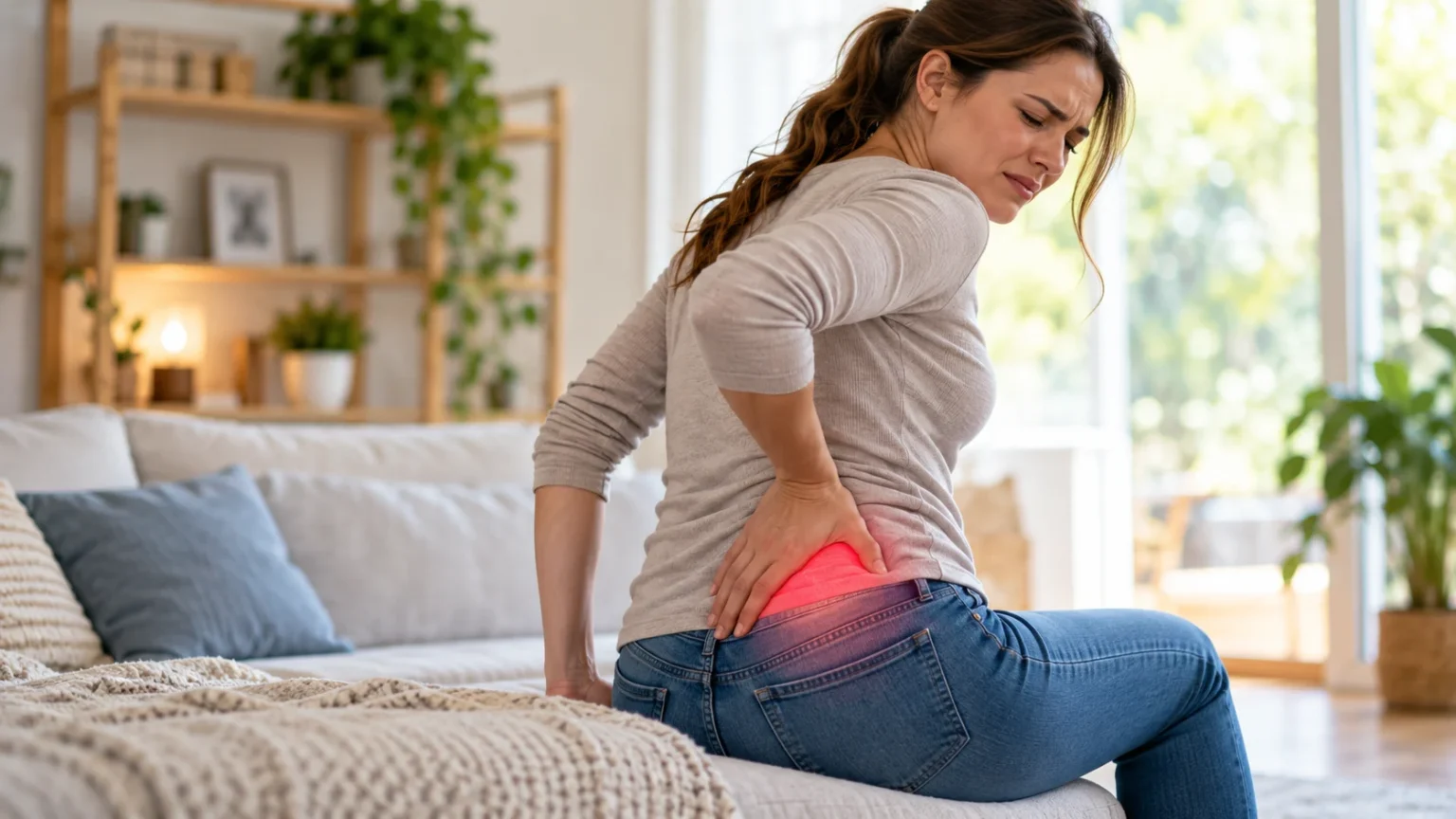

What Is Lower Back Pain on the Right Side Above the Buttocks?
Lower back pain on the right side above the buttocks refers to discomfort in the lower lumbar region, close to where the spine connects with the pelvis. The pain may feel dull, sharp, aching, or tight, depending on the underlying cause. Some people experience localized discomfort, while others notice pain extending into the buttock or leg.
This area contains several important structures, including muscles, ligaments, spinal joints, nerves, and the sacroiliac joint. These structures help support body weight and coordinate movements such as walking, bending, standing, and sitting. When one or more tissues become irritated, discomfort may develop on one side of the lower back.
Understanding the possible causes of right-sided lower back pain can help you recognize symptoms and choose appropriate care. Many cases improve with gentle movement and conservative treatment, although some require medical evaluation. Persistent discomfort, worsening neurological symptoms, or pain accompanied by other warning signs should never be ignored.
Common Causes of Lower Back Pain Right Side Above Buttocks
Several conditions can cause lower back pain on the right side above the buttocks. Muscle strain, sacroiliac joint irritation, lumbar joint problems, and nerve-related conditions are among the possible explanations. The location of discomfort provides useful information, but it cannot identify the exact cause without considering other symptoms.
The pain may begin after lifting, prolonged sitting, exercise, or an unfamiliar movement. Some people experience gradual discomfort without remembering a specific injury or triggering activity. Factors such as reduced movement tolerance, muscular fatigue, and existing spinal conditions may contribute to the development of symptoms.
Not every episode of right-sided lower back pain originates from the spine or surrounding muscles. Kidney conditions and certain abdominal or pelvic problems can sometimes produce discomfort in nearby regions. Recognizing differences in pain patterns and accompanying symptoms can help determine when medical assessment is necessary.
Muscle Strain and Ligament Sprain
Muscle strain is a common cause of discomfort around the lower back and upper buttock region. It can occur when muscle fibers experience more physical stress than they can comfortably tolerate. Activities involving lifting, sudden twisting, unfamiliar exercise, or repetitive movement may contribute to irritation in the surrounding tissues.
A ligament sprain involves stretching or injury to connective tissues that help stabilize the spinal joints. Symptoms may include localized tenderness, stiffness, and discomfort during certain movements. Pain often becomes more noticeable when bending, changing positions, or returning to normal activities after a period of rest.
Mild strains and sprains frequently improve with temporary activity modifications and gradual movement. Prolonged bed rest is generally unnecessary and may contribute to additional stiffness. However, severe pain after an injury, significant bruising, or difficulty walking should receive medical assessment to rule out more serious problems.
Sacroiliac Joint Dysfunction and Right-Sided Pain
The sacroiliac joints connect the sacrum at the base of the spine to the pelvic bones. These joints transfer forces between the upper and lower body during standing, walking, and other movements. Irritation or altered function around the right sacroiliac joint may contribute to discomfort near the upper buttock.
Sacroiliac joint pain is often felt on one side of the lower back and may extend into the buttock or upper thigh. Some individuals notice increased discomfort when climbing stairs, standing for long periods, or changing positions. However, similar symptoms can arise from other spinal or hip conditions.
Diagnosing sacroiliac joint pain requires careful clinical assessment because its symptoms overlap with several other conditions. A healthcare professional may use movement tests and examine surrounding structures to identify possible sources of discomfort. Treatment often involves appropriate strengthening, activity adjustments, and other interventions selected according to the diagnosis.
Sciatica and Nerve Irritation
Sciatica describes symptoms associated with irritation of nerve roots that contribute to the sciatic nerve. The discomfort may begin in the lower back or buttock and travel down the leg. Depending on the affected nerve, symptoms can include shooting pain, tingling, numbness, or changes in muscle strength.
A herniated lumbar disc is one possible cause of nerve irritation. Other spinal conditions, including certain forms of narrowing around the nerves, may produce similar symptoms. However, localized pain above the right buttock does not automatically indicate sciatica, especially when discomfort does not extend into the leg.
Nerve-related symptoms should be assessed when they persist, worsen, or interfere with normal movement. New weakness, progressive numbness, or significant difficulty walking requires prompt evaluation. Sudden bladder or bowel control problems or numbness around the groin may indicate serious nerve compression and require emergency medical attention.
Lumbar Facet Joint Pain
Facet joints are small joints located along the back of the spine that help guide movement and provide stability. These joints can develop irritation or age-related changes that contribute to localized lower back discomfort. Pain may occur on one or both sides, sometimes extending toward the buttock region.
Facet-related discomfort may become more noticeable during certain movements, particularly backward bending or twisting. Some individuals experience stiffness after remaining in one position for extended periods. However, these symptoms are not specific enough to confirm that a facet joint is responsible for the pain.
Clinical assessment is important because muscle problems, disc conditions, and sacroiliac joint irritation may produce similar sensations. Treatment may include physical therapy, gradual strengthening, and comfortable activity adjustments. Selected persistent cases may require specialist evaluation when symptoms do not improve with appropriate conservative management.
Herniated Disc and Lower Back Pain
A herniated disc occurs when the inner material of a spinal disc moves through a weakened area of its outer layer. This change may irritate nearby nerves and contribute to lower back or leg symptoms. However, some herniated discs produce no pain and are discovered incidentally during medical imaging.
When a lumbar disc irritates a nerve root, discomfort may extend from the lower back into the buttock or leg. Tingling, numbness, or weakness can sometimes accompany the pain. Certain positions may increase symptoms, although the response varies depending on the affected disc and individual circumstances.
Many people with symptomatic lumbar disc herniation improve through conservative treatment over time. Gentle activity, appropriate pain management, and individualized physical therapy may support recovery. Surgery is generally reserved for selected cases involving persistent disabling symptoms or significant neurological problems requiring specialist assessment.
Piriformis Syndrome and Deep Gluteal Pain
The piriformis is a small muscle located deep within the buttock that contributes to hip rotation and stability. In some individuals, structures in the deep gluteal region can irritate the sciatic nerve. This may cause buttock discomfort and symptoms that resemble those associated with lumbar nerve problems.
Pain related to deep gluteal nerve irritation may become more noticeable during prolonged sitting or certain hip movements. Some people experience discomfort extending into the back of the thigh. However, these symptoms can overlap with conditions involving the lumbar spine, making an accurate diagnosis important.
Treatment depends on identifying the actual source of discomfort. A physical therapist may recommend selected hip-strengthening exercises, gradual movement, and changes to aggravating activities. Persistent radiating symptoms should receive medical evaluation rather than being assumed to result from a tight piriformis muscle.
Quadratus Lumborum Muscle Pain
The quadratus lumborum is a deep muscle located on both sides of the lower back. It helps stabilize the lumbar spine and contributes to certain movements involving the trunk and pelvis. Irritation or muscular overload in this region may create localized discomfort above the buttock.
Symptoms may become more noticeable during side bending, prolonged standing, or activities requiring trunk stability. Some individuals describe a deep ache or tight sensation along one side of the lower back. However, identifying a painful area does not prove that the quadratus lumborum is the source of symptoms.
Gentle movement and appropriately selected strengthening exercises may help manage uncomplicated muscular discomfort. Avoid forcefully stretching or applying excessive pressure to sensitive tissues. If pain remains severe or repeatedly returns, professional assessment can help determine whether another spinal, joint, or medical condition contributes to the symptoms.
Can Kidney Problems Cause Pain Above the Right Buttock?
Kidney conditions can sometimes cause pain on one side of the back, although kidney pain is usually felt higher in the flank, beneath the lower ribs. Kidney stones and infections may produce discomfort that extends toward the abdomen or groin. Pain location alone cannot reliably distinguish kidney problems from musculoskeletal conditions.
Kidney stones may cause severe, fluctuating pain, sometimes accompanied by nausea or blood in the urine. Kidney infections can produce back or flank pain with fever, chills, and urinary symptoms. These conditions require medical evaluation because treatment differs significantly from the approach used for ordinary muscle strain.
Seek prompt medical attention when back pain occurs alongside fever, painful urination, vomiting, or visible blood in the urine. Severe flank pain may also require urgent assessment. Do not rely exclusively on stretching, massage, or home treatments when symptoms suggest a possible urinary or kidney problem.
Other Medical Conditions That May Cause Right-Sided Back Pain
Some abdominal and pelvic conditions can produce pain that is felt in the lower back or nearby tissues. These problems may involve the digestive system, urinary tract, or reproductive organs. The location and character of symptoms depend on the underlying condition and may differ from typical muscle-related discomfort.
For example, certain pelvic conditions may cause discomfort extending toward the lower back or upper buttock region. Digestive or abdominal problems can occasionally create overlapping pain patterns. Associated symptoms such as abdominal tenderness, fever, nausea, or unusual urinary changes can provide important diagnostic information.
New or unexplained pain should be assessed when it does not behave like ordinary musculoskeletal discomfort. Severe abdominal pain, fainting, fever, or rapidly worsening symptoms may indicate a condition requiring urgent treatment. A healthcare professional can evaluate the broader symptom pattern and determine whether additional testing is appropriate.
Why Does My Lower Back Hurt on the Right Side When Sitting?
Sitting can aggravate right-sided lower back discomfort when certain muscles, joints, or nerves are sensitive to prolonged positioning. Remaining in one position may increase stiffness and make movement uncomfortable. Some individuals notice that pain becomes more noticeable after desk work, driving, or sitting on firm surfaces.
Lumbar disc problems and certain deep gluteal conditions may also produce discomfort during sitting. However, pain that increases while seated does not identify one specific diagnosis. The effect of sitting depends on individual movement tolerance, spinal position, activity duration, and any underlying medical conditions.
Changing positions regularly may help reduce discomfort associated with prolonged sitting. A supportive chair, comfortable desk setup, and short movement breaks can make daily activities easier. Persistent pain accompanied by leg numbness, weakness, or worsening symptoms should be evaluated rather than managed solely through posture adjustments.
Why Does My Lower Back Hurt When Walking or Standing?
Walking and standing place changing demands on the lower back, pelvis, and surrounding muscles. If these tissues are irritated, discomfort may become more noticeable during movement or prolonged weight-bearing. Some individuals experience pain immediately, while others notice symptoms only after standing or walking for extended periods.
Sacroiliac joint conditions, muscular problems, and certain lumbar spine disorders may contribute to these symptoms. Lumbar spinal stenosis, for example, can sometimes cause leg discomfort that worsens with standing or walking and improves with sitting. However, individual symptom patterns vary and require clinical assessment for accurate diagnosis.
Reducing aggravating activities temporarily may help while the underlying cause is evaluated. Shorter walks, comfortable position changes, and gradual activity progression can support movement tolerance. Seek medical advice if walking becomes increasingly difficult or symptoms include progressive weakness, numbness, or balance changes.
Lower Back Pain Right Side Above Buttocks During Pregnancy
Pregnancy can place additional demands on the lower back and pelvic structures as the body adapts to physical changes. Some individuals experience one-sided discomfort near the sacroiliac joints or upper buttocks. Pregnancy-related pelvic girdle pain can affect walking, turning in bed, and other everyday movements.
Changes in movement patterns, joint loading, and muscular demands may contribute to discomfort during pregnancy. However, pain should not automatically be attributed to normal pregnancy changes without considering associated symptoms. Urinary infections, kidney conditions, and other medical problems may produce similar discomfort and require appropriate assessment.
Pregnant individuals should discuss persistent or significant back pain with their maternity care team. Gentle activity and pregnancy-appropriate physical therapy may help selected musculoskeletal conditions. Severe pain, vaginal bleeding, fever, contractions, or urinary symptoms require prompt medical evaluation rather than routine home treatment.
How Is Right-Sided Lower Back Pain Diagnosed?
Diagnosing lower back pain begins with reviewing symptoms, medical history, and recent physical activities. A healthcare professional may ask when discomfort started, where it spreads, and which movements affect symptoms. Information about injuries, urinary changes, fever, and neurological symptoms helps determine which possible causes require closer attention.
A physical examination may include assessing spinal movement, hip mobility, muscle strength, sensation, and reflexes. The clinician may also evaluate tenderness around the lower back and pelvic joints. These findings help distinguish common musculoskeletal problems from nerve-related conditions or other medical issues.
Imaging is not always necessary for uncomplicated lower back pain. However, MRI, X-rays, or other tests may be recommended when symptoms persist, serious conditions are suspected, or neurological deficits develop. The decision depends on examination findings and whether the results are likely to change treatment.
How to Relieve Lower Back Pain at Home
Mild lower back pain may improve with temporary activity adjustments and comfortable movement. Avoiding activities that sharply increase discomfort can help reduce irritation during the early stages. However, prolonged bed rest is generally discouraged because remaining inactive for extended periods can contribute to stiffness and reduced physical conditioning.
Heat therapy may provide temporary relief when discomfort involves muscular tightness or stiffness. A warm compress can be applied with a protective cloth while avoiding excessive temperatures. Some individuals prefer a cool compress after a recent minor strain, particularly when the affected area feels tender.
Gentle walking and regular position changes may help maintain mobility when symptoms allow. Begin with manageable activity and avoid forcing painful movements. If discomfort becomes progressively worse, travels into the leg with weakness, or occurs alongside other warning signs, seek medical evaluation rather than continuing self-treatment.
Gentle Exercises for Right-Sided Lower Back Pain
Gentle exercise may help improve movement tolerance and maintain strength during recovery from uncomplicated lower back pain. However, exercises should match the underlying condition and individual symptoms. People with severe pain, recent trauma, or neurological changes should obtain medical guidance before beginning a new rehabilitation routine.
A pelvic tilt is one gentle movement sometimes included in lower back rehabilitation. Lie on your back with your knees bent and feet supported, then make a small controlled pelvic movement. Keep the exercise comfortable, breathe naturally, and avoid forcing your lower back into an exaggerated position.
Another option is gentle walking or selected hip mobility exercises that do not reproduce significant pain. A physical therapist may introduce movements such as supported bridges or controlled trunk exercises when appropriate. Stop any exercise that causes increasing radiating pain, numbness, or weakness, and request professional guidance before continuing.
Physical Therapy for Lower Back Pain
Physical therapy can help people with persistent right-sided lower back pain improve movement, strength, and confidence during everyday activities. A therapist evaluates physical limitations and identifies exercises that match the individual’s symptoms. Treatment may involve mobility work, progressive strengthening, and practical strategies for managing activities that increase discomfort.
Rehabilitation often focuses on improving the capacity of muscles around the trunk, hips, and pelvis. Depending on the diagnosis, exercises may target abdominal muscles, glutes, and other stabilizers. The goal is not to force perfect posture but to develop comfortable movement and gradually improve tolerance for normal physical demands.
A personalized program can also address recurring symptoms and barriers to physical activity. Therapists may recommend changes to sitting habits, walking routines, and lifting tasks when appropriate. Progress is typically evaluated through improved function, activity tolerance, and symptom response rather than relying only on pain intensity.
Medical Treatment Options for Persistent Pain
Medical treatment depends on the cause and severity of lower back discomfort. Some individuals benefit from appropriate pain-relieving medication alongside activity modifications and rehabilitation. Medication choices should consider personal health factors, existing conditions, and possible interactions with other treatments.
Persistent nerve-related pain may require further assessment and targeted treatment. In selected cases, clinicians may consider procedures such as spinal injections when symptoms remain significant despite conservative care. These interventions are not appropriate for every type of lower back pain and should follow a clear diagnosis.
Surgery is generally reserved for specific spinal conditions when conservative treatment is unsuccessful or significant neurological problems develop. Most uncomplicated mechanical lower back pain does not require surgery. Discussing potential benefits, risks, and alternative treatments with a qualified healthcare professional helps ensure that care matches individual medical needs.
Common Mistakes When Managing Lower Back Pain
One common mistake is assuming that all pain above the buttock comes from a strained muscle. Although muscular problems are common, nerves, joints, and other medical conditions can cause similar symptoms. Ignoring persistent pain or additional warning signs may delay proper diagnosis and treatment.
Another mistake involves completely avoiding movement because of fear that activity will cause additional damage. While some temporary restrictions may be appropriate, prolonged inactivity can reduce strength and movement confidence. Gentle activity and gradual progression are often useful when serious conditions have been excluded.
Aggressive stretching or forceful self-massage can also aggravate sensitive tissues. More pressure or greater stretching intensity does not necessarily produce faster improvement. Choose comfortable movements and avoid repeatedly performing exercises that increase pain, particularly when symptoms travel into the leg.
How Long Does Right-Sided Lower Back Pain Last?
The recovery timeline depends on the underlying cause, symptom severity, and individual health factors. Many uncomplicated episodes of lower back pain improve substantially within several weeks. However, some conditions cause recurring or persistent symptoms that require additional rehabilitation or medical treatment.
Muscular discomfort may settle with temporary activity adjustments and gradual movement. Nerve-related conditions can require longer recovery periods, particularly when numbness or weakness accompanies pain. Individual improvement is not always consistent, and temporary symptom fluctuations do not necessarily indicate ongoing tissue damage.
Persistent symptoms should be reassessed when they interfere with normal activities or fail to improve over time. A healthcare professional can evaluate whether additional treatment or investigation is necessary. Recovery often focuses on restoring function, maintaining physical activity, and gradually rebuilding confidence in everyday movement.
Tips to Prevent Recurring Right-Sided Lower Back Pain
Maintaining regular physical activity can support the muscles and joints involved in lower back movement. Walking, appropriate resistance training, and comfortable mobility exercises help develop strength and general physical conditioning. A balanced activity routine may improve tolerance for everyday tasks and reduce some factors associated with recurring discomfort.
Gradually increasing physical demands is another useful strategy. Sudden changes in lifting intensity, exercise volume, or repetitive activities can exceed the body’s current capacity. Building strength progressively and allowing adequate recovery may help reduce unnecessary muscular overload during work or recreational activities.
Changing positions throughout the day can also support comfort, particularly during prolonged desk work. No single posture guarantees protection from lower back pain, so movement variety is often more practical than rigid positioning. Persistent or recurring symptoms may benefit from a personalized exercise plan developed with a healthcare professional.
When Should You See a Doctor for Right-Sided Lower Back Pain?
Medical evaluation is recommended when lower back pain persists, worsens, or interferes with normal daily activities. Pain associated with recurring leg symptoms, unexplained weight loss, or persistent nighttime discomfort may require further investigation. New symptoms following a significant injury should also be assessed rather than treated as ordinary muscle soreness.
Certain warning signs require immediate medical attention. New bladder or bowel control problems, numbness around the groin, or rapidly worsening leg weakness may indicate serious nerve compression. Severe back pain accompanied by fever, confusion, or significant abdominal symptoms may also indicate a condition requiring urgent assessment.
Seek prompt care when pain is associated with urinary symptoms, suspected kidney problems, or difficulty bearing weight. A healthcare professional can determine whether symptoms arise from the spine, muscles, pelvic joints, or another medical condition. Timely assessment helps identify serious problems and supports appropriate treatment decisions.
Conclusion
Lower back pain on the right side above the buttocks can develop from several causes, including muscle strain, sacroiliac joint irritation, lumbar spine conditions, and nerve-related problems. Some medical conditions involving nearby organs may also cause discomfort in this region. Identifying the underlying cause is important because similar pain patterns can require different treatment approaches.
Many uncomplicated cases improve through gentle movement, temporary activity adjustments, and appropriate rehabilitation. Heat or cold therapy may provide short-term comfort, while physical therapy can support strength and movement tolerance. Exercises and treatment strategies should match individual symptoms rather than relying on one universal solution for right-sided back pain.
Long-term management involves maintaining physical activity, developing balanced strength, and responding appropriately to recurring symptoms. Persistent pain, worsening neurological changes, or other concerning signs require professional medical evaluation. With suitable care and gradual activity progression, many individuals can improve comfort and return to everyday activities.
Frequently Asked Questions
1. What Causes Lower Back Pain on the Right Side Above the Buttocks?
Common causes include muscle strain, sacroiliac joint irritation, lumbar joint problems, and nerve-related conditions. Kidney or pelvic problems may also cause nearby discomfort, making medical evaluation important when symptoms are unusual.
2. Is Right-Sided Lower Back Pain a Sign of Sciatica?
It can be, particularly when pain travels from the lower back into the buttock or leg. However, localized discomfort above the buttock does not automatically indicate sciatica.
3. How Can I Relieve Pain Above My Right Buttock?
Gentle walking, comfortable position changes, and appropriate heat or cold therapy may help mild muscular discomfort. Persistent pain or symptoms involving weakness, numbness, or fever require professional assessment.
4. Can Sacroiliac Joint Problems Cause Pain Above the Buttocks?
Yes, sacroiliac joint problems can cause discomfort near the lower back and upper buttock, often affecting one side. However, similar symptoms occur with other conditions, so diagnosis requires clinical assessment.
5. When Is Right-Sided Lower Back Pain Serious?
Seek emergency care for new bladder or bowel control problems, groin numbness, or rapidly worsening weakness. Severe pain with fever, significant trauma, or concerning abdominal symptoms also requires urgent evaluation.