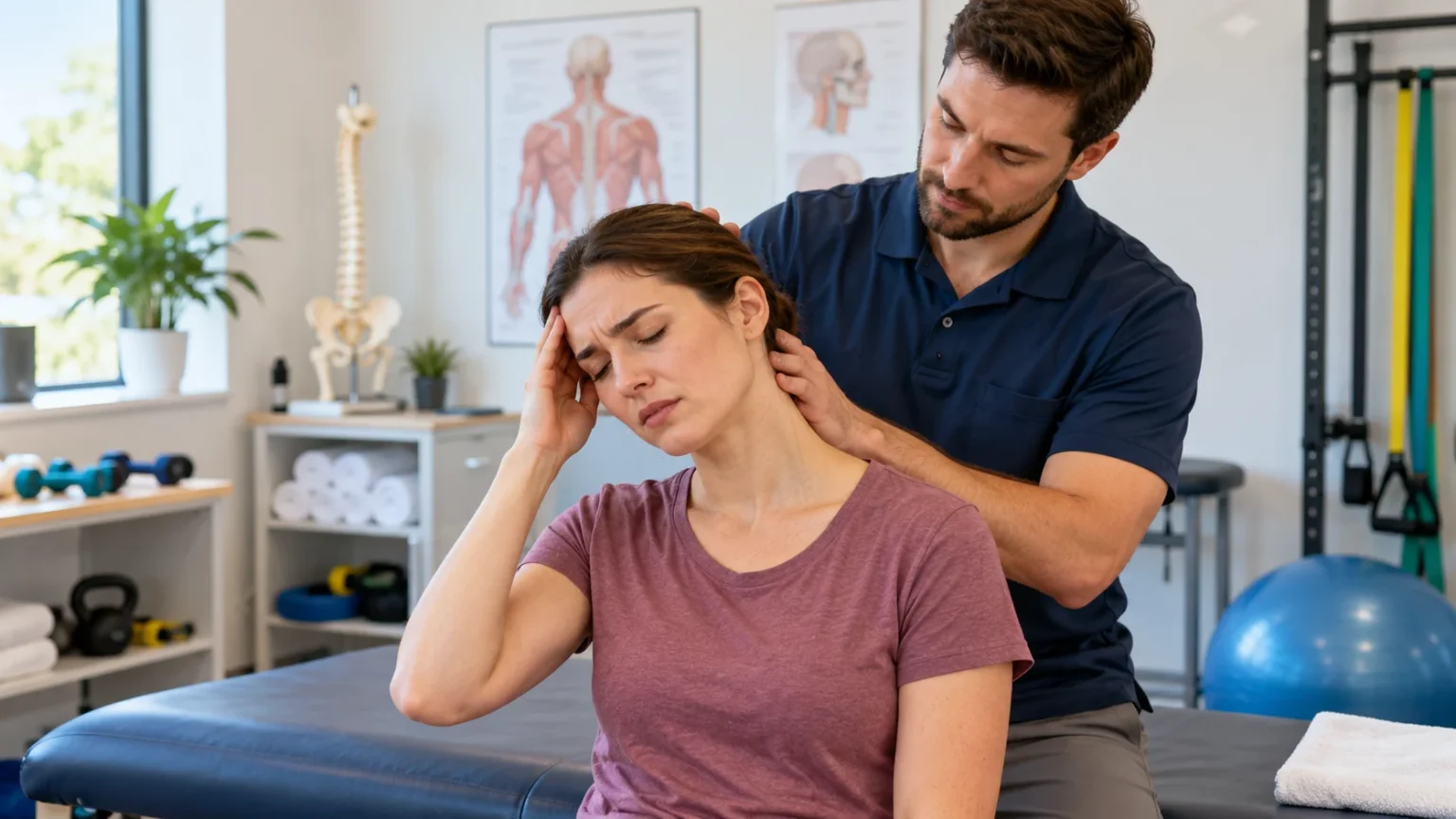

What Is a Cervicogenic Headache?
A cervicogenic headache is a type of secondary headache that originates from a problem in the cervical spine or surrounding neck structures. Unlike primary headaches, which develop as independent conditions, cervicogenic headaches occur because of an underlying issue involving the neck. Pain may begin near the base of the skull and spread toward the forehead or temple.
The cervical spine contains vertebrae, joints, muscles, nerves, and supporting tissues that help control head movement. When certain structures become irritated or injured, pain signals may be referred to areas of the head. This connection explains why a neck-related problem can produce headache symptoms even when the most noticeable discomfort occurs elsewhere.
Cervicogenic headaches can interfere with concentration, sleep, work, and everyday activities. Some people experience occasional episodes, while others develop recurring discomfort associated with neck movements. Understanding the condition is essential because effective cervicogenic headache treatment focuses on identifying and managing the underlying neck-related cause rather than addressing head pain alone.
What Causes Cervicogenic Headaches?
Cervicogenic headaches develop when structures in the neck generate pain that is referred to the head. Possible sources include cervical joints, surrounding connective tissues, and certain nerves associated with the upper spine. These structures share neurological pathways with regions responsible for head sensation, allowing discomfort to be experienced beyond the original source.
Neck injuries, joint problems, and certain degenerative conditions may contribute to cervicogenic headaches. Some individuals develop symptoms after sudden neck movements or trauma, while others experience more gradual discomfort. However, degenerative changes visible on imaging are common and do not automatically establish that a particular neck structure causes a headache.
Prolonged static positions and muscle tension may aggravate symptoms in some individuals, although they do not prove the diagnosis. Cervicogenic headaches often involve several contributing factors rather than one easily identifiable trigger. A healthcare professional can evaluate symptoms and examine the cervical spine to distinguish these headaches from migraine, tension-type headache, or other conditions.
Common Symptoms of Cervicogenic Headaches
One of the most recognizable symptoms of a cervicogenic headache is pain that begins around the neck or back of the head. The discomfort may spread toward the forehead, temple, or area around the eye. Pain often affects one side, although symptom patterns vary, and headache location alone cannot confirm the diagnosis.
Neck stiffness and reduced movement are also common complaints. Some people notice that turning their head or maintaining certain neck positions makes the headache worse. Discomfort may also extend into the shoulder or upper back, particularly when surrounding muscles and joints are sensitive during everyday movements.
Cervicogenic headaches can overlap with other headache disorders, making accurate diagnosis important. Migraine can also involve neck pain, light sensitivity, nausea, and one-sided head discomfort. Persistent, changing, or unusually severe headache symptoms require professional evaluation to determine the underlying cause and appropriate treatment approach.
How Are Cervicogenic Headaches Diagnosed?
Diagnosing a cervicogenic headache usually begins with a detailed medical history and discussion of symptoms. A healthcare professional may ask where the pain starts, how it spreads, and whether neck movement influences the headache. Previous injuries, headache patterns, and associated neurological symptoms may also provide useful information.
A physical examination may include checking neck movement, joint sensitivity, muscular function, and neurological signs. Clinicians look for findings that support a cervical source of pain while considering other possible headache conditions. Reduced neck mobility and pain reproduced by certain movements can support the assessment but do not independently confirm cervicogenic headache.
Imaging tests such as MRI or CT scans are sometimes recommended when symptoms or examination findings suggest an underlying structural problem. However, scans alone generally cannot establish that a cervical abnormality causes headaches. In selected cases, specialist diagnostic nerve blocks may help identify a specific pain-generating structure and guide further treatment.
Why Early Cervicogenic Headache Treatment Matters
Early assessment can help identify factors contributing to recurring headaches and reduce unnecessary disruption to everyday activities. When symptoms repeatedly affect work, sleep, or movement, a personalized treatment plan may improve comfort and physical function. Early care is especially important when headache symptoms are new, changing, or difficult to distinguish from other conditions.
Timely treatment may include education, appropriate activity adjustments, and rehabilitation exercises selected according to the clinical findings. These approaches can help address neck-related movement limitations without creating unnecessary fear of normal physical activity. Treatment should remain flexible because different individuals may respond differently to the same rehabilitation techniques.
Early treatment does not guarantee that cervicogenic headaches will disappear immediately or never return. Some people improve quickly, while others require ongoing management and additional assessment. The main goal is to identify treatable contributing factors, improve daily function, and develop sustainable strategies for controlling recurring symptoms.
Physical Therapy for Cervicogenic Headache Treatment
Physical therapy is commonly recommended for people diagnosed with cervicogenic headaches, especially when neck movement limitations or muscular impairments contribute to symptoms. A physical therapist may assess cervical mobility, muscular endurance, and movement coordination. Treatment is then adapted to the individual’s symptoms, physical capabilities, and relevant medical history.
Rehabilitation programs often include gentle exercises, progressive strengthening, and selected manual therapy techniques. These interventions aim to improve comfortable movement and reduce functional limitations. Some patients benefit from combining exercise with therapist-applied joint mobilization, although treatment choices should depend on assessment findings and personal tolerance.
Physical therapy typically works best when patients understand their exercises and gradually apply the skills to everyday activities. A therapist may also discuss workstation comfort, sleep positioning, and activity pacing. Progress is monitored through headache frequency, symptom intensity, neck function, and the ability to perform usual tasks comfortably.
Neck Mobility Exercises for Headache Relief
Gentle neck mobility exercises may help maintain movement and reduce stiffness associated with some cervicogenic headaches. These exercises should focus on comfortable motion rather than forcing the cervical spine into extreme positions. Individuals with significant trauma, neurological symptoms, or unexplained severe headaches should receive medical assessment before starting neck exercises.
A simple neck rotation exercise involves sitting comfortably and slowly turning your head toward one side. Return to the starting position before repeating the movement in the opposite direction. Keep your shoulders relaxed and move only within a comfortable range without pulling your head or using sudden twisting movements.
Gentle side bending may also be included when appropriate. Slowly tilt your head toward one shoulder while keeping the opposite shoulder relaxed, then return to neutral. Stop any movement that increases headache intensity, causes dizziness, or produces tingling or weakness, and seek professional guidance before continuing.
Deep Neck Flexor Exercises for Cervical Stability
The deep neck flexors are muscles located toward the front of the cervical spine that help support controlled head and neck movement. Some people with persistent neck-related headaches demonstrate reduced endurance or coordination in these muscles. Targeted exercises may be included in rehabilitation to improve muscular control and tolerance for everyday activities.
One commonly used exercise involves a gentle chin nod while lying on your back. Keep your head supported and slowly make a small nodding movement, as though saying yes very slightly. Avoid lifting your head forcefully, pressing your neck into the floor, or holding your breath during the movement.
A physical therapist can help determine appropriate repetitions and progression according to your symptoms. More challenging exercises may involve gradually increasing holding time or adding controlled movement. The purpose is to improve comfortable muscular coordination rather than force the neck into a rigid position or produce fatigue through excessive repetitions.
Upper Back Strengthening for Headache Management
The upper-back and shoulder muscles contribute to head, neck, and shoulder movement during everyday activities. Reduced muscular endurance may make prolonged work or certain physical tasks uncomfortable. Strengthening these muscles can form part of a broader cervicogenic headache treatment program when appropriate assessment identifies relevant physical limitations.
Exercises targeting the shoulder blade muscles may include light resistance band rows or controlled scapular movements. These activities encourage coordinated movement between the shoulders and upper back. They should be performed with manageable resistance while avoiding excessive neck tension, breath-holding, or movement patterns that reproduce significant headache symptoms.
A balanced strengthening program may combine upper-back exercises with gentle neck mobility and deep neck flexor training. Progress should be gradual, especially when symptoms have been persistent. Building general physical capacity can improve tolerance for everyday tasks, although upper-back exercises alone cannot treat every underlying cause of cervicogenic headaches.
Manual Therapy for Cervicogenic Headaches
Manual therapy involves hands-on techniques performed by trained healthcare professionals to address certain joint and muscular problems. Physical therapists may use gentle cervical or upper-back mobilization to improve movement and manage discomfort. These techniques are sometimes combined with exercise and education as part of a personalized cervicogenic headache treatment program.
The effectiveness of manual therapy depends on the diagnosis, treatment technique, and individual circumstances. Some people experience improvements in headache frequency or neck function, while others receive limited benefit. Gentle mobilization may be considered after an appropriate assessment, but forceful neck manipulation carries additional risks and is not suitable for everyone.
Manual therapy should never involve attempting to forcefully crack or twist your own neck. People with recent trauma, suspected vascular problems, or neurological symptoms require careful medical evaluation before neck treatment. A qualified clinician can explain the potential benefits, limitations, and risks of different approaches before recommending an appropriate intervention.
Heat and Cold Therapy for Headache Relief
Heat and cold therapy may provide temporary comfort when cervicogenic headaches occur alongside neck soreness or muscular tightness. These approaches do not directly treat every underlying cause of headache, but they may help certain individuals manage associated discomfort. The preferred method depends on personal tolerance and the nature of the symptoms.
A warm compress placed over the back of the neck may help reduce the sensation of stiffness. Use a protective cloth and avoid excessive heat that could irritate the skin. Gentle warmth can be combined with comfortable positioning and relaxed movement when these activities do not increase headache symptoms.
Some people prefer a cool compress, particularly when the neck feels irritated after physical activity. Cold packs should also be wrapped in a protective layer rather than applied directly to the skin. Stop using either method if it causes discomfort, unusual skin changes, or worsening symptoms.
Medications for Cervicogenic Headache Treatment
Medications may be considered when cervicogenic headaches produce persistent or disruptive pain. Healthcare professionals sometimes recommend appropriate pain-relieving or anti-inflammatory medicines based on individual health needs. However, medication generally provides symptom management rather than directly correcting the cervical condition responsible for a confirmed cervicogenic headache.
The choice of medication depends on factors such as age, medical history, other medicines, and the severity of symptoms. Some medications can cause side effects or may be unsuitable for certain medical conditions. A clinician can determine whether medication is appropriate and explain how it fits into the broader treatment plan.
Frequent use of certain headache medications can contribute to medication-overuse headaches. Therefore, repeated self-treatment without understanding the cause of recurring pain may create additional problems. People who regularly require medication for headaches should seek medical assessment to establish an accurate diagnosis and develop a sustainable treatment strategy.
Nerve Blocks and Other Medical Procedures
Some people experience persistent cervicogenic headaches despite appropriate conservative treatment. In selected cases, a specialist may consider diagnostic nerve blocks to identify structures contributing to pain. These procedures involve carefully targeted injections performed by qualified clinicians and are not necessary for most people with uncomplicated symptoms.
Certain injections may provide temporary pain relief when a particular cervical joint or nerve is responsible for symptoms. However, treatment responses vary, and the effectiveness of injections depends on accurate diagnosis and appropriate patient selection. Potential risks and limitations should be discussed before proceeding with any invasive intervention.
Radiofrequency procedures may be considered for carefully selected patients with persistent, confirmed pain arising from specific cervical joints. These treatments are specialist options rather than routine first-line care. Surgery is rarely required solely for cervicogenic headaches and is generally reserved for unusual situations involving a clearly treatable structural condition.
Improving Workstation Comfort and Neck Positioning
Workstation setup can influence neck comfort, especially when tasks involve prolonged sitting or looking at screens. Some people notice increasing discomfort when their neck remains in one position for extended periods. Adjusting the environment may reduce aggravating factors and make normal work activities easier to tolerate.
Position your computer screen at a comfortable viewing height and arrange frequently used items within easy reach. Supporting your arms and choosing a chair that allows relaxed movement may also improve comfort. Avoid maintaining an excessively rigid posture because normal position changes are an important part of comfortable working habits.
Regular movement breaks can help reduce stiffness associated with prolonged screen use. Standing briefly, walking, or gently moving your shoulders may be useful when tolerated. Workstation adjustments alone do not treat every cervicogenic headache, but they can complement physical therapy and other individualized management strategies.
Sleeping Positions for Cervicogenic Headaches
Sleeping positions can influence neck comfort, particularly when the cervical spine remains rotated or bent for long periods. Some people experience headaches or stiffness after waking because their sleeping arrangement places uncomfortable demands on neck structures. However, there is no single sleeping position that guarantees prevention of cervicogenic headaches.
Back and side sleeping positions may be comfortable when the head and neck receive appropriate support. Pillow height should match the individual’s preferred position, shoulder dimensions, and mattress characteristics. The goal is to find a relaxed arrangement rather than force the neck into a perfectly straight position.
Sleep quality is also important because disrupted rest may affect pain sensitivity and overall recovery. Maintaining consistent sleep habits and addressing discomfort that interrupts rest can support general well-being. Persistent headaches that regularly wake someone from sleep require medical evaluation rather than relying only on pillow or mattress changes.
Stress Management and Relaxation Techniques
Stress does not directly establish a diagnosis of cervicogenic headache, but it can influence pain perception and muscular tension. Some people notice increased neck discomfort during demanding periods at work or school. Emotional stress may also affect sleep quality, concentration, and the ability to manage persistent physical symptoms.
Relaxation techniques may help individuals manage tension associated with headache episodes. Gentle breathing exercises, comfortable physical activity, and short breaks from demanding tasks can support overall well-being. These approaches are most useful as additions to appropriate medical care rather than replacements for diagnosis or treatment.
Persistent headaches can become frustrating when they interfere with normal routines. Developing practical coping strategies may improve confidence and help reduce unnecessary activity avoidance. Healthcare professionals can also provide support when ongoing pain contributes to sleep difficulties, anxiety, or reduced participation in everyday activities.
Common Mistakes During Cervicogenic Headache Recovery
One common mistake is assuming that every headache accompanied by neck pain must be cervicogenic. Migraine, tension-type headache, and other conditions can produce similar symptoms. Treating an incorrectly diagnosed headache as a neck problem may delay more appropriate care and contribute to unnecessary frustration.
Another mistake involves forcing neck stretches or using aggressive self-manipulation to obtain immediate relief. Sudden twisting and excessive pressure may irritate sensitive tissues and create avoidable risks. Gentle movement and professionally guided rehabilitation are generally more appropriate than attempting to forcefully release perceived tightness.
Stopping all physical activity for extended periods can also make recovery more difficult. Although certain movements may need temporary modification, prolonged inactivity can contribute to reduced strength and movement confidence. An individualized rehabilitation plan helps balance comfortable activity with appropriate symptom management and gradual physical progression.
How Long Does Cervicogenic Headache Recovery Take?
The cervicogenic headache recovery timeline varies depending on the underlying cervical condition and the person’s response to treatment. Some individuals notice improvements within several weeks of appropriate rehabilitation. Others experience recurring symptoms that require longer treatment periods, additional assessment, or changes to their management strategy.
Recovery may involve gradual reductions in headache frequency, improved neck movement, and greater tolerance for everyday tasks. Progress is not always consistent, and temporary symptom fluctuations can occur during rehabilitation. Regular communication with a healthcare professional helps determine whether the treatment program remains suitable or requires adjustment.
Persistent headaches should be reassessed when improvement is limited or symptoms change significantly. Additional investigation may identify another contributing condition or a different headache diagnosis. Long-term management often focuses on maintaining comfortable movement, developing muscular endurance, and recognizing factors that repeatedly aggravate symptoms.
How to Prevent Recurring Cervicogenic Headaches
Preventing every cervicogenic headache may not be possible, especially when an underlying cervical condition continues to produce symptoms. However, maintaining appropriate physical activity and following a personalized rehabilitation program may help manage recurring discomfort. Regular movement can support muscular endurance and improve tolerance for everyday neck positions.
Continuing suitable strengthening and mobility exercises may be beneficial after initial symptoms improve. These exercises should address individual limitations rather than follow a routine based solely on headache location. Gradual progression can help maintain physical capacity without placing unnecessary demands on sensitive cervical structures.
Identifying recurring aggravating factors is another useful part of long-term management. A headache diary may help track symptoms, activities, sleep patterns, and treatment responses. Discussing these observations with a healthcare professional can support better decisions about prevention strategies and future treatment adjustments.
When Should You See a Doctor for Cervicogenic Headaches?
Medical evaluation is recommended when headaches are persistent, increasingly frequent, or interfere with everyday activities. Neck pain accompanied by recurring headaches does not automatically indicate a cervicogenic condition. A healthcare professional can assess possible causes and determine whether physical therapy, medication, or further investigation is appropriate.
Certain symptoms require emergency medical attention. A sudden extremely severe headache, new weakness, confusion, difficulty speaking, or changes in consciousness may indicate a serious neurological condition. Headache accompanied by fever and marked neck stiffness, or occurring after significant trauma, also requires urgent assessment.
New severe head or neck pain with dizziness, visual disturbances, or neurological symptoms should not be managed solely through stretching or massage. Some vascular and neurological conditions can initially resemble ordinary neck-related headaches. Prompt evaluation is essential when symptoms are unusual, sudden, or significantly different from previous headache episodes.
Conclusion
Cervicogenic headache treatment focuses on identifying and managing the cervical structures responsible for referred head pain. Common approaches include physical therapy, selected manual therapy techniques, gradual strengthening, and appropriate activity adjustments. An accurate diagnosis is important because other headache disorders can cause similar symptoms but may require different treatment strategies.
Recovery varies according to the underlying condition, symptom severity, and response to treatment. Gentle neck exercises, comfortable movement, and personalized rehabilitation may help improve function and reduce recurring discomfort. In selected persistent cases, specialist procedures may be considered when conservative approaches do not provide adequate improvement.
Long-term management involves maintaining physical activity, recognizing aggravating factors, and seeking reassessment when symptoms change. Avoid aggressive neck manipulation and remember that sudden severe headaches or neurological symptoms require urgent medical attention. With appropriate professional guidance, many people can improve headache management and return to comfortable everyday activities.
Frequently Asked Questions
1. What Is the Best Treatment for Cervicogenic Headaches?
Physical therapy is commonly recommended as an initial treatment for confirmed cervicogenic headaches. A personalized program may include gentle neck exercises, progressive strengthening, and selected manual therapy techniques.
2. Can Cervicogenic Headaches Go Away Completely?
Some people experience substantial improvement or complete resolution when the underlying cervical problem responds to treatment. Others develop recurring symptoms that require ongoing management, rehabilitation, or further medical assessment.
3. How Long Does Cervicogenic Headache Treatment Take?
Treatment duration varies depending on the underlying cause and individual response. Some people improve over several weeks, while persistent headaches may require longer rehabilitation and periodic reassessment.
4. Can Neck Exercises Help Cervicogenic Headaches?
Yes, appropriately selected neck mobility and strengthening exercises may reduce symptoms and improve function. Exercises should remain comfortable and be adapted by a qualified professional when headaches are persistent or severe.
5. When Should I Worry About a Neck-Related Headache?
Seek emergency care for a sudden severe headache, neurological weakness, confusion, fever with marked neck stiffness, or symptoms following significant trauma. Persistent or worsening headaches also require medical evaluation.