
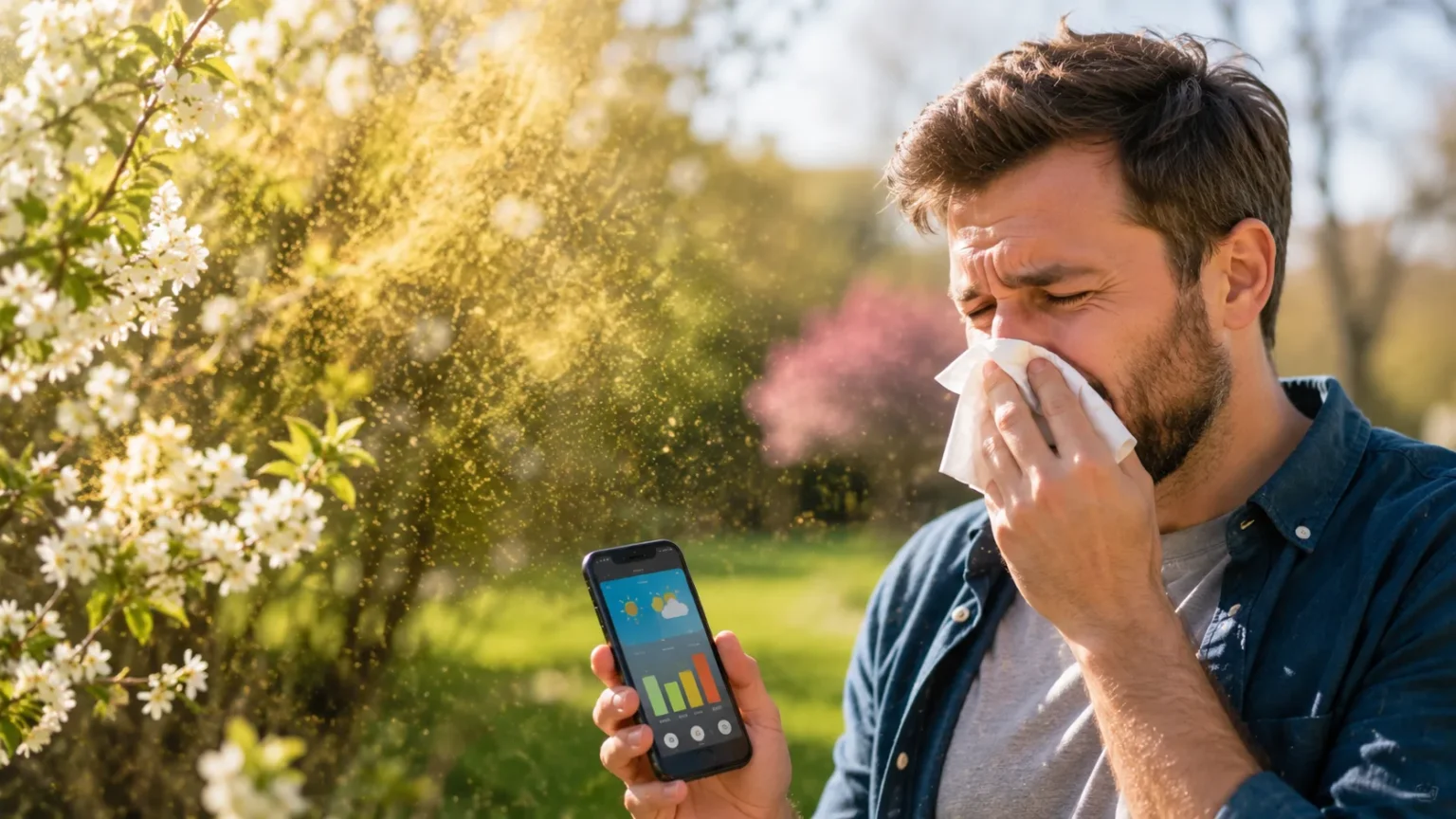

Pollen Count Explained: What the Numbers Mean for Your Allergy Symptoms
If seasonal allergies seem worse on some days than others, the pollen count may be one of the main reasons. Pollen counts estimate how much airborne pollen is present in a particular area during a specific period. The higher the concentration, the more likely people with pollen allergies are to experience symptoms such as sneezing, congestion, itchy eyes, or a runny nose. However, the same pollen level can affect two people very differently. Sensitivity, pollen type, weather, and individual health all influence how strongly someone reacts.
Pollen is a fine powder produced by plants as part of reproduction. Trees, grasses, weeds, and flowering plants all create pollen, but wind-pollinated plants are often responsible for seasonal allergy symptoms because their pollen can travel through the air over considerable distances. When susceptible people breathe in these particles, their immune systems may mistakenly treat harmless pollen proteins as dangerous. This triggers the release of chemicals such as histamine. The result is the familiar collection of symptoms known as allergic rhinitis or hay fever.
A pollen count is more useful when you know which type of pollen causes your symptoms. Tree pollen may dominate during one part of the year, while grass or weed pollen becomes more important later. A total pollen number can therefore look similar on two different days while producing very different symptoms for the same person. Local vegetation also matters, which is why allergy seasons can vary significantly between regions. Understanding your triggers makes daily pollen forecasts much more meaningful.
Weather conditions can change pollen exposure from one day to the next. Warm, dry, and windy conditions often help pollen travel through the air, while rainfall may temporarily wash airborne pollen away. Some thunderstorms, however, can break pollen particles into smaller fragments and contribute to breathing problems in susceptible people. Climate patterns can also influence when plants pollinate and how long allergy seasons last. This helps explain why seasonal allergies do not always follow exactly the same schedule every year.
Checking the daily pollen level can help you plan outdoor activities and reduce unnecessary exposure without avoiding the outdoors entirely. People with seasonal allergies may benefit from changing the timing of exercise, closing windows during high-pollen periods, showering after being outside, or using recommended allergy medications consistently. The goal is not to become afraid of pollen but to understand how exposure affects your body. A little planning can often make allergy season considerably easier to manage.
What Is a Pollen Count?
A pollen count estimates the concentration of pollen particles in the outdoor air. Monitoring stations collect airborne particles over a measured period and then identify or estimate the amount of pollen present. Results may be reported as grains of pollen per cubic meter of air or translated into simpler categories such as low, moderate, high, or very high. These categories are designed to make environmental information easier for the public to understand.
Pollen monitoring is often performed using specialized air-sampling equipment. A sampler captures particles from the surrounding atmosphere, and trained analysts or automated systems can then determine which pollen types are present. Depending on the monitoring program, results may separate tree, grass, and weed pollen rather than giving only one overall number. This distinction can be especially helpful for people who react strongly to one plant category but not another.
The term pollen level is sometimes used interchangeably with pollen count, although forecasts can include estimated future conditions as well as measured concentrations. A measured count describes what monitoring equipment detected, while a pollen forecast predicts what conditions may be like based on weather, plant activity, historical patterns, and other environmental data. Both can be useful when planning your day. Forecasts simply involve more uncertainty because weather conditions can change unexpectedly.
There is no single pollen number that guarantees symptoms for everyone. Some people begin sneezing when pollen levels are relatively low, while others notice little discomfort until concentrations become much higher. Allergic sensitivity, asthma, medication use, previous exposure, and the specific pollen species all influence the response. This is why your personal symptom history can be just as useful as the number shown in an allergy app.
Pollen counts also describe outdoor conditions rather than your exact individual exposure. Someone who spends most of the day indoors with windows closed may inhale less pollen than a person gardening outside for several hours. Pollen can still enter homes on clothing, pets, hair, shoes, and outdoor air. The count should therefore be viewed as an environmental risk indicator rather than a precise measurement of how much pollen has entered your body.
What Do Low, Moderate, High and Very High Pollen Levels Mean?
Pollen reports commonly divide concentrations into categories such as low, moderate, high, and very high. These categories make complicated environmental measurements easier to interpret, but the exact numerical thresholds can vary depending on the pollen type and the organization providing the forecast. A high grass pollen count, for example, may not use exactly the same numerical range as a high tree pollen count. Always check how your local pollen service defines its categories.
A low pollen count generally means the concentration of airborne pollen is relatively limited. Many people with mild seasonal allergies may experience few symptoms during these periods, although highly sensitive individuals can still react. Low levels can be useful times for outdoor activities such as running, gardening, or keeping windows open. If you know you are extremely sensitive to a particular pollen, however, your symptoms remain more important than the category alone.
A moderate pollen level indicates enough airborne pollen to trigger symptoms in many people with established allergies. Sneezing, nasal congestion, itchy eyes, or throat irritation may begin to become more noticeable, especially after prolonged outdoor exposure. People who use preventive allergy medication may find consistency particularly helpful during moderate periods. Planning outdoor activities around weather conditions can also reduce the total amount of pollen you encounter.
A high pollen count means susceptible people are much more likely to experience allergy symptoms. Those with asthma triggered by pollen may also notice increased coughing, wheezing, or chest tightness. During high-pollen days, reducing unnecessary exposure can make a noticeable difference. Keeping windows closed, changing clothing after outdoor activities, and avoiding lengthy outdoor exercise when symptoms are strongest are practical strategies.
A very high pollen level represents a period when airborne pollen is abundant enough to affect even some people with relatively mild allergies. Individuals with significant allergic rhinitis or pollen-triggered asthma may need to be particularly careful. This does not necessarily mean everyone needs to stay indoors all day. Instead, use the forecast alongside your symptoms, treatment plan, and planned activities to decide how much exposure is reasonable.
What Causes High Pollen Counts?
Plant reproduction is the underlying reason pollen enters the air. Wind-pollinated trees, grasses, and weeds produce large quantities of lightweight pollen because their reproductive strategy depends on air currents carrying it to other plants. Unlike many brightly colored flowers that rely primarily on insects for pollination, these plants release pollen directly into the atmosphere. When many plants release pollen simultaneously, local counts can rise quickly.
Dry weather commonly contributes to high pollen concentrations because pollen remains airborne rather than being washed from the atmosphere. Wind can then carry particles across neighborhoods, cities, and even longer distances. This means your symptoms may sometimes be triggered by vegetation that is not growing immediately beside your home. A windy day can therefore produce significant exposure even if your own yard contains relatively few allergy-triggering plants.
Temperature also influences pollen production. Warm conditions often encourage plants to grow, flower, and release pollen, although the exact relationship differs between species. Sudden warm periods in spring can sometimes create sharp increases in tree pollen. Similarly, warm conditions later in the year can extend certain weed pollen seasons. This is one reason pollen seasons may begin earlier or continue longer during unusually warm years.
Rain usually lowers airborne pollen temporarily by pulling particles out of the air. After prolonged rainfall, many people with pollen allergies notice temporary relief. Conditions can change after the weather dries, however, because plants may resume releasing pollen. Humidity and storms can also affect pollen particles in complicated ways. A rainy day therefore does not automatically guarantee that everyone with allergies will feel completely symptom-free.
Climate patterns influence pollen seasons over longer periods as well. Changes in temperature, rainfall, carbon dioxide levels, and growing seasons can affect when plants begin pollinating and how much pollen they produce. Local land use also matters because the species planted around homes, roads, parks, and cities determine which allergens are abundant. Pollen exposure is therefore shaped by both short-term weather and longer-term environmental conditions.
Tree Pollen: When Allergy Season Often Begins
Tree pollen is frequently responsible for the earliest wave of seasonal allergy symptoms. Depending on climate and location, some trees begin releasing pollen in late winter or early spring. Others pollinate later as temperatures rise. People who seem to develop hay fever before lawns and fields have turned fully green may actually be reacting to tree pollen. The exact timing varies considerably between geographic regions.
Common allergy-producing trees include birch, oak, cedar, elm, maple, alder, ash, and several other species. Not every person with tree pollen allergy reacts equally to every tree. Cross-reactivity can occur because certain plant pollens contain similar proteins. This is one reason allergy testing may identify multiple tree sensitivities even when one species seems to be the dominant seasonal trigger.
Tree pollen is generally lightweight and capable of traveling considerable distances. You do not need to have a birch or oak tree directly outside your home to be exposed to its pollen. Wind can move pollen through entire communities and carry it from surrounding rural areas into cities. Removing a single tree from your property therefore does not necessarily eliminate symptoms if the same species is widespread nearby.
People with tree pollen allergies may notice sneezing, watery eyes, congestion, or nasal itching on warm and windy spring days. Symptoms can become stronger during outdoor activities such as gardening, hiking, or exercising near wooded areas. Pollen may also collect on hair and clothing, allowing symptoms to continue after returning indoors. Showering and changing clothes can help reduce this secondary exposure.
Tree pollen levels eventually decline as the relevant species finish their reproductive period. Unfortunately, this may overlap with the beginning of grass pollen season, meaning people allergic to multiple pollen types can experience symptoms for months. Tracking individual tree, grass, and weed counts rather than relying only on the total pollen number can help explain why symptoms continue even when one category decreases.
Grass Pollen and Why Summer Allergies Can Feel Intense
Grass pollen is one of the most widespread causes of seasonal allergic rhinitis. Many common grasses release pollen that becomes airborne during late spring and summer, although timing depends on climate and local growing conditions. People who feel relatively well during early spring but develop strong symptoms as temperatures rise may be responding to grass pollen. In some regions, the grass season can extend for several months.
Common grass allergens can include timothy, Bermuda, ryegrass, Kentucky bluegrass, orchard grass, and other species. Because grasses are widely planted in lawns, parks, fields, roadsides, and agricultural areas, avoiding them completely is difficult. Even areas with relatively little natural vegetation often contain large amounts of cultivated grass. This widespread distribution helps explain why grass pollen allergy is common in many parts of the world.
Mowing can temporarily disturb pollen and plant particles, making symptoms feel worse for someone spending time nearby. People with strong grass allergies may therefore benefit from avoiding lawn mowing when pollen levels are high or wearing appropriate protection if the task cannot be avoided. Showering afterward can also remove pollen from the skin and hair. Changing clothes helps prevent pollen from spreading through the home.
Grass pollen can cause the familiar symptoms of hay fever, including sneezing, nasal congestion, watery eyes, and itching. In people with asthma, it may also contribute to coughing, wheezing, or shortness of breath. The relationship between allergic rhinitis and asthma is important because inflammation affecting the upper and lower airways can overlap. Breathing symptoms should be taken more seriously than ordinary sneezing or an itchy nose.
Grass pollen concentrations can fluctuate sharply according to weather. Dry and breezy days often favor airborne pollen, while sustained rainfall may temporarily reduce concentrations. People who enjoy outdoor exercise can use daily pollen forecasts to choose lower-exposure periods without abandoning activity completely. The most practical strategy is usually adjusting routines rather than trying to avoid grass for an entire season.
Weed Pollen and Why Allergies May Continue Into Fall
Weed pollen commonly becomes more important later in the allergy season. Ragweed is one of the best-known examples and can cause significant symptoms from late summer into autumn in many regions. Other weeds can also contribute depending on geography. People who experience a second wave of allergies after grass pollen has started declining may therefore be reacting to weed pollen instead of assuming their spring allergies simply never ended.
Ragweed pollen is particularly effective at traveling through the air because the particles are light and produced in large quantities. People can encounter it even when no ragweed plants are visible near their homes. Wind may carry pollen across considerable distances, allowing symptoms to occur in urban areas as well as rural environments. Local pollen reports can help identify when ragweed levels begin increasing.
Symptoms generally resemble other forms of pollen allergy. Sneezing, stuffy or runny nose, itchy throat, watery eyes, and fatigue may occur. Some people also report worsening asthma during weed pollen season. Because these symptoms overlap with respiratory infections, autumn allergies can occasionally be mistaken for a cold. Persistent itching and symptoms that repeatedly worsen outdoors can make an allergic cause more likely.
Weed pollen seasons often continue until colder temperatures reduce plant activity. A significant frost may end or sharply reduce pollen production in some climates, although this depends on the specific species and region. Warmer autumn conditions can extend the season. People who expect their allergies to disappear at the end of summer may therefore be surprised when symptoms continue for several additional weeks.
Tracking weed pollen separately can make treatment more predictable. If you know that symptoms reliably worsen when ragweed levels increase, you may be able to begin your usual prevention strategy before symptoms become intense. This could include environmental changes or medications recommended by a healthcare professional. Preventive planning is often easier than trying to regain control after symptoms have already become severe.
Common Pollen Allergy Symptoms
Sneezing is one of the most recognizable pollen allergy symptoms. Allergens entering the nose can trigger an immune response that irritates the nasal lining and produces repeated sneezing. Some people experience only occasional sneezes, while others develop sudden prolonged episodes after stepping outdoors. Sneezing alone does not prove pollen allergy, but a strong seasonal pattern can provide an important clue.
A runny or blocked nose is also common. Allergic inflammation increases mucus production and causes tissues inside the nose to swell, producing congestion. This can make breathing through the nose difficult and may interfere with sleep. Unlike many colds, pollen allergies often produce clear, watery nasal drainage rather than thicker discharge associated with some respiratory infections. However, symptoms can overlap considerably.
Eye symptoms frequently accompany seasonal allergic rhinitis. Pollen contacting the surface of the eyes can cause itching, watering, redness, and puffiness around the eyelids. Rubbing the eyes may temporarily feel satisfying but often worsens irritation. Wearing sunglasses outdoors may help reduce direct pollen exposure, while certain allergy eye drops can be useful when recommended appropriately.
An itchy throat, ears, nose, or roof of the mouth can also occur. This itching is characteristic of allergic reactions and can help distinguish hay fever from some respiratory infections. Postnasal drip may create throat clearing or coughing, particularly at night. In people with asthma, pollen exposure can additionally contribute to wheezing, chest tightness, or shortness of breath, which deserves more careful medical management.
Fatigue is often underestimated as an allergy symptom. Nasal congestion can interfere with sleep, while persistent inflammation and medication side effects may contribute to daytime tiredness. People may therefore feel mentally foggy or less productive during peak pollen periods. Managing allergies effectively can improve more than sneezing and itching; it may also help restore sleep quality, concentration, and overall comfort.
Pollen Allergy vs Cold: How Can You Tell the Difference?
Pollen allergies and common colds can produce remarkably similar symptoms. Both may cause a runny nose, congestion, sneezing, coughing, and fatigue. The difference lies largely in the underlying cause. Allergies develop because the immune system reacts to environmental allergens, while the common cold is caused by a viral infection. Looking at the full symptom pattern can provide useful clues, although no single sign is perfect.
Itching strongly favors allergies. An itchy nose, eyes, throat, or roof of the mouth is common during pollen exposure but less typical of an ordinary cold. Watery, irritated eyes also commonly occur with allergic rhinitis. People may notice that symptoms become worse after spending time outdoors and improve somewhat after reducing pollen exposure. A repeating seasonal pattern from year to year is another useful clue.
Fever is more consistent with infection than uncomplicated pollen allergy. Allergic rhinitis itself does not normally cause fever, despite the traditional phrase “hay fever.” Muscle aches and pronounced illness are also more characteristic of viral infections. However, many mild colds occur without fever, so its absence cannot automatically confirm allergies. Timing and exposure patterns remain important.
Duration can also help. A cold usually improves as the immune system clears the infection, while pollen allergies may continue for weeks whenever the responsible plant remains in season. Symptoms that repeatedly disappear after rainfall and return on dry, windy days suggest an environmental trigger. Conversely, symptoms that steadily improve over several days regardless of pollen conditions may fit a respiratory infection more closely.
Occasionally, someone can have both allergies and a viral infection at the same time. This can make symptoms unusually intense and difficult to interpret. If you develop significant fever, severe facial pain, trouble breathing, or symptoms that are worsening rather than improving, medical evaluation may be appropriate. Seasonal history is helpful, but it should not be used to dismiss unusual or severe symptoms.
When Is Pollen Count Usually Highest During the Day?
People often want to know the best time to go outside when they have pollen allergies. Unfortunately, there is no universal hour that guarantees low exposure because different plants release pollen at different times and weather can rapidly change airborne concentrations. Local forecasts provide more useful guidance than relying on a single rule. Still, pollen levels frequently fluctuate throughout the day rather than remaining constant.
Some plants release large amounts of pollen during the morning as temperatures rise and vegetation dries. Wind may then distribute those particles throughout the surrounding area. Depending on atmospheric conditions, concentrations can remain significant later in the day as well. This is why general advice to always exercise at one specific hour does not work equally well in every location.
Wind deserves particular attention. Even when pollen production is not at its daily peak, a strong breeze can carry previously released pollen through the air. Calm conditions may therefore feel more comfortable than windy periods at the same time of day. Checking both pollen forecasts and local weather can give you a better picture of expected exposure.
Rainfall can temporarily improve conditions by removing airborne pollen. People with allergies sometimes find outdoor activities easier after a sustained rain once conditions have settled. However, thunderstorms can behave differently because strong winds and changes in pollen particles can increase respiratory problems for some individuals. People with pollen-triggered asthma should follow their treatment plan carefully when severe weather and high pollen coincide.
Your personal experience can help identify the best schedule for you. Notice when symptoms usually intensify and compare that pattern with local pollen and weather reports. Over several weeks, you may discover that certain times or conditions are consistently easier to tolerate. Personalized observation is often more valuable than following generalized advice that does not account for your local environment.
How Weather Changes the Pollen Count
Weather is one of the strongest short-term influences on airborne pollen. Warm temperatures can stimulate plants to release pollen, particularly during their active reproductive season. A sudden warm spell can therefore create a noticeable jump in pollen levels. People with seasonal allergies may experience symptoms before they realize local vegetation has entered a new phase of growth.
Dry conditions generally allow pollen to remain suspended in the air more easily. Without rainfall to remove particles, concentrations can build and spread. People may therefore notice stronger symptoms during stretches of dry weather, especially when plants are actively producing pollen. Drought conditions can have more complicated effects depending on plant growth and species, so local forecasts remain useful.
Wind distributes pollen across wider areas. Strong winds can lift particles from plants and surfaces and transport them considerable distances. A property with very few allergy-producing plants may still experience substantial airborne pollen when winds arrive from surrounding areas. This makes indoor pollen control particularly useful during windy conditions.
Rain usually provides temporary relief by washing pollen from the air. Windows may be safer to open after rain when local counts have decreased, although levels can climb again after surfaces dry. Repeated showers can keep pollen relatively low for longer periods. The amount and duration of rainfall matter more than a few isolated drops.
Storms deserve special attention for people with asthma. Certain thunderstorm conditions can break pollen into smaller particles that penetrate more deeply into the airways. Rare episodes known as thunderstorm asthma have caused sudden increases in breathing problems among susceptible populations. Anyone with pollen-triggered asthma should take breathing symptoms seriously and follow their prescribed management plan during high-risk conditions.
How to Reduce Pollen Exposure Without Staying Indoors All Day
Start by checking your local pollen forecast when seasonal allergies are active. Knowing whether tree, grass, or weed pollen is especially high can help you plan activities strategically. If levels are expected to peak, you might shorten a long outdoor workout or move gardening to another day. This approach reduces exposure without requiring you to avoid normal life completely.
Keeping windows closed during high-pollen periods can significantly reduce how much outdoor pollen enters your home. Air conditioning or suitable filtration can help maintain indoor comfort while windows remain shut. If you prefer natural ventilation, choose periods when local pollen levels are lower. Remember that pollen conditions can change throughout the day depending on weather and plant activity.
Changing clothes after prolonged outdoor exposure is another simple strategy. Pollen can settle on shirts, trousers, hats, and other fabric, allowing allergens to travel into bedrooms and living spaces. Avoid placing heavily exposed clothing directly on your bed. Washing clothes normally can remove much of the pollen that has accumulated during outdoor activities.
Showering before bed may be especially useful during peak allergy season. Hair can collect pollen throughout the day, which may then transfer to your pillow while you sleep. Washing your face and hair can reduce nighttime exposure. Even when a full shower is inconvenient, rinsing your face and changing clothes may help limit the amount of pollen carried into sleeping areas.
Pets can bring outdoor pollen inside as well. Dogs and cats that spend time in grass or gardens may collect pollen on their fur and paws. Gently wiping them after outdoor activity can reduce some of this transfer. You do not need to isolate pets during allergy season, but keeping them away from pillows and bedding may help if your symptoms are particularly sensitive.
Pollen Allergy Treatment Options
Treatment depends on how frequent and severe your symptoms are. People with occasional mild symptoms may need only simple exposure reduction or an over-the-counter medicine used according to directions. Those with persistent seasonal allergies may benefit from a more consistent prevention plan. A healthcare professional or pharmacist can help determine which option fits your symptoms and medical history.
Antihistamines are commonly used for sneezing, itching, and runny nose. Newer non-drowsy or less-sedating options are often preferred for daytime use, although individual responses differ. Some older antihistamines can cause significant sleepiness and impair driving or concentration. Always check medication warnings rather than assuming an allergy medicine is harmless because it is available without a prescription.
Nasal corticosteroid sprays are commonly used for persistent allergic rhinitis because they reduce inflammation inside the nose. They generally work best when used correctly and consistently rather than only after symptoms become severe. Technique matters because spraying directly toward the nasal septum can cause irritation. A pharmacist or healthcare professional can demonstrate appropriate use if you are uncertain.
Allergy eye drops may help people whose main symptoms involve itching and watering of the eyes. Saline nasal rinses can also remove allergens and mucus from the nasal passages, although safe water practices are essential when preparing rinses. Use sterile, distilled, or appropriately boiled and cooled water rather than untreated tap water in nasal irrigation devices.
People with severe or difficult-to-control allergies may benefit from assessment by an allergy specialist. Allergy testing can help identify specific triggers, and allergen immunotherapy may be appropriate for selected patients. Immunotherapy gradually exposes the immune system to controlled amounts of an allergen with the goal of reducing sensitivity over time. It requires professional guidance and is different from simply taking medication when symptoms appear.
Pollen Count and Asthma: Why Breathing Symptoms Matter
Pollen does not only affect the nose and eyes. In people with allergic asthma, airborne allergens can contribute to inflammation and narrowing of the lower airways. This may produce coughing, wheezing, chest tightness, or shortness of breath. High-pollen days can therefore represent more than an inconvenience for someone whose asthma is strongly allergy-driven.
People with asthma should pay attention to patterns between symptoms and pollen levels. If breathing consistently worsens during tree, grass, or weed seasons, discuss this pattern with a healthcare professional. A written asthma action plan can help clarify when to use prescribed medications and when symptoms require additional medical attention. Keeping asthma controlled before pollen levels peak can reduce the likelihood of severe flare-ups.
Using a quick-relief inhaler repeatedly can be a sign that asthma is not adequately controlled. People who are waking at night with symptoms, avoiding activity because of breathing difficulty, or needing rescue medication more often than expected should seek review. Seasonal triggers sometimes require adjustments to a long-term treatment plan. Do not simply accept months of uncontrolled symptoms as an unavoidable part of allergy season.
Thunderstorms can be particularly relevant for people with pollen-sensitive asthma. Under certain conditions, storms can fragment pollen and distribute tiny allergenic particles through the air. These particles may penetrate more deeply into the lungs than intact pollen grains. Although severe thunderstorm asthma events are uncommon, they demonstrate why weather and pollen should be considered together in susceptible individuals.
Seek urgent medical help for severe difficulty breathing, inability to speak comfortably because of breathlessness, bluish lips, faintness, or rapidly worsening asthma that does not respond to your prescribed rescue treatment. Ordinary allergic rhinitis is uncomfortable, but severe airway symptoms can become dangerous. Anyone with asthma should prioritize breathing symptoms over the daily pollen number shown in an app.
When Should You See a Doctor About Pollen Allergies?
Consider medical advice if allergy symptoms interfere with sleep, school, work, exercise, or daily activities despite reasonable self-care. Persistent congestion and poor sleep can significantly affect concentration and energy. You do not need to wait until symptoms become unbearable before discussing treatment. Better control can often improve both physical comfort and daily performance.
A healthcare professional can also help when you are uncertain whether symptoms are caused by pollen. Dust mites, mold, pets, indoor allergens, respiratory infections, and other conditions can create similar symptoms. If symptoms occur throughout the entire year rather than following a seasonal pattern, pollen may not be the only trigger. Allergy evaluation can clarify which environmental factors are most relevant.
Repeated sinus symptoms may also deserve evaluation. Nasal allergies can contribute to congestion and pressure, but severe facial pain, persistent fever, or prolonged thick nasal discharge can indicate another problem. Assuming every nasal symptom is “just allergies” can delay appropriate care. Changes from your usual seasonal pattern are especially worth discussing.
Breathing symptoms should receive greater attention. Wheezing, chest tightness, persistent coughing, or shortness of breath can indicate asthma or another respiratory condition. If these symptoms appear primarily during high pollen periods, allergic triggers may be contributing. Appropriate asthma diagnosis and treatment can reduce the risk of serious flare-ups.
Finally, consider an allergy specialist when standard treatments provide insufficient relief or when you want to understand your triggers more precisely. Testing can sometimes identify specific tree, grass, weed, mold, or indoor allergens. A clear diagnosis can make environmental changes more targeted and may open the possibility of immunotherapy. Effective allergy management should help you participate in normal activities rather than simply endure symptoms every year.
Conclusion: Use Pollen Counts to Stay Ahead of Allergy Symptoms
Pollen counts provide a practical snapshot of how much airborne pollen is present or expected in your environment. They are particularly useful for people with seasonal allergic rhinitis, commonly known as hay fever. Understanding whether tree, grass, or weed pollen is driving the daily number makes the information much more valuable. A high count only matters when it involves pollen to which you are sensitive.
Weather, plant cycles, geography, and season all influence pollen levels. Warm, dry, and windy conditions often increase exposure, while sustained rainfall may provide temporary relief. Because conditions can change quickly, checking a current local pollen forecast is more useful than relying only on assumptions about the season. Your personal symptom pattern provides another important source of information.
Common pollen allergy symptoms include sneezing, congestion, runny nose, itchy eyes, throat irritation, and fatigue. People with asthma may also experience coughing, wheezing, chest tightness, or breathlessness. These symptoms can overlap with respiratory infections, so timing, itching, fever, and seasonal recurrence can help provide clues. Persistent or severe symptoms deserve professional evaluation.
Reducing exposure does not mean spending an entire pollen season indoors. Small changes such as closing windows during high-pollen periods, showering after outdoor activities, changing clothing, monitoring weather, and planning exercise strategically can make a meaningful difference. Appropriate allergy medications can provide additional control when environmental measures are not enough.
The best approach is to use the pollen count as a planning tool rather than a number to fear. Track which pollen types correspond with your symptoms, learn how local weather affects exposure, and create a routine that works for you. With appropriate prevention and treatment, many people can remain active outdoors even when pollen season is in full swing.
Frequently Asked Questions
What pollen count is considered high?
The definition of a high pollen count depends on the pollen type and the organization reporting it. Local forecasts usually classify tree, grass, and weed pollen separately using low-to-very-high categories.
Why are my allergies worse when the pollen count is low?
You may be highly sensitive to a specific pollen that is present even when the overall count is low. Indoor allergens, mold, air pollution, or another trigger may also be contributing.
Does rain lower the pollen count?
Rain often temporarily removes pollen from the air and may reduce symptoms. However, pollen levels can increase again after surfaces dry, and certain thunderstorms may worsen respiratory symptoms in susceptible people.
What time of day is pollen usually highest?
There is no universal peak time because different plants and weather conditions affect pollen release differently. Checking a local hourly pollen and weather forecast provides more useful guidance.
Can high pollen cause breathing problems?
Yes. People with pollen-triggered asthma may experience coughing, wheezing, chest tightness, or shortness of breath when pollen levels rise. Significant breathing difficulty requires prompt medical attention.