
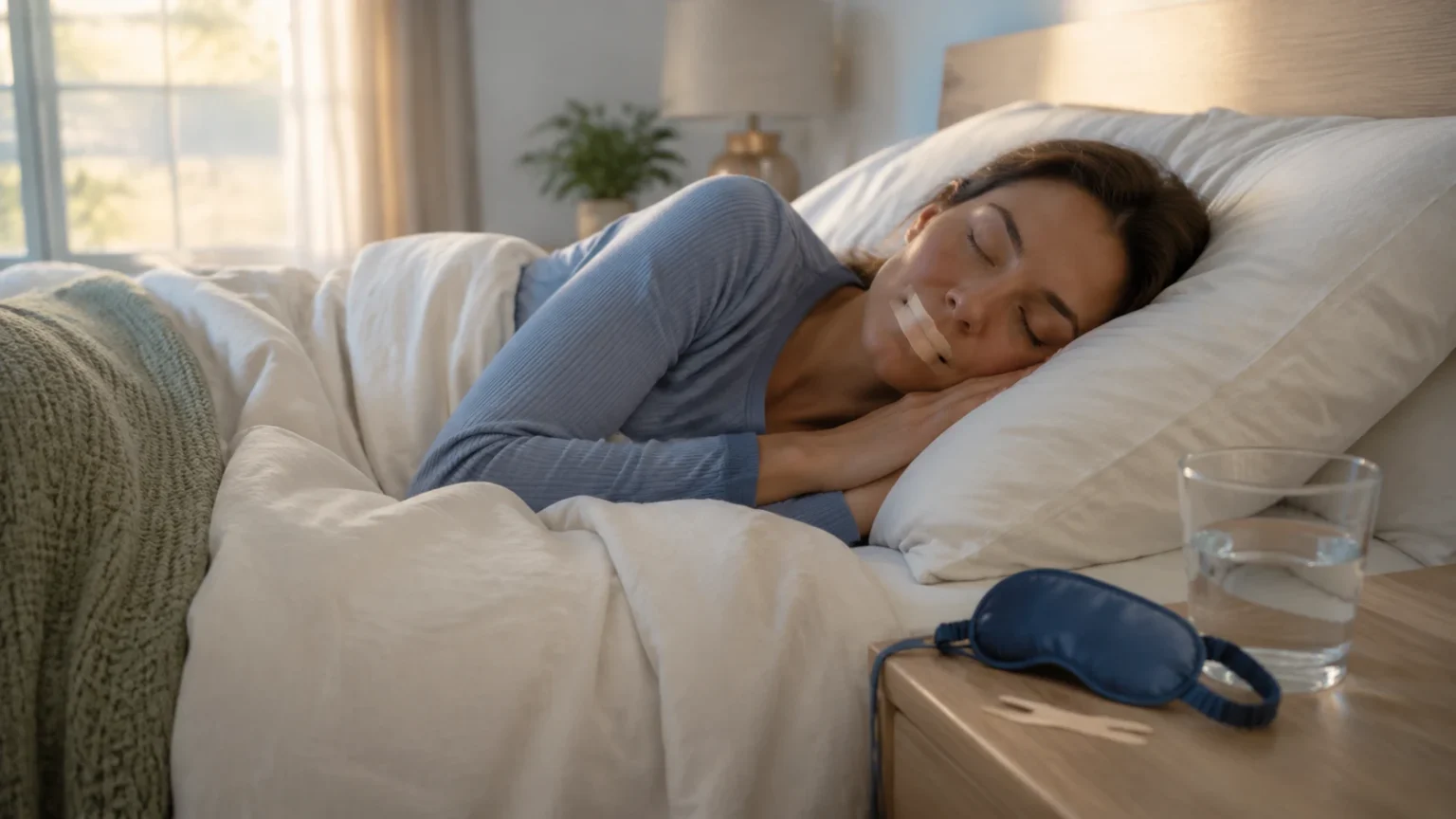

Mouth Taping: Benefits, Risks and Safer Alternatives
Mouth taping is a sleep trend that involves placing skin-safe tape across the lips before bed to encourage nasal breathing. It has become popular through social media, where people claim it can reduce snoring, prevent dry mouth, improve sleep quality, and even sharpen the jawline. The appeal is understandable: waking with a dry mouth, sore throat, or a snoring complaint can make anyone look for a simple solution. But a viral sleep hack is not automatically a safe or evidence-based treatment. Mouth taping may be uncomfortable or risky for people with nasal blockage, untreated sleep apnea, allergies, or other breathing issues.
This guide explains what mouth taping can and cannot do, who should avoid it, and what to try instead. The goal is not to shame anyone who has tried mouth tape, but to help you make a safer, more informed choice. Persistent mouth breathing or loud snoring often has an underlying cause worth addressing. Finding and treating that cause can improve sleep, breathing, oral health, and daytime energy more reliably than simply taping the mouth closed.
What Is Mouth Taping and Why Do People Try It?
Mouth taping means applying adhesive tape over the lips during sleep so that breathing is directed through the nose. Products marketed specifically for this purpose are usually described as gentle, breathable, and easy to remove. Some people use a small vertical strip over the center of the lips, while others use larger pre-cut mouth strips. The shared aim is to reduce open-mouth breathing at night. This practice is sometimes also called sleep mouth taping, mouth tape for snoring, or nasal breathing tape. It should not be confused with medically prescribed treatments for sleep-disordered breathing.
Many people try mouth taping because they wake with dry mouth, bad breath, a scratchy throat, or drool on the pillow. Mouth breathing can dry oral tissues because air moves directly across the mouth throughout the night. Nasal breathing naturally filters, warms, and humidifies incoming air before it reaches the lungs. That normal function helps explain why improving nasal airflow may feel more comfortable for some people. However, it does not prove that taping the lips shut is the best way to create that improvement. If the nose is blocked, the body may be using mouth breathing as a necessary backup route.
Snoring is another major reason people look into mouth tape. Snoring happens when airflow causes relaxed tissues in the upper airway to vibrate during sleep. Open-mouth breathing may contribute to snoring in some individuals, especially when they sleep on their back. Yet snoring can also be linked to nasal congestion, alcohol use, body position, enlarged tonsils, jaw anatomy, or obstructive sleep apnea. Because the causes vary, one DIY method will not work for everyone. Treating a symptom without understanding its cause can delay more effective care.
Social-media claims often go beyond sleep and snoring. Some posts suggest that mouth taping improves oxygen levels, raises energy, supports athletic performance, prevents cavities, or changes facial structure. Nasal breathing does have useful physiological roles, but those broader claims are not well supported by strong clinical evidence on mouth taping itself. There is no reliable evidence that sleeping with tape over your mouth reshapes an adult jawline or creates dramatic facial changes. A healthy-looking jawline is influenced by genetics, body composition, dental alignment, and skeletal anatomy. Promising permanent cosmetic changes from a strip of tape is misleading.
A more balanced way to think about mouth taping is as a trend built around a real issue: nighttime mouth breathing can be uncomfortable. The problem is that discomfort may arise from allergies, chronic nasal obstruction, a deviated septum, enlarged adenoids, sleep apnea, or dry indoor air. Closing the mouth may not solve any of those conditions. In some cases, it may make breathing feel more difficult or interrupt sleep. That is why medical professionals generally advise focusing on nasal airflow and sleep quality first. Mouth taping is not a substitute for a sleep evaluation, dental care, or treatment for chronic congestion.
Potential Mouth Taping Benefits: What the Evidence Actually Shows
The most commonly reported mouth taping benefit is less dry mouth upon waking. If a person can breathe comfortably through their nose all night, keeping the lips closed may reduce evaporation from oral tissues. Less dryness may also mean fewer morning throat symptoms and less unpleasant breath. Still, dry mouth can have many causes, including dehydration, medications, diabetes, alcohol, smoking, and certain autoimmune conditions. Tape does not address those causes. If dry mouth is frequent or severe, a dentist or clinician can help identify why it is happening.
Some small studies suggest mouth taping may reduce snoring in a limited group of people, particularly those with mild sleep-disordered breathing and clear nasal passages. These findings are not strong enough to establish mouth tape as a standard snoring treatment. The studies have generally involved small numbers of participants and different taping methods. That makes it hard to know who may benefit, how much benefit is realistic, or whether results last. A person who snores less for a few nights may still have breathing interruptions that are not obvious to a bed partner. Reduced sound is not the same as proven treatment for sleep apnea.
Nasal breathing itself can be beneficial because the nose filters particles, adds moisture, and warms inhaled air. It also helps regulate resistance in the airway and supports normal respiratory function. People sometimes assume mouth tape directly increases oxygen intake, but that conclusion is too simplistic. In a healthy person, oxygen levels depend far more on overall airway function, lung health, and sleep quality than on a piece of tape. If nasal breathing is difficult, forcing it may create distress instead of better oxygenation. Comfort and airflow matter more than following a one-size-fits-all breathing trend.
For some people using CPAP with a nasal mask, mouth opening can contribute to air leakage and dry mouth. In carefully selected situations, a sleep clinician may discuss ways to reduce this leak. Those options can include adjusting mask fit, changing humidity settings, using a chin strap, or switching to a full-face mask. Some clinicians may consider mouth tape in an individual treatment plan, but it should not be assumed to be safe for every CPAP user. A person should never alter prescribed sleep apnea treatment without professional guidance. Persistent CPAP leaks deserve troubleshooting, not guesswork.
The evidence also does not support the idea that mouth taping cures insomnia, anxiety, fatigue, or chronic health conditions. Better sleep may occur when someone addresses the actual reason they are restless, congested, or waking repeatedly. That could mean treating allergic rhinitis, improving bedtime habits, managing reflux, or receiving treatment for obstructive sleep apnea. People who feel better after trying mouth tape may have also changed their sleep schedule, position, or room environment. Personal experience can be meaningful, but it does not establish cause and effect. A cautious approach protects you from mistaking a temporary change for a dependable health solution.
Mouth Taping Risks You Should Know Before Bed
The most immediate mouth taping risk is difficulty breathing through the nose during sleep. Nasal airflow can change quickly due to allergies, a cold, sinus irritation, indoor dust, or a shift in sleeping position. A person who breathes comfortably through the nose at bedtime may become congested later in the night. If the mouth is taped shut, that can create a frightening sensation of air hunger. It may also lead to repeated awakenings and poorer sleep. Feeling trapped or unable to breathe is a clear reason to stop and seek medical advice.
Skin irritation is another common concern. The lips and skin around the mouth are delicate, and adhesives can cause redness, itching, rashes, cracking, or allergic contact dermatitis. Removing tape can also pull on facial hair or damage already dry, irritated skin. Strong household tapes are especially inappropriate because they are not designed for use on the face. Even products marketed as hypoallergenic can trigger reactions in sensitive people. Anyone with eczema, contact allergies, cold sores, skin injuries, or recent facial procedures should be particularly cautious.
Mouth tape may increase anxiety for people who dislike restricted breathing or have a history of panic symptoms. Sleep requires a sense of safety and comfort, so a method that causes worry can work against its intended purpose. Some people become more alert while trying to keep their mouth closed, then monitor their breathing instead of falling asleep. Others may wake during the night feeling claustrophobic or distressed. Interrupted sleep can worsen daytime fatigue, irritability, and concentration problems. A sleep tool should not leave you feeling afraid to go to bed.
There is also a risk of masking symptoms that deserve evaluation. Loud snoring, gasping, choking, morning headaches, restless sleep, and excessive daytime sleepiness can point to obstructive sleep apnea. This condition involves repeated airway narrowing or collapse during sleep, not merely an open mouth. Taping the mouth may reduce noise in some cases without solving the obstruction. That could give a false sense of reassurance while the underlying condition continues. Untreated sleep apnea is associated with important health risks and should be assessed by a qualified clinician.
The current evidence base for mouth taping remains limited, and experts advise against treating it as a proven sleep therapy. Cleveland Clinic notes that mouth taping can cause breathing difficulty, skin reactions, anxiety, and sleep disruption, especially for people with nasal obstruction or chronic congestion. It also emphasizes that available studies are small and do not provide enough evidence to recommend mouth tape for sleep disorders. Cleveland Clinic’s review of mouth taping offers a useful reminder: a short-term trend should not replace investigation of snoring or breathing concerns. Safety should come before convenience.
Who Should Avoid Mouth Taping?
People with suspected or diagnosed obstructive sleep apnea should not self-treat with mouth tape. Common warning signs include loud frequent snoring, choking or gasping during sleep, witnessed pauses in breathing, waking unrefreshed, and falling asleep unintentionally during the day. Obstructive sleep apnea requires proper assessment because treatment depends on severity, anatomy, symptoms, and other health factors. CPAP, oral appliance therapy, weight management, positional therapy, or surgery may be considered in selected cases. Tape does not replace any of these options. If sleep apnea is possible, a clinician or sleep specialist should guide the next step.
Anyone with chronic nasal congestion should avoid restricting mouth breathing without medical advice. This includes people with ongoing allergies, sinus problems, nasal polyps, a deviated septum, or frequent upper-respiratory infections. If the nose does not provide a dependable airway, mouth breathing may be compensating for an obstruction. Taping the mouth can make that situation feel worse rather than better. It is more useful to identify whether congestion is caused by allergies, structural issues, medication overuse, or another condition. Effective nasal treatment can improve both comfort and sleep quality.
Children should not use mouth tape unless a qualified pediatric clinician specifically recommends and supervises an approach. Children’s snoring, mouth breathing, restless sleep, behavioral changes, and daytime fatigue may be signs of enlarged tonsils, enlarged adenoids, allergies, or pediatric sleep apnea. Young children may also be less able to remove tape or explain discomfort during the night. Their airways and sleep needs differ from those of adults. A parent concerned about chronic open-mouth breathing should speak with a pediatrician, pediatric dentist, ENT specialist, or sleep professional. The safest plan is one that addresses the child’s individual cause.
People who drink alcohol near bedtime, use sedating medication, or take recreational substances should not use mouth tape. These substances can relax airway muscles, worsen snoring, reduce normal arousal responses, and impair the ability to react quickly to breathing discomfort. They may also make it harder to remove tape if a problem occurs. The same caution applies when someone is severely exhausted, ill, or experiencing a respiratory infection. Sleep-related breathing can become less stable under these conditions. Adding mouth restriction can create unnecessary risk.
Mouth taping is also a poor choice for people with certain heart or lung conditions, severe asthma symptoms, vomiting risk, panic-related breathing fears, or adhesive allergies. Pregnancy can increase nasal congestion and alter sleep, so it is sensible to discuss persistent snoring or breathing changes with a healthcare professional rather than rely on a trend. People who have recently had nasal, facial, or dental surgery should follow their clinician’s recovery guidance. If you cannot breathe freely through both nostrils while awake, do not attempt mouth taping at night. Your body is giving you useful information about your airway. Respecting that signal is safer than overriding it.
Is Mouth Taping Safe for Snoring or Sleep Apnea?
Mouth taping is not considered a first-line treatment for snoring. Snoring is common, but it is not always harmless or caused by mouth breathing. It can worsen with back sleeping, alcohol, weight changes, nasal congestion, smoking, or poor sleep habits. It may also occur because the soft palate, tongue, or throat tissues narrow the airway during sleep. Before trying to silence snoring, it helps to understand when and how it happens. A snoring diary, partner observations, and a medical discussion can reveal useful patterns.
For simple snoring without signs of sleep apnea, practical changes may help. Sleeping on the side can reduce airway collapse for many people who snore more on their back. Limiting alcohol close to bedtime may reduce tissue relaxation and nighttime noise. Maintaining a comfortable bedroom humidity level can ease nasal and throat dryness. Treating allergies or nasal congestion may improve airflow. These measures are less restrictive and often more sensible starting points than sleeping with tape on your lips.
Sleep apnea is different because it involves repeated breathing disruptions. Someone may stop breathing briefly, then partially wake to reopen the airway, often without remembering it the next morning. Snoring may be loud, but not everyone with sleep apnea snores every night. Other signs include high blood pressure, morning headaches, low mood, reduced concentration, nighttime urination, and unrefreshing sleep. A home sleep test or laboratory sleep study can help determine whether apnea is present. Getting an answer matters because treatment can improve both symptoms and long-term health.
If sleep apnea is diagnosed, a clinician may recommend CPAP, which uses gentle air pressure to keep the airway open. Other options can include a custom oral appliance for suitable cases, positional therapy, weight-related interventions, or treatment for anatomic obstruction. A custom oral appliance is different from mouth tape because it is professionally fitted and designed to change jaw or tongue position to support the airway. It also requires evaluation and follow-up. For some people with mild to moderate obstructive sleep apnea, oral appliance therapy can reduce symptoms and snoring. Cleveland Clinic’s overview of oral appliance therapy explains how these prescribed devices are evaluated and fitted.
Some CPAP users hear about mouth tape because air can escape through the mouth when using a nasal mask. The safest response is to tell the prescribing clinician or equipment provider about the leak. They can review mask type, pressure settings, humidifier use, strap fit, and possible alternatives such as a full-face mask. Dry mouth despite CPAP does not mean you should automatically tape your mouth. It may mean the mask is leaking, humidity needs adjustment, or nasal congestion needs treatment. A personalized solution is more likely to protect the effectiveness of your therapy.
Safer Alternatives to Mouth Taping for Better Night Breathing
Start by improving nasal comfort before bed. A saline nasal spray or rinse can help clear mucus and allergens for many people, provided it is used safely with sterile, distilled, or properly boiled and cooled water when rinsing. A warm shower, adequate hydration, and a clean bedroom may also reduce irritation. If allergies are a regular issue, ask a pharmacist or clinician about appropriate treatment options. Persistent one-sided blockage, recurrent sinus symptoms, or loss of smell deserves medical attention. Better nasal airflow is a more sustainable goal than forcing the mouth closed.
Nasal strips and external nasal dilators may help some people feel more open through the nostrils at night. These products work by gently lifting or supporting the outer nasal passages rather than restricting the mouth. They do not treat obstructive sleep apnea, but they may be useful for temporary congestion or mild snoring related to nasal resistance. Results vary based on nasal anatomy and the source of blockage. Choose products designed for skin use and stop if irritation occurs. If they provide no benefit, that is a reason to look deeper at the underlying problem.
Changing sleep position is another low-risk strategy. Back sleeping can allow the tongue and soft tissues to fall backward, narrowing the airway for some people. Side sleeping may reduce snoring and positional breathing problems. A supportive pillow or body pillow can make the position easier to maintain. Elevating the head slightly may help certain people with congestion or reflux, although it is not a universal solution. The best sleep position is one that is comfortable, sustainable, and appropriate for your health needs.
Good sleep hygiene can reduce factors that worsen snoring and fragmented sleep. Keep a consistent sleep and wake schedule whenever possible, and create a cool, dark, quiet bedroom. Avoid heavy meals, alcohol, and smoking close to bedtime. Regular physical activity can support sleep quality, though intense exercise right before bed may not suit everyone. If reflux is a problem, speak with a clinician about timing meals and managing symptoms. Small habit changes often make more difference than a single trendy product.
If chronic mouth breathing continues, consider whether a dentist, ENT specialist, allergist, or sleep specialist could help. Dentists can assess dry mouth, tooth decay risk, gum irritation, and other oral-health effects. ENT specialists can examine structural nasal concerns, enlarged tonsils, and sinus issues. Sleep specialists can evaluate snoring, insomnia, and possible apnea using a detailed history and appropriate testing. The right professional depends on your symptoms, but the key is to investigate rather than just cover the symptom. Long-term improvement begins with an accurate explanation.
How to Address Dry Mouth and Mouth Breathing at Night
Dry mouth can feel minor, but persistent symptoms can affect comfort, breath, speech, swallowing, teeth, and gums. Saliva helps wash away food particles and neutralize acids that contribute to cavities. When saliva is reduced overnight, bacteria can thrive more easily. That is one reason morning bad breath and dry mouth often occur together. Taping the lips may reduce airflow across the mouth for some people, but it does not reliably correct reduced saliva production. Addressing the cause remains the more protective approach.
Review your medications if dry mouth has become a regular issue. Many common medicines can reduce saliva, including certain antihistamines, antidepressants, blood-pressure drugs, decongestants, and bladder medications. Do not stop a prescribed medicine on your own. Instead, ask the prescribing clinician or pharmacist whether dry mouth is a known side effect and whether options exist. They may suggest a timing change, dose adjustment, or supportive oral-care strategies. Mention any new symptoms that began after starting a medication.
Hydration matters, but drinking excessive amounts of water right before bed can lead to waking to urinate. Aim for regular fluid intake throughout the day unless a clinician has given you different instructions. Keep water near the bed if you wake thirsty, and consider using a bedroom humidifier if the air is very dry. Avoid tobacco and limit alcohol, which can worsen oral dryness. Sugar-free gum or lozenges may support saliva production during the day, though they are not suitable while sleeping. A dentist may also suggest saliva substitutes or fluoride strategies if decay risk is high.
Oral hygiene becomes especially important when you wake with dry mouth. Brush twice daily with fluoride toothpaste, clean between teeth regularly, and attend routine dental appointments. Tell your dentist about frequent mouth breathing, snoring, medication use, and morning dryness. They may spot early signs of enamel wear, cavities, gum inflammation, or oral irritation. If you have bad breath that does not improve with good oral hygiene, it may be linked to dry mouth, gum disease, tonsil stones, sinus issues, or reflux. A targeted assessment is more useful than masking the symptom.
Consider tracking patterns for one to two weeks before an appointment. Note when dry mouth occurs, whether you snore, your sleep position, alcohol intake, allergy symptoms, medications, and daytime tiredness. This information can help a clinician distinguish between a temporary issue and a possible airway or sleep disorder. If a partner notices gasping or breathing pauses, record that detail too. Bring your observations without assuming mouth tape is the answer. A good evaluation can lead to practical, personalized options that improve both nighttime comfort and overall health.
When to See a Doctor About Snoring or Sleep Problems
Make an appointment if snoring is loud, frequent, or disruptive to your sleep or a partner’s sleep. Snoring alone does not confirm sleep apnea, but it is worth discussing when it is persistent. Be especially proactive if snoring has recently worsened or began alongside weight changes, new medication use, nasal symptoms, or daytime fatigue. Mention whether you wake with a dry mouth, sore throat, headache, or racing heart. A clinician can review your health history and decide whether further testing is appropriate. Early evaluation can prevent years of poor-quality sleep.
Seek prompt medical advice if someone observes pauses in your breathing, choking, gasping, or repeated abrupt awakenings. These are more concerning signs of obstructive sleep apnea or another sleep-related breathing problem. Excessive daytime sleepiness is also important, particularly if you feel drowsy while driving, working, or caring for children. Do not dismiss severe tiredness as simply being busy. Sleep deprivation and untreated apnea can affect reaction time, mood, memory, and cardiovascular health. A proper diagnosis is the safest route to effective treatment.
Nasal blockage that lasts for weeks should also be checked, especially if it is mostly on one side or accompanied by recurrent nosebleeds, facial pain, frequent sinus infections, or reduced smell. Chronic congestion may be caused by allergies, inflammation, structural differences, or another condition. Overusing decongestant nasal sprays can actually worsen congestion over time. A clinician can help you use these products appropriately and choose alternatives when needed. Clear nasal breathing is worth pursuing because it can improve comfort during the day as well as sleep. But it should be achieved through treatment, not force.
Dental symptoms can be another reason to seek care. Frequent dry mouth, cavities, gum soreness, bad breath, or tooth sensitivity may indicate that mouth breathing or reduced saliva is affecting oral health. Your dentist can provide preventive advice and refer you if they suspect a sleep or airway issue. A dentist may also recognize signs of teeth grinding, reflux, or oral appliance needs. Be honest about sleep habits, even if they seem embarrassing. Health professionals are there to help you identify patterns, not judge them.
Call emergency services if you experience severe breathing difficulty, chest pain, bluish lips, fainting, or other acute symptoms. Those signs should never be managed with a sleep product or online advice. For non-emergency concerns, start with a primary-care clinician, dentist, or sleep specialist based on your main symptom. Bring a list of medications, sleep observations, and questions about mouth taping if you have them. The best outcome is not simply quieter sleep; it is safer breathing and genuinely restorative rest. A thoughtful evaluation can help you get there.
The Bottom Line on Mouth Taping
Mouth taping may sound like a simple way to stop mouth breathing, dry mouth, or snoring, but the science behind its claimed benefits is still limited. Nasal breathing is valuable, yet forcing it by sealing the mouth does not solve the many possible causes of nighttime breathing problems. For some people, the tape may cause irritation, anxiety, breathing discomfort, or disrupted sleep. For others, it could hide symptoms of sleep apnea or chronic nasal obstruction. That makes it a poor first choice for most people.
If you wake with a dry mouth or your partner notices snoring, begin with safer steps. Support nasal comfort, sleep on your side, limit alcohol before bed, and consider a nasal strip if appropriate. Pay attention to symptoms such as gasping, choking, morning headaches, and severe daytime fatigue. Those symptoms point toward a need for medical evaluation rather than a DIY workaround. Addressing the underlying cause offers a better chance of long-term relief.
People using CPAP should speak with their sleep clinician if mouth leaks or dryness are interfering with treatment. Mask adjustments, humidification changes, chin straps, and full-face masks may offer safer solutions. Anyone with suspected sleep apnea should seek testing rather than rely on social-media claims. Custom oral appliances can be helpful for selected patients, but they should be professionally prescribed and monitored. Not every mouth-related sleep product serves the same purpose. The safest option is the one that matches your diagnosis.
Mouth taping should never be used with strong household tape or by children without specific medical direction. It is also not appropriate for people with chronic congestion, nasal obstruction, breathing disorders, sedative use, or adhesive sensitivity. If you are unable to breathe freely through your nose while awake, do not make your mouth your only restricted route at night. Your comfort and ability to breathe should always come first. Sleep should feel restorative, not restrictive.
Ultimately, better sleep is rarely about one hack. It is about understanding your body, improving your sleep environment, and seeking care when symptoms persist. Mouth taping may be a trending conversation starter, but it is not a proven cure for snoring, sleep apnea, jawline concerns, or chronic fatigue. Use curiosity as a reason to learn more, not as a reason to ignore warning signs. With safer alternatives and professional guidance when needed, you can work toward quieter, healthier, more comfortable sleep.
Frequently Asked Questions
Does mouth taping stop snoring?
Mouth taping may reduce snoring for a small number of people, but evidence is limited and it does not address every cause of snoring. Loud or frequent snoring should be evaluated for sleep apnea, congestion, or airway issues.
Is mouth taping dangerous?
It can be, especially if you have nasal blockage, allergies, sleep apnea, breathing problems, or adhesive sensitivity. It may cause skin irritation, anxiety, difficulty breathing, or disrupted sleep.
Can mouth tape treat sleep apnea?
No. Mouth tape is not a proven treatment for obstructive sleep apnea and may delay appropriate diagnosis or care. Sleep apnea should be evaluated by a qualified healthcare professional.
Does mouth taping improve your jawline?
There is no good scientific evidence that mouth taping changes an adult jawline or facial structure. Claims about permanent facial reshaping are largely marketing and social-media speculation.
What is a safer alternative to mouth taping?
Try addressing nasal congestion, using a nasal strip, sleeping on your side, avoiding alcohol near bedtime, and seeking care for persistent snoring or dry mouth. If sleep apnea is suspected, a sleep study is the safest next step.