
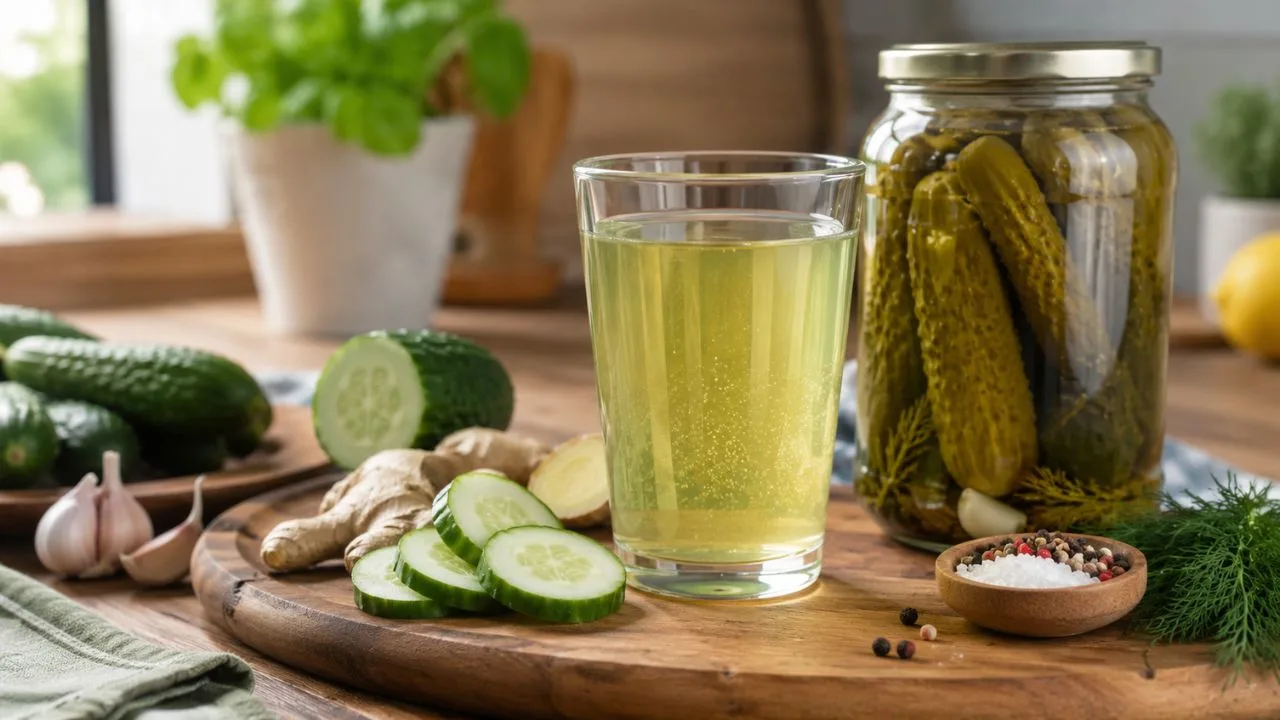

Pickle Juice Benefits: Learn What It Can and Cannot Do
Pickle juice benefits have attracted attention among athletes, people who experience muscle cramps, and anyone looking for a simple source of sodium after sweating. The salty liquid left in a pickle jar may contain water, salt, vinegar, seasonings, and small amounts of compounds released from the cucumbers.
The most promising evidence relates to short-term muscle-cramp relief. In a small laboratory study, pickle juice shortened the duration of electrically induced cramps compared with water. Researchers concluded that the rapid effect was unlikely to come from replacing electrolytes because it occurred before the liquid could be absorbed into the bloodstream.
Many other claims are less certain. Pickle juice is promoted for hydration, gut health, blood sugar control, weight loss, hangovers, and sleep, but direct research on these uses is limited. Studies involving vinegar or fermented foods cannot automatically be applied to every type of commercial pickle brine.
Pickle juice can also contain a substantial amount of sodium. Regularly drinking large servings may not be appropriate for people with high blood pressure, kidney disease, heart conditions, fluid restrictions, or a medically prescribed low-sodium diet. This guide explains the possible benefits, limitations, serving considerations, and safety concerns.
Quick Benefits Overview
Pickle juice may help shorten an active muscle cramp in certain situations. The sharp taste and acetic acid may stimulate nerves in the mouth and throat, producing a reflex that reduces excessive activity in the cramping muscle. This explanation is more likely than immediate electrolyte replacement.
Its sodium content may contribute to electrolyte intake after heavy sweating, but a small shot cannot replace all the fluid and minerals lost during prolonged exercise. Research found that small amounts of pickle juice did not fully replace exercise-related sodium, potassium, or fluid losses.
Fermented, unpasteurised pickle brine may contain live microorganisms, but ordinary shelf-stable vinegar pickles should not automatically be considered probiotic. Quick-process pickles are acidified with vinegar, whereas traditionally fermented pickles develop acid through bacterial activity over time.
Vinegar research suggests possible effects on post-meal blood glucose, but these studies did not establish that salty pickle juice treats diabetes. Any potential benefit must be weighed against the product’s sodium, added sugar, serving size, and the person’s overall health.
What Is Pickle Juice?
Pickle juice is the liquid used to preserve or ferment cucumbers and other vegetables. A typical commercial brine contains water, salt, vinegar, herbs, spices, and sometimes sugar, calcium chloride, preservatives, colours, or flavourings. Ingredients and nutrition can differ considerably between brands and recipes.
Quick-process pickles are made by adding an acid, usually vinegar, directly to cucumbers. Fermented pickles rely on beneficial microorganisms to convert natural carbohydrates into acids. These methods create different flavours, microbial profiles, and possible health characteristics.
The liquid is usually low in calories because it contains little fat or protein. However, it is not nutritionally equivalent to eating vegetables because it normally provides little fibre. Sweet pickle brine may contain more added sugar than sour or dill varieties.
Pickle juice should also not be confused with a specially formulated electrolyte drink. Sports beverages are normally designed to provide measured amounts of fluid, carbohydrates, and electrolytes. Brine is primarily a salty, acidic food-preservation liquid whose composition can vary widely.
Pickle Juice for Muscle Cramps
Pickle juice for cramps is the best-known and most researched potential use. In one controlled experiment, a small amount of pickle juice reduced the duration of electrically induced muscle cramps by approximately 37% compared with water. The effect occurred within roughly a minute.
The response happened too quickly to result from sodium travelling through the digestive system and reaching the muscle. Researchers proposed that the strong acidic taste activated receptors in the mouth or throat, which then influenced the nervous system and reduced motor-neuron activity.
Another randomised trial studied people with cirrhosis who regularly experienced cramps. Participants who took a sip of pickle brine when a cramp began reported a greater reduction in cramp severity than those who drank tap water. These results are encouraging but apply to a specific medical population.
Pickle juice does not appear to prevent every cramp. Cramps may be related to fatigue, altered neuromuscular control, medications, circulation, nerve conditions, pregnancy, or underlying illness. Repeated, severe, unexplained, or nighttime cramps should be discussed with a healthcare professional rather than treated only with brine.
Does It Prevent Cramps?
Evidence supporting pickle juice as a cramp-prevention drink is weaker than evidence for relieving an active experimentally induced cramp. Research has not shown that drinking it before exercise reliably prevents exercise-associated muscle cramping in everyone.
Exercise cramps are complex and are not always caused by a simple sodium shortage. Fatigue and changes in the nervous system’s control of muscle contraction may be important, especially when exercise intensity or duration exceeds what the body is prepared to handle.
A prevention plan should therefore include gradual training, suitable pacing, conditioning for the activity, adequate recovery, and an individual hydration strategy. People who lose unusually salty sweat or exercise for extended periods may need additional electrolytes, but the amount should match their actual losses.
Stretching the affected muscle remains a practical first response during many exercise cramps. Research involving people with cirrhosis has also found benefits from stretching and relaxation approaches, demonstrating that pickle juice is not the only non-drug strategy worth considering.
Pickle Juice Electrolytes
Pickle juice contains sodium because salt is essential to many pickling and fermentation processes. Sodium helps regulate fluid balance, nerve signalling, and muscle function. It is lost through sweat, particularly during prolonged activity in hot conditions.
Some brines also contain small quantities of potassium or other minerals, but their levels are usually less predictable than their sodium content. A product’s Nutrition Facts label is the most reliable way to evaluate the sodium, sugar, calories, and serving size in a specific bottle or jar.
The presence of sodium does not mean pickle juice provides a complete electrolyte profile. A study found that consuming a small serving did not fully replace the sodium, potassium, or fluid lost during exercise. It should not be used as the only recovery drink following significant dehydration.
Large amounts may provide more sodium than needed. The American Heart Association recommends no more than 2,300 milligrams of sodium daily for most adults and identifies 1,500 milligrams as an optimal target for many people. Pickles and related condiments can be major sodium sources.
Pickle Juice for Hydration
Pickle juice for dehydration is often promoted because sodium can help the body retain fluid. This can be useful when a person has lost both water and salt through prolonged sweating, but the high concentration and strong flavour make brine unsuitable as a primary hydration drink.
Water is generally the most practical choice for ordinary daily hydration and shorter exercise sessions. During prolonged endurance exercise, heavy sweating, extreme heat, or repeated activity, a balanced drink containing water and appropriate electrolytes may be easier to tolerate and dose accurately.
Small servings of pickle juice do not rapidly restore overall hydration. Research found that plasma electrolyte levels did not change immediately after participants drank 30 to 60 millilitres of brine, even though cramp effects had previously been reported within a similar timeframe.
Anyone with vomiting, diarrhoea, heat illness, confusion, fainting, very low urination, or severe weakness should not rely on home remedies alone. Significant dehydration may require properly formulated oral rehydration fluids or medical assessment, depending on its cause and severity.
Pickle Juice After a Workout
Drinking pickle juice after a workout may appeal to people who sweat heavily or develop cramps during demanding sessions. A small amount can contribute sodium and may provide a strong sensory trigger when an active cramp begins. It is not necessary for every exerciser.
A complete recovery plan should replace fluid, provide carbohydrates when needed, and include enough protein to support muscle repair. Pickle juice contains little or no meaningful protein, fibre, or recovery carbohydrate unless sugar has been added to the brine.
People completing a short gym session in a comfortable environment usually do not need a salty recovery shot. Normal meals and water commonly provide sufficient replacement. Excessive sodium after every workout can increase total daily intake without delivering additional performance benefits.
Endurance athletes should base hydration and electrolyte plans on exercise duration, temperature, sweat rate, body size, food intake, and personal tolerance. Testing any product during training is safer than using an unfamiliar concentrated brine for the first time during an important race.
Benefits for Gut Health
Pickle juice benefits for gut health depend largely on how the pickles were produced. Traditionally fermented pickles develop acidity through microorganisms, while quick-process pickles receive vinegar directly. These two products should not be treated as nutritionally identical.
Some refrigerated, naturally fermented products may contain live microorganisms. However, fermentation alone does not guarantee that a food contains a proven probiotic strain in a clinically meaningful amount. Probiotic benefits depend on the organism, dose, survival, product, and intended health outcome.
Pasteurisation and processing may reduce or remove live cultures. Shelf-stable pickles are often acidified or heat processed for safety and stability, so their brine may not provide the live bacteria consumers expect from a probiotic food.
Look for labels stating “naturally fermented,” “contains live cultures,” or “unpasteurised,” while remembering that these terms do not prove a specific medical benefit. People with weakened immune systems should ask a healthcare professional before intentionally increasing unpasteurised fermented foods.
Pickle Juice and Digestion
The sour flavour of pickle brine may stimulate saliva and make certain meals feel more appetising. Vinegar can also change the speed at which some carbohydrate-containing meals affect blood glucose, although individual digestive responses vary.
Pickle juice does not cleanse the digestive system or remove toxins. The body already processes and removes waste through organs such as the liver, kidneys, lungs, and gastrointestinal tract. Drinking a highly salty liquid does not improve this natural process.
Its acidity can worsen burning, reflux, nausea, or stomach discomfort in some people. Consuming concentrated vinegar-based brine on an empty stomach may be especially uncomfortable for someone with sensitive digestion or an existing upper-gastrointestinal condition.
Fermented brine can also produce bloating or digestive changes in sensitive individuals. Begin with a small serving rather than a full glass, and stop if it consistently causes pain, diarrhoea, reflux, vomiting, or other troublesome symptoms.
Blood Sugar Claims
Some people drink pickle juice before meals because its vinegar contains acetic acid. Reviews of controlled trials suggest that vinegar may modestly reduce post-meal glucose and insulin responses under certain conditions.
These findings do not prove that pickle juice prevents or treats diabetes. Studies have examined different vinegars, doses, meal types, populations, and durations. Pickle brine may also contain salt, sugar, preservatives, or flavourings that were not present in the researched interventions.
Sweet pickle juice may contain enough added sugar to work against the intended goal. Anyone interested in its possible blood-sugar effects should read the label carefully and avoid assuming that sour taste means the product is sugar free.
People taking insulin or glucose-lowering medicines should not use pickle juice to adjust their treatment without clinical guidance. Unexpected changes in meal composition, appetite, or glucose response can increase the risk of levels becoming too high or too low.
Pickle Juice for Weight Loss
Pickle juice weight-loss claims are mainly connected to vinegar rather than direct research on pickle brine. A recent umbrella review found small average changes in body weight across vinegar trials, but study quality, products, doses, and participant characteristics varied.
A low-calorie sour drink may replace a higher-calorie beverage for some people, but that does not make it a fat-burning product. Sustainable weight management depends more strongly on overall food intake, physical activity, sleep, health conditions, medicines, and long-term habits.
Drinking brine before meals could also increase thirst or cause temporary fluid retention because of its sodium. Changes on the scale after a salty meal or drink may reflect water balance rather than changes in body fat.
Use pickle juice as an occasional flavour ingredient rather than a weight-loss treatment. Adding a small amount to salad dressing, marinades, sauces, or savoury recipes may provide flavour without requiring a large serving of oil or sugar.
Pickle Juice Benefits for Women
Pickle juice benefits for women are generally the same as those for other adults. It may help some people with an active muscle cramp and can provide sodium after substantial sweating, but there is no strong evidence that it offers a unique hormone-balancing or reproductive benefit.
Cravings for salty or sour foods can occur for many reasons, including preference, habit, sweating, nausea, dietary restriction, or pregnancy-related taste changes. A craving alone does not diagnose a vitamin, mineral, hormonal, or electrolyte deficiency.
Pregnant people should consider total sodium intake, blood pressure, swelling, nausea, reflux, and individual medical advice. Pickle juice may be appealing during pregnancy, but large or frequent servings can add substantial salt without providing the nutrients found in a balanced snack.
Menstrual cramps are different from exercise-associated skeletal muscle cramps. Research showing a fast effect on experimentally induced muscle cramping does not establish that pickle juice relieves uterine menstrual pain. Persistent or severe menstrual symptoms should receive appropriate medical assessment.
Pickle Juice Before Bed
Some people drink pickle juice before bed to prevent nighttime leg cramps. Evidence mainly supports a possible effect when a cramp is already occurring, not reliable prevention throughout the night. Research in specific clinical populations should not be applied automatically to everyone.
A salty drink close to bedtime may increase thirst and cause someone to wake to drink water or use the bathroom. Acidic brine may also worsen nighttime reflux, particularly when consumed shortly before lying down.
Recurring night cramps can be associated with muscle fatigue, pregnancy, medicines, nerve problems, circulation changes, or other conditions. Review persistent symptoms with a healthcare professional, especially when they occur with weakness, numbness, swelling, or severe pain.
Gentle stretching, appropriate activity, suitable footwear, and addressing medication or medical causes may be more useful than automatically taking pickle juice each night. A small amount at cramp onset can be discussed with a clinician when sodium intake is not restricted.
Does It Help a Hangover?
Pickle juice is sometimes presented as a hangover cure because it contains salt and water. Alcohol can contribute to fluid loss, but hangovers also involve sleep disruption, inflammation, stomach irritation, and the effects of alcohol metabolism.
Brine does not speed the removal of alcohol or reverse intoxication. Only time allows the body to process alcohol. Drinking pickle juice before driving or working cannot make an intoxicated person safe or restore normal reaction time.
Its acidity may make nausea, reflux, or stomach irritation worse. A high-sodium drink can also increase thirst, particularly when a person has already consumed salty food alongside alcohol.
For recovery, stop drinking alcohol, use water or an appropriate rehydration beverage, eat tolerable food, and rest. Confusion, slow or irregular breathing, repeated vomiting, seizures, inability to wake, or blue or pale skin can indicate alcohol poisoning and require emergency help.
How Much Pickle Juice to Drink
There is no universally recommended daily serving because pickle juice is a food product rather than an essential supplement. Research on acute cramps has often used relatively small amounts instead of full glasses.
For a healthy adult trying it for an active exercise cramp, a small sip or approximately 30 to 60 millilitres is more consistent with studied amounts than drinking an entire cup. More is not necessarily more effective and can substantially increase sodium intake.
Check the label before choosing a serving. Compare the stated serving size with the milligrams of sodium and any added sugar. Remember to include the sodium consumed from meals, snacks, sauces, packaged foods, and other drinks throughout the same day.
Do not establish a daily pickle-juice routine for a medical condition without professional advice. A doctor or registered dietitian can help determine whether the potential benefit justifies the sodium based on blood pressure, kidney function, medicines, exercise habits, and dietary needs.
Possible Side Effects
The most immediate side effects are thirst, bloating, stomach discomfort, nausea, reflux, and temporary water retention. These reactions are more likely after large servings or when the brine is consumed quickly on an empty stomach.
High sodium intake can raise blood pressure and increase the risk of heart disease and stroke over time. Limiting sodium is particularly important for people who already have high blood pressure.
Acidic liquids may irritate the mouth, throat, oesophagus, or stomach. Frequent direct exposure can also affect tooth enamel, so pickle juice should not be held or swished around the teeth like a mouth rinse.
Some products contain added colours, sweeteners, preservatives, garlic, spices, or chilli. A reaction may therefore involve another ingredient rather than the vinegar or salt itself. Stop drinking the product and seek advice if it causes swelling, breathing problems, hives, severe pain, or repeated vomiting.
Who Should Avoid It?
People with high blood pressure should be cautious because consuming too much sodium can increase blood pressure. Those already following a low-sodium eating plan should not add pickle juice regularly without checking whether it fits their prescribed limit.
Many people with chronic kidney disease need to limit sodium to manage blood pressure, swelling, and fluid balance. Kidney-friendly eating plans depend on disease stage, laboratory results, medicines, dialysis status, and other individual factors.
People with heart failure, fluid restrictions, severe reflux, stomach ulcers, or salt-sensitive conditions should ask their healthcare team before using salty brine as a routine drink. The same caution applies to anyone taking medicine that affects fluid, sodium, potassium, or blood pressure.
Children should not receive concentrated pickle juice as a routine health supplement. Their sodium needs are lower than those of adults, and many children already consume more sodium than recommended through ordinary foods.
How to Choose Pickle Juice
Start by reading the ingredients and Nutrition Facts panel. Choose a product with a short ingredient list and compare sodium per serving. Reduced-sodium options may be more suitable when the drink is being used for flavour rather than heavy sweat replacement.
Check for added sugar, particularly in sweet, bread-and-butter, and flavoured varieties. Sugar levels can vary considerably, and a sweetened brine may not suit someone specifically seeking a low-sugar product.
For possible live cultures, look for refrigerated, naturally fermented, and unpasteurised products that explicitly mention active cultures. Quick-process vinegar pickles and many shelf-stable products are not equivalent to live fermented brine.
Use clean utensils when taking brine from a jar, keep the product refrigerated when required, and follow the manufacturer’s storage guidance. Do not drink from a jar that smells spoiled, has an unexpected appearance, is leaking, or has been stored incorrectly.
Healthy Ways to Use It
You do not have to drink pickle juice directly to use it. A tablespoon can add acidity and seasoning to salad dressing, potato salad, grain bowls, coleslaw, marinades, soups, and savoury sauces.
Mixing a small quantity into a larger recipe spreads the sodium across several servings. It also allows you to reduce other salty ingredients, such as table salt, bottled sauce, or seasoning mixes.
Brine can tenderise and flavour chicken, fish, tofu, or vegetables before cooking. Keep raw-food marinades separate from ready-to-eat foods, and discard any liquid that has contacted raw meat unless it is cooked safely as part of the recipe.
You can also dilute a small amount with water when you want the flavour without taking a concentrated shot. Dilution reduces acidity per sip but does not remove the sodium, so the Nutrition Facts label remains important.
Common Pickle Juice Myths
The first myth is that pickle juice instantly rehydrates the body. Its rapid cramp effect appears to involve a nerve reflex, while studies show that blood sodium does not rise immediately after a small serving.
The second myth is that every pickle brine contains probiotics. Only particular fermented products may contain live organisms, and processing or pasteurisation can change microbial survival. Quick vinegar pickles are not produced through the same bacterial fermentation process.
The third myth is that drinking more produces greater benefits. Most cramp research used small volumes, and repeated large servings can add unnecessary sodium, increase thirst, and irritate the stomach.
The final myth is that pickle juice cures diabetes, causes rapid weight loss, detoxifies the body, or eliminates hangovers. Current evidence does not support these claims, and vinegar research should not be presented as proof that every commercial brine treats a health condition.
Conclusion: Use Pickle Juice Carefully
Pickle juice benefits are most credible for short-term relief of certain active muscle cramps. A small amount may stimulate a nerve reflex in the mouth and throat that reduces cramping more quickly than water in some situations.
Its sodium may contribute to electrolyte intake, but pickle juice is not a complete hydration or recovery drink. It does not provide enough water, carbohydrates, protein, or balanced minerals to replace everything lost during prolonged exercise.
Claims involving probiotics, blood sugar, and weight loss require additional caution. Some naturally fermented products may contain live cultures, and vinegar research has identified possible metabolic effects, but direct evidence for ordinary pickle juice remains limited.
Use a small serving, read the sodium and sugar information, and pay attention to how your body responds. People with high blood pressure, kidney disease, heart problems, reflux, or fluid restrictions should obtain personalised advice before making pickle juice part of a regular routine.
Frequently Asked Questions
What are the main pickle juice benefits?
The strongest evidence suggests that a small amount may shorten certain active muscle cramps. It can also provide sodium after sweating, but it is not a complete hydration or nutrition drink.
How much pickle juice should you drink for cramps?
Studies have generally used small amounts rather than full glasses. Approximately 30 to 60 millilitres may be enough to test, but people with sodium restrictions should speak with a healthcare professional first.
Is pickle juice good for gut health?
Only naturally fermented, unpasteurised products may contain live microorganisms. Most shelf-stable vinegar brines should not automatically be treated as probiotic drinks.
Can pickle juice help with weight loss?
There is no strong direct evidence that pickle juice produces meaningful fat loss. It may be low in calories, but sustainable weight management depends on the overall diet and lifestyle.
Is it safe to drink pickle juice every day?
A small amount may be tolerated by healthy adults, but daily use can add substantial sodium. People with high blood pressure, kidney disease, heart conditions, or fluid restrictions should avoid routine use without medical guidance.