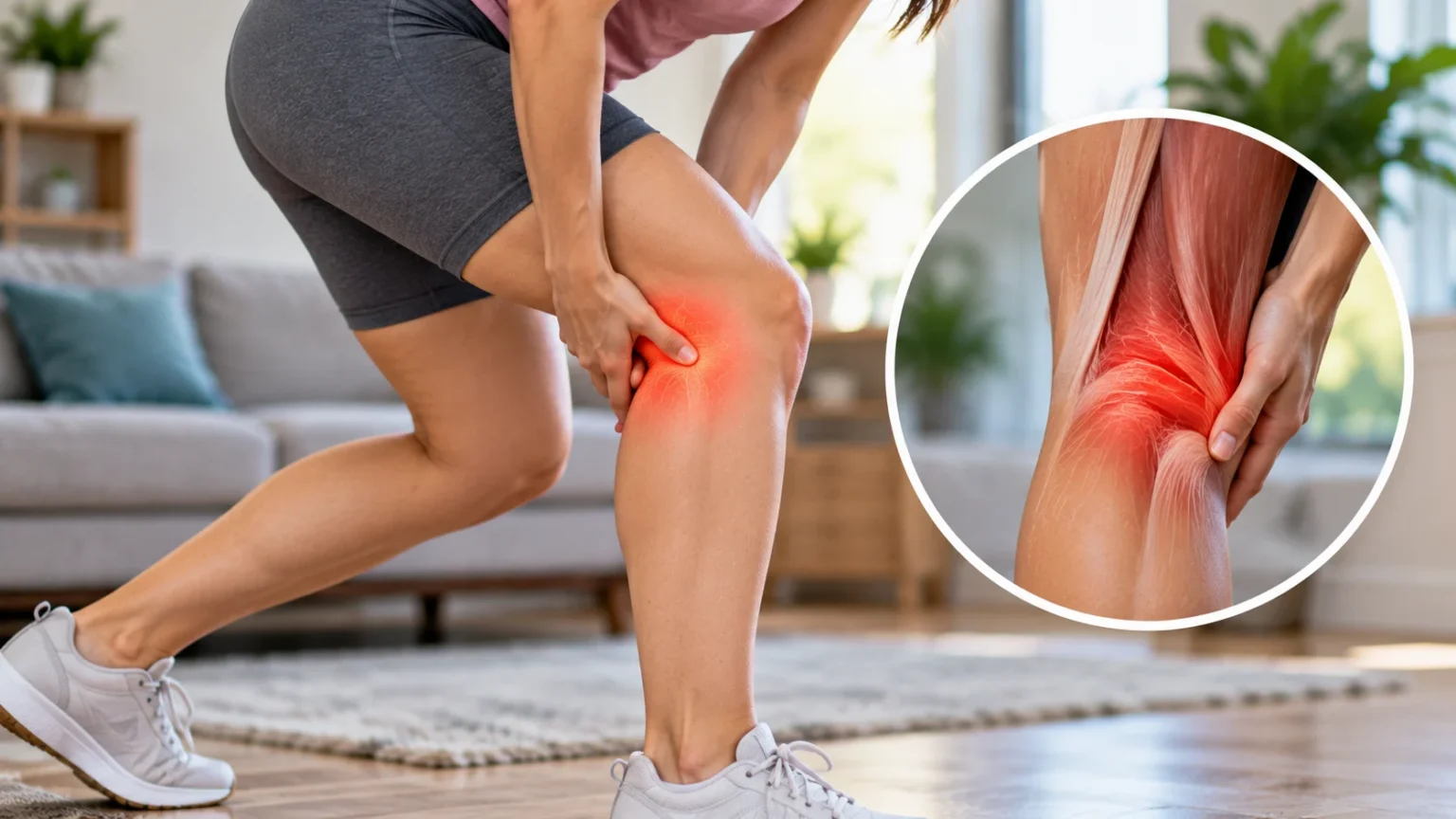

Pain behind the knee when bending can make everyday activities such as walking, squatting, climbing stairs, or getting out of a chair uncomfortable. The sensation may feel like tightness, pressure, aching, pulling, or sharp pain depending on what is causing it. In some cases, symptoms appear after exercise, while in others they develop gradually without an obvious injury.
Several structures sit around the back of the knee, including tendons, muscles, ligaments, nerves, blood vessels, and fluid-filled tissues. Because these structures work together during knee flexion and extension, discomfort in one area can become especially noticeable when the knee bends. Swelling, stiffness, weakness, or a feeling of fullness can provide additional clues.
Many cases of mild posterior knee pain improve with activity modification, gentle movement, and gradual strengthening. However, sudden swelling, significant injury, inability to bear weight, or symptoms suggesting a circulation problem require more caution. Below, we explain common causes of back of knee pain when bending, practical relief options, and when professional assessment may be needed.
Why Does the Back of My Knee Hurt When I Bend It?
Bending the knee changes pressure and tension across several tissues behind the joint. Tendons and muscles shorten or stretch, while the joint surfaces and surrounding structures move closer together. If one of these areas is irritated, deeper knee flexion may reproduce discomfort more strongly than standing with the leg relatively straight.
The pain may come from overworked hamstrings, calf muscles, a Baker’s cyst, meniscus irritation, tendon problems, or another knee condition. Recent exercise, running, squatting, kneeling, or sudden increases in activity can provide useful clues. The exact location and whether swelling is present can help narrow down the possibilities.
Pain that occurs only at the deepest part of a squat may have a different explanation from pain that happens during normal walking. Notice whether the knee catches, locks, feels unstable, or becomes swollen afterward. These additional symptoms are often more informative than pain intensity alone when identifying what may be happening.
Can a Hamstring Problem Cause Pain Behind the Knee?
The hamstring muscles run along the back of the thigh, and some of their tendons attach close to the knee. Strain, overuse, or tendon irritation can therefore cause discomfort near the back or inner side of the knee. Symptoms may become noticeable during running, bending forward, climbing stairs, or forcefully bending the knee.
A mild hamstring strain may feel like pulling, tightness, or tenderness, while a more significant injury can cause sudden sharp pain. Bruising, weakness, or difficulty walking may occur when more muscle fibers are affected. Pain is often easier to reproduce when the hamstring contracts strongly or is stretched.
Early management usually involves reducing activities that clearly aggravate the injured area. As symptoms improve, gradual strengthening can help rebuild capacity in the hamstrings and surrounding muscles. Significant bruising, severe weakness, or a sudden injury that prevents normal walking should be assessed by a healthcare professional.
Can a Baker’s Cyst Cause Pain When Bending the Knee?
A Baker’s cyst is a fluid-filled swelling that can form behind the knee. It often develops when extra joint fluid is pushed into a small sac in the back of the joint. The cyst may create a feeling of fullness, tightness, or pressure that becomes more noticeable when bending or fully straightening the knee.
Some Baker’s cysts cause very few symptoms, while others make deep knee flexion uncomfortable. You may notice a soft or firm lump behind the knee, particularly when standing. The underlying reason for increased joint fluid, such as arthritis or another knee problem, is often more important than the cyst itself.
A healthcare professional can help determine whether swelling behind the knee is actually a Baker’s cyst. Other conditions can produce similar symptoms, so self-diagnosis based only on a lump or feeling of fullness is not ideal. Treatment often focuses on addressing the underlying knee irritation rather than simply trying to reduce the cyst.
Can Meniscus Problems Cause Pain Behind the Knee?
The menisci are cartilage structures inside the knee that help distribute load and support joint stability. A meniscus injury can occur during twisting, deep squatting, or sports movements, although degenerative changes can also develop gradually. Pain may be felt along the joint line and can sometimes extend toward the back of the knee.
Deep bending often increases pressure within the knee joint, which may make meniscus-related symptoms more noticeable. Some people experience catching, clicking, locking, or a feeling that the knee does not move smoothly. Swelling may develop immediately after an injury or appear several hours later.
Not every click or pop indicates a meniscus tear, and many knees make harmless noises. However, repeated locking, significant swelling, or inability to fully bend or straighten the knee deserves assessment. A clinician can examine the joint and determine whether imaging or specific rehabilitation may be appropriate.
Can Calf or Popliteus Tightness Cause Posterior Knee Pain?
The calf muscles cross the back of the knee, so tightness or strain in the upper calf can sometimes feel like knee pain. This may happen after running, jumping, climbing hills, or suddenly increasing activity. Tenderness may be located slightly below the knee rather than directly inside the joint.
The popliteus is a smaller muscle at the back of the knee that helps control movement during bending and rotation. Irritation in this area can sometimes produce localized posterior knee discomfort, particularly during running or changes of direction. Because the muscle is deep, it can be difficult to identify without an examination.
Gentle mobility and gradual strengthening may help when symptoms are clearly muscular and mild. Avoid aggressively stretching into sharp pain simply because the area feels tight. Persistent discomfort or pain following a sudden sports injury should be evaluated so ligament, meniscus, and other joint problems are not overlooked.
Can Arthritis Cause Pain Behind the Knee?
Arthritis can cause aching, stiffness, swelling, and reduced movement throughout the knee joint. Although many people notice pain around the front or sides of the knee, discomfort can also be felt toward the back. Bending deeply may increase pressure within an already irritated joint and make symptoms more noticeable.
Osteoarthritis often develops gradually and may cause stiffness after resting or sitting for long periods. The knee may feel uncomfortable when standing from a chair, climbing stairs, squatting, or walking longer distances. Swelling can fluctuate depending on activity levels and how irritated the joint becomes.
Exercise and strengthening are often useful for maintaining joint function, but the appropriate program depends on symptom severity. If knee pain is progressively worsening, significantly limiting movement, or repeatedly swelling, professional assessment can help clarify whether arthritis or another joint condition is contributing.
How Activity and Daily Habits Can Affect Knee Pain
Sudden changes in training are a common reason the tissues around the knee become irritated. Increasing running distance, squat volume, hiking time, or sports frequency too quickly can overload muscles and tendons before they adapt. Pain behind the knee may therefore appear even without one dramatic injury.
Long periods of sitting with the knee deeply bent can also make some conditions feel more uncomfortable. Regularly straightening the leg, standing, and walking may reduce temporary stiffness. The goal is not to avoid bending altogether but to prevent one position from becoming the only posture used for hours.
Major lifestyle changes can alter daily movement patterns as well. For example, new parents may spend more time sitting, lifting, carrying, and moving differently during postpartum recovery. When activity patterns change quickly, paying attention to load, recovery, and gradual strengthening can help reduce strain throughout the body.
How to Relieve Mild Pain Behind the Knee at Home
If the pain is mild and clearly connected with activity, reducing the aggravating movement for a short period may help. You may need to limit deep squats, running, jumping, or repeated kneeling while symptoms settle. Complete bed rest is usually unnecessary when normal walking remains comfortable.
Cold therapy may feel useful after a recent activity-related flare or when mild swelling is present. Wrap a cold pack in cloth and use it for a short period rather than placing ice directly against the skin. Heat may feel more comfortable when the surrounding muscles feel stiff rather than acutely irritated.
Gentle walking can help maintain movement if it does not worsen symptoms. Start with shorter distances and monitor how the knee feels later that day and the following morning. If pain steadily increases despite reducing activity, self-care alone may not be enough and professional evaluation may be appropriate.
Gentle Stretches for Back of Knee Tightness
A mild hamstring stretch may help when the back of the thigh feels tight. Place your heel on a low surface, keep your spine relatively neutral, and hinge forward gently from the hips. You should feel comfortable tension rather than sharp pain directly behind the knee.
A calf stretch can also be useful when upper-calf tightness contributes to discomfort. Stand facing a wall with one leg behind you, keep the heel down, and lean forward gradually. Repeat with the back knee slightly bent to change which calf muscles are emphasized.
Stretching should not be forced when the knee is swollen, recently injured, or painful during basic movement. Aggressive stretching can aggravate certain tendon, joint, or meniscus problems. If a stretch consistently reproduces sharp pain or catching, stop and focus on comfortable movement until the cause is clearer.
Strengthening Exercises That May Help
Bridges are a simple exercise for strengthening the glutes and hamstrings without requiring deep knee bending. Lie on your back with your knees bent, tighten your abdominal muscles gently, and lift your hips. Lower slowly and stop if you experience sharp pain behind the knee.
Controlled sit-to-stands can help rebuild leg strength while allowing you to choose a comfortable knee range. Start from a higher chair if deeper bending hurts, then gradually use a lower surface as movement becomes easier. Keep the feet supported and distribute weight evenly between both legs.
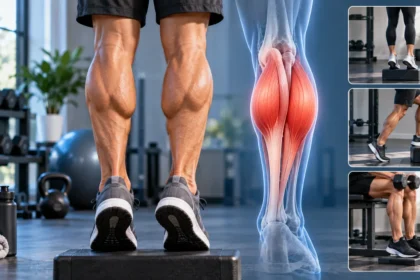
Calf raises can strengthen muscles that cross or support the knee and ankle. Hold onto a stable surface, rise onto your toes, pause briefly, and lower with control. Exercise should feel manageable, and the number of repetitions or resistance should increase gradually rather than jumping immediately to high loads.
How to Prevent Back of Knee Pain During Exercise
Warm up before demanding lower-body activity by gradually increasing movement intensity. Walking, easy cycling, bodyweight exercises, or lighter versions of your planned movements can prepare the legs for harder work. A warm-up cannot prevent every injury, but it provides a smoother transition into training.
Progress training volume gradually. Increasing running mileage, squat depth, resistance, or sports frequency too quickly can place more load on the knee than surrounding tissues are prepared to tolerate. Smaller increases give muscles, tendons, and joints more time to adapt.
Recovery matters too. Repeated hard sessions without enough rest can create fatigue and make small aches more noticeable. Sleep, nutrition, hydration, and appropriate spacing between demanding workouts support recovery and can make it easier to recognize when normal fatigue is turning into persistent pain.
When Could Back of Knee Pain Be a Blood Clot?
A blood clot in a deep vein can cause pain in the leg, including around the calf or behind the knee. Possible symptoms include swelling in one leg, warmth, tenderness, or changes in skin color. These symptoms require more caution than ordinary muscular soreness, particularly when there is no clear injury.
Risk may be higher after long periods of immobility, certain surgeries, pregnancy, previous clots, or some medical conditions. Not every swollen or painful leg is caused by a blood clot, but it is important not to massage or exercise aggressively when a clot is a possibility.
Seek urgent medical care if leg pain or swelling occurs with chest pain, sudden difficulty breathing, coughing blood, dizziness, or fainting. These symptoms can indicate a serious complication and require immediate assessment. Home stretching or strengthening is not appropriate when a circulation emergency may be present.
When Should You See a Doctor for Back of Knee Pain?
Seek medical attention after a significant injury if you cannot bear weight, the knee becomes rapidly swollen, or there is obvious deformity. A sudden popping sensation followed by instability or severe pain may indicate a ligament, tendon, or other joint injury that needs assessment.
Persistent catching, locking, or inability to fully straighten the knee also deserves professional evaluation. These symptoms may suggest a mechanical problem inside the joint. Numbness, increasing weakness, or pain traveling down the leg may indicate nerve involvement rather than a simple local muscle problem.
Pain that continues for several weeks, repeatedly worsens, or interferes with everyday activities should also be checked. Fever, significant redness, unexplained swelling, or night pain are additional reasons to seek medical advice. A proper diagnosis can guide rehabilitation more effectively than repeatedly guessing at the cause.
Conclusion
Back of knee pain when bending can come from hamstring or calf problems, a Baker’s cyst, meniscus irritation, arthritis, overuse, or other structures around the joint. The location, type of pain, swelling, and recent activity all provide useful clues about what may be contributing.
Mild symptoms often improve with temporary activity modification, comfortable movement, gentle stretching, and gradual strengthening. Avoid forcing deep knee flexion when it consistently causes sharp pain. As symptoms settle, progressively rebuilding strength and movement tolerance can help you return to normal activity more comfortably.
Seek professional help for severe pain, major swelling, inability to bear weight, repeated locking, progressive weakness, or symptoms that do not improve. One-sided leg swelling with breathing difficulty or chest pain requires urgent attention. Identifying the underlying cause is the safest way to choose appropriate treatment.
FAQs
Why Does the Back of My Knee Hurt When I Squat?
Deep squatting increases pressure and tension around structures behind the knee. Hamstring irritation, meniscus problems, joint swelling, or a Baker’s cyst may make this position uncomfortable.
Can Tight Hamstrings Cause Pain Behind the Knee?
Yes. Hamstring muscles and tendons attach close to the back of the knee, so tightness, overuse, or strain can cause pulling or aching during bending and activity.
Is Walking Good for Back of Knee Pain?
Gentle walking may be appropriate when it does not significantly worsen symptoms. Reduce distance or pace if pain increases, swelling develops, or the knee feels unstable afterward.
Can a Baker’s Cyst Go Away on Its Own?
Some Baker’s cysts become smaller as the underlying knee irritation improves. Persistent swelling, pain, or restricted movement should be evaluated to identify what is causing excess joint fluid.
When Is Pain Behind the Knee Serious?
Seek care for severe injury, major swelling, inability to bear weight, locking, progressive weakness, or one-sided leg swelling. Chest pain or breathing difficulty with leg symptoms requires urgent medical attention.