

Electrolysis Hair Removal: Cost, Results and Risks
Electrolysis hair removal is a professional procedure designed to permanently destroy individual hair follicles. It is often chosen by people who are tired of shaving, waxing, plucking, or dealing with recurring ingrown hairs. Unlike laser hair removal, electrolysis can work on every hair color, including blonde, gray, red, and white hair. It can also be used on all skin tones because it does not rely on targeting pigment in the hair. However, it requires patience, multiple appointments, and an experienced electrologist.
Electrolysis can be especially useful for small, stubborn areas such as the upper lip, chin, eyebrows, jawline, bikini line, fingers, toes, or around scars and tattoos. It may also be an option for people with hormonal facial hair growth related to polycystic ovary syndrome, menopause, or other endocrine changes. The procedure is not instant, and costs can add up over time. Understanding how it works, what affects treatment length, and how to minimize risks can help you decide if it is worth it.
What Is Electrolysis Hair Removal?
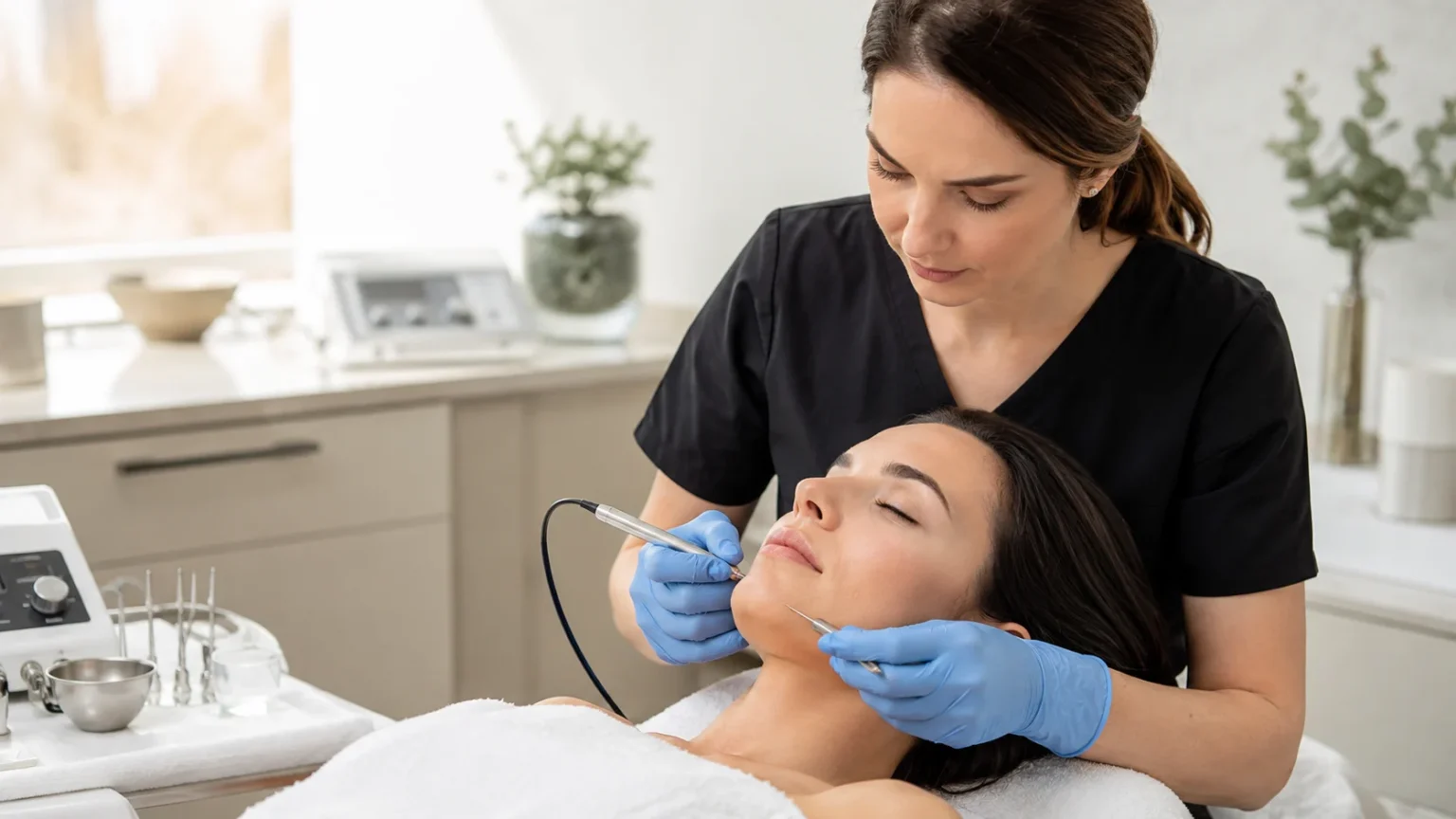
Electrolysis is a method of permanent hair removal that treats one hair follicle at a time. During treatment, a trained electrologist inserts an extremely fine sterile probe into the natural opening of the hair follicle. The probe delivers a small amount of electrical energy to damage the cells responsible for hair growth. The hair is then gently removed with tweezers. When the follicle has been effectively treated, it should not produce another hair. The process is repeated across the treatment area.
The procedure does not involve pulling hair out with electricity. Instead, the probe targets the follicle beneath the skin’s surface. This is why electrolysis should be performed by a properly trained professional rather than attempted with unregulated home devices. The follicle must be treated at the correct depth, angle, and intensity. Poor technique can make treatment more uncomfortable or increase the risk of skin irritation. A skilled electrologist will adjust the treatment based on the hair, area, and your skin response.
Electrolysis is often described as the only method recognized for permanent hair removal, while laser treatment is generally described as permanent hair reduction. This distinction matters. Laser treatment can significantly reduce the number of hairs in an area, but some hair may regrow over time and maintenance sessions may be needed. Electrolysis aims to permanently destroy each treated follicle. It is slower than laser because every hair receives individual attention. That trade-off makes it especially useful for smaller areas or hairs that laser cannot effectively target.
There are three main electrolysis modalities: galvanic electrolysis, thermolysis, and blend electrolysis. Galvanic electrolysis uses a chemical reaction inside the follicle to destroy growth cells. Thermolysis uses heat created by a high-frequency current. Blend electrolysis combines both methods and may be used for certain hair types or treatment goals. The best modality depends on the practitioner’s training, your hair texture, skin sensitivity, and the treatment area. You do not need to choose the technical method alone; a qualified electrologist can explain their approach during consultation.
Electrolysis can treat hair nearly anywhere on the body, although certain areas are more sensitive than others. Facial areas, the bikini line, underarms, abdomen, legs, chest, back, and hands can all be treated. The exact plan varies based on how much hair is present and how quickly new hairs emerge. Electrolysis does not permanently stop new follicles from becoming active due to hormones, genetics, age, or medication changes. It permanently treats follicles that are successfully destroyed. This is why some people may need occasional sessions in the future if new hair growth appears.
How Electrolysis Hair Removal Works
Hair grows in cycles, and electrolysis works best when a hair is in an active growth stage called anagen. At this stage, the hair is attached to the follicle and can be effectively treated. Not all hairs are in the same stage at the same time, even within a small area. That is why repeat appointments are necessary. A hair that is not visible or active during one session may emerge later. Regular treatment allows the electrologist to gradually clear each new cycle of growth.
The electrologist first cleans the treatment area and assesses your skin and hair. In many cases, the hair needs to be long enough to remove after the follicle is treated. This means you may need to avoid plucking, waxing, or threading before an appointment. Shaving is usually allowed because it cuts hair at the surface without removing the root. However, providers may give different instructions based on the area being treated. Always follow the plan provided by your electrologist.
During the appointment, you may feel a brief warming, stinging, tingling, or pinching sensation with each treated follicle. Pain tolerance varies significantly from person to person. Areas with thinner skin or more nerve endings, such as the upper lip, bikini line, or jawline, may feel more sensitive. Some clinics use cooling measures or topical numbing options for comfort. Ask ahead about pain-management choices, especially if you have had difficulty tolerating cosmetic procedures in the past. Do not apply numbing products without checking with the provider first.
Treatment sessions can range from a few minutes to more than an hour. Small areas such as the upper lip may be treated in short appointments, while larger areas may require longer or more frequent sessions. A practitioner may clear visible hairs during each visit, then work through new growth over time. The total number of sessions depends on hair density, growth cycles, hormonal factors, and your consistency with appointments. Missing long stretches between sessions can extend the timeline. Regular treatment helps reduce the total amount of active hair over time.
After each follicle is treated, the hair should slide out with little resistance. If hair must be pulled or tugged, the follicle may not have received enough treatment. You should not try to judge results from one or two hairs alone, because the process is gradual. A reputable provider will discuss realistic expectations and track progress across multiple sessions. Electrolysis requires commitment, but the final result can be long-lasting freedom from the routine of removing the same hairs repeatedly. Clear communication with your practitioner is a major part of a successful experience.
How Long Does Electrolysis Take?
Electrolysis is not a one-visit procedure. Most people need multiple sessions because hair grows in cycles and only visible hairs can be treated at each appointment. The total timeline may range from several months to more than a year, depending on the treatment area and amount of hair. Fine facial hair may clear more quickly than dense, coarse growth on larger body areas. Hormonal conditions can also extend the process. Your electrologist should give you a rough treatment plan after examining the area.
Small areas may require appointments lasting fifteen to thirty minutes. The upper lip, chin, jawline, fingers, toes, or a few stray hairs may be treated in short sessions. Larger areas such as the legs, back, chest, underarms, or bikini area may require longer appointments or many separate sessions. Some people start with weekly treatments and gradually reduce frequency as hair becomes less dense. A consistent schedule is often more effective than occasional long gaps. The right frequency depends on visible regrowth and your skin’s healing response.
Hair type affects treatment time. Coarse, deeply rooted hairs may take more work than fine hairs, especially in areas affected by hormones. Dense hair growth naturally requires more follicle-by-follicle treatment. Curly hairs can also be more challenging because the follicle may curve beneath the skin. An experienced electrologist will know how to adjust technique while protecting the surrounding skin. Do not expect a provider to promise a specific number of hours before seeing your hair pattern. Honest estimates are better than unrealistic guarantees.
Hormonal hair growth may require a longer treatment plan. Conditions such as polycystic ovary syndrome, thyroid disorders, menopause, certain medications, or genetic patterns can activate new follicles over time. Electrolysis can permanently destroy existing treated follicles, but it cannot prevent future hormonal stimulation from creating new visible hairs. This does not mean electrolysis has failed. It means the body can change, particularly on the face, chin, neck, abdomen, and chest. Managing an underlying hormonal condition with a clinician may support more predictable results.
Your own hair-removal habits can affect the schedule. Plucking, waxing, threading, and epilating remove the hair from the follicle, leaving nothing visible for the electrologist to treat. Shaving or trimming between appointments is often preferred because it allows hair to remain available for treatment when it grows out. Your provider may recommend a certain amount of growth before each visit. Following those instructions can help you progress more efficiently. It can be frustrating to pause waxing, but it is usually an important part of achieving permanent results.
Electrolysis Hair Removal Cost
Electrolysis cost varies widely because treatment is usually charged by time rather than by body area. Many clinics charge by the minute, fifteen-minute block, thirty-minute session, or hour. In the United States, short sessions may cost roughly $25 to $60, while longer sessions can range from about $60 to $150 or more per hour. Prices vary based on city, clinic reputation, practitioner experience, and the complexity of the treatment area. Some providers offer consultation appointments or treatment packages. Always ask whether packages have expiration dates or other conditions.
The total electrolysis price depends primarily on the amount and density of hair. A few coarse chin hairs may require a much smaller investment than extensive facial hair, a large bikini area, or full-leg treatment. Coarse, deeply rooted hair can take longer to clear than fine hair. Areas that require frequent treatment due to hormonal changes may also cost more over time. A consultation can help you estimate the likely time commitment. Be cautious of anyone who gives a guaranteed total price without seeing the treatment area.
Location has a major effect on price. Clinics in high-cost cities may charge more than providers in smaller towns or suburban areas. A practitioner with advanced credentials, extensive experience, or a strong reputation may also charge higher rates. While it can be tempting to choose the cheapest option, electrolysis is a procedure that depends heavily on skill and hygiene. Poor technique can increase the risk of irritation, scarring, or incomplete hair destruction. Value is more important than the lowest hourly rate.
Some people combine laser hair removal and electrolysis to manage cost and time. Laser can reduce large amounts of dark, coarse hair relatively quickly on areas such as the legs, underarms, back, or bikini line. Electrolysis can then target remaining hairs, light-colored hairs, gray hairs, or smaller areas where laser is less effective. This approach may be useful for people with a large treatment area and mixed hair types. However, it is not necessary for everyone. A consultation with an experienced provider can help you compare options.
Insurance usually does not cover electrolysis when it is considered cosmetic. However, coverage may be possible in specific medically necessary situations, depending on your insurance plan and local rules. Some transgender patients may qualify for coverage related to gender-affirming care, especially for facial hair removal or preoperative preparation. Documentation from a healthcare provider may be required. It is worth contacting your insurer directly before assuming treatment is excluded. Ask the clinic whether it has experience providing the paperwork required for reimbursement.
Electrolysis Results: Is It Permanent?
Electrolysis can provide permanent hair removal when follicles are treated effectively. Once a follicle has been fully destroyed, it should not grow another hair. This makes electrolysis different from shaving, waxing, depilatory creams, and threading, all of which remove hair temporarily. It is also different from laser hair removal, which is designed for long-term hair reduction rather than guaranteed removal of every follicle. Results develop gradually because hairs emerge in different growth cycles. Patience and consistent treatment are essential.
You may notice less visible hair after the first few sessions, but it is common to see what feels like new growth later. In many cases, these are follicles that were inactive or not visible during earlier appointments. This can make electrolysis feel slower than expected, especially in the first months. Over time, sessions usually become shorter or less frequent as fewer hairs need treatment. Taking progress photos in the same lighting can help you see changes that may be difficult to notice day to day. Your provider may also track treatment time and density.
Results can be affected by the skill of the electrologist. Proper insertion, timing, energy level, and hair removal technique all influence whether the follicle is permanently destroyed. If the treatment is too weak, the hair may regrow. If the energy is too high or the probe placement is poor, skin irritation may increase. A qualified electrologist should be willing to answer questions about their training, hygiene practices, and experience with your skin and hair type. You should also feel comfortable speaking up about discomfort or unusual healing.
Electrolysis is suitable for all skin tones and hair colors. This is an important advantage for people with gray, white, red, blonde, or very fine hair that may not respond well to laser treatment. It can also be used to shape eyebrows carefully, though treatment near the eye area requires special expertise and caution. The procedure treats the follicle directly rather than targeting melanin in the hair. As a result, it does not have the same pigment-based limitations as laser technology. This broad suitability makes electrolysis a valuable option for many people.
New hair can still appear later because of hormonal changes, aging, genetics, pregnancy, menopause, or certain medications. This does not mean a successfully treated follicle has returned. It means previously inactive follicles may have begun producing visible hair. Some people choose occasional maintenance sessions after achieving clearance, particularly for facial areas affected by hormones. Your long-term results depend on both the treatment quality and your body’s changing hair-growth patterns. A realistic goal is permanent removal of treated hairs, not a promise that no new hair will ever develop.
Risks and Side Effects of Electrolysis
Temporary redness and mild swelling are common after electrolysis. The skin may look pink, feel warm, or develop tiny raised bumps around treated follicles. These effects usually improve within hours to a few days, depending on the area and intensity of treatment. Small scabs can also occur as the skin heals, particularly after longer sessions or treatment of coarse hairs. Avoid picking or scratching them because this can increase the risk of marks or infection. Your provider should explain what normal healing looks like before you begin.
Skin sensitivity varies by person and by body area. The upper lip, chin, neck, bikini line, and underarms may react more noticeably than less sensitive areas. Some people experience temporary dryness, itching, tenderness, or mild crusting. Proper aftercare can reduce irritation and help the skin recover. Keeping the area clean, avoiding friction, and using only products recommended by your practitioner can make a difference. Do not use harsh exfoliants, retinoids, or heavily fragranced skincare on freshly treated skin unless your provider says it is safe.
Infection is uncommon when electrolysis is performed correctly with sterile equipment and good hygiene. However, there is a small risk if needles or probes are not sterile or if aftercare instructions are ignored. Choose a provider who uses single-use sterile probes and clean treatment surfaces. You should also avoid touching the area with unwashed hands after treatment.
Scarring and pigment changes are uncommon but possible, especially when treatment is too aggressive, skin is picked during healing, or the practitioner uses poor technique. People with a history of keloid scars or post-inflammatory hyperpigmentation should mention this during consultation. A patch test may be helpful before treating a large area. Sun exposure can make pigment changes more noticeable, so sun protection is important after treatment. If you develop worsening redness, pus, severe pain, blistering, or a spreading rash, contact a clinician promptly.
Certain health conditions and medications may require extra caution. Tell your electrologist if you are pregnant, have diabetes, use blood-thinning medication, have a pacemaker, experience frequent cold sores, have active skin infections, or use prescription acne treatments such as isotretinoin. You should also mention any history of eczema, psoriasis, rosacea, skin cancer, or sensitivity to topical products. These factors do not always prevent treatment, but they may change the timing or approach. A reputable provider will ask about your medical history before beginning.
Electrolysis Aftercare Tips
Leave the treated area alone as much as possible for the first several hours. Avoid touching it unnecessarily because hands can transfer bacteria and irritate sensitive skin. Do not pick at scabs, squeeze bumps, or try to remove any remaining hairs yourself. Your skin needs time to heal from the tiny follicle openings created during treatment. If you feel warmth or mild swelling, a cool clean compress may help. Follow the specific instructions given by your electrologist because protocols can vary.
Keep the area clean and dry for the period recommended by your provider. Some electrologists advise avoiding makeup, heavy moisturizers, and active skincare products for a day or longer, especially after facial treatment. Sweat, steam rooms, hot yoga, swimming pools, and saunas may also increase irritation or expose the skin to bacteria shortly after a session. Ask your provider when you can return to your normal routine. Simple, gentle care is usually better than applying multiple products. Let the skin barrier recover without over-treating it.
Sun protection is especially important after electrolysis. Freshly treated skin may be more vulnerable to dark marks or uneven pigmentation if exposed to ultraviolet light. Use a broad-spectrum sunscreen once your provider says it is appropriate, and wear a hat or seek shade when possible. Avoid tanning beds and intentional sun exposure during the healing period. This is particularly important for people who are prone to hyperpigmentation. Protecting the skin helps preserve the smooth result you are working toward.
Avoid waxing, threading, plucking, or using an epilator between treatments unless your electrologist specifically tells you otherwise. These methods remove the hair from the follicle and can make it harder to treat during the next session. Shaving or trimming is often acceptable because the follicle remains intact. Your provider may ask you to let hair grow to a certain length before your appointment. This can feel inconvenient, but it supports more effective treatment. Good preparation often saves time and money in the long run.
Contact your electrologist or a healthcare professional if you notice signs of infection or an unusual reaction. These may include increasing pain, spreading redness, pus, fever, blisters, or swelling that does not improve. Mild redness and tiny scabs can be normal, but severe symptoms are not something to ignore. Take clear photos if you need to show your provider how the skin is changing. Prompt care can prevent a minor problem from becoming more serious. Your safety should always take priority over completing a treatment plan.
Electrolysis vs. Laser Hair Removal
Electrolysis and laser hair removal both reduce unwanted hair, but they work in different ways. Electrolysis targets each follicle individually with a fine probe and electrical energy. Laser hair removal uses concentrated light to target pigment in the hair follicle. Because laser treats many follicles at once, it is generally faster for large areas such as legs, chest, back, or underarms. Electrolysis is usually slower but can permanently treat individual hairs of any color. The better choice depends on your hair color, skin tone, area, budget, and goals.
Laser hair removal often works best on dark, coarse hair because the device targets melanin. Newer laser technology can treat a wider range of skin tones more safely when the correct device and settings are used. However, light blonde, gray, white, red, and very fine hairs may not respond well to laser. Electrolysis does not depend on pigment, making it a better option for these hairs. Some people begin with laser for bulk reduction and use electrolysis for lighter or remaining hairs. This combined strategy can be efficient for larger treatment areas.
Electrolysis is typically more time-intensive and may feel more tedious because every follicle is treated separately. Laser sessions are shorter for large areas, but multiple sessions are still required because hair grows in cycles. Laser is marketed as permanent hair reduction, not complete permanent removal. Some people need maintenance sessions after laser treatment, especially if hormones change. Electrolysis can offer a more final result for successfully treated hairs. Consider whether speed or complete follicle-by-follicle clearance matters more to you.
Pain varies with both methods. Electrolysis may feel like repeated brief stings or heat sensations, while laser is often described as a rubber-band snap combined with warmth. Sensitive areas can be uncomfortable with either treatment. Cooling systems, topical anesthetics, and session timing may help improve comfort. Your pain tolerance, skin sensitivity, and practitioner technique all influence the experience. A consultation or test treatment can help you understand what is realistic for your body.
Both treatments carry risks when performed incorrectly. Electrolysis may cause temporary redness, swelling, scabbing, infection, or rare scarring. Laser can cause temporary irritation, burns, blistering, and pigment changes, particularly if the wrong device or setting is used. People with darker skin should seek a laser provider with demonstrated experience treating their skin tone safely. Electrolysis is often considered broadly suitable for all skin and hair types when performed by a skilled professional. Whichever option you choose, credentials, hygiene, consultation quality, and aftercare matter greatly.
How to Choose an Electrolysis Provider
Look for a licensed or certified electrologist based on the regulations in your country or state. Licensing requirements vary, so ask about formal training, certification, and how long the practitioner has been treating clients. A good provider should be happy to explain their credentials without becoming defensive. Reviews can be useful, but they should not replace a consultation. Focus on feedback about hygiene, professionalism, communication, and long-term results. Before-and-after photos may help, but remember that individual results vary.
Ask about infection-control practices during your consultation. A reputable electrologist should use a new sterile, disposable probe for each client and clean the treatment area thoroughly. The workspace should look organized, hygienic, and professional. The provider should wear gloves and explain how equipment is sterilized or disposed of. Do not feel embarrassed to ask these questions. You are trusting someone with a procedure that enters hair follicles, so safety standards matter.
Discuss your skin history, hair-growth pattern, medications, and treatment goals honestly. Tell the provider if you are prone to dark marks, scarring, cold sores, or allergic reactions. Mention any hormonal conditions, pregnancy, implanted medical devices, or prescription skincare products. A careful consultation should include questions about these factors. The practitioner should also explain expected healing, treatment frequency, and what you should avoid between sessions. Clear answers are a sign that the provider takes your safety seriously.
Be cautious of promises that sound too good to be true. No ethical provider can guarantee that a large area will be completely clear in one or two appointments. Hair cycles, hormones, and individual response affect the timeline. A realistic provider will explain that you may need ongoing sessions and that new hormonal hairs can emerge later. They should also avoid pressuring you into expensive packages before you understand the treatment plan. You deserve time to compare options and make an informed decision.
Consider booking a short test session before committing to a long treatment plan. This gives you a chance to assess comfort, communication, hygiene, and how your skin heals. Watch for excessive tugging, poor explanations, or a dismissive response to pain concerns. Mild redness can be normal, but the provider should give you clear aftercare instructions. A good professional will want to know how your skin responded before increasing treatment time. Choosing the right provider can make electrolysis safer, more comfortable, and more cost-effective.
Frequently Asked Questions
How much does electrolysis hair removal cost?
Cost is usually charged by time and may range from around $25 to $150 or more per session, depending on session length, location, and provider experience. Total cost depends on the amount of hair and the number of appointments needed.
Is electrolysis really permanent?
Electrolysis can permanently destroy successfully treated hair follicles. However, new hairs may appear later due to hormonal changes, genetics, or aging.
How painful is electrolysis?
Most people feel brief stinging, warmth, or pinching sensations. Sensitive areas such as the upper lip and bikini line may be more uncomfortable, but topical numbing options may help.
Is electrolysis safer than laser hair removal?
Both can be safe when performed by trained professionals. Electrolysis works on all skin tones and hair colors, while laser requires the correct device and settings to avoid pigment changes or burns.
Can electrolysis cause scarring?
Scarring is rare when electrolysis is performed correctly and aftercare instructions are followed. Choosing a qualified practitioner and avoiding picking at scabs can reduce the risk.