

Blue Spirulina: Benefits, Uses, Risks and How to Take It
Blue spirulina has become one of the most recognizable ingredients in colorful smoothies, smoothie bowls, drinks and desserts. Its brilliant blue appearance can transform an ordinary recipe without relying on conventional artificial food coloring. However, its growing popularity has also encouraged exaggerated claims about detoxification, immunity, energy and disease prevention. Understanding what blue spirulina actually contains can help you use it for the right reasons.
Unlike whole spirulina, blue spirulina is usually an extracted ingredient rather than the complete cyanobacterial biomass. Its color comes primarily from phycocyanin, a naturally occurring blue pigment-protein found in Arthrospira, commonly marketed as spirulina. The extraction process removes much of the green chlorophyll and concentrates the blue component. This creates a product with different nutritional qualities from traditional green spirulina powder.
Most people use blue spirulina powder to add natural color, mild flavor and visual appeal to food. Early laboratory research has also examined phycocyanin for antioxidant and anti-inflammatory activity. Nevertheless, these findings should not be interpreted as proof that the powder can treat a medical condition. Much of the strongest research remains laboratory-based, animal-based or too limited to support broad health promises.
Blue spirulina can still be a useful addition to a balanced lifestyle when expectations remain realistic. It may provide antioxidant compounds and a convenient plant-based color for recipes, but it cannot replace nutritious meals, sleep or medical care. Product quality also matters because poorly controlled blue-green algae ingredients may contain unwanted contaminants. This guide explains its benefits, uses, limitations, safety concerns and buying considerations.
What Is Blue Spirulina?
Blue spirulina is a concentrated extract obtained from cultivated Arthrospira, a type of cyanobacterium often referred to as blue-green algae. The ingredient is processed to isolate phycocyanin, the pigment responsible for its vibrant blue or turquoise appearance. Because chlorophyll is largely removed during extraction, the finished powder does not have the dark green color of whole spirulina. It is commonly sold as a natural blue food coloring and functional food ingredient.
Phycocyanin is a water-soluble pigment-protein that helps the organism capture light during photosynthesis. Its structure gives blue spirulina its distinctive color while contributing antioxidant activity in experimental research. Manufacturers may offer products with different phycocyanin concentrations, purity levels and carrier ingredients. Consequently, two blue spirulina powders may look similar but provide considerably different amounts of the active pigment.
The name can sometimes create confusion because blue spirulina and whole spirulina are not interchangeable products. Whole green spirulina contains protein, chlorophyll, carotenoids, minerals, fatty acids and several other components from the complete organism. Blue spirulina extract focuses mainly on the water-soluble blue pigment and may contain much less of those nutrients. Its principal value is usually its concentrated color rather than complete nutritional density.
Consumers may also see names such as spirulina blue, phycocyanin powder, blue algae powder or blue spirulina extract. These labels can describe similar products, but they do not always guarantee the same formulation or purity. Some powders include sweeteners, starches or stabilizers to improve texture and shelf life. Reading the full ingredient list is therefore more reliable than judging a product by its front-label description.
Blue Spirulina vs Green Spirulina
The most noticeable difference between blue and green spirulina is their appearance. Blue spirulina contains concentrated phycocyanin and little visible chlorophyll, creating a bright blue shade. Green spirulina is made from more complete dried biomass, so chlorophyll gives it a dark green color. This difference also changes how each ingredient tastes, behaves in recipes and contributes to overall nutrition.
Whole green spirulina is generally the better option for people seeking protein and a broader range of naturally occurring nutrients. Depending on its processing and serving size, it may provide amino acids, iron, carotenoids and other compounds found in the complete organism. Blue spirulina powder should not automatically be treated as a concentrated protein supplement. Its nutritional profile depends heavily on how the pigment was extracted and standardized.
Flavor is another important difference when choosing between the two forms. Green spirulina often has a strong earthy, grassy or seaweed-like taste that can be noticeable in drinks. Blue spirulina usually tastes milder, although its flavor varies by brand and concentration. This gentler taste makes the blue extract easier to add to yogurt, coconut drinks, smoothie bowls, frosting and other lightly flavored recipes.
Your purpose should determine which product makes more sense for you. Choose green spirulina when you want a whole-food-style supplement and are comfortable with its stronger flavor. Choose blue spirulina when appearance, mildness and natural blue coloring are your main priorities. Using both is possible, but neither product should be viewed as an essential requirement for achieving a nutritious diet.
Potential Blue Spirulina Benefits and Scientific Evidence
Phycocyanin has demonstrated antioxidant activity in laboratory experiments, meaning it may interact with processes involving unstable molecules called free radicals. Antioxidants help protect cells from oxidative stress as part of the body’s broader protective systems. However, laboratory antioxidant activity does not guarantee a noticeable benefit after consuming a small serving. Digestion, absorption, dosage and individual health can all influence how a compound behaves inside the body.
Researchers have also explored phycocyanin for possible effects on inflammatory pathways. Some cellular and animal studies suggest that the pigment may influence chemical signals involved in inflammation. These findings are scientifically interesting, but they are not enough to prove that blue spirulina treats arthritis, chronic pain or inflammatory diseases. Large, well-designed human trials are needed before reliable therapeutic recommendations can be made.
Another practical benefit is that blue spirulina offers a naturally derived alternative to some synthetic food colors. It can create blue, turquoise or purple shades when combined with suitable ingredients. This makes it attractive for plant-based desserts, children’s recipes, beverages and visually appealing breakfast foods. Its coloring ability is currently more established and immediately useful than many of the dramatic wellness claims promoted online.
Blue spirulina may contribute small amounts of protein or other compounds, depending on the product, but it should not be considered a complete nutritional solution. A typical culinary serving is unlikely to replace meaningful portions of vegetables, fruit, legumes, whole grains or protein-rich foods. Its value comes from being an optional ingredient within a varied diet. The healthiest approach is to enjoy its color while keeping expectations about medical benefits appropriately cautious.
How to Use Blue Spirulina Powder
Blue spirulina works especially well in cold smoothies because it dissolves more easily in liquids than many whole-algae powders. Blend it with banana, mango, pineapple, coconut milk or yogurt to balance its mild earthy notes. Start with a small quantity and gradually add more until you achieve the desired color. A little powder can produce a noticeable shade, particularly in pale-colored mixtures.
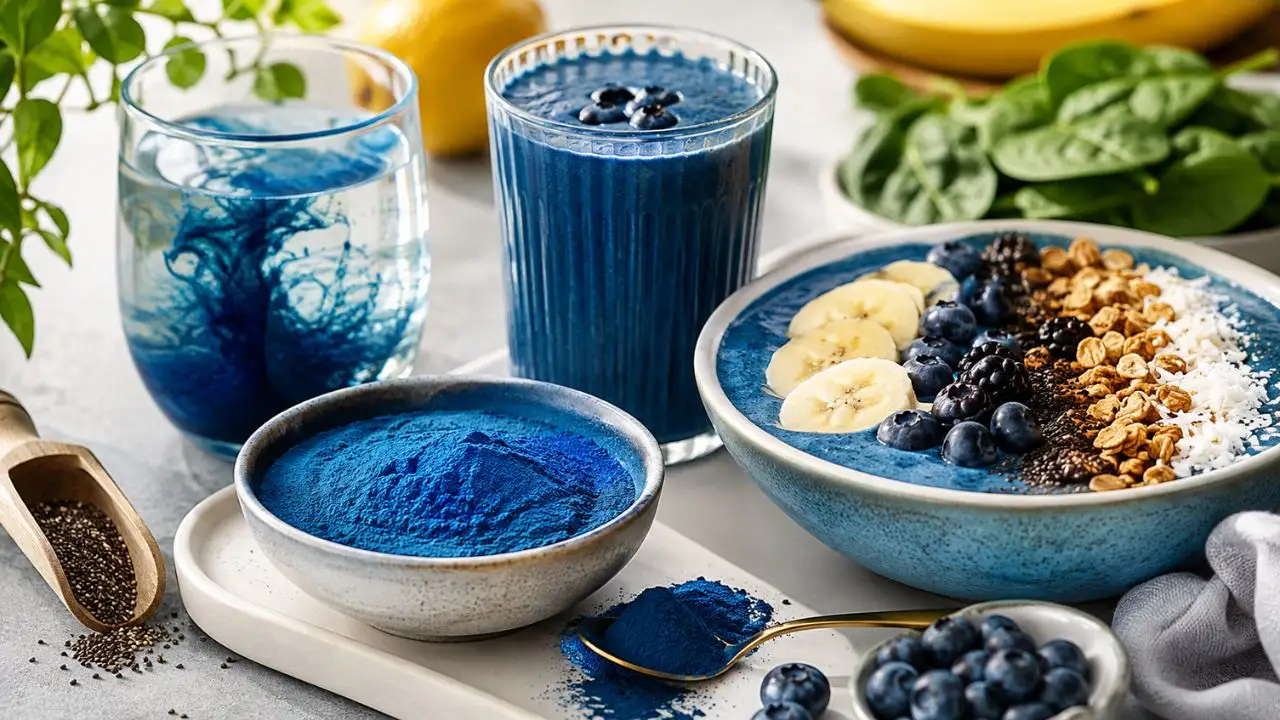
Smoothie bowls are another popular use because their thick texture helps display the pigment clearly. Mix blue spirulina into a light banana, coconut or yogurt base before adding fruit, seeds and granola. Dark berries, cocoa and leafy greens can overpower the blue color, even though they remain nutritious additions. For a brighter result, keep the main base pale and use darker ingredients as toppings.
The powder can also be stirred into overnight oats, chia pudding, energy bites and chilled desserts. Bakers sometimes add it to frosting, glaze or no-bake cheesecake for natural blue coloring. High oven temperatures may weaken or change the pigment, so it is often more effective in toppings added after baking. Mixing it with a small amount of liquid first can also prevent dry clumps.
Blue spirulina may be added to water, lemonade, plant-based milk or mocktails, but acidic drinks can affect its appearance. Lemon or lime juice may gradually shift the color toward purple, grey or a faded shade. This change does not necessarily mean the product has become unsafe, but it can reduce visual appeal. Prepare colorful drinks shortly before serving instead of storing them for an extended period.
How Much Blue Spirulina Should You Take?
There is no universally established daily dosage for blue spirulina that guarantees specific health benefits. Products can differ significantly in phycocyanin concentration, purity and additional ingredients, making one standard spoon measurement unreliable. The serving information provided by the manufacturer should therefore be your starting point. Avoid assuming that consuming more powder will create stronger or faster health results.
For culinary use, begin with the smallest amount needed to produce the desired color. This approach helps you assess the taste, digestive tolerance and strength of a particular powder. More concentrated products may require considerably less than diluted blends containing carriers or stabilizers. Measuring spoons or a small kitchen scale can provide greater consistency when you regularly prepare recipes.
New users should introduce the ingredient gradually rather than taking a large serving immediately. A smaller first serving makes it easier to notice nausea, stomach discomfort, itching or other unexpected reactions. Stop using the product if you develop a concerning symptom, especially swelling or difficulty breathing. Severe allergic reactions require immediate medical attention rather than home treatment.
People using blue spirulina for a diagnosed condition should discuss it with a qualified healthcare professional. Supplement labels and social media testimonials cannot account for medications, allergies or individual medical needs. Pregnant or breastfeeding people should also seek personalized advice before using concentrated supplements regularly. Children should only receive an age-appropriate product and serving after guidance from a pediatric healthcare professional.
Possible Side Effects and Safety Concerns
Blue spirulina is often tolerated in ordinary food amounts, but mild side effects can occur. Some users report digestive discomfort, nausea, gas, loose stools or an unpleasant aftertaste after consuming algae-based products. These reactions may depend on serving size, product formulation and individual sensitivity. Reducing the amount may help with minor symptoms, although persistent reactions are a reason to discontinue use.
Allergic reactions are uncommon but possible with almost any food-derived ingredient. Warning signs can include hives, itching, facial swelling, throat tightness or breathing difficulty. Anyone with a known allergy to spirulina or related ingredients should avoid the product. A person who experiences a serious reaction should seek urgent medical assistance instead of attempting to test the product again.
Contamination is one of the most important quality-related concerns surrounding blue-green algae products. Certain cyanobacteria can produce microcystins, which are toxins capable of harming the liver at unsafe exposure levels. Consumers cannot reliably identify these contaminants through color, smell or taste. Purchasing from manufacturers that test finished batches for microcystins and other contaminants can meaningfully reduce avoidable risk.
Extra caution is sensible for people with chronic health conditions or those taking prescription medicine. Concentrated supplements may interact with medications or complicate the management of immune, liver, kidney or bleeding-related conditions. Evidence about blue spirulina interactions remains incomplete, which makes professional guidance more important rather than less important. A healthcare professional can assess the specific product, serving and medical history together.
How to Choose High-Quality Blue Spirulina
Start by examining the ingredient list rather than relying on attractive packaging. A simple powder may list phycocyanin-rich spirulina extract as the main ingredient, while other formulas contain starch, sugar, flavoring or preservatives. Added ingredients are not automatically harmful, but they can reduce concentration or affect how the product fits your needs. Choose a formulation that clearly explains what is included in each serving.
Look for transparent information about contaminant testing and manufacturing standards. Responsible companies may test for microcystins, heavy metals, harmful microbes and other potential impurities. A certificate of analysis linked to a specific batch provides more useful information than a vague claim that the product is “pure.” Independent third-party testing can add confidence, although consumers should still review what was actually tested.
Packaging should protect the powder from moisture, heat and light. An opaque, tightly sealed container is generally preferable to clear packaging that remains exposed to sunlight. Check the expiration or best-before date and avoid products with broken seals or unexplained discoloration. Extremely low prices can be appealing, but quality control and standardized extraction add legitimate production costs.
Marketing language can also reveal whether a brand communicates responsibly. Be cautious when a seller promises rapid weight loss, complete detoxification, cancer prevention or treatment of chronic illness. Trustworthy manufacturers usually describe blue spirulina as a food ingredient or supplement rather than a medical cure. Clear serving instructions, contact details and testing information are more valuable than dramatic before-and-after claims.
How to Store Blue Spirulina and Protect Its Color
Phycocyanin is sensitive to environmental conditions, particularly heat, strong light and moisture. Store blue spirulina in a cool, dry location away from direct sunlight and hot kitchen appliances. Close the container immediately after use to prevent humidity from entering. Always follow the manufacturer’s storage instructions because formulations and stabilizing methods can vary.
Use a clean, completely dry spoon whenever you remove powder from the container. Introducing moisture can encourage clumping and may reduce the quality of the remaining product. Do not hold the open container over a steaming blender, pan or kettle. Condensation can enter the package even when the powder initially appears unchanged.
The pigment performs best in cold or gently prepared recipes. Prolonged heating can weaken its protein structure and reduce the intensity of its blue color. When preparing baked foods, consider mixing blue spirulina into icing, filling or decoration after the main item has cooled. This method usually produces a more predictable result than adding it directly to high-temperature batter.
Acidity can also alter the shade because phycocyanin is sensitive to changes in pH. Highly acidic fruit juices may turn the blue color purple, dull or grey over time. Neutral or mildly acidic bases generally preserve the pigment more effectively. When presentation matters, test a small portion first and serve the finished recipe soon after preparation.
Is Blue Spirulina Worth Adding to Your Diet?
Blue spirulina can be worthwhile for people who enjoy creative recipes and want a plant-based source of blue food coloring. Its concentrated pigment can make smoothies, yogurt, drinks and desserts more visually appealing. The mild flavor is another advantage for anyone who dislikes the strong taste of whole green spirulina. In these situations, the product has a clear and practical purpose.
Its value becomes less certain when it is purchased solely for dramatic health promises. Current research does not establish blue spirulina as a treatment for cancer, diabetes, inflammation, liver disease or other medical conditions. Laboratory findings may guide future research, but they do not replace clinical evidence. Consumers should be skeptical of any brand presenting early scientific findings as guaranteed human outcomes.
Price should also be considered because high-quality phycocyanin extraction can make the powder relatively expensive. People primarily seeking protein, vitamins or minerals may receive better value from whole foods or complete green spirulina. Those primarily seeking natural blue coloring may find that a small container lasts through many recipes. Whether it is worth buying therefore depends on your goal rather than its superfood reputation.
The most sensible approach is to treat blue spirulina as an optional specialty ingredient. Choose a tested product, follow its labeled serving, store it correctly and discontinue use if a reaction occurs. Continue building your diet around varied whole foods instead of depending on one brightly colored powder. Used this way, blue spirulina can add creativity without creating unrealistic expectations.
Frequently Asked Questions
Is blue spirulina the same as regular spirulina?
No. Blue spirulina is generally a phycocyanin-rich extract, while regular green spirulina contains more of the complete dried organism, including chlorophyll and other nutrients.
What does blue spirulina taste like?
Blue spirulina usually has a mild earthy or slightly marine taste. It is generally less intense than green spirulina and blends easily with fruit, yogurt and coconut-based recipes.
Can you take blue spirulina every day?
Some adults use it daily according to the product label, but there is no universal requirement or ideal dose. Choose a tested product and consult a healthcare professional when medical conditions or medications are involved.
Does blue spirulina help with weight loss?
There is not enough strong evidence to show that blue spirulina independently causes meaningful weight loss. Sustainable results depend more on overall diet, physical activity, sleep and long-term habits.
Can blue spirulina be added to hot food?
It can be added, but high temperatures may weaken the phycocyanin pigment and fade its color. For brighter results, mix it into cooled foods, frostings or chilled recipes.