
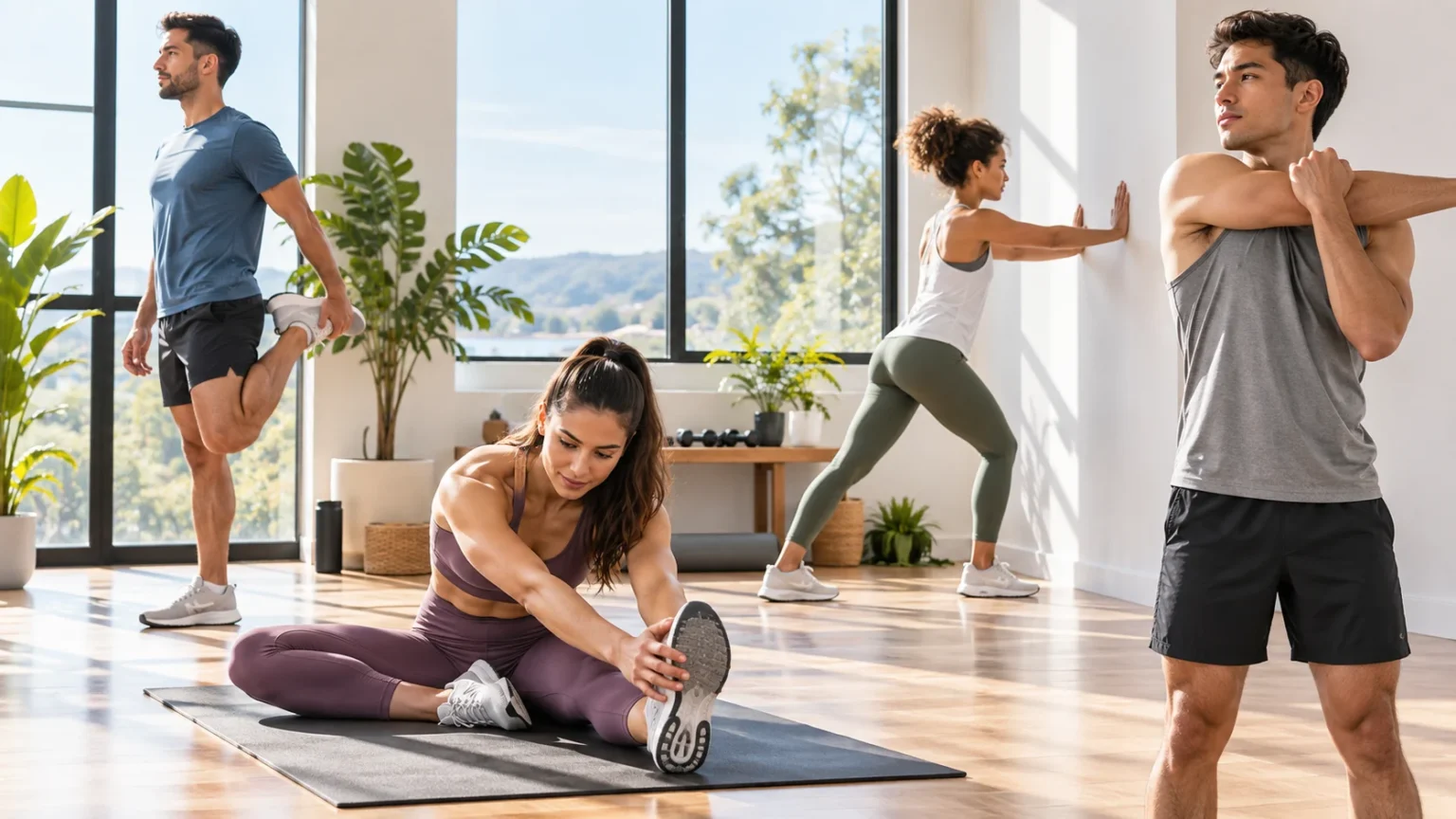

Static stretching is a simple way to improve flexibility and help muscles feel less tight after exercise, long periods of sitting, or everyday activity. Unlike dynamic stretching, which involves continuous movement, static stretching requires you to move into a comfortable position and hold it for a short period. It is commonly used in fitness, rehabilitation, yoga, and general mobility routines.
Many static stretches target major muscle groups such as the hamstrings, quadriceps, calves, hips, shoulders, chest, and back. When performed correctly, they can improve range of motion and make certain movements feel easier. However, stretching should feel controlled rather than painful, and forcing the body into extreme positions can increase irritation instead of improving flexibility.
Understanding the best static stretching examples, proper form, and basic safety tips can help you build a more effective mobility routine. The goal is not to become extremely flexible overnight, but to gradually improve comfortable movement. Consistency, appropriate technique, and choosing stretches that match your needs usually matter more than stretching as deeply as possible.
What Is Static Stretching?
Static stretching involves moving a muscle or joint into a position where you feel gentle tension and then holding that position without bouncing. A typical stretch may be held for around 15 to 60 seconds depending on the exercise, your comfort level, and your goals. The movement should remain controlled throughout the entire hold.
This form of stretching is commonly performed after workouts, during mobility sessions, or at a separate time of day. It can be especially helpful when specific muscles feel tight after prolonged sitting, strength training, running, or repetitive activity. Static stretching is generally easier to learn than more advanced flexibility techniques because the movements are relatively simple.
The key difference between static and dynamic stretching is that dynamic stretching keeps the body moving through a range of motion. Static stretching, by contrast, keeps the body relatively still while a muscle remains lengthened. Both methods can be useful, but they are often used at different times depending on the activity and individual needs.
What Are the Main Benefits of Static Stretching?
One of the main benefits of static stretching is improved flexibility. Regular stretching can gradually increase the comfortable range through which muscles and joints can move. This can make activities such as bending, reaching, walking, squatting, or exercising feel easier, particularly when muscle tightness has previously limited movement.
Static stretching may also help reduce feelings of stiffness after long periods of inactivity. People who spend hours sitting at a desk may notice tightness through the hips, chest, hamstrings, or calves. Gentle stretching can introduce movement into these areas and make the body feel less restricted during the rest of the day.
Another benefit is increased body awareness. Holding a stretch allows you to notice where tension exists and whether one side feels different from the other. This awareness can help you identify movement patterns that may benefit from additional mobility work, strength training, or changes in your daily activity habits.
Hamstring Stretch Example
A simple standing or seated hamstring stretch targets the muscles along the back of the thigh. To perform a seated version, extend one leg forward while keeping the other leg comfortably bent. Hinge gently from the hips toward the straight leg until you feel a mild stretch along the back of the thigh.
Avoid aggressively reaching for your toes if doing so causes your lower back to round excessively. The goal is to create tension in the hamstring rather than simply getting your hands as far forward as possible. Keep the movement controlled and stop before the stretch becomes sharp, painful, or uncomfortable.
Hamstring flexibility can be useful for walking, running, bending, and many lower-body exercises. However, tightness in the back of the thigh does not always mean the hamstrings need aggressive stretching. If the stretch repeatedly causes pain, tingling, or symptoms traveling down the leg, consider getting professional guidance.
Quadriceps Stretch Example
A standing quadriceps stretch targets the muscles at the front of the thigh. Stand beside a stable wall or chair if you need support, bend one knee, and gently bring the heel toward the buttock. Hold the ankle or lower leg without pulling forcefully and keep the knees relatively close together.
Try to keep your pelvis neutral rather than arching the lower back to create more movement. You should feel a stretch through the front of the thigh, not sharp pressure around the knee. If reaching your ankle is difficult, a strap or towel can sometimes make the position more comfortable.
The quadriceps work during walking, climbing stairs, squatting, running, and many strength exercises. After demanding lower-body activity, they may feel tight or fatigued. Gentle static stretching can be included after exercise or during a separate mobility session when it feels comfortable and does not increase knee pain.
Calf Stretch Example
A wall calf stretch is one of the easiest static stretches to perform. Place both hands against a wall, step one foot backward, and keep the rear heel on the floor. With the back knee straight, gently shift your weight forward until you feel tension through the upper part of the calf.
A slightly different version can target the deeper calf muscles. Keep the same position but bend the rear knee gently while maintaining the heel on the ground. The stretch should move lower toward the Achilles and deeper calf region without creating sharp discomfort around the ankle.
Calf flexibility is important for walking, running, stair climbing, and squatting because the ankle needs adequate mobility during these movements. Tight calves can make certain activities feel restricted. Regular stretching combined with appropriate ankle strengthening and movement practice may support better lower-leg mobility over time.
Hip Flexor Stretch Example
A half-kneeling hip flexor stretch can help target the muscles at the front of the hip. Place one knee on a padded surface and the opposite foot in front, creating a stable lunge position. Gently shift the pelvis forward until you feel a stretch at the front of the hip on the kneeling side.
Avoid creating the stretch by excessively arching the lower back. A small pelvic tuck can help keep the movement focused around the hip rather than the lumbar spine. Move only far enough to feel mild tension and keep your upper body tall and relaxed throughout the hold.
Hip flexors can feel tight after long periods of sitting or repetitive activities involving the hips. Stretching may improve comfort, but mobility is only one part of healthy hip function. Strengthening the glutes, core, and surrounding muscles can also help support better movement during walking, running, and exercise.
Glute and Piriformis Stretch Example
A figure-four stretch is commonly used to target the gluteal and deep hip muscles. Lie on your back, bend both knees, and place one ankle across the opposite thigh. Gently draw the supporting leg toward your chest until you feel a comfortable stretch in the buttock or outer hip.
Keep your head and shoulders relaxed rather than pulling aggressively with your upper body. The stretch should feel deep but manageable and should not create sharp pain in the hip or knee. If the position is too intense, keep the supporting foot on the floor and allow the hip to relax gradually.
Glute and hip mobility can influence comfort during sitting, walking, squatting, and athletic movement. However, pain that travels down the leg may involve nerves rather than simple muscle tightness. If a figure-four stretch consistently causes tingling, numbness, or worsening symptoms, stop and seek professional advice.
Chest and Shoulder Stretch Example
A doorway chest stretch can help open the muscles across the front of the chest and shoulders. Place your forearm against a doorway with the elbow around shoulder height, then gently turn your body away from the supported arm. You should feel a stretch across the chest and front of the shoulder.
Avoid forcing the shoulder backward or allowing sharp discomfort at the joint. Keeping the movement gentle is especially important for people with previous shoulder injuries or instability. You can also lower the elbow slightly if the standard position feels uncomfortable or places too much pressure on the shoulder.
This stretch may be useful for people who spend long periods working at a computer or using phones. Prolonged sitting can encourage the shoulders to remain forward for hours. Stretching the chest may feel helpful, but strengthening the upper back and changing positions regularly are also important for long-term posture and comfort.
Triceps and Upper-Back Stretch Examples
A simple overhead triceps stretch targets the back of the upper arm and parts of the shoulder. Raise one arm overhead, bend the elbow, and allow your hand to move down behind your head. Use the opposite hand to gently guide the elbow until you feel mild tension along the upper arm.
For the upper back, try a self-hug stretch by wrapping your arms around your body and reaching toward opposite shoulder blades. Gently allow the shoulder blades to move apart while keeping your breathing relaxed. This can create a comfortable stretch across the muscles between the shoulders and upper spine.
Both stretches can be useful after upper-body training or long periods of desk work. Avoid pulling forcefully or holding your breath while stretching. If shoulder, neck, or arm symptoms worsen during these movements, reduce the range or choose another stretch that feels more comfortable.
How Long Should You Hold a Static Stretch?
Many static stretches are commonly held for about 15 to 30 seconds, although longer holds may sometimes be appropriate. Beginners can start with shorter periods and gradually increase the duration as the position becomes more comfortable. There is rarely a need to force yourself to remain in a painful stretch.
Repeating a stretch two or three times may be enough for a general mobility routine. More is not always better, especially when tissues already feel irritated. The quality of the stretch and consistency over time usually matter more than holding one position for several minutes.
Your breathing should remain relaxed throughout the stretch. Slow breathing can help reduce unnecessary muscle tension and make the position easier to maintain. If you find yourself holding your breath, shaking excessively, or fighting the stretch, reduce the intensity until you can stay comfortable and controlled.
When Is the Best Time to Do Static Stretching?
Static stretching is often performed after exercise when the muscles are already warm and the main physical activity has finished. This can be a convenient time to work on flexibility without interfering with the movement demands of the workout. A short stretching routine may also help you transition gradually from exercise to rest.
Before sports or intense workouts, dynamic movement is often more practical than long static holds. Exercises such as walking lunges, arm circles, leg swings, and controlled mobility drills can prepare the body for faster or more powerful movement. Static stretching can still be used beforehand when there is a specific reason, but it should not replace a complete warm-up.
Static stretching can also be done separately from exercise. A short mobility routine in the morning, evening, or during work breaks may help reduce feelings of stiffness. The best time is often the time you can perform consistently without rushing or forcing your body into uncomfortable positions.
What Are Common Static Stretching Mistakes?
One of the most common mistakes is pushing a stretch too far. Flexibility develops gradually, and forcing a joint or muscle beyond its comfortable range can cause irritation. A stretch should create noticeable tension, but it should not feel sharp, burning, unstable, or intensely painful.
Bouncing is another mistake that can make a stretch harder to control. Static stretching should involve a relatively still position rather than repeatedly jerking the body deeper into the range. Slow movement into the stretch gives you more control and makes it easier to notice whether the body is responding comfortably.
Poor alignment can also change where the stretch is felt. For example, excessive lower-back arching during a hip flexor stretch may reduce the intended effect at the hip. Paying attention to posture and using supports such as a wall, chair, towel, or strap can make static stretches safer and more effective.
Mobility Tips to Improve Flexibility Safely
Consistency is usually more effective than occasional extreme stretching. Performing a short routine several times per week can gradually improve flexibility without placing excessive stress on the body. Choose a few stretches that target areas where you genuinely feel limited rather than stretching every muscle simply because you think you should.
Combine flexibility work with strength training when possible. Good mobility requires not only the ability to reach a position but also the strength and control to use that range safely. Exercises that strengthen muscles through comfortable ranges can complement static stretching and help improve overall movement quality.
Progress slowly and pay attention to how your body responds afterward. Mild temporary tightness may occur when beginning a new routine, but persistent pain or worsening symptoms are signs to reduce the intensity. Mobility training should make movement feel more comfortable over time rather than creating repeated irritation.
Conclusion
Static stretching is a simple and accessible way to improve flexibility and reduce feelings of muscle tightness. Common examples include hamstring, quadriceps, calf, hip flexor, glute, chest, shoulder, and triceps stretches. Each movement should be held in a controlled position without bouncing or forcing the body beyond a comfortable range.
Good form matters more than how far you can stretch. Keep breathing normally, use stable positions, and aim for gentle tension rather than pain. Holding stretches for short periods and repeating them consistently can be more useful than trying to achieve dramatic flexibility in a single session.
Static stretching works best as part of a broader movement routine that includes strength, balance, and regular activity. Use it after workouts, during mobility sessions, or whenever stiffness becomes noticeable. If stretching causes sharp pain, numbness, tingling, or worsening symptoms, stop and consider getting guidance from a qualified healthcare professional.
FAQs
What are some easy static stretching examples?
Simple examples include standing quadriceps stretches, wall calf stretches, seated hamstring stretches, doorway chest stretches, hip flexor stretches, and figure-four glute stretches. Each should be held gently without bouncing.
How long should I hold a static stretch?
Most people can start with approximately 15 to 30 seconds per stretch. Longer holds may be useful in some situations, but comfort, breathing, and proper form are more important than duration.
Should static stretching hurt?
No. You should feel gentle to moderate tension, not sharp or intense pain. Reduce the range immediately if you experience burning, joint pain, numbness, tingling, or other unusual symptoms.
Is static stretching good before exercise?
Long static holds are often better after exercise, while dynamic movement is commonly used during warm-ups. However, the best approach can depend on the activity, individual mobility, and specific training goals.
Can static stretching improve mobility?
Static stretching can improve flexibility and help increase comfortable range of motion. For better overall mobility, combine stretching with strength exercises that teach you to control and use the new range effectively.