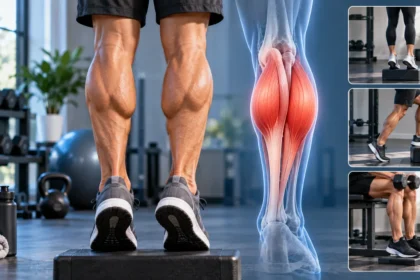
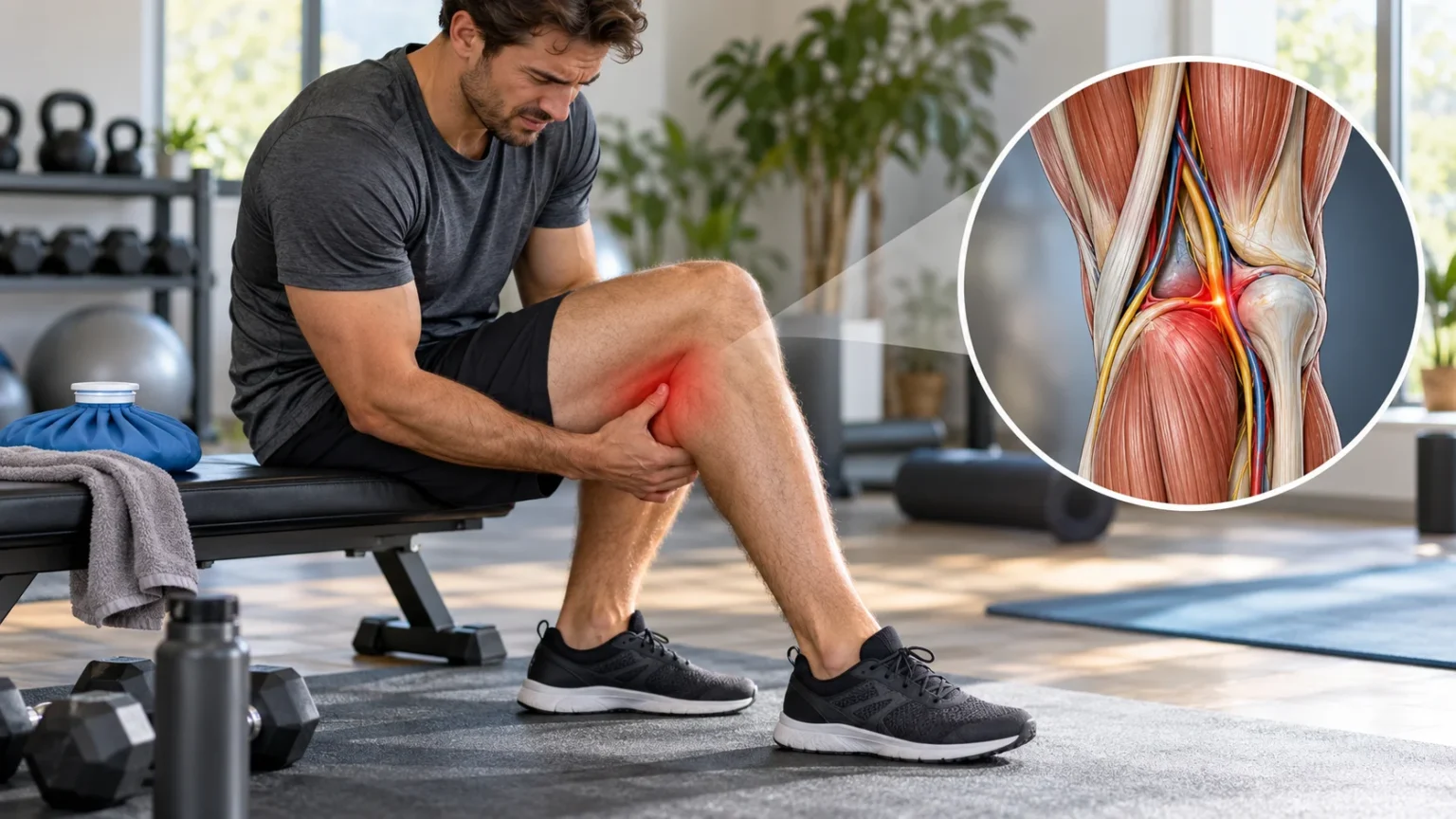

Popliteal fossa pain refers to discomfort in the hollow area behind the knee. This region contains tendons, muscles, nerves, blood vessels, and other important structures, so pain can come from several different sources. Some causes are mild and related to overuse, while others may require medical evaluation.
The pain may feel like aching, tightness, pressure, burning, or a sharp sensation behind the knee. It can appear during walking, bending, running, squatting, or after sitting for long periods. Swelling, stiffness, or a feeling of fullness may also occur depending on what is causing the problem.
Understanding the possible causes of pain in the popliteal fossa can help you decide what to do next. This guide explains common causes, practical relief tips, exercises, warning signs, and when it may be appropriate to seek professional care.
What Is the Popliteal Fossa?
The popliteal fossa is the diamond-shaped space located behind the knee joint. It sits between muscles of the thigh and calf and contains several important structures. These include the popliteal artery, popliteal vein, tibial nerve, common fibular nerve, lymph nodes, tendons, and surrounding connective tissue.
Because so many structures pass through a relatively small area, pain behind the knee can have many possible causes. The source may involve a muscle, tendon, joint, fluid-filled cyst, nerve, or blood vessel. This is why identifying the exact cause based on location alone can be difficult.
The popliteal fossa also changes shape as the knee bends and straightens. Deep flexion places pressure on tissues behind the joint, while full extension can stretch nearby muscles and tendons. Pain that changes with movement can therefore provide useful clues about which structures may be involved.
What Does Popliteal Fossa Pain Feel Like?
Popliteal fossa pain may feel dull and achy, especially after activity or prolonged standing. Some people experience a feeling of tightness or pressure behind the knee rather than sharp pain. This sensation may become stronger when bending the knee deeply or straightening the leg.
Sharp or sudden pain can sometimes occur after a sports injury, awkward movement, or muscle strain. Burning, tingling, or numbness may suggest irritation of a nearby nerve. Pain combined with swelling or warmth may point toward inflammation, fluid buildup, or a vascular problem.
The location may also help narrow down possibilities. Pain directly in the center of the back of the knee can differ from discomfort that sits more toward the inner or outer side. Tracking when symptoms occur and what makes them better or worse can be helpful during medical assessment.
Common Causes of Popliteal Fossa Pain
One common cause is irritation of muscles or tendons that cross the back of the knee. The hamstrings, calf muscles, and small stabilizing muscles around the joint can become sore after overuse, running, jumping, or sudden changes in activity.
A Baker’s cyst is another frequent cause of pressure or discomfort behind the knee. This fluid-filled swelling often develops when another knee problem causes excess joint fluid. It can make the back of the knee feel tight, swollen, or uncomfortable during bending.
Other possible causes include meniscus injuries, arthritis, nerve irritation, ligament problems, and circulation-related conditions. Because these problems can produce overlapping symptoms, persistent pain should not automatically be assumed to be muscular. A proper examination can help identify the source.
Baker’s Cyst Behind the Knee
A Baker’s cyst is a fluid-filled sac that develops behind the knee. It forms when excess joint fluid moves into a small space at the back of the joint. This may happen when arthritis, inflammation, or another knee condition increases fluid production.
Symptoms may include a visible or noticeable lump, tightness, stiffness, or pressure in the popliteal area. The discomfort can become more noticeable when the knee is fully bent or straightened. Some people have very little pain and only notice swelling.
Small Baker’s cysts may improve when the underlying knee irritation settles. However, larger or painful cysts may need medical assessment. Sudden calf swelling or pain can sometimes occur if a cyst ruptures, and these symptoms should be evaluated because they can resemble a blood clot.
Hamstring Tendon Problems
The hamstring muscles run down the back of the thigh and attach near the knee. Tendons from these muscles can become irritated through sprinting, running, repetitive bending, or sudden increases in training. Pain may be felt toward the back or sides of the knee.
Hamstring tendon pain often becomes more noticeable when bending the knee against resistance or stretching the back of the thigh. Running uphill, sprinting, or performing hamstring curls may also reproduce discomfort. Tenderness can sometimes be felt along the tendon itself.
Activity modification and gradual strengthening may help mild tendon irritation. Avoid forcing deep hamstring stretches when the tendon feels sensitive. Persistent pain or significant weakness should be assessed, especially if symptoms started after a sudden injury.
Calf Muscle Strain
The gastrocnemius muscle crosses the back of the knee and forms a large part of the calf. A strain in the upper portion of this muscle can create pain near the popliteal fossa. It may happen during running, jumping, pushing off quickly, or changing direction.
A calf strain can cause sudden pain, tightness, tenderness, or difficulty pushing through the foot. More significant injuries may lead to swelling or bruising. Pain may become worse when the knee is straight and the ankle is flexed upward.
Mild strains often improve with reduced activity, gradual movement, and progressive strengthening. Avoid aggressive stretching during the early stages if it increases pain. Significant swelling, inability to walk normally, or severe tenderness should be evaluated professionally.
Meniscus Injuries and Posterior Knee Pain
The menisci are cartilage structures inside the knee that help distribute force and improve joint stability. A tear in the back portion of a meniscus can sometimes cause pain that feels deep behind the knee. Twisting movements or deep knee bending may make symptoms worse.
Meniscus injuries may also cause clicking, catching, swelling, or a feeling that the knee is giving way. Some people notice discomfort after squatting, kneeling, or turning quickly. Not every meniscus tear causes severe symptoms, so the pattern can vary considerably.
Gentle activity modification may help minor irritation, but mechanical symptoms such as locking or repeated giving way deserve assessment. If you experience back of knee pain especially when bending, the symptom pattern can provide useful clues about possible structures involved.
Arthritis and Popliteal Fossa Discomfort
Arthritis can affect the knee joint and contribute to pain behind the knee. Osteoarthritis may cause stiffness, swelling, reduced range of motion, and aching after prolonged activity. The resulting joint irritation can also contribute to the formation of a Baker’s cyst.
Symptoms may be worse after walking, standing, climbing stairs, or sitting for long periods. Some people notice stiffness when first getting up in the morning or after resting. The pain may be felt around the entire knee rather than only in the popliteal area.
Gentle movement and strengthening can help support the joint and maintain mobility. However, persistent swelling or worsening pain should be assessed. Treatment may depend on the severity of arthritis, activity level, and the overall condition of the knee.
Popliteus Muscle Irritation
The popliteus is a small muscle located at the back of the knee. It helps control knee rotation and assists with unlocking the knee when you begin bending it from a fully straight position. Despite its small size, it plays an important role in knee stability.
Irritation of the popliteus may cause pain deep in the back of the knee, especially during downhill running or repetitive bending. Athletes and runners may be more likely to develop overuse symptoms in this area. The discomfort can sometimes be difficult to distinguish from nearby tendon or joint pain.
Reducing the aggravating activity may help mild irritation settle. Strengthening the hips, thighs, and lower leg can also improve overall knee control. Persistent symptoms may require assessment because pain in this region can arise from several nearby structures.
Nerve-Related Pain Behind the Knee
Important nerves pass through and around the popliteal fossa. Irritation or compression of these nerves can cause burning, tingling, numbness, or electric-like pain. Symptoms may spread from behind the knee into the calf, foot, or lower leg.
Nerve-related pain may change with knee position or prolonged sitting. In some cases, the source of the nerve irritation may be higher in the leg or even in the lower back. This can make symptoms feel confusing because the painful area may not be where the problem begins.
Worsening numbness, weakness, or difficulty controlling the foot should be evaluated. Avoid repeatedly stretching into strong nerve symptoms because aggressive stretching may increase irritation. A clinician can help determine whether the symptoms are coming from the knee region or another location.
Deep Vein Thrombosis and Vascular Causes
A deep vein thrombosis, or DVT, is a blood clot that can form in a deep vein of the leg. It may cause pain, swelling, warmth, or tenderness in the calf or behind the knee. Symptoms often affect one leg rather than both.
DVT is important to recognize because a clot can potentially travel to the lungs. Risk factors can include recent surgery, prolonged immobility, long travel, certain medications, pregnancy, and previous blood clots. However, a clot can occasionally occur without an obvious trigger.
Sudden one-sided swelling, warmth, redness, or unexplained calf pain should be assessed promptly. Emergency care is needed if these symptoms occur with chest pain, shortness of breath, coughing blood, or sudden dizziness. Do not massage a leg if a blood clot is suspected.
Can Overuse Cause Pain Behind the Knee?
Yes, repetitive activity can irritate muscles, tendons, and joints around the back of the knee. Running, cycling, squatting, jumping, and sports involving quick direction changes can increase stress on the popliteal region. Problems often develop when workload rises faster than the body can adapt.
Overuse pain may begin gradually rather than after one specific injury. You might notice mild tightness at first, followed by discomfort during exercise or later in the day. Continuing to increase training despite symptoms can make the irritation more persistent.
Reducing the most aggravating activity temporarily can allow the area to settle. This does not necessarily mean complete rest. Gentle movement and lower-impact exercise may be appropriate as long as they do not significantly increase symptoms.
How to Relieve Mild Popliteal Fossa Pain
Start by limiting activities that clearly make the pain worse. Deep squatting, running, or prolonged kneeling may need to be reduced temporarily. Continue comfortable daily movement when possible, because complete inactivity can lead to additional stiffness.
Cold packs may provide short-term relief after a recent minor injury or when swelling is present. Heat may feel better for muscle tightness or stiffness. Use either option for comfort rather than assuming it treats the underlying cause.
Gentle range-of-motion exercises can help maintain knee movement. Slowly bend and straighten the knee within a comfortable range without forcing through pain. If symptoms worsen despite reducing activity, seek professional assessment to identify the cause more clearly.
Gentle Stretches for Pain Behind the Knee
A gentle hamstring stretch may help when tightness in the back of the thigh contributes to discomfort. Sit with one leg slightly extended and hinge forward from the hips. Stop when you feel mild tension rather than pulling aggressively.
A calf stretch can also reduce tightness around muscles crossing the back of the knee. Stand facing a wall, place one leg behind you, and keep the heel down as you lean forward. Keep the stretch comfortable and avoid forcing the knee into a painful position.
Stretching is not appropriate for every cause of popliteal pain. A Baker’s cyst, acute tendon injury, nerve irritation, or vascular problem may not improve with stretching. Stop if symptoms become sharper, more swollen, numb, or increasingly uncomfortable.
Strengthening Exercises for Knee Support
Strengthening the muscles around the knee can improve joint control and help support the popliteal region. Straight-leg raises, bridges, and controlled sit-to-stands can be useful starting exercises. These movements target the thighs, hips, and glutes without requiring deep knee bending.
Calf raises can strengthen muscles that help stabilize the knee and ankle. Stand near a stable surface and slowly rise onto your toes before lowering under control. Begin with body weight and avoid pushing through pain behind the knee.
Hamstring strengthening can also be introduced gradually once symptoms allow. Bridges and light hamstring curls may be appropriate for some people. Progress resistance slowly and reduce the load if pain increases significantly during or after exercise.
How to Prevent Popliteal Fossa Pain
Increase workout intensity gradually rather than suddenly adding long runs, heavy squats, or high-volume jumping. Tendons, muscles, and joints adapt best when training loads rise progressively. Rapid increases can overload tissues before they are prepared for the extra demand.
Warm up before demanding activity with light cardio and dynamic movement. Gentle leg swings, walking, and controlled bodyweight exercises can prepare the knees and surrounding muscles. The warm-up should leave you feeling ready rather than tired.
Strengthening the hips, thighs, calves, and hamstrings can improve overall lower-body support. Good recovery, sleep, and rest between demanding sessions also matter. Pay attention to early discomfort instead of repeatedly training through worsening symptoms.
When Should You See a Doctor?
Seek medical advice if pain behind the knee is persistent, severe, or progressively worsening. Significant swelling, inability to fully bend or straighten the knee, or repeated episodes of locking or instability should also be evaluated.
Medical assessment is particularly important after a major injury or if you cannot bear weight normally. Severe bruising, sudden weakness, or a noticeable deformity may indicate a more significant muscle, tendon, ligament, or joint injury.
Urgent evaluation is needed for sudden one-sided leg swelling, warmth, redness, or unexplained calf pain because a blood clot must be ruled out. Chest pain or shortness of breath alongside these symptoms requires emergency medical attention.
Conclusion
Popliteal fossa pain can come from several structures located behind the knee, including muscles, tendons, cartilage, nerves, joints, and blood vessels. Common causes include Baker’s cysts, hamstring irritation, calf strains, meniscus problems, arthritis, and overuse.
Mild cases may improve with temporary activity modification, gentle movement, stretching, and gradual strengthening. However, treatment should match the underlying cause, and exercises that help one problem may aggravate another.
Persistent, severe, or unexplained pain should be evaluated by a healthcare professional. Sudden swelling, warmth, redness, weakness, or breathing symptoms require more urgent attention because they may indicate a potentially serious vascular problem.
FAQs
What is the most common cause of popliteal fossa pain?
Common causes include Baker’s cysts, muscle or tendon irritation, and knee joint problems. The exact cause depends on symptoms such as swelling, movement-related pain, stiffness, or tenderness.
Can a Baker’s cyst cause pain behind the knee?
Yes. A Baker’s cyst can create tightness, pressure, swelling, or aching behind the knee. Symptoms may become more noticeable when bending or fully straightening the leg.
Is pain behind the knee always serious?
No. Many cases are related to mild muscle, tendon, or joint irritation. However, severe swelling, warmth, redness, weakness, or unexplained one-sided pain should be medically assessed.
Should I stretch popliteal fossa pain?
Gentle stretching may help if tight muscles are involved, but it is not suitable for every cause. Avoid stretching aggressively when pain is sharp, swollen, nerve-related, or caused by an acute injury.
When should I worry about pain behind my knee?
Seek medical care for severe or persistent pain, significant swelling, knee locking, weakness, or inability to bear weight. Sudden one-sided swelling with chest pain or shortness of breath requires urgent evaluation.