
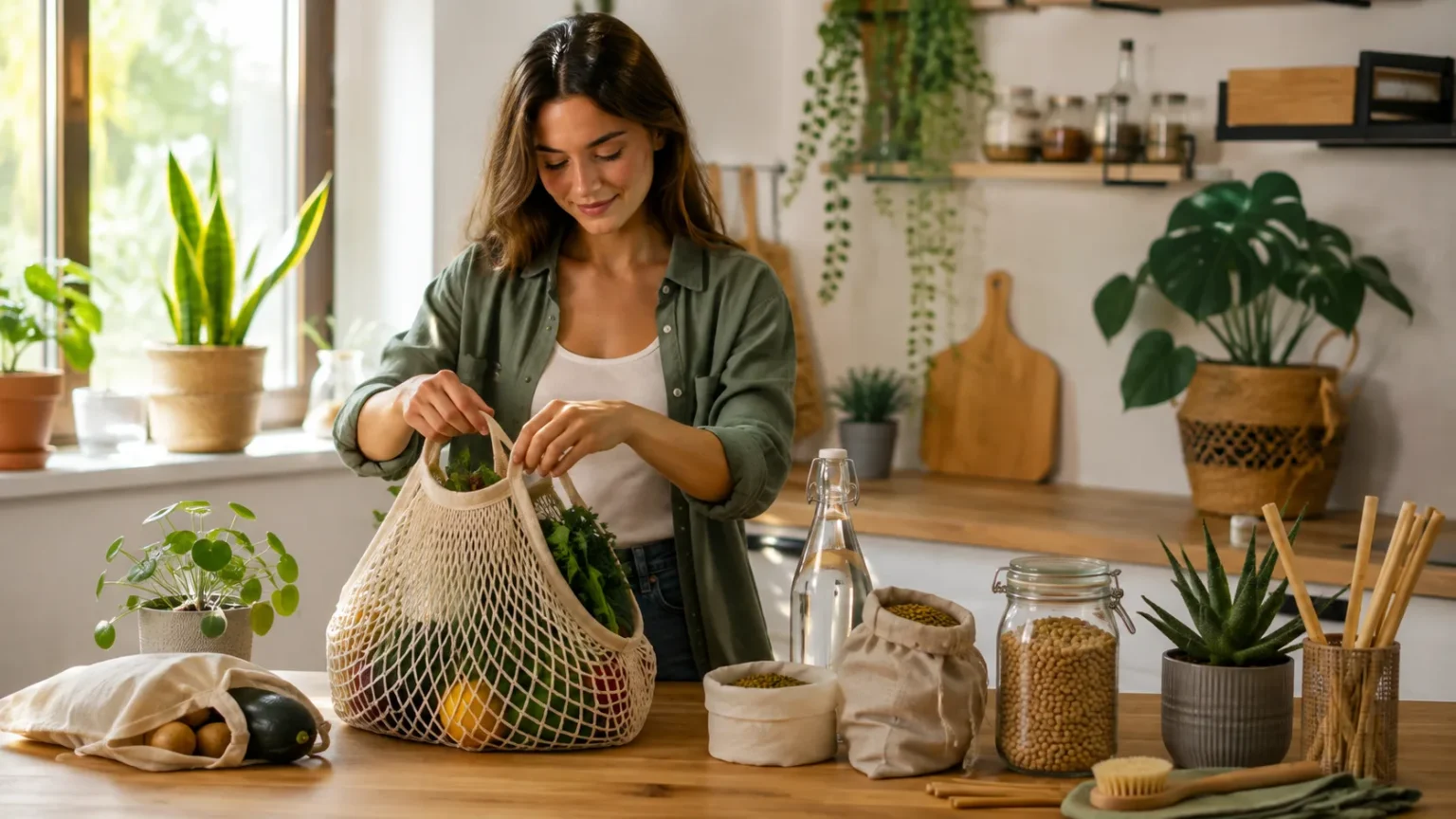

Zero Waste Lifestyle: Simple Tips to Live More Sustainably
A zero waste lifestyle is about reducing the amount of rubbish you create and making more thoughtful choices about what you buy, use, reuse, repair, and throw away. It does not require fitting an entire year’s waste into one tiny jar or replacing everything in your home overnight.
For most people, sustainable living works best when it develops gradually. Reusable containers, better meal planning, secondhand shopping, composting, repairing possessions, and avoiding unnecessary purchases can all reduce waste without making everyday life complicated or expensive.
The goal is to move away from the “buy, use, throw away” pattern and toward a more circular approach. Items should ideally remain useful for as long as possible through reuse, sharing, repair, recycling, composting, or responsible redistribution.
Whether you are just beginning or already practicing a low waste lifestyle, this guide will help you focus on realistic changes. The most sustainable habits are usually the ones you can continue for months and years rather than dramatic changes you abandon after a few weeks.
What Is a Zero Waste Lifestyle?
A zero waste lifestyle is an approach to everyday living that aims to prevent waste before it is created. Instead of relying only on recycling, it encourages people to reduce unnecessary consumption, reuse what they own, repair damaged items, and choose products designed to last.
The phrase “zero waste” can sound absolute, but eliminating every piece of rubbish is unrealistic for most households. Packaging, medical products, local infrastructure, income, housing arrangements, and product availability all affect how much waste an individual can realistically avoid.
A more practical interpretation is to view zero waste living as continuous waste reduction. If you can replace disposable habits with reusable alternatives, extend the life of belongings, reduce food waste, and make more intentional purchases, you are already moving in the right direction.
This mindset is valuable because it focuses attention on prevention rather than only disposal. Recycling remains useful, but avoiding unnecessary material in the first place usually saves more resources than buying something disposable and hoping it can be recycled later.
Why Does a Zero Waste Lifestyle Matter?
Modern lifestyles can generate large amounts of packaging, food scraps, unwanted clothing, disposable products, and broken household items. Much of this material requires energy and raw resources to manufacture before eventually entering landfills, incineration systems, or recycling facilities.
Reducing waste can lower demand for unnecessary production. When people keep products longer, repair instead of replace, share rarely used items, and avoid excessive packaging, fewer resources are required to support everyday consumption.
A sustainable lifestyle can also encourage stronger awareness of where products come from. Instead of evaluating an item only by its purchase price, people begin considering durability, packaging, repairability, materials, usefulness, and what will happen when the product is no longer needed.
The benefits are not purely environmental. Many low-waste habits can save money, reduce household clutter, simplify purchasing decisions, and encourage people to value quality over quantity. Sustainable living often becomes easier when it also improves everyday life.
Start by Understanding Your Household Waste
Before buying reusable products, look at what your household actually throws away. A simple waste audit over several days can reveal whether most of your rubbish comes from food packaging, takeout containers, paper, disposable toiletries, spoiled food, or something else.
You do not need to spread every piece of rubbish across the floor. Simply notice which items fill your bin most quickly and make a short list of recurring waste. Those patterns will show where small changes can produce the greatest improvement.
For example, someone who rarely buys bottled drinks will gain little from focusing on reusable bottles, while a household regularly throwing away spoiled vegetables might benefit far more from better meal planning and food storage.
A personalized waste reduction strategy is more effective than copying someone else’s routine. Start with the two or three waste categories that appear most often, improve those areas gradually, and then move to smaller sources of waste.
Follow the Refuse, Reduce, Reuse, Repair and Recycle Approach
One of the simplest ways to understand zero waste is to prioritize actions in a sensible order. Refusing unnecessary items comes first because a product you never take home cannot become household waste later.
Reducing comes next. Buying fewer but better-quality items decreases packaging, transportation, storage needs, and eventual disposal. This principle applies to clothing, electronics, decorations, kitchenware, beauty products, and many other everyday purchases.
Reuse and repair extend the useful life of things already produced. A reusable container, repaired appliance, refillable bottle, patched pair of jeans, or repurposed jar can remain useful far longer than a disposable alternative.
Recycling is still important, but it should not be the first solution. A strong zero waste hierarchy prioritizes avoiding and extending material use before depending on recycling systems to manage products after they have become waste.
Stop Buying Things You Do Not Need
One of the most effective sustainable habits costs nothing: pause before purchasing. Many household items become waste not because they were poorly recycled but because they were never truly necessary in the first place.
Before buying something, ask whether you already own an item that performs the same job. Borrowing, renting, sharing, repairing, or purchasing secondhand may solve the problem without introducing another new product into your home.
Waiting can also help reduce impulse purchases. Give yourself a day or several days before buying non-essential items, especially when shopping online. The desire to purchase often becomes weaker once the initial excitement passes.
Conscious consumption does not mean avoiding every enjoyable purchase. It means choosing deliberately, buying items that provide genuine value, and reducing the cycle of acquiring products that quickly become clutter or rubbish.
Replace Single-Use Items Gradually
Disposable products are convenient, but many are used for only a few minutes before becoming waste. Replacing frequently used disposable items with durable alternatives can significantly reduce the amount entering your bin over time.
Common examples include reusable water bottles, coffee cups, shopping bags, lunch containers, cloth napkins, washable cleaning cloths, and refillable containers. Choose replacements based on what you regularly use rather than buying an entire collection of “eco-friendly” products immediately.
The most sustainable reusable item is often something you already own. An old tote bag works perfectly well for groceries, and a sturdy food container does not need to match a particular zero waste aesthetic to be useful.
Remember that reusable products also require resources to manufacture. Use them repeatedly and for as long as possible so their durability becomes an actual environmental advantage rather than another reason to purchase unnecessary household goods.
Create a Low Waste Kitchen
The kitchen is an excellent place to begin because food packaging and food waste can account for a large portion of household rubbish. Small changes in shopping, storage, cooking, and meal planning can quickly make a difference.
Start by checking your refrigerator and pantry before grocery shopping. Knowing what you already have helps prevent duplicate purchases and encourages you to plan meals around ingredients that need to be used soon.
Store food carefully to extend freshness. Airtight containers, appropriate refrigeration, freezing, and simple organization can prevent vegetables, leftovers, bread, and other ingredients from disappearing at the back of the refrigerator until they spoil.
A zero waste kitchen does not require replacing every plastic container with glass. Continue using safe, functional containers you already own and replace items only when necessary. Avoiding unnecessary replacement is itself part of sustainable living.
Reduce Food Waste With Better Meal Planning
Food waste often begins before cooking. Buying more than your household can realistically eat may appear economical when products are discounted, but throwing away half the purchase ultimately wastes both food and money.
Create a flexible meal plan based on your normal schedule. If you know you will be busy several evenings, avoid buying ingredients for elaborate meals that are unlikely to be prepared before they spoil.
Plan at least one “use-it-up” meal each week. Soups, stir-fries, sandwiches, pasta dishes, smoothies, and grain bowls can help transform small amounts of leftover ingredients into useful meals instead of rubbish.
Better food waste reduction also involves understanding date labels and using your senses appropriately. Store food correctly and learn which items can be frozen before they deteriorate, helping extend their useful life and reduce avoidable disposal.
Learn How to Compost Food Scraps
Not every piece of food can be eaten, which is where composting can become useful. Fruit peels, vegetable scraps, coffee grounds, tea leaves, and other suitable organic materials can be transformed into compost rather than being discarded with ordinary rubbish.
Home composting options include outdoor bins, compost piles, tumblers, worm composting systems, and certain indoor solutions. The best method depends on your available space, local climate, household size, and comfort level.
Apartment residents may still have options. Some communities offer municipal organic waste collection, neighborhood composting, community gardens, or drop-off programs that accept household food scraps.
Composting at home is not about throwing every food item into one container and hoping it disappears. Learn which materials your chosen system accepts and balance them appropriately to reduce odors, pests, and slow decomposition.
Shop With Less Packaging
Packaging can create substantial household waste, particularly when products include multiple layers of plastic, cardboard, wrappers, and containers. Paying attention to packaging while shopping can gradually reduce what enters your home.
When practical, choose products sold in larger containers instead of multiple individually wrapped portions. Refill stores, bulk sections, farmers’ markets, and local shops may also provide opportunities to purchase certain products with less packaging.
Do not assume that an unpackaged or “plastic-free” product is automatically the most sustainable choice in every circumstance. Product durability, food preservation, transportation, and how much you actually use can all influence the overall impact.
The easiest plastic waste reduction strategy is often avoiding packaging that provides little functional value. If two similar products meet your needs, choosing the one with simpler, reusable, recyclable, or minimal packaging can be a practical improvement.
Bring Reusable Bags Without Making It Complicated
Reusable shopping bags are one of the easiest low-waste habits, but they only work if you remember them. Keep bags in places connected to your shopping routine, such as your car, backpack, handbag, bicycle basket, or beside the front door.
Use bags you already own before purchasing specialized versions. Tote bags, backpacks, baskets, and durable grocery bags can all serve the same basic purpose of carrying purchases home.
For produce, you may not need a separate bag for every item. Fruits and vegetables with protective skins can often be placed directly in your shopping basket when store policies and hygiene considerations allow.
The goal of sustainable shopping is convenience combined with lower waste. Build systems that make reusable choices automatic rather than depending on remembering a complicated checklist every time you leave home.
Buy in Bulk Only When It Makes Sense
Bulk shopping can reduce packaging, but it is not automatically waste-free. Buying a large amount of food that eventually spoils creates more waste than purchasing a smaller packaged quantity that you actually consume.
Focus on products your household uses regularly. Rice, pasta, oats, lentils, beans, nuts, spices, and cleaning products may be suitable for bulk purchasing when you have appropriate storage and realistic consumption habits.
If a store allows personal containers, follow its hygiene and weighing procedures carefully. Some shops provide their own refill systems, while others may require containers to be weighed before filling.
The key to bulk shopping for zero waste is practicality. Purchase the quantity you will genuinely use, store it correctly, and avoid treating bulk buying as permission to accumulate more food than your household needs.
Build a More Sustainable Bathroom Routine
Bathrooms contain many frequently replaced products, including shampoo bottles, disposable razors, cotton products, toothpaste tubes, beauty packaging, and cleaning supplies. You do not need to replace everything at once to reduce this waste.
Start with products you already use frequently and finish what you currently own. When an item runs out, consider whether a refillable, reusable, concentrated, or lower-packaging version could work equally well.
Options may include refillable soap, shampoo bars, safety razors, reusable cloth rounds, durable toothbrush alternatives, or concentrated cleaning products. Choose only products that suit your skin, hygiene needs, budget, and lifestyle.
A zero waste bathroom should remain safe and practical. Hygiene and health come before avoiding packaging, especially for medical, dental, menstrual, or skincare products where an unsuitable alternative could cause discomfort or other problems.
Reduce Waste From Cleaning Products
Household cleaning can generate repeated plastic bottles, wipes, sponges, paper towels, and disposable accessories. Concentrated products, refills, reusable cloths, and durable cleaning tools can reduce this stream of waste.
Use washable cloths for suitable cleaning tasks rather than automatically reaching for disposable paper. Old cotton T-shirts, towels, and other worn fabrics can often be cut into useful cleaning rags before being discarded.
Refill systems can also reduce packaging where they are available and economical. Concentrated products may use less packaging and require less storage space, but always dilute and use them according to the manufacturer’s safety instructions.
Do not mix household chemicals simply because a homemade cleaning recipe appears online. A low waste home should also be a safe home, and some common cleaning substances can create dangerous reactions when combined.
Choose Clothing That Lasts Longer
Fashion waste can build quickly when clothes are purchased frequently and worn only a few times. One of the simplest solutions is to slow down and make better use of the clothing already in your wardrobe.
Before buying something new, consider whether it works with clothes you already own and whether you expect to wear it regularly. Versatile pieces that survive many wears generally provide more value than highly specific items purchased for one occasion.
Learn basic clothing maintenance such as sewing buttons, repairing small seams, removing stains correctly, and following care instructions. Simple repairs can extend the life of garments that might otherwise be discarded unnecessarily.
A sustainable wardrobe does not require throwing away fast-fashion clothing and immediately replacing it with expensive ethical brands. Wearing what you already own for longer is often a more practical first step.
Try Secondhand Shopping Before Buying New
Secondhand shopping keeps useful items in circulation and reduces the demand for manufacturing new replacements. Clothing, furniture, books, kitchenware, tools, toys, and many household items can often be found pre-owned.
Thrift stores, resale apps, community groups, flea markets, charity shops, and local marketplaces provide different options depending on where you live. Buying secondhand can also make better-quality products affordable.
Check condition carefully before purchasing. A secondhand item that fails immediately or does not actually meet your needs can still become unnecessary waste, so avoid buying simply because the price appears attractive.
Secondhand shopping is most sustainable when it replaces a planned new purchase. It should not become another form of excessive consumption where inexpensive products accumulate simply because they seem like bargains.
Repair Before You Replace
Modern consumer culture often makes replacement feel easier than repair, but many products can remain useful after relatively simple fixes. Shoes, clothing, furniture, bicycles, electronics, appliances, and bags may all have repair options.
Start by determining what has actually failed. A damaged cable, worn battery, loose screw, broken zipper, or missing component may cost far less to repair than replacing the entire product.
Local repair shops, tailors, cobblers, technicians, community repair events, and manufacturer services can help when a repair requires skills or tools you do not have.
A strong repair and reuse mindset changes how you evaluate purchases as well. Products that are durable, repairable, and supported with replacement parts may provide better long-term value than cheaper items designed for rapid replacement.
Borrow or Rent Things You Rarely Use
Not everything needs to be owned. Tools, camping equipment, formal clothing, party supplies, specialized kitchen appliances, gardening equipment, and other occasionally used items may be better borrowed or rented.
Sharing reduces the number of products that need to be manufactured while allowing several people to benefit from the same item. It can also save storage space and money.
Libraries, community tool collections, rental businesses, neighbors, friends, and family can provide alternatives to buying. Some communities also operate sharing groups where members lend household items to one another.
This idea is closely connected to the circular economy, where products remain useful across multiple users rather than being purchased, rarely used, and eventually discarded while still functional.
Reduce Paper Waste at Home
Paper may feel less concerning than plastic because it can often be recycled, but avoiding unnecessary paper still saves material, energy, printing, transportation, and storage.
Choose digital bills, receipts, statements, and tickets when practical. Unsubscribe from unnecessary catalogues and promotional mail, and avoid printing documents unless a physical copy is genuinely useful.
Use both sides of paper for notes and drafts before recycling it. Children’s drawings, shopping lists, and household reminders do not require brand-new sheets of paper every time.
Reducing household paper waste does not mean eliminating physical books, notebooks, or meaningful printed materials. Focus primarily on disposable paper that provides little value and is quickly thrown away.
Be Smarter About Recycling
Recycling is useful, but many people accidentally place unsuitable items in recycling bins. Contamination can make sorting more difficult and may prevent otherwise recyclable materials from being processed properly.
Check your local recycling rules because accepted materials vary by city and country. A package marked with a recycling symbol does not automatically mean your local collection system accepts it.
Clean containers when required and separate materials according to local instructions. Avoid “wishcycling,” where uncertain items are placed in the recycling bin simply because you hope they can be recycled.
A successful zero waste lifestyle treats recycling as one tool rather than the entire solution. Reducing consumption and reusing products generally prevent waste more directly than relying exclusively on end-of-life processing.
Reduce Electronic Waste
Phones, laptops, chargers, headphones, tablets, batteries, and other electronics contain valuable materials but can become difficult waste streams when replaced frequently. Extending device life is one of the simplest ways to reduce electronic waste.
Use protective cases where appropriate, install software updates, replace batteries when economically sensible, and repair minor hardware problems before deciding that an entire device must be replaced.
When an electronic product truly reaches the end of its useful life, use an authorized collection, manufacturer take-back, or reputable e-waste recycling service rather than placing it in ordinary household rubbish.
Also question unnecessary upgrades. If your existing phone or computer still performs the tasks you need, keeping it longer avoids the environmental and financial costs associated with replacing functioning technology simply because a newer version exists.
Give Unwanted Items a Second Life
Decluttering does not automatically equal zero waste. Throwing away bags of usable belongings simply to create a minimalist home moves clutter somewhere else rather than solving the underlying consumption problem.
Before discarding something functional, consider whether it can be sold, donated, gifted, repaired, repurposed, or offered through a local community group. Someone else may genuinely need an item you no longer use.
Donate thoughtfully rather than treating charity organizations as rubbish disposal services. Items should generally be clean, functional, and suitable for resale or reuse according to the organization’s guidelines.
Sustainable decluttering should also influence future buying habits. If you repeatedly donate similar items, ask why you keep purchasing them. Waste prevention becomes easier when you understand the patterns that create unnecessary possessions.
Make Celebrations and Gifts Less Wasteful
Birthdays, holidays, weddings, and other celebrations can generate wrapping paper, decorations, disposable tableware, unwanted gifts, and large amounts of food waste. Planning differently can reduce waste without removing the enjoyment.
Reusable fabric, gift bags saved from previous occasions, recyclable paper, or simple wrapping can replace heavily decorated materials that are difficult to reuse or recycle.
Experiences can also make meaningful gifts. Meals, classes, event tickets, memberships, services, or time spent together may provide more lasting value than objects the recipient does not need.
For physical gifts, focus on usefulness and the recipient’s actual preferences. A sustainable gift is not automatically an eco-branded product; it is something that will genuinely be used, appreciated, and kept rather than quickly discarded.
Build Zero Waste Habits at Work
Workplaces can generate significant waste through disposable cups, takeout packaging, printed documents, office supplies, and unnecessary promotional products. Employees can often reduce personal waste through a few simple habits.
Bring a reusable bottle, mug, lunch container, or cutlery set when these fit your routine. Avoid printing documents unnecessarily and reuse office supplies before requesting replacements.
Businesses can support employees by providing clearly labeled recycling stations, refillable water access, reusable kitchenware, responsible purchasing policies, and systems for collecting electronic waste.
A sustainable workplace works best when waste reduction becomes convenient rather than burdensome. Designing better systems usually has a greater impact than expecting every employee to make perfect decisions individually.
Save Water as Part of Sustainable Living
Zero waste often focuses on physical rubbish, but sustainable living also means using resources carefully. Water is essential, and reducing unnecessary consumption can lower both resource use and household utility costs.
Fix leaking taps and toilets rather than allowing small problems to continue for months. Take reasonably timed showers, run full loads of laundry or dishes when practical, and avoid leaving taps running unnecessarily.
Outdoor water use can also be improved through appropriate plant selection, mulching, efficient irrigation, and watering during cooler periods when evaporation is lower.
These eco-friendly habits complement waste reduction because sustainability is broader than what goes into the rubbish bin. Energy, water, food, materials, and transportation all contribute to a household’s overall resource use.
Reduce Energy Waste at Home
Energy efficiency is another practical part of sustainable living. Turning off unnecessary lighting, improving insulation, using efficient appliances, and adjusting heating or cooling habits can reduce wasted energy.
When replacing an appliance that has genuinely reached the end of its useful life, consider energy efficiency alongside purchase price and durability. A reliable product that uses less energy over many years may provide better long-term value.
Simple habits matter as well. Avoid heating or cooling empty spaces unnecessarily, use natural daylight when available, and switch off equipment that does not need to remain active.
A low waste lifestyle works best when material waste and resource efficiency are considered together. The goal is not perfection but thoughtful use of what your household consumes every day.
How to Start Zero Waste on a Budget
You do not need to purchase expensive stainless-steel containers, matching jars, or specialist eco-products to begin reducing waste. In fact, buying a completely new collection of sustainable-looking products can contradict the principle of using what you already own.
Start with free habits. Carry an existing bag, refuse unnecessary disposable items, eat leftovers, repair clothing, borrow rarely used equipment, and stop purchasing things that do not provide meaningful value.
When you genuinely need something, compare long-term durability rather than focusing only on the lowest upfront price. Secondhand products can also provide affordable access to quality household goods.
Zero waste on a budget is ultimately about reducing consumption, not increasing it. The less pressure you feel to purchase a perfect sustainable lifestyle, the easier it becomes to make practical changes that also save money.
Avoid the Trap of Buying “Eco-Friendly” Everything
Sustainability has become a powerful marketing message, and brands increasingly promote products as green, natural, reusable, compostable, biodegradable, or environmentally friendly. Those words do not automatically make a purchase necessary.
Before buying an eco-labeled product, ask whether you need the product at all. Replacing a perfectly functional item simply because a greener-looking version becomes available can create unnecessary consumption.
Look beyond packaging and marketing language. Consider durability, materials, repairability, manufacturing quality, expected lifespan, and whether disposal claims actually match the facilities available where you live.
The most effective sustainable consumption habit remains surprisingly simple: buy less, choose carefully, and use what you purchase for as long as reasonably possible.
Common Zero Waste Mistakes to Avoid
One common mistake is attempting to change everything immediately. Replacing every household product in one weekend can become expensive, overwhelming, and wasteful when functional items are discarded before reaching the end of their useful lives.
Another mistake is focusing excessively on visible plastic while ignoring larger patterns of consumption. Buying numerous reusable products that you rarely use may create more unnecessary material than keeping a few existing plastic items in service.
Perfectionism can also make sustainable living frustrating. Medical needs, limited local recycling, disability, housing restrictions, finances, work schedules, and product availability can make certain low-waste choices impractical.
A healthy zero waste mindset focuses on meaningful progress rather than guilt. Improve the choices you can control, keep learning, and recognize that broader business and infrastructure changes are also necessary for reducing waste at scale.
A Simple 30-Day Zero Waste Starter Plan
During the first week, observe your household waste and identify the biggest recurring categories. Avoid making major purchases. Simply learn where your rubbish comes from and which habits contribute most.
During the second week, choose two simple replacements or behavior changes. You might carry reusable shopping bags, begin planning meals, stop buying bottled water, or start using washable cleaning cloths.
During the third week, focus on extending product life. Repair something, use neglected food from your pantry, donate a functional item responsibly, and consider buying secondhand before making a planned purchase.
During the final week, review what worked and choose your next two low waste habits. Sustainable change becomes much easier when each improvement builds naturally on the previous one instead of becoming a temporary challenge.
How to Make a Zero Waste Lifestyle Last
Start with habits that fit your existing routine. A sustainable action that requires constant effort or inconvenient preparation is more likely to disappear when work, travel, family responsibilities, or other pressures increase.
Focus on systems rather than motivation. Keep reusable bags where you need them, organize food so older items remain visible, create a dedicated recycling area, and store reusable containers somewhere convenient.
Allow flexibility. You will occasionally forget a reusable cup, buy something in plastic, order takeaway, or encounter situations where a disposable item is unavoidable. One imperfect decision does not erase months of good habits.
The goal of sustainable living is consistency across years, not perfection across one day. When low-waste choices become ordinary parts of your routine, they require less attention and become easier to maintain.
Final Thoughts
A zero waste lifestyle does not require eliminating every piece of household rubbish. It means paying more attention to what you consume and gradually reducing unnecessary waste through better purchasing, reuse, repair, food planning, composting, and responsible disposal.
Start with the habits that create the most waste in your own life. One household may need to focus on food waste, while another gains more by reducing takeout packaging, unnecessary clothing purchases, or disposable household products.
Use what you already have before buying replacements, choose durable products when something genuinely needs replacing, and remember that sustainable living can often save money rather than increase spending.
Most importantly, aim for progress that lasts. Thousands of people consistently making practical low waste choices can create far more meaningful change than a small number of people trying to live a perfectly waste-free life.
Frequently Asked Questions
What is a zero waste lifestyle?
A zero waste lifestyle focuses on preventing waste through reducing consumption, reusing products, repairing belongings, composting organic material, and recycling responsibly. The practical goal is reducing waste as much as reasonably possible.
How can I start a zero waste lifestyle?
Start by checking what you throw away most often. Choose one or two simple changes, such as using reusable bags, planning meals better, avoiding unnecessary purchases, or composting suitable food scraps.
Is living zero waste expensive?
It does not have to be. Many effective zero waste habits—buying less, reusing containers, repairing items, eating leftovers, borrowing products, and shopping secondhand—can actually save money.
What are the 5 Rs of zero waste?
A useful version of the 5 Rs is Refuse, Reduce, Reuse, Repair, and Recycle. Following them in that order prioritizes preventing waste before depending on recycling.
Can you really produce zero waste?
Completely eliminating waste is unrealistic for most households because some packaging and essential products are unavoidable. A more practical goal is continuously reducing unnecessary waste while making sustainable choices that fit your circumstances.