
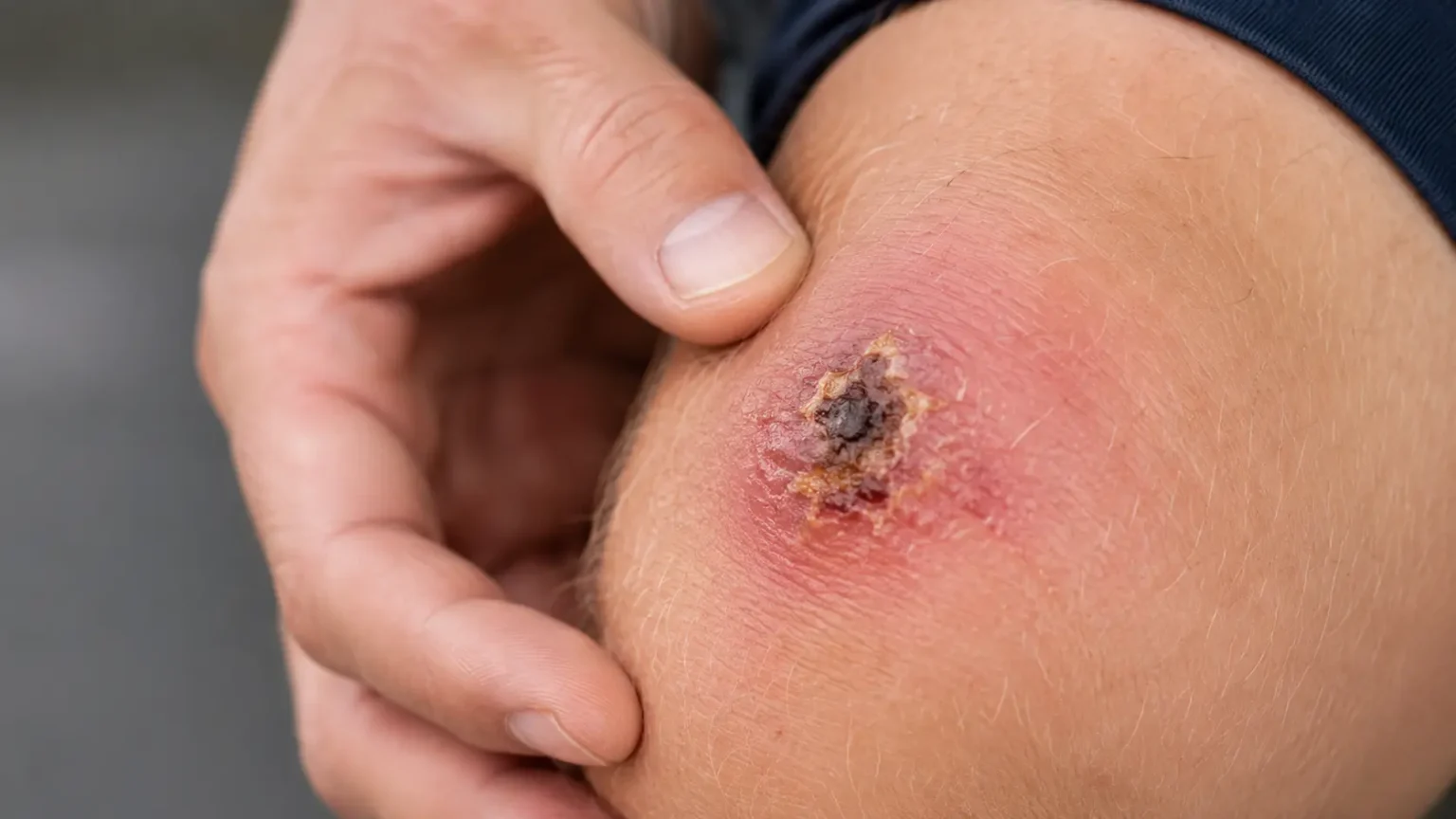

Infected Scab: 7 Warning Signs You Shouldn’t Ignore
A scab usually means your body is doing exactly what it should after a cut, scrape, blister, or other minor skin injury. It forms over damaged skin as part of the natural wound-healing process, helping protect the tissue underneath while new skin develops. During this stage, mild tenderness, itching, or a small amount of redness near the injury may occur without necessarily meaning something is wrong.
Problems can develop, however, when bacteria enter the damaged skin and begin multiplying. An infected scab may become increasingly painful, swollen, warm, or surrounded by spreading discoloration instead of gradually improving. Pus, unpleasant-smelling drainage, fever, or red streaks extending away from the wound are additional warning signs that deserve attention.
Recognizing infection early matters because an infection that begins close to the surface can sometimes spread into surrounding skin and deeper tissues. Cellulitis, for example, is a bacterial skin infection that may cause increasing warmth, swelling, tenderness, and expanding skin discoloration. More serious infections can occasionally cause fever or make someone feel generally unwell.
The challenge is knowing which changes belong to normal healing and which suggest trouble. This guide explains seven warning signs of an infected scab, what a healthy scab normally looks like, common causes of wound infection, practical wound-care steps, and situations in which professional medical treatment is the safer choice.
What Is an Infected Scab?
A scab develops when blood and other components of the body’s clotting response dry over an injured area of skin. Underneath that temporary covering, the body repairs damaged tissue and gradually grows new skin. The scab normally loosens and falls away naturally after enough healing has occurred beneath it.
An infected scab develops when microorganisms, most often bacteria, multiply within or around damaged tissue. Broken skin provides an entry point that would not normally exist when the skin barrier is intact. Cuts, abrasions, scratched insect bites, popped pimples, burns, surgical wounds, and repeatedly picked scabs can all potentially become infected.
Early wound infection may appear relatively mild. The area might feel more tender than expected, become warmer, or develop increasing redness, swelling, or drainage. Instead of symptoms becoming less noticeable over several days, they often persist or become progressively worse, which is one of the most useful differences between normal healing and possible infection.
Not every unusual-looking scab is infected. Dried blood can appear dark brown, reddish, or nearly black, while dried wound fluid can produce yellowish crusting during healing. What matters most is the overall pattern: increasing pain, swelling, warmth, pus, spreading redness, bad odor, fever, or deterioration are much more concerning than color alone.
7 Warning Signs of an Infected Scab
1. Redness that keeps spreading is one of the most important signs to watch. A little discoloration immediately around a fresh wound can occur as part of normal inflammation, but redness or darker discoloration that expands outward rather than improving can suggest infection. On darker skin tones, infection may appear red, purple, brown, or simply noticeably different from the surrounding skin.
2. Increasing warmth or swelling and 3. worsening pain or tenderness are additional warning signs. A fresh scrape can naturally feel sore, but the discomfort should generally move toward improvement. When a previously manageable wound becomes increasingly throbbing, swollen, hot, or painful to touch, bacteria may be causing inflammation within the surrounding tissue.
4. Pus or unusual drainage and 5. a new unpleasant odor should also get your attention. Thick yellow, green, cloudy, or pus-like drainage can occur with wound infection, particularly when accompanied by increasing tenderness or swelling. Drainage that develops a new or worsening bad smell is another reason to have the wound evaluated rather than repeatedly covering it and hoping it resolves.
6. Red or discolored streaks spreading away from the wound and 7. fever or feeling generally unwell can indicate that the problem is becoming more significant. Fever, chills, fatigue, rapidly expanding discoloration, or streaking extending from an infected area should not be treated as ordinary scab healing. These symptoms justify prompt medical evaluation, particularly when they progress quickly.
What Does a Normally Healing Scab Look Like?
A normal healing wound typically changes gradually rather than becoming progressively more inflamed. Immediately after an injury, the area may bleed, become mildly swollen, and look red or darker than the surrounding skin. As clotting occurs, a crust or scab can form over the surface while tissue repair continues underneath.
During healing, mild itching can occur as the skin repairs itself. The scab may also become dry, firm, or darker before eventually loosening. These changes alone are not strong evidence of infection, particularly if pain and swelling are decreasing and the surrounding skin appears increasingly normal from day to day.
A small amount of clear or lightly colored fluid can sometimes occur with a fresh wound. What becomes more concerning is increasing drainage, particularly when it becomes thick, cloudy, green, or yellow and occurs alongside worsening pain, heat, swelling, or spreading discoloration. Monitoring the direction of change is therefore more useful than judging one isolated characteristic.
Healthy wound healing generally progresses toward less tenderness, less inflammation, and better closure. Infection often moves in the opposite direction. If the wound becomes increasingly painful, begins opening instead of closing, develops pus, or looks substantially worse after appearing to improve, it is reasonable to seek medical advice rather than waiting for the scab to fall off.
Why Do Scabs Become Infected?
Bacteria can enter whenever the skin’s protective barrier has been broken. Even a seemingly harmless scrape creates an opening between the outside environment and vulnerable tissue underneath. The risk may increase when dirt or debris remains inside the wound, when hands touch it repeatedly, or when wound-care practices introduce additional contamination.
Picking or scratching a scab is another common problem. Removing a scab before the tissue underneath is ready can reopen the wound, cause bleeding, delay healing, and expose newly repairing skin to bacteria. Repeated picking may also increase the likelihood of noticeable scarring after the injury eventually heals.
Moisture and wound care require balance. A wound should be kept clean and appropriately protected, but continually soaking it or leaving a dirty or wet dressing in place can create problems. Bandages should generally be changed when they become dirty or wet, while the specific care of surgical wounds, stitches, deeper injuries, or burns should follow instructions from the treating healthcare professional.
Some people also have a greater risk of wound complications because their bodies heal less efficiently or fight infection less effectively. Diabetes, impaired circulation, weakened immunity, certain medications, and some chronic health conditions may make seemingly minor wounds more important. People with known wound-healing problems should therefore have a lower threshold for contacting their healthcare provider.
Infected Scab vs. Normal Healing: How Can You Tell?
The most useful question is often not simply, “What does the scab look like?” but, “Is the wound improving or worsening?” Normal healing can include temporary inflammation. However, tenderness, redness, and swelling should generally stabilize and decrease rather than spreading farther into surrounding skin.
For example, mild soreness after scraping your knee yesterday is not unexpected. If three days later the skin is dramatically more painful, noticeably hotter, increasingly swollen, and developing thick drainage, that pattern is considerably more suspicious for infection. A progressive change is usually more meaningful than one symptom viewed by itself.
Color can be particularly confusing. A healing scab might contain dried blood, dark crust, or dried wound fluid, while some infections can produce yellow or golden crusting. Instead of trying to diagnose infection based purely on whether the scab is brown, black, yellow, or red, look for accompanying symptoms such as pus, worsening pain, heat, odor, spreading inflammation, or fever.
It can help to observe the borders of redness or discoloration and compare the area over several hours when you are uncertain. Rapid expansion is concerning. If symptoms are significant, however, do not delay treatment merely to continue watching them—especially when fever, streaking, severe pain, rapidly increasing swelling, or general illness is present.
What Should You Do If a Scab Looks Infected?
Start by washing your hands before touching the wound. For an uncomplicated minor wound, gentle cleaning with water and mild soap around the area can help remove dirt and contamination. Avoid aggressive scrubbing because additional trauma can disturb fragile new tissue and potentially reopen the injury.
After cleaning, gently pat the area dry with clean material and use an appropriate clean dressing when protection is needed. Minor wound-care guidance commonly recommends keeping wounds clean and covered, particularly where clothing, dirt, or repeated contact could disturb the area. Replace the dressing when it becomes wet or dirty.
Do not repeatedly squeeze an infected-looking wound in an attempt to force out pus. Some collections of pus form an abscess and may require drainage by a healthcare professional. Medical treatment for established wound infections can also include wound cleaning, drainage, removal of infected tissue, or antibiotics depending on the cause and severity.
Most importantly, recognize the limits of home care. If redness is spreading, pain is increasing, pus is developing, the wound smells bad, or symptoms are not improving, contact a healthcare professional. Home wound care can support minor injuries, but it cannot reliably replace medical evaluation when a bacterial infection has become established or is progressing.
What Should You Avoid Putting on an Infected Scab?
A common instinct is to pour strong antiseptics onto any suspicious-looking wound. More is not necessarily better. Hydrogen peroxide and some harsh antiseptic products can irritate healing tissue, which is why routine wound-care guidance often recommends gentle cleaning rather than repeatedly exposing healing tissue to irritating chemicals.
Avoid applying random home remedies, essential oils, powders, toothpaste, concentrated alcohol, or unverified herbal products to an open or infected-looking wound. Products that are safe on intact skin may cause irritation when placed directly onto damaged tissue, and some can make it harder to assess how the wound is actually progressing.
You should also avoid using leftover prescription antibiotics simply because a scab appears infected. Different infections require different treatments, and some skin infections may need drainage rather than medication alone. Using an inappropriate antibiotic can delay proper treatment and contribute to unnecessary antibiotic exposure.
Finally, resist picking off the scab to “let the infection breathe.” A scab that is healing normally should generally be allowed to separate naturally. When infection is suspected, a clinician may sometimes need to clean or open part of a wound, but that is very different from repeatedly peeling, cutting, squeezing, or digging into the wound yourself.
When Does an Infected Scab Need Medical Attention?
Contact a healthcare professional when a wound develops increasing redness or discoloration, swelling, warmth, pain, pus, unpleasant-smelling drainage, or failure to heal. Medical assessment is also sensible when the wound repeatedly reopens or symptoms become worse instead of gradually improving.
More urgent attention is appropriate when discoloration rapidly spreads, streaks extend away from the wound, fever develops, or you feel significantly unwell. Cellulitis can spread through deeper layers of skin and may become serious if treatment is delayed. Early recognition and appropriate antibiotics can prevent an uncomplicated skin infection from becoming a larger problem.
The location and cause of the wound matter too. Deep punctures, animal or human bites, wounds containing foreign material, major burns, surgical wounds, and injuries involving the face, hands, joints, or other sensitive areas may require professional assessment even when the visible scab looks relatively small.
Seek advice sooner if you have diabetes, significant circulation problems, a weakened immune system, or another condition that interferes with wound healing. What looks like a minor infected cut in one person can become more complicated in someone with reduced healing ability, so individual health circumstances should always influence decisions about treatment.
How Do Doctors Treat an Infected Scab?
Treatment depends on what is happening beneath and around the scab. A healthcare professional may examine the wound for spreading inflammation, drainage, retained debris, dead tissue, or a collection of pus. They may also ask when the injury happened, how it occurred, what treatments you have used, and whether you have developed fever or other symptoms.
A small superficial infection may sometimes require local wound care or prescription topical treatment. More extensive skin infection may require oral antibiotics. The choice depends on factors such as the type, size, location, and severity of infection as well as the person’s general health.
If pus has collected underneath the skin in an abscess, drainage may be necessary. Simply taking antibiotics is not always sufficient for every abscess, which is one reason squeezing an infected scab at home is discouraged. Surgical wound infections may similarly require drainage, wound opening, cleaning, or removal of infected or dead tissue in addition to medication.
Follow-up can be important because the healthcare professional needs to know whether treatment is working. Redness, swelling, pain, and drainage should begin moving in the right direction once an infection responds appropriately. Symptoms that continue spreading or systemic symptoms that worsen despite treatment need reassessment rather than simply waiting longer.
How to Prevent a Scab From Becoming Infected
Good wound care begins with clean hands. Wash your hands before touching a fresh cut or changing a dressing so bacteria from your fingers are less likely to reach damaged tissue. Gently rinse minor cuts and scrapes with clean running water and clean the surrounding skin rather than aggressively scrubbing inside the wound.
Remove visible dirt when it can be done safely, but seek medical help if debris is deeply embedded or cannot be removed easily. Foreign material left inside a wound can interfere with healing. Deep punctures and heavily contaminated wounds can also require additional assessment beyond routine cleaning.
Use a clean dressing when appropriate and change it whenever it becomes wet or dirty. A protected wound is less exposed to rubbing, dirt, and repeated touching. Avoid picking the scab even when it becomes itchy because disturbing the healing surface can cause bleeding, prolong recovery, and potentially increase scarring.
It is also worth checking whether your tetanus vaccination is current after certain injuries, particularly deep or contaminated wounds. The recommended timing depends on the wound and your previous vaccination history, so contact a healthcare professional when you are uncertain rather than assuming every cut requires the same approach.
Can an Infected Scab Heal on Its Own?
Very minor irritation around a healing wound can improve with appropriate cleaning and protection, especially when there is no true bacterial infection. This is why it is important not to assume that every red or tender scab needs antibiotics. The body normally creates some inflammation while repairing injured tissue.
A genuine infection, however, deserves more caution. Some superficial infections remain limited, while others can expand into surrounding skin. There is no reliable way to predict from appearance alone that an infection showing worsening symptoms will definitely resolve without treatment.
Waiting becomes particularly risky when symptoms are progressing. Spreading redness, increasing pain, swelling, warmth, pus, red streaks, or fever suggest that the process is moving beyond ordinary healing. These are situations where professional medical advice is safer than experimenting with additional home remedies.
Think of the trend as your guide. A healing wound should gradually look and feel better. A wound that looks increasingly angry, painful, swollen, wet, or widespread deserves attention. Early treatment is generally easier than dealing with an infection after it has spread into a larger area of surrounding tissue.
How Long Should a Scab Take to Heal?
There is no universal healing time for every scab because wounds vary considerably. A small superficial scrape can heal much faster than a deep cut, large abrasion, burn, surgical incision, or wound occurring in an area that experiences constant movement and friction.
Age, nutrition, circulation, health conditions, medications, smoking, wound depth, and infection can all affect healing speed. This is why comparing your scab with someone else’s injury is not particularly useful. Instead, watch whether your own wound shows steady improvement.
A scab that remains visible for some time is not automatically infected. More important warning signs include a wound becoming increasingly painful, developing new drainage, producing pus, becoming hot or swollen, or showing expanding redness or discoloration.
If a wound seems stuck rather than gradually closing, especially over a prolonged period, have it assessed. A healthcare professional can check for infection, retained material, poor circulation, repeated trauma, or another issue interfering with normal wound healing.
The Bottom Line: Don’t Ignore a Worsening Scab
Most scabs are simply evidence that your skin is healing. A dry crust, mild itching, slight tenderness, or modest inflammation soon after an injury can all occur during recovery. What should raise concern is a wound that stops behaving like something that is healing and begins becoming progressively worse.
The seven major infected scab warning signs are spreading redness or discoloration, increasing warmth or swelling, worsening pain, pus or abnormal drainage, unpleasant odor, streaks extending from the wound, and fever or feeling generally unwell. A combination of these symptoms strengthens the possibility that medical assessment is needed.
For minor wounds, keeping the area clean, appropriately covered, and protected from repeated picking can support normal healing. Avoid harsh chemicals and unproven remedies that may irritate new tissue. If the wound already looks infected, particularly when symptoms are increasing, do not rely solely on home care.
Most importantly, pay attention to change over time. A normal scab generally moves toward less pain and inflammation as the skin repairs itself. An infected scab often moves in the opposite direction. Recognizing that difference early can help you get appropriate treatment before a small wound develops into a more serious skin infection.
Frequently Asked Questions
What does an infected scab look like?
An infected scab may have spreading redness or discoloration, swelling, warmth, pus, or unusual drainage. The area may also become increasingly painful instead of gradually improving.
Is yellow stuff on a scab always an infection?
No. Some dried wound fluid can look yellow during normal healing. Thick yellow or green pus combined with worsening pain, swelling, warmth, odor, or redness is more concerning for infection.
Should I remove a scab if it is infected?
Do not peel or dig off a scab yourself. If infected tissue or pus needs to be removed or drained, a healthcare professional can determine the safest way to treat the wound.
Can I put hydrogen peroxide on an infected scab?
Repeated hydrogen peroxide use can irritate healing tissue and is generally not recommended for routine wound cleaning. Gentle water-based cleaning is usually preferred unless a healthcare professional advises otherwise.
When should I worry about an infected scab?
Seek medical advice for spreading redness, increasing pain, swelling, warmth, pus, foul drainage, or poor healing. Fever, red streaks, rapid spreading, or feeling very unwell warrants more urgent evaluation.