

Halal Food: Meaning, Rules, Examples & What to Eat
Halal food refers to food and drink that are permissible under Islamic dietary principles. The Arabic word halal generally means permitted or lawful, while haram refers to things that are prohibited. For food, halal rules influence which animals may be eaten, how meat is slaughtered, which ingredients are acceptable, and how food is prepared or handled. Many familiar foods such as vegetables, fruits, grains, beans, fish, eggs, and milk can be halal when they do not contain prohibited ingredients or become contaminated during preparation. Meat requires additional consideration because the animal species, slaughter process, and handling can affect whether it is considered halal.
Halal eating is sometimes misunderstood as simply avoiding pork, but the rules are broader than that. Pork and pork-derived ingredients are prohibited, and intoxicating alcohol is also generally considered haram for consumption. Meat from otherwise permissible land animals must normally meet specific slaughter requirements to qualify as halal. Ingredients such as gelatin, enzymes, flavorings, shortening, and food additives may also require investigation because their source can determine their halal status. The result is that two products that look nearly identical on a supermarket shelf may have different halal classifications depending on how they were manufactured.
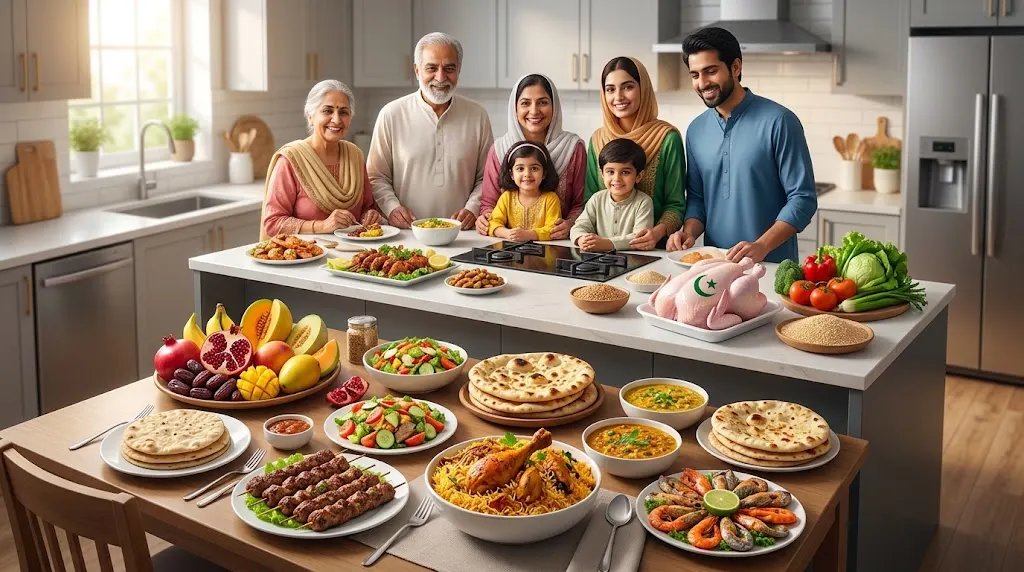
At the same time, halal food includes an enormous range of cuisines rather than one specific style of cooking. A halal meal might be Pakistani biryani, Turkish kebabs, Malaysian noodles, Moroccan tagine, American grilled chicken, Italian pasta, Mexican tacos, Japanese seafood, or a simple bowl of fruit and yogurt. What determines halal status is primarily the ingredients and preparation rather than the nationality of the dish. This is why halal restaurants can serve almost any cuisine when they follow suitable sourcing and handling practices. For Muslim consumers, knowing what questions to ask can make eating at home or away much easier.
Halal certification can help consumers identify products or businesses that have been reviewed according to a particular certifying organization’s standards. A halal logo may indicate that ingredients, production methods, meat sourcing, sanitation, and possible cross-contact have been assessed. Standards can vary somewhat between organizations and Islamic scholarly interpretations, especially around issues such as stunning, seafood, alcohol used during processing, or certain food additives. Certification therefore provides useful assurance but does not mean every Muslim follows precisely the same interpretation. People may choose products according to the guidance they personally follow.
This guide explains the meaning of halal food, halal dietary rules, common examples, foods to avoid, halal meat, ingredient labels, restaurant choices, certification, and what Muslims can eat. The goal is to provide an accessible overview rather than issue religious rulings for every unusual ingredient or situation. When a food’s status is uncertain, consulting a trusted halal certifier or knowledgeable religious authority can provide more specific guidance. Most everyday halal eating becomes straightforward once the main principles are understood. Learning those principles also helps restaurants, food manufacturers, and non-Muslim hosts accommodate halal diners more confidently.
What Does Halal Food Mean?
The word halal comes from Arabic and broadly describes something that is lawful or permissible within Islamic teachings. Food is one of the areas where the term is most commonly encountered, although halal can apply to many other parts of life. A halal food is therefore something that Muslims are permitted to consume according to applicable Islamic dietary rules. Many foods are naturally permissible and require little special preparation. Others, particularly meat and processed products, require closer attention to their source and production. Understanding halal begins with this distinction between foods that are clearly permissible and foods that need additional verification.
The opposite of halal is haram, meaning prohibited or unlawful. Common examples of haram foods include pork and pork products, blood intended for consumption, and intoxicating alcoholic drinks. Meat from animals that are not permissible species or have not been slaughtered according to accepted halal requirements can also be prohibited. Certain processed ingredients can become problematic when they are derived from prohibited sources. This is why ingredient origin matters rather than only the ingredient’s technical name. A consumer may need to know whether gelatin, for example, comes from halal-certified beef, fish, pork, or another source.
Another useful concept is tayyib, a word associated with goodness, wholesomeness, and cleanliness. Halal and tayyib are related ideas but are not identical nutritional labels. A food can technically contain permissible ingredients while still being high in sugar, salt, or saturated fat. Islamic dietary compliance therefore does not automatically mean a product is nutritionally superior. A balanced halal diet can still prioritize vegetables, fruits, whole grains, lean protein, legumes, and suitable fats. Healthfulness ultimately depends on the overall diet, portions, and individual nutritional needs as well as religious permissibility.
Halal food rules also concern preparation and contamination. A permissible ingredient may become unacceptable to some consumers if it is cooked directly with prohibited substances or contaminated by shared equipment. For example, halal meat cooked on a surface covered with pork fat would raise concerns even though the meat itself was originally halal. Restaurants serving both halal and non-halal items therefore need appropriate procedures when they claim to provide halal meals. Separate utensils, storage, preparation areas, or cooking equipment may be necessary depending on the situation and certification standard.
There can be legitimate differences in how Muslims interpret particular food questions. Islamic legal schools, scholars, communities, and halal certification organizations may differ on certain details, including some seafood, mechanical slaughter practices, stunning methods, tiny quantities of alcohol used in manufacturing, and particular additives. These differences should not be mistaken for a lack of underlying dietary principles. The major prohibitions and general concept of halal remain widely understood. When serving a particular Muslim guest, asking about their preferences is often more helpful than assuming every Muslim follows exactly the same standard.
What Are the Main Halal Food Rules?
One of the basic halal dietary rules is that pork and its derivatives are prohibited. This includes obvious foods such as bacon, ham, pork chops, and pork sausage, but pork-derived ingredients can also appear in less obvious products. Gelatin, lard, certain emulsifiers, flavorings, enzymes, and processing aids may sometimes be sourced from pigs. Consumers following halal requirements therefore often check labels or look for reliable certification on processed foods. Plant-based alternatives are generally easier to assess because their ingredients do not involve animal slaughter. However, even vegetarian products can contain alcohol or other ingredients requiring consideration.
Alcohol intended as an intoxicating beverage is another major concern. Beer, wine, spirits, and other intoxicating drinks are generally prohibited for Muslims. Alcohol can also appear in desserts, sauces, marinades, flavor extracts, confectionery, and restaurant dishes. Whether very small residual quantities or alcohol used during manufacturing are acceptable can be treated differently by various scholars and certification organizations. Consumers who want to avoid uncertainty often choose products carrying halal certification or clearly alcohol-free formulations. Restaurant staff should be able to explain whether wine, spirits, or alcohol-containing sauces are used in a dish.
Permissible meat must come from an animal species that Muslims are allowed to eat and must generally meet halal slaughter requirements. Common halal species include cattle, sheep, goats, and chickens when they are slaughtered appropriately. Pork remains prohibited regardless of how it is slaughtered. Animals that die before proper slaughter, depending on the circumstances, are generally not considered halal meat. The slaughter process is intended to distinguish halal meat from ordinary meat whose source or method is unknown. Halal-certified suppliers help restaurants and consumers verify that these requirements have been addressed.
Blood is also prohibited for consumption as food, which is one reason proper draining of blood forms part of halal slaughter. This rule should not be interpreted to mean that halal meat literally contains no traces of blood or biological fluids, because ordinary meat naturally contains moisture and pigments such as myoglobin. The concern relates to consuming flowing blood rather than demanding an unrealistic absence of every red-colored substance. Proper slaughter and processing are intended to meet the religious requirement. Misunderstanding this point can create myths about what halal meat is supposed to look like.
Cross-contact and processing matter when halal and haram foods are handled in the same facility. A potato is naturally halal, but frying it in oil that is also used for pork products may make it unacceptable to consumers following stricter halal handling standards. Similarly, halal-certified chicken may raise concerns if it is prepared using utensils coated with prohibited ingredients. Commercial halal certification programs often evaluate these operational details alongside ingredient lists. At home, simple separation and clean equipment can usually prevent most problems. In restaurants, diners may need to ask how food is cooked rather than only whether an ingredient itself is halal.
What Makes Meat Halal?
Halal meat begins with an animal species that is permissible to eat. Cattle, sheep, goats, and poultry are among the most familiar examples when all other halal requirements are satisfied. Pork is prohibited, so no slaughter method can make pork halal. Other animals may have more specific rulings, and seafood is treated separately in many discussions of Islamic dietary law. The animal should also be alive at the time required by the applicable slaughter standard. Because consumers usually cannot verify every stage personally, trustworthy suppliers and certification systems play an important role in modern food markets.
The traditional halal slaughter process is known as dhabiha or zabiha, with spelling varying across languages and communities. It involves making an appropriate cut to the animal’s neck using a sharp instrument while invoking the name of God according to Islamic requirements. The process is intended to sever major passages and blood vessels so that blood drains effectively. Animal welfare, proper handling, and avoiding unnecessary suffering are important considerations as well. Commercial slaughter facilities must also comply with applicable food-safety and animal-welfare regulations in their country. The combination of religious and legal requirements shapes modern halal meat production.
Stunning before slaughter is one area where halal standards can differ. Some halal authorities accept reversible stunning when the animal remains alive and could recover if slaughter did not occur. Other authorities or consumers prefer meat from animals that were not stunned beforehand. Because different countries and certification organizations follow different interpretations, a generic “halal” label may not answer every consumer’s specific question about stunning. People with a particular preference can look for certification information or ask the supplier directly. Restaurants should avoid making claims about slaughter methods unless they have reliable information from their meat provider.
Halal slaughter is not simply about a ceremonial phrase. The species, condition of the animal, identity and actions of the slaughterer under the applicable standard, cutting method, blood drainage, equipment, and handling can all matter. Meat must also remain protected from prohibited contamination during processing, storage, transportation, and cooking. For this reason, halal compliance continues after slaughter. A certified processing facility may have procedures separating halal products from non-halal meat and maintaining traceability throughout the supply chain. These controls provide consumers with greater confidence that the meat they purchase matches the stated standard.
Halal meat should still be handled according to ordinary food-safety principles. Religious certification does not make raw meat immune to bacteria or spoilage. Consumers should refrigerate or freeze meat appropriately, prevent raw meat from contaminating ready-to-eat foods, cook products to safe temperatures, and follow storage guidelines. A halal logo addresses religious compliance rather than replacing public-health standards. High-quality halal food therefore combines appropriate religious practices with good hygiene, traceability, temperature control, and responsible handling throughout the food chain.
What Foods Are Naturally Halal?
Most fruits and vegetables are naturally halal because they do not involve prohibited animal ingredients or slaughter. Apples, bananas, oranges, berries, dates, grapes, carrots, tomatoes, spinach, potatoes, cucumbers, and countless other plant foods can form part of a halal diet. Fresh produce is generally straightforward unless it has been prepared with a prohibited sauce, alcohol, animal fat, or other non-halal ingredient. Frozen and canned vegetables are also usually uncomplicated when their ingredient lists are simple. Plant foods make halal meal planning flexible because they work across cuisines, budgets, and dietary preferences.
Grains and staple carbohydrates are also generally halal in their basic forms. Rice, oats, wheat, barley, corn, quinoa, pasta, bread, couscous, and similar foods can provide the foundation for many meals. Processed versions need more attention because bread, pastries, flavored rice, and packaged snacks may contain shortening, animal-derived enzymes, gelatin, alcohol-based flavorings, or other uncertain additives. Simple products with recognizable plant-based ingredients tend to be easier to evaluate. Halal certification can provide additional reassurance when a processed product contains several unfamiliar ingredients.
Legumes, nuts, and seeds are another naturally halal category. Beans, chickpeas, lentils, peas, peanuts, almonds, walnuts, pistachios, sesame seeds, chia seeds, and sunflower seeds provide protein, fiber, minerals, and other nutrients. These foods are particularly useful for people who want halal meals without depending heavily on meat. Hummus, lentil soup, bean chili, chickpea curry, and nut-based snacks can all fit easily into halal eating. The main concerns arise when flavorings, cooking fats, alcohol, or non-halal meat products are added. Plain varieties are generally the easiest choice.
Milk, plain dairy products, and eggs are commonly consumed as halal foods, although highly processed dairy products may require closer ingredient checking. Cheese can contain enzymes or rennet derived from different animal or microbial sources, which makes some consumers look for halal certification, vegetarian rennet, or clearly identified microbial enzymes. Yogurt desserts may include gelatin, while flavored dairy drinks can contain additional ingredients. Eggs themselves are generally straightforward when they come from permissible birds. As with many food categories, processing introduces more questions than the basic ingredient.
Seafood is widely consumed by Muslims, although detailed rulings vary among Islamic schools of thought. Many Muslims consider fish and a broad range of seafood halal without requiring the slaughter process used for land animals. Some communities follow narrower interpretations regarding shellfish or specific aquatic animals. A fish dish can also become problematic if it is cooked with wine, pork-derived ingredients, or contaminated equipment. Therefore, saying “seafood is halal” may be insufficient for every diner. When preparing food for someone else, asking about their personal practice can prevent misunderstandings.
Common Examples of Halal Meals and Foods
Breakfast can be one of the easiest meals to make halal. Oatmeal topped with fruit, nuts, honey, or seeds contains naturally permissible ingredients when no questionable additives are included. Eggs with vegetables, toast, and halal-certified turkey or beef sausage provide another option. Yogurt with granola and berries can work when the yogurt and granola do not contain problematic gelatin or flavorings. Pancakes, waffles, and cereals may also be suitable after checking processed ingredients. Halal eating therefore does not require a specialized breakfast cuisine or complicated recipes.
Lunch might include grilled halal chicken with rice and vegetables, a lentil soup with bread, a chickpea salad, or a falafel wrap. Burgers can be halal when the beef or chicken comes from a verified halal source and toppings and sauces contain no prohibited ingredients. Pizza can also qualify when the cheese and meat toppings meet the consumer’s halal requirements. Vegetarian meals often make restaurant selection easier, although alcohol-containing sauces or cross-contact may still matter. The possibilities are broad because halal describes permissibility rather than a fixed menu.
Traditional cuisines from Muslim-majority regions provide countless examples of halal-friendly dishes. South Asian cuisine offers biryani, chicken karahi, kebabs, daal, vegetable curries, and rice dishes when halal ingredients are used. Middle Eastern cuisines include hummus, falafel, shawarma, grilled meats, tabbouleh, rice, and flatbreads. Turkish cooking offers kebabs, lentil soup, pide, and many vegetable dishes, while Malaysian and Indonesian cuisines include rice, noodles, curries, and grilled foods. These cuisines may have strong halal traditions, but individual restaurants should still be verified because location and ownership do not guarantee certification.
Halal food can also include dishes commonly associated with Western cuisines. A halal steak with roasted potatoes, chicken pasta without alcohol, beef tacos, grilled fish, sandwiches, soups, salads, and even barbecue can all be acceptable when ingredients and preparation follow halal requirements. Desserts such as cakes, cookies, ice cream, and chocolate can likewise be halal. The main challenge with desserts is often gelatin, alcohol-based flavorings, confectioner’s glaze, or other processing ingredients rather than the basic flour and sugar. Reading labels or using certified products makes these choices easier.
Snacks can be equally diverse. Fresh fruit, plain nuts, popcorn made with suitable ingredients, hummus with vegetables, crackers, chips, dates, and many chocolates can fit within a halal diet. Highly processed snacks deserve closer examination because cheese powders, meat flavorings, emulsifiers, gelatin, and flavor carriers may have uncertain sources. A vegetarian label can sometimes help but does not automatically guarantee halal status because alcohol may still be used. Vegan products avoid animal-derived ingredients but can likewise contain alcohol. Halal certification remains the clearest shortcut when ingredient sourcing is difficult to determine.
What Foods and Ingredients Are Not Halal?
The clearest example of non-halal food is pork and pork-derived products. Bacon, ham, pork sausage, pepperoni made from pork, lard, and pork broth are obvious examples. Less obvious derivatives can appear in gelatin, shortening, flavorings, enzymes, and other manufactured ingredients. Food labels do not always state the animal source directly, particularly when an ingredient has been highly processed. Consumers who follow halal requirements may therefore choose certified alternatives rather than trying to trace every uncertain derivative. Restaurants should also disclose pork-based stocks or fats that might not be visible in the finished dish.
Alcoholic beverages are another major prohibited category. Wine, beer, vodka, whisky, rum, and other intoxicating drinks are generally not halal for consumption. Food can also contain alcohol when wine is used in sauces, spirits are incorporated into desserts, or liqueurs are used in chocolates. Cooking does not necessarily provide a simple answer because the amount of alcohol remaining depends on ingredients and preparation. Different halal authorities may also evaluate trace or processing alcohol differently. Consumers who want to avoid uncertainty can select dishes and products that are clearly made without intoxicating alcohol.
Meat from animals that are not permissible or that do not meet accepted halal slaughter requirements is another concern. A beef burger is not automatically halal simply because beef itself is a permissible species. If the animal was slaughtered under a method the consumer does not accept as halal, the resulting meat may not meet their dietary standard. Chicken, lamb, and goat are subject to similar considerations. This is why halal restaurants generally source meat specifically from halal-certified suppliers rather than purchasing ordinary supermarket meat and describing the dish as halal.
Gelatin is one of the ingredients halal consumers commonly check. It can be produced from pig skin, cattle, fish, or other animal tissues, and the label may not always reveal the source. Pork-derived gelatin is prohibited, while halal-certified bovine gelatin or acceptable fish gelatin can provide alternatives depending on the consumer’s interpretation. Gelatin appears in gummies, marshmallows, desserts, yogurt products, capsules, and confectionery. Plant-based gelling agents such as agar, pectin, and carrageenan can avoid many animal-source concerns. Certification is especially useful when the origin of gelatin cannot be determined from the package.
Other ingredients can fall into a gray area because their source or manufacturing process varies. Enzymes, emulsifiers, mono- and diglycerides, natural flavors, glycerin, shortening, cheese rennet, confectionery coatings, and certain additives may come from plant, microbial, synthetic, or animal sources. Their complicated names do not mean they are automatically haram. The important question is where they came from and how they were processed. Rather than treating every unfamiliar ingredient as forbidden, consumers can check manufacturer information or choose halal-certified products when certainty is important.
How to Read Food Labels for Halal Ingredients
The simplest way to shop for halal packaged food is to look for a recognized halal certification mark. Certification indicates that a qualified organization has evaluated the product against its standards rather than leaving consumers to investigate every ingredient themselves. Halal symbols differ between countries and certification bodies, so shoppers may encounter several logos. Familiarity with reputable organizations in the local market can make shopping faster. Certification can be especially valuable for meat, confectionery, cheese, processed meals, supplements, and products containing complex flavor systems.
When certification is unavailable, start with the full ingredient list rather than relying only on the product name. Foods marketed as “beef flavored,” “vegetarian style,” or “alcohol-free tasting” can contain unexpected ingredients. Look for obvious prohibited substances such as pork, lard, bacon, wine, spirits, or pork gelatin. Next, identify ingredients whose source matters, including gelatin, animal fat, enzymes, rennet, and certain emulsifiers. Manufacturers may provide additional sourcing information on their websites or through customer service. An ingredient that appears uncertain should be investigated rather than automatically assumed to be halal or haram.
A vegetarian or vegan label can simplify some halal questions but should not be treated as the same thing as halal certification. Vegan foods avoid animal ingredients, which removes concerns about pork, non-halal meat, and animal-derived gelatin. However, vegan products can still contain alcohol or be manufactured according to standards unrelated to halal requirements. Vegetarian products may include dairy ingredients produced using animal-derived enzymes. These labels are useful clues rather than complete substitutes for halal verification. Consumers should combine them with ingredient information and their own religious standard.
“Alcohol-free” labeling can also require interpretation. Some beverages and foods may legally be described using alcohol-related wording even when tiny residual quantities are present, depending on local regulations. Halal certification standards may define acceptable limits or manufacturing processes differently. Flavor extracts can also use alcohol as a carrier during production. Consumers who follow particularly strict standards may prefer certified products rather than relying on general commercial terminology. This is one area where local halal authorities can provide guidance tailored to products available in a particular country.
Ingredient lists can change over time, so a product that was previously suitable may not always remain identical. Manufacturers reformulate recipes, change suppliers, or move production between facilities. Halal certification can also expire or change. People with strict dietary needs often develop the habit of checking packaging periodically instead of relying indefinitely on an old assumption. This is particularly sensible for imported foods or products frequently reformulated. A few seconds of label checking can prevent uncertainty later.
How to Eat Halal at Restaurants and While Traveling
The easiest restaurant option is usually a business that clearly identifies itself as halal certified or states that all meat comes from a verified halal supplier. Certification can provide greater confidence about sourcing and preparation, although consumers may still ask questions if they follow a particular standard. A restaurant using only halal meat is simpler to evaluate than one serving halal and non-halal meats side by side. Online menus and restaurant descriptions can provide useful clues before visiting. However, terms such as “halal-friendly” can be vague and deserve clarification.
When a restaurant is not fully halal, ask specific rather than general questions. Instead of simply asking, “Is this halal?” it can be more helpful to ask whether the chicken or beef is halal-certified, whether pork is cooked on the same grill, and whether the sauce contains wine or spirits. Staff may understand ingredient questions more easily than theological terminology. Clear questions also reveal whether the restaurant actually knows how its food is sourced. If employees cannot answer basic questions, choosing a simpler vegetarian, seafood, or packaged option may provide more confidence.
Vegetarian dishes can be useful when halal meat is unavailable, but they still require some awareness. A vegetarian pasta sauce might contain wine, and a dessert may contain alcohol despite having no meat. Shared fryers can also be used for both vegetarian foods and pork products. Some Muslim diners accept certain shared cooking situations while others prefer strict separation. Personal standards therefore matter. When in doubt, simple foods with fewer ingredients are generally easier to evaluate than complicated sauces or heavily processed dishes.
Travel can make halal eating more challenging in places with few Muslim residents, but planning helps substantially. Grocery stores often provide fruits, vegetables, bread, rice, eggs, dairy products, canned fish, beans, nuts, and other naturally halal foods even when no halal butcher is available. Travelers can also research mosques, Muslim community centers, halal grocery shops, and restaurants before arriving. Seafood and vegetarian cuisine can expand options where appropriate to the traveler’s interpretation. Carrying a few packaged snacks can make long journeys or remote destinations easier.
Language differences can make restaurant communication difficult, so learning a few relevant food words can help. Travelers may need to explain that they do not eat pork, pork fat, alcohol, or non-halal meat rather than expecting everyone to recognize the word halal. Translation apps or written dietary cards can also reduce misunderstandings. In countries where halal labeling is common, certification logos may make shopping easier than conversation. The goal is not necessarily to find familiar cuisine, but to identify food whose ingredients and preparation fit the traveler’s requirements.
Halal vs Kosher: Are They the Same?
Halal and kosher are not the same, although Islamic and Jewish dietary laws share some similarities. Halal refers to what is permissible under Islamic teachings, while kosher refers to food that meets Jewish dietary law, known as kashrut. Both traditions regulate animal species, slaughter, blood, and certain food ingredients. Pork is prohibited under both systems, and both have specialized approaches to permissible meat. These similarities sometimes lead people to assume the terms are interchangeable. In practice, however, each system has distinct rules and religious requirements.
Kosher dietary laws contain detailed rules about separating meat and dairy that do not have an equivalent general requirement in halal food law. A kosher kitchen may therefore maintain separate utensils, cookware, sinks, or preparation systems for meat and dairy products. Halal dietary practice does not normally require separation of meat and dairy in this way. Conversely, alcohol is a major area of difference because certain alcoholic products can be kosher while intoxicating alcohol is prohibited under halal dietary rules. A kosher label therefore does not automatically guarantee that a product meets halal standards.
Slaughter practices also differ. Both halal and kosher systems have religious requirements concerning permitted animals and slaughter, but the qualifications of the slaughterer, prayers or blessings, inspection procedures, equipment, and other details are governed by different bodies of religious law. Stunning is another area where practices differ. A piece of kosher meat should not automatically be described as halal solely because both traditions use religious slaughter methods. Muslims who are uncertain about consuming kosher meat generally follow the guidance of the scholars or authorities they trust.
Certification systems are separate as well. A halal certifier assesses products according to Islamic dietary requirements, while a kosher certification agency evaluates them according to Jewish dietary law. A package may occasionally carry both certifications when its ingredients and production processes satisfy both standards. This can occur with products such as beverages, snacks, ingredients, or manufacturing materials. Dual certification can expand a product’s market, but each logo represents a distinct evaluation. Neither certification should be assumed to replace the other.
For consumers, the practical lesson is to look for the certification that corresponds to their own dietary requirements. A Muslim shopper seeking certainty should normally prioritize trustworthy halal certification rather than assuming a kosher symbol answers every halal question. Likewise, someone following kosher dietary law needs kosher certification rather than a halal label. Understanding the differences avoids oversimplifying two detailed religious food traditions. Both systems deserve to be described accurately rather than treated as interchangeable versions of the same diet.
Frequently Asked Questions About Halal Food
What does halal food mean?
Halal food is food and drink considered permissible under Islamic dietary principles. Its status can depend on the ingredients, animal species, slaughter method, processing, and potential contact with prohibited substances.
What foods can Muslims eat?
Muslims can generally eat fruits, vegetables, grains, legumes, nuts, eggs, suitable dairy products, permissible seafood according to their interpretation, and meat that meets halal requirements. Processed foods may need ingredient checking or halal certification.
Is chicken automatically halal?
No. Chicken is a permissible animal species, but meat sold as halal must also meet the applicable halal slaughter and handling requirements followed by the consumer.
Is vegetarian food always halal?
Not necessarily. Vegetarian food eliminates concerns about meat, but it can still contain alcohol or ingredients whose processing does not meet a particular halal standard.
Does halal mean healthy?
No. Halal describes religious permissibility rather than nutritional quality. A balanced halal diet can be nutritious, but foods high in sugar, salt, or saturated fat do not become healthier simply because they are halal-certified.