
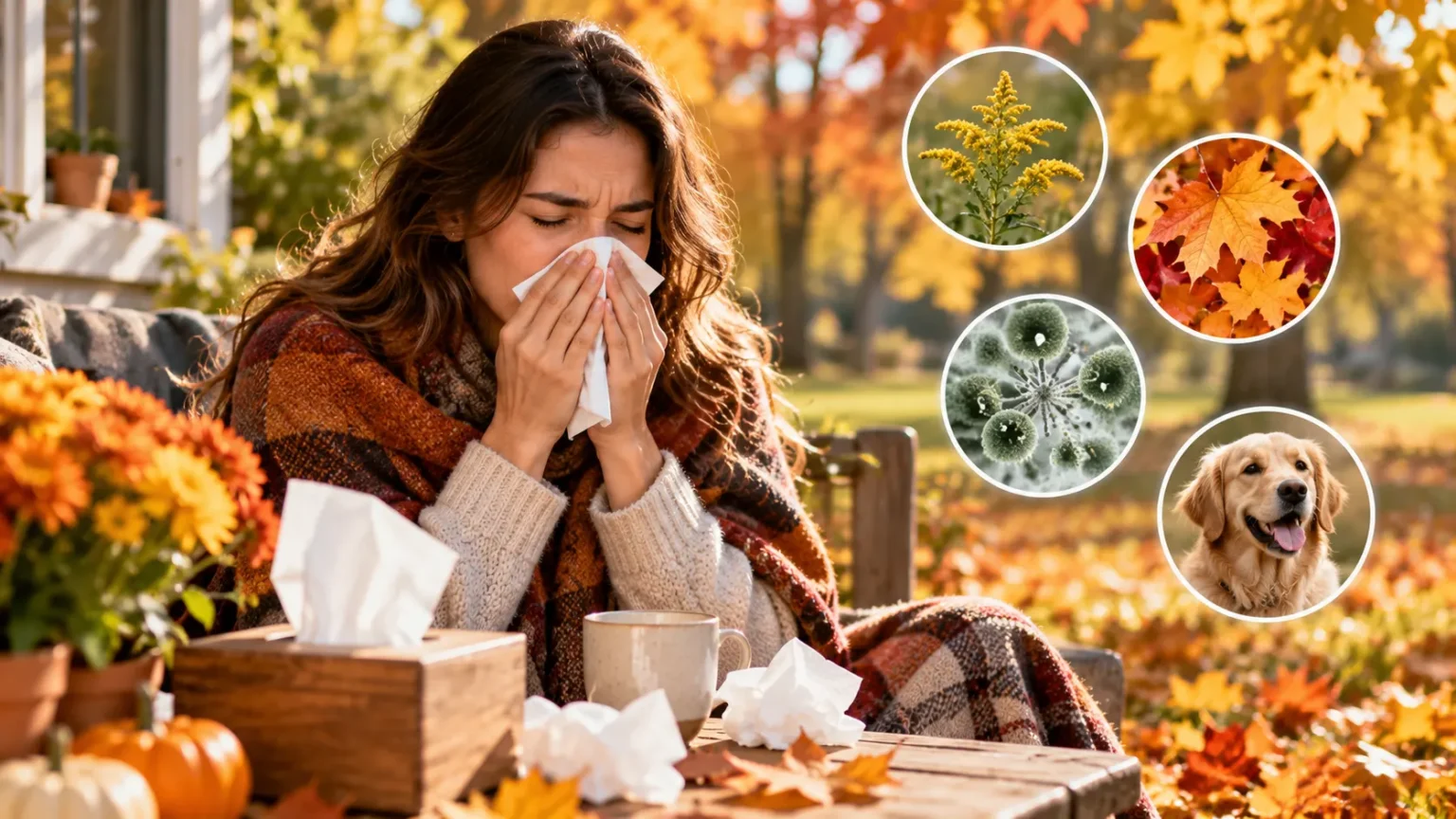

Fall Allergies: Symptoms, Triggers & Relief Tips
Fall allergies can turn a beautiful season of cooler temperatures and changing leaves into weeks of sneezing, congestion, itchy eyes, and constant fatigue. Seasonal allergies occur when the immune system reacts to normally harmless substances such as pollen, mold spores, and other airborne allergens. While spring allergies often get more attention, autumn can be just as difficult for people who are sensitive to ragweed and outdoor mold. Symptoms may begin in late summer and continue well into fall, depending on the climate and local pollen conditions. Some people experience mild irritation, while others have symptoms strong enough to interfere with sleep, work, exercise, or school. Understanding what triggers fall allergies can make seasonal symptoms much easier to manage.
Fall allergy symptoms can also be confusing because they often resemble the common cold and other respiratory illnesses. A runny nose, congestion, cough, sinus pressure, and tiredness can occur in several different conditions, which makes identifying the cause important. Allergy symptoms usually develop after exposure to a trigger and may continue as long as that allergen remains in the environment. Fortunately, several practical strategies can reduce exposure and relieve symptoms, ranging from simple home changes to over-the-counter medications and prescription treatments. People with asthma or severe allergies may need more individualized medical guidance. This guide explains the most common fall allergy symptoms, triggers, treatment options, prevention strategies, and signs that it may be time to see a healthcare professional.
What Are Fall Allergies and Why Do They Happen?
Fall allergies are seasonal allergic reactions that occur when the immune system responds strongly to substances circulating in the environment during autumn. These substances are called allergens and may include ragweed pollen, mold spores, grass pollen, dust mites, and other particles. When a sensitive person inhales an allergen, the immune system may mistakenly identify it as harmful and release chemicals such as histamine. Histamine contributes to symptoms including sneezing, itching, watery eyes, and nasal congestion. The reaction is known as allergic rhinitis when it mainly affects the nose and upper airways. Seasonal allergic rhinitis is also commonly called hay fever, although it is not caused by hay and does not usually produce a fever.
The timing of fall allergies varies depending on geography, weather, temperature, and local plant growth. In many regions, ragweed pollen begins increasing during late summer and can remain in the air until colder weather or the first significant frost reduces pollen production. Mold can continue causing problems even after pollen levels decline because fallen leaves and damp vegetation provide favorable conditions for fungal growth. Warm autumn weather may also extend the allergy season. As climate patterns change, pollen seasons in some areas can begin earlier or last longer than people previously experienced. This means someone who once had symptoms for only a few weeks may notice that their seasonal allergies now continue deeper into fall.
Allergic reactions occur because the immune system produces antibodies against specific environmental substances. When the person encounters the allergen again, immune cells release histamine and other inflammatory chemicals. These substances cause tissues inside the nose and eyes to become irritated, swollen, and more active in producing mucus. This explains why people may experience a combination of congestion, sneezing, runny nose, and watery eyes at the same time. Allergies are therefore different from infections caused by viruses or bacteria. The symptoms result from an immune response to harmless environmental particles rather than from an organism multiplying inside the body.
Some people develop seasonal allergies during childhood, while others first notice symptoms as teenagers or adults. Allergic sensitivity can also change over time, so a person who tolerated autumn pollen in the past may eventually become more reactive. Genetics can influence allergy risk because people with a family history of allergic conditions may be more likely to develop allergic rhinitis, asthma, or eczema. However, family history does not guarantee that seasonal allergies will occur. Environmental exposure, immune responses, and individual sensitivity also contribute. The exact combination of triggers can differ significantly from one person to another.
Fall allergy severity can change from year to year even for the same person. Rainfall, humidity, wind, drought, temperature, and plant growth can all influence the concentration of allergens in the air. Windy days may spread pollen over considerable distances, while damp weather may encourage mold growth around decaying leaves. People may therefore experience severe symptoms one autumn and relatively mild symptoms the next. Tracking symptoms alongside outdoor conditions can help identify patterns. Knowing when symptoms typically begin allows people with predictable seasonal allergies to prepare before the most uncomfortable part of the season arrives.
Common Fall Allergy Symptoms to Watch For
Sneezing is one of the most recognizable fall allergy symptoms and may occur repeatedly after exposure to airborne allergens. Some people experience several sneezes in quick succession, especially after spending time outdoors where pollen concentrations are high. Sneezing often occurs alongside a clear, watery runny nose rather than the thicker nasal discharge that can sometimes develop during respiratory infections. Nasal tissues may also become irritated and swollen, creating a blocked or stuffy feeling. Frequent nose blowing can further irritate the skin around the nostrils. When sneezing and congestion reliably return during the same season each year, seasonal allergies become a likely explanation worth considering.
Itchy eyes are another common feature of autumn allergies, particularly when pollen or mold spores are circulating outdoors. The eyes may look red, watery, swollen, or irritated and can feel as though grit or dust is trapped beneath the eyelids. Rubbing often makes the irritation worse because friction can increase inflammation around delicate eye tissues. Some people also experience itching inside the nose, throat, ears, or roof of the mouth. This widespread itching is particularly suggestive of allergies because ordinary viral colds are less likely to produce intense itchiness. Cool compresses and appropriately selected allergy treatments may help reduce discomfort when eye symptoms become troublesome.
Postnasal drip can develop when excess mucus from the nose drains down the back of the throat. This may cause throat clearing, hoarseness, coughing, or the sensation of mucus constantly collecting behind the nose. Coughing related to allergies can become more noticeable at night when lying down allows drainage to irritate the throat. Although allergies do not usually directly cause a bacterial infection, persistent nasal inflammation can make the upper airways feel uncomfortable for prolonged periods. Some people describe mild pressure around the cheeks, forehead, or nose when congestion is significant. Severe facial pain or symptoms that progressively worsen may require evaluation because another condition could be involved.
Fatigue is an often-overlooked symptom of seasonal allergies. Constant congestion can interfere with sleep quality, particularly when a person struggles to breathe comfortably through the nose at night. The immune response itself may also contribute to feeling tired or mentally sluggish. Certain older antihistamine medications can cause additional drowsiness, making it difficult to determine whether fatigue comes from the allergy or the treatment. Poor sleep may then affect concentration, productivity, mood, and exercise performance during the day. Managing nasal symptoms effectively can sometimes improve energy levels by allowing more restful sleep.
People with asthma may notice more significant respiratory symptoms during fall allergy season. Airborne allergens can contribute to coughing, wheezing, chest tightness, or shortness of breath in susceptible individuals. Seasonal allergic rhinitis and asthma frequently occur together because inflammation can affect different parts of the respiratory system. Anyone with asthma should pay attention to whether symptoms become harder to control during periods of high pollen or mold exposure. Increasing reliance on quick-relief asthma medication or waking at night with breathing symptoms deserves medical attention. Severe difficulty breathing requires urgent care rather than assuming that symptoms are simply part of ordinary seasonal allergies.
Main Fall Allergy Triggers
Ragweed is one of the most important fall allergy triggers in many parts of North America and other regions where the plant grows. Ragweed releases enormous quantities of lightweight pollen that can travel significant distances through the air. People do not need to have ragweed growing directly beside their homes to experience symptoms. Pollen released miles away can be carried by wind into neighborhoods, workplaces, and outdoor recreational areas. Ragweed season commonly begins during late summer and can extend through the early fall months. People who are highly sensitive may notice symptoms as soon as pollen concentrations begin increasing.
Mold is another major autumn allergen because fungal spores can thrive in damp organic material. Piles of fallen leaves, compost, wet grass, and decaying vegetation can provide ideal environments for outdoor mold growth. Activities such as raking leaves or cleaning gardens may disturb these spores and release larger quantities into the surrounding air. Mold exposure can therefore remain significant even after pollen production begins decreasing. Indoor mold can also contribute to symptoms if moisture accumulates in bathrooms, basements, kitchens, or around leaks. Controlling dampness is particularly important for people who know they are sensitive to mold.
Dust mites may become more noticeable as people spend additional time indoors during cooler weather. These microscopic organisms commonly live in bedding, mattresses, upholstered furniture, carpets, and other areas where skin particles accumulate. Dust mite allergens can become airborne when people vacuum, change bedding, or disturb fabrics. Unlike ragweed pollen, dust mites can cause symptoms throughout the year, but seasonal lifestyle changes may make exposure feel worse during autumn. Maintaining appropriate indoor humidity and regularly washing bedding can help reduce mite exposure. People with persistent indoor symptoms may need to consider whether perennial allergies are occurring alongside seasonal fall allergies.
Some grasses and weeds continue releasing pollen during early autumn depending on the regional climate. Plants such as mugwort, cocklebur, lamb’s quarters, and other weeds may contribute to symptoms in sensitive individuals. The exact pollen profile differs greatly from one location to another, which is why local pollen conditions can be more useful than general seasonal calendars. Wind can also transport pollen from areas where plants are actively producing it. A person may therefore react even when they cannot identify any obvious weeds nearby. Allergy testing can help determine which specific pollens are relevant when symptoms are severe, persistent, or difficult to manage.
Indoor environmental changes can indirectly contribute to autumn allergy symptoms as well. People may close windows, turn on heating systems, spend more time around pets, and remain indoors for longer periods as temperatures fall. Heating systems can circulate accumulated dust, pet dander, and other allergens through the home if filters and ducts are poorly maintained. Pets may also carry outdoor pollen on their fur after walking through grass or vegetation. These combined exposures can make it appear that one single allergen is responsible when several are contributing simultaneously. Identifying where and when symptoms become worse can provide useful clues about the most important triggers.
Fall Allergies vs. Colds and Other Respiratory Illnesses
Fall allergies and the common cold can look surprisingly similar because both may cause a runny nose, congestion, sneezing, and cough. One useful difference is that allergies frequently cause significant itching of the eyes, nose, or throat. Colds are viral infections and are more likely to produce symptoms such as a sore throat, general discomfort, and sometimes mild fever. Allergy nasal discharge typically remains clear and watery, although appearance alone cannot reliably determine the cause. A cold usually improves within a limited period as the immune system clears the infection. Seasonal allergy symptoms may continue for weeks whenever exposure to the triggering allergen continues.
The speed at which symptoms develop can provide another clue. Allergy symptoms may appear quickly after a person enters an environment containing pollen, mold, dust, or another trigger. Someone might feel relatively comfortable indoors and suddenly begin sneezing after spending time outside on a windy autumn day. Viral respiratory illnesses generally follow exposure to an infected person and often develop more gradually. Symptoms can then evolve over several days before improving. However, these patterns are not perfect enough for diagnosis by themselves. People can also experience allergies and a viral infection at the same time.
Fever generally points away from uncomplicated seasonal allergies because allergic rhinitis does not normally raise body temperature. If someone has a genuine fever, significant body aches, chills, or marked illness, another cause should be considered. Influenza and other respiratory viruses can produce stronger systemic symptoms than seasonal allergies. COVID-19 can also cause congestion, sore throat, cough, fatigue, fever, and other symptoms that overlap with allergies and common colds. Testing may sometimes be appropriate when symptoms could represent a contagious infection. The presence of seasonal allergy history should not automatically lead someone to dismiss new or unusual symptoms.
Duration is another helpful factor when trying to understand symptoms. A person with ragweed allergy may experience almost identical symptoms every day for several weeks and notice improvement when pollen levels fall. A cold generally follows a shorter course, although a lingering cough can last longer than other symptoms. Allergies may also repeatedly improve indoors and worsen after outdoor exposure. Keeping a brief record of symptoms, weather conditions, and activities can make seasonal patterns easier to recognize. People with repeated autumn symptoms may eventually see a clear connection between environmental exposure and their discomfort.
Medical evaluation becomes particularly important when symptoms are severe, unusual, or difficult to distinguish. Persistent sinus pain, breathing problems, high fever, significant weakness, or worsening illness should not simply be labeled as allergies without further consideration. People with underlying respiratory disease may require additional attention because infections and allergens can both trigger asthma symptoms. Pharmacists and healthcare professionals can also help determine whether an over-the-counter allergy treatment is appropriate. Correctly identifying the cause prevents unnecessary medication and reduces the chance of missing a condition that requires different treatment.
Who Is More Likely to Experience Fall Allergies?
People with a personal or family history of allergic conditions may have an increased likelihood of developing seasonal allergies. These conditions can include allergic rhinitis, asthma, eczema, or food allergies, although having one does not guarantee that another will occur. The tendency to develop allergic reactions is sometimes described as atopy. Genetics influence how the immune system responds to environmental substances, but exposure patterns also matter. A person may live around an allergen for years before noticeable symptoms develop. This helps explain why seasonal allergies can sometimes appear unexpectedly during adulthood rather than beginning during childhood.
Individuals with asthma may be especially sensitive to changes in airborne pollen and mold levels. Allergic inflammation in the upper airways can occur alongside inflammation deeper within the lungs. When seasonal triggers increase, a person may experience both nasal symptoms and worsening asthma control. This combination deserves attention because untreated breathing problems can become more serious than ordinary sneezing or congestion. Following an established asthma action plan can help people recognize changes early. Anyone who notices worsening wheezing, shortness of breath, or nighttime symptoms during fall should discuss those changes with a healthcare professional.
People who work or exercise outdoors may receive larger doses of seasonal allergens simply because they spend more time in environments where pollen and mold spores circulate. Landscapers, gardeners, farmers, construction workers, runners, and outdoor enthusiasts may notice symptoms after prolonged exposure. Activities such as leaf blowing or raking can be particularly irritating because they disturb pollen, dust, and mold-containing debris. Wearing appropriate protective equipment and changing clothes afterward may reduce exposure. Timing outdoor activities around lower pollen conditions can also help. Complete avoidance is rarely practical, so the goal is usually to reduce the intensity of exposure.
People living in damp homes may experience additional problems from indoor mold. Leaks, condensation, flooding, poor ventilation, and high humidity can create conditions where mold grows on building materials or household surfaces. Someone who feels worse at home than outdoors may therefore need to investigate indoor triggers rather than focusing only on seasonal pollen. Visible mold or persistent moisture problems should be addressed rather than repeatedly cleaning the same area without fixing the moisture source. Humidity control and appropriate ventilation can support a healthier indoor environment. Large or recurring mold problems may require professional assessment depending on their extent.
Children can also experience fall allergies, although younger children may have difficulty describing symptoms clearly. Parents may notice frequent nose rubbing, mouth breathing, sneezing, watery eyes, or disturbed sleep instead. Poor sleep from chronic nasal congestion can affect mood and concentration during school. Because repeated viral infections are also common in children, determining whether symptoms are allergic can sometimes be challenging. A pediatric healthcare professional can help when symptoms recur for weeks or consistently appear during the same season. Medication choices and doses should be appropriate for the child’s age rather than copied from adult allergy treatment routines.
Fall Allergy Relief: Treatments That May Help
Antihistamines are among the most commonly used medications for seasonal allergy symptoms because they block some of the effects of histamine released during an allergic reaction. Newer non-drowsy or less-sedating antihistamines are often preferred for daytime use because older medications can cause substantial sleepiness in some people. Antihistamines may be particularly helpful for sneezing, itching, and runny nose. Their effect on severe nasal congestion can be more limited. People should read product labels carefully because medications with similar branding may contain different active ingredients. Anyone taking other medicines or managing chronic health conditions should ask a pharmacist or healthcare professional about potential interactions.
Nasal corticosteroid sprays are often highly effective for persistent allergic rhinitis because they reduce inflammation directly inside the nasal passages. They can improve congestion, sneezing, runny nose, and nasal itching when used correctly. These sprays generally work best when used consistently during allergy season rather than only after symptoms become severe. Proper technique matters because spraying toward the nasal septum can increase irritation or nosebleeds. The nozzle is usually directed slightly outward rather than straight toward the center of the nose. A pharmacist or clinician can demonstrate appropriate technique if the instructions are unclear.
Saline nasal sprays and rinses can help remove mucus, pollen, dust, and other particles from the nasal passages. Because saline does not contain an antihistamine or steroid, it can often be used alongside other allergy treatments. Nasal irrigation should be performed with water that is distilled, sterile, or appropriately boiled and cooled rather than untreated tap water. Devices should also be cleaned and dried according to their instructions. Saline treatment can be particularly useful after outdoor exposure when pollen may remain inside the nose. It does not eliminate the underlying allergic tendency, but it may reduce the amount of allergen contacting irritated nasal tissues.
Decongestants can temporarily reduce nasal stuffiness, but they are not appropriate for everyone. Oral decongestants may increase blood pressure, cause nervousness, affect sleep, or interact with certain medications. People with cardiovascular conditions, hypertension, pregnancy, or other medical concerns should seek professional advice before using them. Decongestant nasal sprays can also cause rebound congestion when used for longer than recommended. This creates a cycle in which the nose becomes increasingly blocked when the medication wears off. For ongoing seasonal allergies, anti-inflammatory treatments are generally more suitable than depending repeatedly on short-term decongestant relief.
Allergy immunotherapy may be considered when symptoms remain significant despite avoidance measures and appropriate medication. Traditional allergy shots gradually expose the immune system to carefully controlled amounts of specific allergens over time. Certain allergens can also be treated with approved tablets placed under the tongue in appropriate patients. Immunotherapy requires evaluation by an allergy specialist because treatment depends on what a person is actually allergic to. Benefits develop gradually and usually require a long-term treatment commitment. For people with troublesome seasonal allergies, however, immunotherapy may reduce sensitivity rather than simply treating symptoms after each exposure.
Practical Ways to Reduce Fall Allergy Triggers at Home
Checking local pollen conditions can help people decide when additional precautions may be worthwhile. Pollen levels often vary by weather, location, time of year, and plant species. On particularly high-pollen days, someone with strong seasonal allergies may choose shorter outdoor activities or exercise indoors. Windows can be kept closed when outdoor allergen levels are high, especially on windy days. Air conditioning can help maintain indoor comfort without bringing large amounts of outside air through open windows. Avoidance does not need to become extreme. Small reductions in exposure can make symptoms easier to control when combined with appropriate treatment.
Changing clothes after spending significant time outside can reduce the amount of pollen carried throughout the home. Pollen can settle on shirts, jackets, hair, shoes, and other exposed surfaces without being visible. Showering before bed may be particularly useful because it reduces allergens transferred onto pillows and bedding. People who prefer not to wash their hair every evening may still benefit from rinsing or keeping outdoor-exposed hair away from the pillow. Shoes can be left near the entrance rather than worn throughout living areas. These habits are simple but can reduce repeated nighttime exposure when symptoms are otherwise difficult to explain.
Indoor air quality also matters during the fall allergy season. Heating and cooling systems should use filters appropriate for the equipment and have those filters replaced according to recommended schedules. Portable air cleaners with suitable particle filtration may reduce airborne allergens in specific rooms, particularly bedrooms. However, no air purifier can compensate for major moisture or mold problems. Indoor humidity should remain comfortable without becoming excessively damp. Reducing dust accumulation through regular cleaning can also help when indoor allergens are contributing alongside seasonal pollen.
Leaf cleanup deserves special attention because decomposing leaves can contain substantial amounts of mold and other irritating material. People with strong mold allergies may prefer to have someone else rake or blow leaves when possible. If they must perform the work themselves, limiting exposure and using appropriate protective equipment may help. Clothing should be changed afterward rather than worn throughout the home. Wet leaf piles should not be left directly beside frequently opened doors or windows for long periods. Yard maintenance can therefore become part of an effective autumn allergy prevention strategy.
Pets can carry pollen indoors on their fur even when the animals themselves are not responsible for the allergic reaction. Dogs that walk through weeds, lawns, or fallen leaves can bring outdoor allergens onto furniture and bedding. Wiping a pet’s paws and coat after outdoor activity may reduce some of this transfer. People with severe allergies may also choose to keep pets out of the bedroom during peak symptom periods. Regular cleaning of pet bedding can help reduce accumulated outdoor particles. These measures do not require avoiding pets entirely; they simply limit another route through which seasonal allergens can enter living spaces.
Lifestyle Tips for Managing Fall Allergies More Comfortably
Planning outdoor activities strategically can reduce allergen exposure without requiring people to stay inside for the entire autumn season. Windy, dry days often allow more pollen to circulate through the air, while conditions may improve after rainfall temporarily removes some airborne particles. People can check local pollen forecasts before scheduling long outdoor exercise sessions, gardening, or yard work. Sunglasses may provide a small physical barrier that reduces pollen reaching the eyes during outdoor activities. A hat can also reduce the amount of pollen settling directly on the hair. Practical adjustments like these can make outdoor time more comfortable during peak allergy periods.
Sleep deserves attention because nighttime congestion can significantly affect how someone feels the following day. Keeping the bedroom relatively free of outdoor clothing, pollen-covered shoes, and accumulated dust can reduce exposure during several hours of sleep. Showering before bedtime may help prevent pollen from being transferred to bedding. People who regularly experience nasal congestion at night should also review whether their current treatment adequately controls inflammation. Repeatedly sleeping poorly because of seasonal allergies can affect concentration, mood, and productivity. Better symptom control often improves quality of life beyond simply reducing sneezing.
Adequate hydration can help maintain normal mucus consistency and may make throat irritation from postnasal drip feel less uncomfortable. Drinking water does not remove the allergic response or neutralize pollen, so it should not be presented as a cure. However, staying normally hydrated supports general respiratory comfort, especially during dry indoor heating conditions. Warm beverages may temporarily soothe an irritated throat for some people. Excessively dry indoor air can make nasal tissues feel more irritated even when allergen levels are controlled. Comfort measures can therefore complement evidence-based allergy treatment without replacing it.
People should also be cautious about relying on unproven “natural allergy cures” promoted online. Supplements, herbal products, essential oils, and restrictive diets are sometimes marketed as ways to completely eliminate seasonal allergies without conventional treatment. Natural origin does not automatically mean a product is effective or free from side effects. Some herbal supplements can themselves cause allergic reactions or interact with prescription medications. Essential oils can irritate sensitive airways, particularly in people with asthma. Discussing complementary treatments with a healthcare professional can help separate low-risk comfort measures from products that may create additional problems.
Keeping a seasonal allergy diary can be useful when symptoms are unpredictable. Record the days symptoms appear, how severe they become, where you spent time, and whether pollen or weather conditions were unusual. Note which treatments were used and whether they provided meaningful relief. Patterns may become visible after several weeks and make future allergy seasons easier to prepare for. This information can also be useful during a medical appointment because it provides more detail than simply saying symptoms occur “sometimes.” Understanding personal patterns is an important part of managing seasonal allergic rhinitis effectively.
When to See a Doctor About Fall Allergies
Mild fall allergies can often be managed with trigger reduction and appropriately selected over-the-counter treatments, but persistent symptoms deserve further evaluation. A healthcare professional can help when congestion, itching, sneezing, or watery eyes continue despite reasonable self-care. They can also determine whether symptoms are more consistent with allergies, infection, asthma, sinus disease, or another problem. Chronic symptoms that interfere with sleep, work, school, or exercise are another reason to seek help. Seasonal allergies are common, but people do not have to simply tolerate severe symptoms every year. Better diagnosis can lead to more effective treatment.
An allergy specialist may recommend allergy testing when the specific trigger is uncertain or symptoms are difficult to control. Skin testing or certain blood tests can help identify sensitivity to substances such as ragweed, grass pollen, mold, dust mites, and animal allergens. Testing results should be interpreted alongside actual symptoms because a positive test does not always mean that allergen is responsible for someone’s seasonal problems. Knowing the relevant triggers can make avoidance strategies more targeted. It can also determine whether allergen immunotherapy is an appropriate option. Personalized treatment becomes particularly useful when multiple allergens appear to be contributing.
People with asthma should seek medical advice if seasonal allergies seem to worsen their breathing. Increased coughing, wheezing, nighttime symptoms, reduced exercise tolerance, or greater use of quick-relief medication can indicate that asthma control has changed. Treating nasal allergies may help overall comfort, but lung symptoms often require their own management plan. Severe shortness of breath, difficulty speaking because of breathing problems, bluish discoloration, or rapidly worsening symptoms require urgent medical attention. Allergy season should never be used as a reason to dismiss significant respiratory distress. Proper asthma management can reduce the risk of more serious autumn flare-ups.
Medical advice may also be useful when over-the-counter medications cause troublesome side effects or when someone has other health conditions. People with high blood pressure, heart disease, glaucoma, prostate problems, pregnancy, or multiple prescriptions may need help choosing appropriate allergy products. Children and older adults can also respond differently to medications. A pharmacist can often provide useful guidance for straightforward medication questions, while a clinician may be needed when symptoms are complex. Using several combination cold and allergy products at once can accidentally duplicate active ingredients. Reviewing labels carefully can help prevent unnecessary medication exposure.
Fall allergies are usually manageable once the major triggers and symptom patterns are recognized. The most effective approach often combines allergen avoidance, appropriate medication, good indoor air practices, and planning around high-exposure activities. People with severe or recurring symptoms may benefit from specialist evaluation rather than repeating the same unsuccessful treatment every autumn. Seasonal allergies can affect much more than the nose because poor sleep, fatigue, asthma symptoms, and concentration problems can all reduce quality of life. Addressing symptoms early may prevent them from becoming increasingly disruptive as pollen and mold levels rise. A practical, individualized strategy can make autumn considerably more comfortable.
Frequently Asked Questions About Fall Allergies
What is the most common cause of fall allergies?
Ragweed pollen is one of the most common fall allergy triggers, particularly in regions where the plant grows widely. Outdoor mold from damp leaves and decaying vegetation can also cause significant autumn symptoms.
How long do fall allergies usually last?
Fall allergy symptoms can continue for several weeks or longer depending on the trigger, local weather, and geographic location. Ragweed symptoms often improve after colder weather reduces pollen production, while mold exposure may continue in damp environments.
How can you tell if you have fall allergies or a cold?
Allergies are more likely to cause itchy eyes, nose, or throat and may persist as long as allergen exposure continues. Fever, prominent body aches, or a short illness that progresses and then resolves are more suggestive of a respiratory infection.
What is the best treatment for fall allergies?
Treatment often combines reducing allergen exposure with options such as antihistamines, nasal corticosteroid sprays, saline rinses, or other therapies recommended by a healthcare professional. The best option depends on the symptoms, medical history, and specific allergens involved.
Can fall allergies make you feel tired?
Yes, allergies can contribute to fatigue by causing ongoing inflammation, nasal congestion, and disrupted sleep. Some allergy medications can also cause drowsiness, so medication side effects should be considered when tiredness becomes significant.