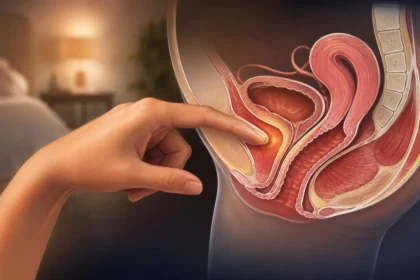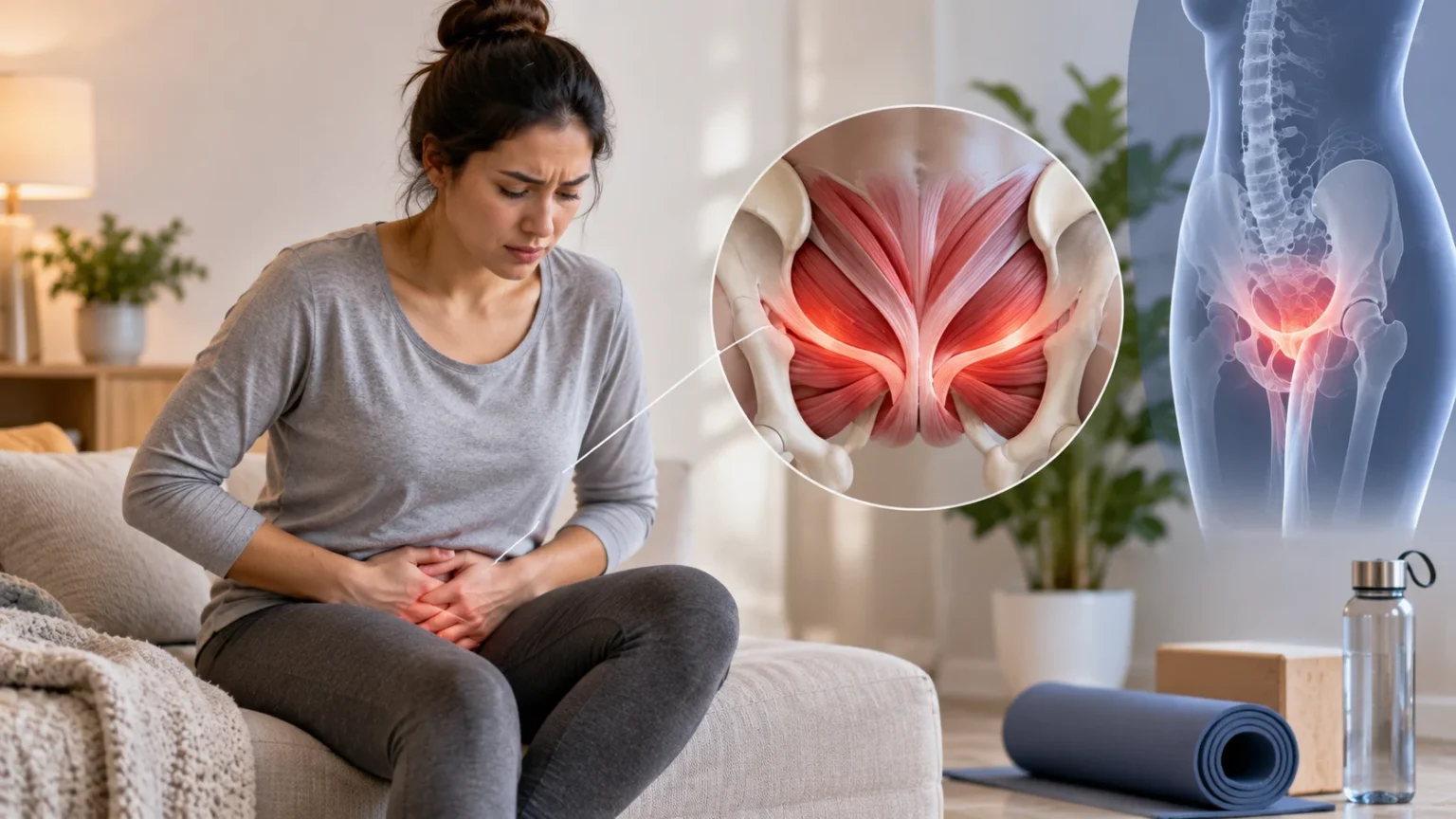

Tight pelvic floor muscles can cause discomfort that affects everyday activities such as sitting, urinating, having bowel movements, exercising, and sexual activity. The problem is sometimes called a hypertonic or overactive pelvic floor because the muscles stay tense instead of relaxing normally. Symptoms can vary widely, which means pelvic floor tightness is not always easy to recognize without an assessment.
The pelvic floor is a group of muscles and connective tissues located at the bottom of the pelvis. These muscles help support the bladder, bowel, and reproductive organs while contributing to continence, movement, and sexual function. Like other muscles in the body, the pelvic floor needs to contract when necessary and relax when the task is finished.
When these muscles remain overly tense, people may experience pelvic pressure, urinary symptoms, bowel difficulties, pain with penetration, or discomfort around the hips and lower abdomen. Fortunately, many people can improve symptoms through appropriate relaxation, movement, and professional pelvic floor rehabilitation. Understanding the possible causes and warning signs is an important first step.
What Are Tight Pelvic Floor Muscles?
Tight pelvic floor muscles occur when the muscles at the base of the pelvis remain contracted or have difficulty returning to a relaxed resting state. This does not necessarily mean the muscles are strong. In fact, muscles that stay tense for long periods may become fatigued, poorly coordinated, painful, and less effective at performing normal pelvic functions.
The condition is sometimes described as an overactive, non-relaxing, or hypertonic pelvic floor. People of any sex can experience it, although symptoms may differ depending on anatomy and underlying causes. Some individuals notice constant discomfort, while others experience symptoms only during specific activities such as sitting, urination, bowel movements, exercise, or sexual activity.
Pelvic floor tightness may involve several muscles rather than one isolated area. Surrounding muscles in the hips, abdomen, back, and glutes can also influence how the pelvic floor behaves. Because of these connections, treatment often focuses on breathing, movement, muscle coordination, and nervous-system relaxation rather than simply stretching one specific muscle.
Common Symptoms of a Tight Pelvic Floor
Pelvic pain is one of the most recognizable symptoms, but it can feel different from person to person. Some people describe aching, pressure, burning, pulling, or a feeling of heaviness in the pelvis. Discomfort may appear around the vagina, rectum, perineum, bladder, tailbone, lower abdomen, hips, or inner thighs.
Urinary symptoms can also occur when pelvic floor muscles have difficulty relaxing. A person may experience urinary urgency, frequent trips to the bathroom, difficulty starting the urine stream, or a sensation that the bladder has not completely emptied. These symptoms can overlap with several urinary conditions, so persistent problems should not automatically be assumed to come from muscle tension.
Bowel and sexual symptoms are also possible. Tight pelvic floor muscles may contribute to straining during bowel movements, incomplete emptying, constipation, or pain during penetration and orgasm. Symptoms that repeatedly interfere with daily life deserve professional evaluation because several pelvic, digestive, urinary, and reproductive conditions can produce similar discomfort.
What Causes Tight Pelvic Floor Muscles?
There is rarely one universal cause of pelvic floor tightness. Some people develop increased muscle tension after an injury, painful medical condition, surgery, childbirth, or period of prolonged discomfort. The pelvic floor may begin guarding protectively, and that pattern can sometimes continue even after the original problem has improved.
Stress and nervous-system activation may also contribute to muscle guarding. Just as people can unknowingly tighten their jaw or shoulders during stressful situations, some individuals repeatedly tense their abdomen or pelvic floor. Over time, this habitual bracing may make it more difficult for the muscles to return to a comfortable resting position.
Other possible contributors include repeated straining, certain exercise patterns, prolonged sitting, pelvic pain conditions, and coordination problems between breathing and the pelvic floor. Because symptoms can result from several overlapping factors, identifying the cause often requires looking beyond the pelvic muscles themselves and considering the person’s movement patterns, health history, and daily habits.
Can Stress Make Your Pelvic Floor Tight?
Stress does not cause every case of pelvic floor dysfunction, but it can influence muscle tension. When the nervous system remains in a heightened state of alert, muscles throughout the body may become more guarded. Some people unconsciously tighten their abdomen, glutes, jaw, shoulders, or pelvic floor when feeling anxious, rushed, or under pressure.
Breathing patterns can change during stress as well. Shallow breathing may reduce the natural coordination between the diaphragm and pelvic floor that occurs during relaxed breathing. Practicing slow, comfortable diaphragmatic breathing can help some people become more aware of unwanted tension and encourage the pelvic region to soften without forcing it.
Stress management should not be used to dismiss physical pelvic symptoms. Pain, urinary changes, bowel difficulties, and sexual discomfort deserve appropriate medical assessment when persistent. Relaxation strategies can be one part of symptom management, but they work best alongside evaluation of possible musculoskeletal, bladder, bowel, reproductive, or neurological contributors.
How to Relax Tight Pelvic Floor Muscles
Relaxation usually begins with learning how the pelvic floor feels when it is not actively contracting. Many people are familiar with tightening exercises but have never practiced releasing these muscles. A pelvic floor physical therapist can help identify whether the muscles are actually overactive and teach techniques suited to the individual’s symptoms.
Diaphragmatic breathing is commonly used because the diaphragm and pelvic floor move together during normal breathing. As you inhale gently, allow the lower ribs and abdomen to expand without forcefully pushing downward. During exhalation, let the body return naturally rather than intentionally squeezing the pelvic floor or pulling the stomach inward.
Comfortable positions may make relaxation easier. Lying on your back with your knees supported, side-lying, or resting with the hips in a comfortable position can reduce unnecessary muscle effort. The goal is not to aggressively stretch painful tissue but to give the nervous system and pelvic muscles an opportunity to reduce guarding gradually.
Gentle Movement and Stretching for Pelvic Floor Tension
Gentle movement can help reduce stiffness around the hips, back, and pelvis while preventing the body from becoming increasingly guarded. Comfortable walking, mobility exercises, and light stretching may be appropriate for some people when they do not increase symptoms. Movement should feel manageable rather than becoming another activity that encourages bracing or pain.
Walking intensity does not need to be aggressive, particularly during a symptom flare. If you are building a general movement routine and want to understand what a brisk walk means, remember that pelvic comfort should still guide your pace. Slowing down or shortening the walk is reasonable if faster movement increases pressure, urgency, or discomfort.
Hip stretches, gentle child’s pose variations, supported deep squats, or adductor mobility may feel relieving for some individuals, but no single stretch works for everyone. Stop any movement that causes sharp pain or worsening symptoms. A pelvic floor physical therapist can recommend exercises based on your specific muscle tone, mobility, and movement patterns.
Should You Do Kegels With a Tight Pelvic Floor?
Kegel exercises strengthen the pelvic floor by repeatedly contracting the muscles. They can be useful for certain conditions, but they are not automatically appropriate for someone whose pelvic floor is already overactive. Repeatedly tightening muscles that have difficulty relaxing may increase discomfort in some people rather than improving the underlying problem.
This is one reason self-diagnosing pelvic floor weakness can be misleading. Symptoms such as urinary urgency, leakage, pelvic pressure, and sexual discomfort can occur with both weakness and excessive muscle tension. The correct exercise approach depends on what the muscles are doing, not simply on the symptom that is most noticeable.
If you suspect a tight pelvic floor, consider getting assessed before starting an intensive Kegel routine. A clinician or pelvic floor physical therapist can evaluate strength, coordination, relaxation, tenderness, and breathing patterns. Treatment may initially emphasize relaxation and coordination before strengthening is introduced, depending on the individual’s findings.
Pelvic Floor Physical Therapy for Tight Muscles
Pelvic floor physical therapy is a specialized form of rehabilitation focused on pelvic muscles and related movement patterns. A therapist may assess posture, breathing, hip mobility, abdominal coordination, muscle tone, and activities that reproduce symptoms. Depending on your situation, an internal examination may be discussed, but it should only occur with informed consent.
Treatment can include relaxation training, breathing exercises, manual techniques, movement retraining, education, and strategies for bowel or bladder habits. Some people also benefit from addressing surrounding muscles in the hips, back, glutes, and abdomen. The treatment plan should be individualized because pelvic floor tension can develop for very different reasons.
Progress may take time, particularly when symptoms have been present for months or years. The goal is often to improve coordination and reduce unnecessary guarding rather than simply making the muscles more flexible. Regular practice of appropriate techniques between appointments can help reinforce healthier movement and relaxation patterns.
Everyday Habits That May Help Pelvic Floor Relaxation
Pay attention to whether you regularly tighten your stomach, glutes, or pelvic floor without realizing it. Some people brace during computer work, driving, exercise, stressful conversations, or even while standing. Periodically checking your body and allowing unnecessary tension to release can help build awareness of these patterns.
Bathroom habits matter as well. Repeatedly straining during bowel movements can increase pressure through the pelvic region, while delaying bathroom trips for excessive periods may contribute to uncomfortable habits. A comfortable foot position, adequate time, and avoiding forced pushing may make bowel movements easier for some individuals.
Sleep, general physical activity, hydration, and stress management can also influence overall comfort, although they are not standalone cures for pelvic floor dysfunction. Focus on realistic daily habits rather than searching for one perfect stretch or exercise. Persistent symptoms usually respond better to an individualized approach that addresses the factors most relevant to you.
When to Worry About Pelvic Floor Symptoms
Pelvic discomfort that continues, worsens, or repeatedly interferes with daily activities should be discussed with a healthcare professional. Persistent pain during urination, bowel movements, sitting, exercise, or sexual activity deserves evaluation. Symptoms may come from muscle tension, but they can also be associated with bladder, bowel, reproductive, neurological, or other medical conditions.
Seek prompt medical attention for new severe pelvic or abdominal pain, fever, significant bleeding, inability to urinate, blood in the urine or stool, sudden neurological symptoms, or rapidly worsening symptoms. These signs should not be treated only with stretching or home exercises because they may indicate a condition requiring medical assessment.
You should also consider professional evaluation if self-care consistently makes symptoms worse or provides no improvement. A pelvic floor physical therapist, primary care clinician, gynecologist, urologist, gastroenterologist, or other appropriate specialist may be involved depending on your symptoms. Getting the correct diagnosis helps avoid exercises or treatments that are not suited to the underlying problem.
Conclusion
Tight pelvic floor muscles can contribute to pelvic pain, urinary urgency, bowel difficulties, sexual discomfort, and problems with sitting or movement. The muscles may become overactive because of guarding, stress, pain, movement patterns, or other health conditions. Symptoms vary considerably, so identifying pelvic floor tightness based on symptoms alone can be difficult.
Relief may involve diaphragmatic breathing, gentle movement, reducing unnecessary bracing, improving bathroom habits, and working with a pelvic floor physical therapist. Strengthening exercises such as Kegels are not automatically appropriate for an already tense pelvic floor. An individualized assessment can help determine whether relaxation, strengthening, coordination training, or another approach is most suitable.
Most importantly, do not ignore symptoms that are severe, persistent, or changing. Pelvic floor tension is only one possible explanation for pelvic discomfort, and other medical conditions may need to be ruled out. Appropriate evaluation can provide clarity while helping you choose safe strategies that support comfortable movement and everyday function.
FAQs
What does a tight pelvic floor feel like?
A tight pelvic floor may cause aching, pressure, burning, urinary urgency, constipation, pain with penetration, or discomfort while sitting. Symptoms vary, and similar problems can come from other conditions.
Can tight pelvic floor muscles cause frequent urination?
Yes, overactive pelvic floor muscles can sometimes contribute to urinary urgency or frequency. However, bladder infections and other urinary conditions can cause similar symptoms, so persistent changes should be professionally evaluated.
How long does it take to relax a tight pelvic floor?
There is no fixed timeline because recovery depends on the cause, symptom duration, and treatment approach. Some people notice gradual improvement with appropriate therapy, while longstanding symptoms may require more sustained rehabilitation.
Are Kegels bad for a tight pelvic floor?
Kegels may worsen symptoms for some people with an already overactive pelvic floor because they involve further contraction. An assessment can determine whether relaxation, coordination work, strengthening, or a combination is appropriate.
When should I see a doctor for pelvic floor pain?
Seek evaluation when pain persists, worsens, affects bladder or bowel function, or interferes with everyday life. Severe pain, fever, bleeding, inability to urinate, or sudden neurological symptoms require prompt medical attention.