
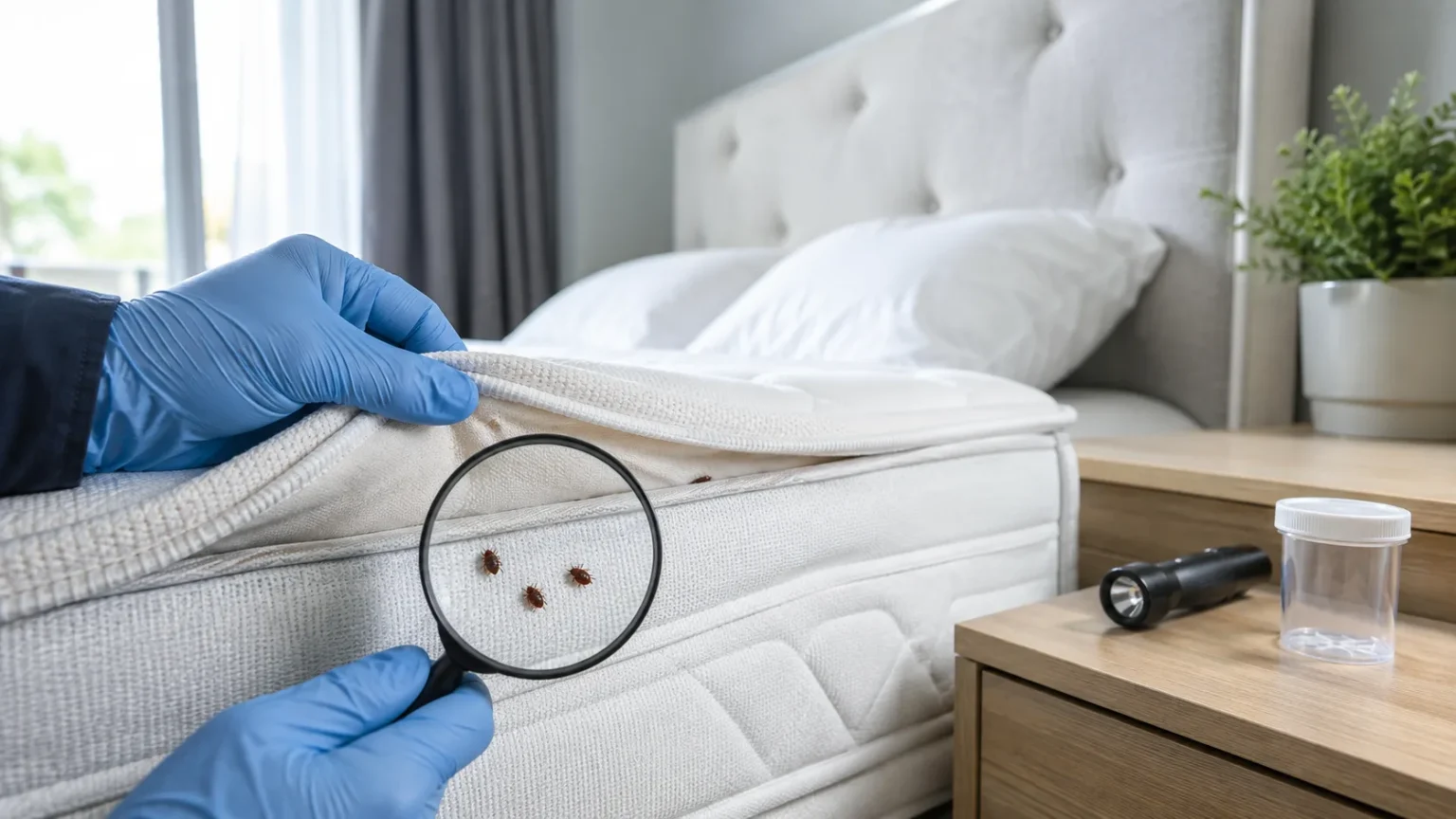

Bedbugs: Signs, Bites, Treatment and Prevention
Bedbugs are small, blood-feeding insects that can hide in mattresses, furniture, luggage, clothing, and narrow cracks around a sleeping area. Finding them can feel upsetting, but an infestation does not mean a home is dirty or poorly maintained. Bedbugs can enter almost any property by traveling on personal belongings or used furniture, and they are skilled at remaining unnoticed. Although their bites can cause itching, swelling, sleep disruption, and anxiety, bedbugs are not currently known to spread disease to people. The bigger challenge is confirming their presence and removing every life stage, including hard-to-find eggs.
Bedbug bites alone cannot reliably prove that an infestation exists because they can resemble flea bites, mosquito bites, hives, eczema, or other skin conditions. The strongest confirmation comes from finding live insects, eggs, shed skins, fecal spots, or other physical evidence near where people sleep. Successful treatment also requires more than washing the sheets or spraying one visible bug. An integrated approach may include inspection, high-temperature drying, vacuuming, mattress encasements, monitoring devices, targeted pesticides, and professional pest control. This guide explains how to recognize bedbug signs, care for bites, treat an infestation safely, and lower the chance of bringing bedbugs home.
What Are Bedbugs and How Do Infestations Begin?
Bedbugs are small, flat, wingless insects that feed mainly on human blood while people are resting or sleeping. The common bedbug, scientifically known as Cimex lectularius, is found in many parts of the world and can survive in homes, hotels, apartments, shelters, dormitories, hospitals, and public transportation. Adult bedbugs are generally reddish-brown and roughly comparable in size and shape to an apple seed. Younger insects, called nymphs, are smaller and may appear pale or nearly transparent before feeding. After taking a blood meal, a bedbug becomes more swollen and noticeably redder. Bedbugs crawl rather than fly or jump, but they can move quickly across floors, walls, furniture, and belongings.
An infestation usually begins when one or more bedbugs travel into a property on luggage, clothing, bags, bedding, furniture, or other items. They do not live permanently on the human body in the way that lice do, and they do not normally travel directly on exposed skin. Instead, they hide near places where a person remains still long enough for them to feed. Hotel rooms, shared housing, secondhand furniture, and buildings with connected apartments can provide opportunities for movement. Bedbugs may also spread between neighboring units through cracks, utility openings, hallways, or shared laundry areas. Anyone can encounter them regardless of income, travel habits, cleanliness, or housing type.
Bedbugs are often associated with mattresses because they prefer to remain close to a dependable food source. However, they can hide in box springs, headboards, bed frames, upholstered chairs, baseboards, electrical outlets, curtain folds, loose wallpaper, and the joints of furniture. Their flattened bodies allow them to fit into spaces that are extremely narrow. During early infestations, they tend to remain close to the bed or sofa where a person sleeps. As their numbers increase, they may spread farther across the room or into adjoining areas. Clutter does not create bedbugs, but it gives them more hiding places and makes inspection and treatment substantially harder.
Female bedbugs lay small, pale eggs in protected cracks and crevices, where they can be difficult to see without careful inspection. Eggs hatch into nymphs that must feed and molt several times before reaching adulthood. Warm conditions and reliable access to blood can support faster development, although timing varies with temperature and feeding opportunities. Bedbugs can also survive for extended periods without feeding, making an empty room an unreliable control strategy. Simply sleeping elsewhere may encourage them to spread as they search for another host. Effective treatment must address adults, nymphs, eggs, and hiding locations rather than focusing only on insects seen on the mattress.
Bedbugs are not currently known to transmit disease through their bites, which is reassuring from an infectious-disease perspective. Nevertheless, infestations can still have meaningful effects on physical and emotional health. Repeated bites may cause intense itching, allergic reactions, secondary skin infections, and, in unusually severe infestations, possible anemia from repeated blood loss. The stress of an infestation can also lead to insomnia, anxiety, embarrassment, and difficulty concentrating. People may continue feeling crawling sensations even after the insects are gone. A prompt, organized response can limit both the infestation and the distress that often accompanies it.
Signs of Bedbugs in Your Home
Live insects are the clearest sign of an active bedbug infestation. Begin by inspecting the seams, piping, labels, and folds of the mattress, then examine the box spring, bed frame, slats, and headboard. Use a bright flashlight and a thin card to check narrow gaps, screw holes, joints, and cracks. Adult insects may be easier to recognize, while nymphs can be very small and pale. Bedbugs often hide together, but a light infestation may involve only a few scattered insects. Finding one suspected bug is enough reason to preserve it in a sealed container or clear tape for professional identification.
Dark fecal spots are another important indicator. These marks may appear as tiny black or brown dots on mattress seams, bedding, bed frames, walls, or furniture near sleeping areas. Because the spots contain digested blood, they may soak into fabric rather than brush away like ordinary dirt. You might also notice reddish or rust-colored smears on sheets where a recently fed insect was crushed. Blood spots alone are not definitive because cuts, skin irritation, or other insects can create similar marks. When stains appear together with shed skins, eggs, or live bugs, an infestation becomes much more likely.
Shed exoskeletons and eggs can reveal that bedbugs are reproducing. As nymphs grow, they leave behind pale, empty skins that resemble translucent insect shells. Bedbug eggs are pearly white, very small, and often glued into protected cracks or rough surfaces. Empty eggshells may remain after nymphs hatch. These materials are easy to miss without magnification, especially on light-colored fabric or unfinished wood. A pest professional knows which locations to inspect and can distinguish bedbug evidence from lint, carpet beetle skins, food debris, and other household material.
A sweet, musty odor may develop when an infestation becomes heavy, although smell is not a dependable way to detect an early problem. Bedbugs release chemical signals and have scent glands that can produce a characteristic odor. Many people cannot identify the smell, and ordinary household odors may cover it. Dogs trained to detect bedbugs are sometimes used in large buildings, but their accuracy depends on training, handling, and confirmation procedures. A canine alert should ideally be followed by visual evidence before extensive treatment begins. Relying on smell alone can result in missed infestations or unnecessary pesticide use.
Unexplained bites may raise suspicion, but the skin reaction is supporting evidence rather than proof. Some people develop itchy welts after sleeping in an infested room, while others show no visible response at all. Reactions can also take days to appear, making it difficult to know exactly where exposure happened. The CDC explains that an inflammatory reaction is not specifically diagnostic of bedbugs and that confirmation is best achieved by identifying insects from sheltered areas near the person who was bitten. CDC guidance on identifying bedbugs reinforces the importance of inspecting the environment. Combine bite patterns with physical evidence before concluding that bedbugs are responsible.
What Do Bedbug Bites Look and Feel Like?
Bedbug bites commonly appear as small, raised, red or pink welts that may be intensely itchy. On darker skin tones, redness may be less obvious, and the bites may look purple, brown, or similar in color to the surrounding skin. A small darker point may occasionally be visible near the center, although this feature is not always present. The bites can be flat at first and become more swollen as an immune reaction develops. Some people experience mild burning before the itching becomes noticeable. Others have little or no reaction despite repeated exposure.
The bites often occur on skin that remains uncovered during sleep, including the face, neck, arms, hands, shoulders, and legs. They may appear in clusters, irregular groups, or a line sometimes described as a breakfast-lunch-dinner pattern. However, a straight or zigzag arrangement is not unique to bedbugs and cannot confirm the diagnosis. Fleas, mosquitoes, mites, and other insects may create clustered bites as well. Hives, contact dermatitis, eczema, and folliculitis can also resemble insect bites. Environmental inspection is therefore more reliable than judging the rash by shape alone.
Timing varies considerably from one person to another. A person may wake with itching the morning after exposure, but visible reactions can also take several days to develop. The American Academy of Dermatology notes that first-time reactions may take as long as fourteen days to become itchy. AAD guidance on bedbug signs and symptoms explains why delayed reactions can make exposure difficult to trace. With repeated bites, some people begin reacting more quickly. Delayed timing means bites noticed at home might have resulted from a hotel, workplace, dormitory, or another recently visited location.
Individual reactions range from almost invisible marks to large, swollen welts. Sensitive people may develop blisters, extensive hives, or a stronger allergic response, especially after numerous bites. Scratching can break the skin and allow bacteria to enter, causing increasing redness, tenderness, warmth, pus, or crusting. This secondary infection results from skin damage rather than disease transmitted by the bedbug. Children may scratch during sleep and require closer monitoring. Keeping nails short and reducing the itch can help protect the skin while it heals.
Bites do not indicate how large an infestation is because one bug can feed more than once and several people may react differently in the same room. One household member may develop dramatic welts while another person sharing the bed has no visible marks. Bedbugs may also feed on pets, although they prefer not to live in fur or remain attached to animals. New marks can continue appearing for a short time after pest treatment because older reactions may be delayed. If bites continue alongside fresh physical evidence, surviving bugs or newly hatched nymphs may remain. Monitoring the room is more useful than counting skin lesions.
How to Treat Bedbug Bites Safely
Most bedbug bites heal on their own within one or two weeks and require only supportive care. Gently wash the area with soap and water to remove irritants and reduce the chance of infection. A cool, damp cloth or wrapped ice pack applied briefly can help calm swelling and itching. Avoid very hot showers, aggressive scrubbing, and fragranced products that may further irritate the skin. Wear loose, soft clothing if fabric rubbing makes the bites uncomfortable. The main treatment goals are controlling the itch, protecting the skin, and preventing scratching.
An over-the-counter hydrocortisone cream may help reduce inflammation and itching when used according to the product directions. Calamine lotion or another simple anti-itch product may also provide temporary relief. An oral antihistamine can be useful for some people, particularly when itching interferes with sleep, but it may cause drowsiness or interact with other medicines. Ask a pharmacist before giving medication to a child, using it during pregnancy, or combining it with sedatives. Do not apply pesticides, household disinfectants, essential oils, or concentrated rubbing alcohol to the skin. These products can cause chemical burns, poisoning, or additional allergic reactions.
Avoid scratching as much as possible because broken skin increases the risk of a bacterial infection. Keep fingernails clean and short, and consider covering troublesome bites with a clean dressing at night. A fragrance-free moisturizer may reduce dryness around healing lesions. If a bite opens, wash it gently and monitor for worsening pain, warmth, swelling, drainage, or expanding redness. These features may suggest infection and should be evaluated by a healthcare professional. Antibiotics are not routinely needed unless a secondary bacterial infection has developed.
Seek emergency care if a bite reaction causes difficulty breathing, wheezing, dizziness, faintness, swelling of the lips or tongue, or a sensation that the throat is closing. These symptoms may signal a serious allergic reaction even though such reactions are uncommon. Medical advice is also appropriate for widespread blistering, severe swelling, fever, persistent pain, or bites that are not improving. People with weakened immune systems, diabetes, poor circulation, or a history of serious allergies should be especially cautious. A dermatologist can also help when it is unclear whether the lesions are insect bites or another skin disorder. Accurate diagnosis prevents unnecessary pest treatment and inappropriate medication use.
Treating the skin does not eliminate bedbugs from the room. Even when the bites stop itching, insects may remain hidden and begin feeding again later. The CDC states that most bites require minimal symptomatic care, good hygiene, and measures to prevent scratching, while more severe reactions may need topical steroids or treatment for secondary infection. CDC clinical guidance on bedbug bites supports this symptom-focused approach. At the same time, environmental control must begin promptly. Both parts of the problem require attention for lasting relief.
How to Get Rid of Bedbugs
Begin by confirming the infestation and limiting unnecessary movement of belongings. Do not carry bedding, clothing, pillows, or furniture into another room without sealing them first because this can spread bedbugs throughout the home. Place washable items directly into sturdy bags or sealed containers before transporting them to the laundry area. Label treated and untreated bags clearly so clean items are not accidentally exposed again. Reduce clutter carefully, but do not move unsealed objects into hallways, vehicles, donation centers, or other homes. In an apartment, notify building management promptly because nearby units may also need inspection.
High heat is one of the most useful nonchemical tools for washable clothing, linens, and certain fabric items. Place suitable belongings in a clothes dryer on a high-temperature setting for the time recommended for the machine and fabric. Washing alone may not kill all bedbugs and eggs, so the drying stage is especially important. The EPA recommends high-temperature drying for thirty minutes as part of an integrated control plan. EPA integrated pest-management guidance also describes professional heat, encasements, interceptors, and other nonchemical methods. Store heat-treated belongings in clean sealed bags until the infestation has been controlled.
Vacuum mattresses, bed frames, baseboards, furniture seams, and visible cracks slowly and thoroughly. Immediately seal the vacuum bag or contents in a plastic bag and dispose of it according to local guidance, preferably outside the living area. Steam can treat some cracks, carpets, baseboards, bed frames, and upholstered furniture when used correctly. The EPA advises a steam temperature of at least 130°F and cautions against forceful airflow that may scatter insects. Household steamers can also damage materials or cause burns, so follow equipment instructions carefully. Steam and vacuuming reduce numbers but rarely solve an established infestation alone.
Use bedbug-proof encasements on the mattress and box spring to trap insects inside and remove common hiding places. Choose durable products specifically designed and tested for bedbug control, and inspect them regularly for tears. Pull the bed slightly away from the wall, keep bedding from touching the floor, and place interceptor cups beneath bed legs to catch moving insects. These changes create a monitored sleeping island and make ongoing activity easier to detect. Continue sleeping in the same protected location unless a pest professional gives different instructions. Moving to another room can encourage surviving bedbugs to spread.
Professional pest management is often the most reliable option, especially for moderate infestations, multi-unit buildings, or failed do-it-yourself attempts. Ask whether the company uses integrated pest management, performs follow-up inspections, and has specific experience with bedbugs. Chemical treatments should use pesticides registered for bedbugs and applied exactly according to the label. Never use outdoor pesticides indoors, apply products to your body, or assume that doubling the amount improves results. Foggers or bug bombs are not effective as a stand-alone solution because the pesticide may not reach hiding places and misuse can cause poisoning, fire, or explosion. Expect repeat inspection or treatment because eggs may survive initial measures and hatch later.
Bedbug Treatment Mistakes That Can Make Things Worse
Discarding the mattress immediately is one of the most common reactions, but it may not remove the infestation. Bedbugs can hide in the frame, headboard, baseboards, furniture, electrical gaps, and surrounding belongings. Carrying an uncovered mattress through a building may drop insects along the route and expose other residents. If furniture must be discarded, wrap and label it clearly, then follow local disposal rules so no one takes it home. In many cases, a mattress can be treated and enclosed in a bedbug-proof encasement. Ask a pest professional before making an expensive decision.
Sleeping in another bedroom or staying on the sofa may spread bedbugs to additional areas. These insects are attracted to human cues and may follow a person to the new sleeping location. Continued use of a properly isolated bed can help concentrate activity where interceptors and treatment measures are already in place. Leaving the home empty for a few days is also ineffective because bedbugs can survive for long periods without feeding. They may simply wait or move into neighboring rooms. Follow a coordinated treatment plan instead of repeatedly changing where you sleep.
Overusing pesticides creates health risks without guaranteeing better control. Spraying mattresses, bedding, clothing, toys, or skin with a product not labeled for that use can cause dangerous exposure. Mixing products, applying them too frequently, or using agricultural and outdoor pesticides indoors is especially hazardous. The EPA states that no pesticides or repellents are registered for application to human skin against bedbugs. EPA advice on legal and safe bedbug treatment warns that misuse can result in poisoning. Read every label completely and keep children and pets away as directed.
Rubbing alcohol, kerosene, gasoline, bleach, and improvised heating devices should never be used to control an infestation. Flammable liquids have caused fires, while bleach and other chemicals can irritate the lungs, eyes, and skin. Turning up a thermostat, using space heaters, or attempting whole-room heat without professional equipment can create a fire risk while leaving cool hiding spots untreated. Bedbugs require controlled temperatures throughout all infested materials, not merely warm room air. Outdoor freezing is also unreliable because temperatures fluctuate and belongings may not remain cold enough. Use validated methods and appropriate equipment.
Stopping treatment after a few bite-free nights is another costly mistake. Some people have no skin reaction, and bedbugs or eggs may remain even when bites are not noticed. Inspect the room and interceptor devices regularly for several weeks, following the pest professional’s monitoring schedule. Fresh fecal marks, shed skins, eggs, or live nymphs suggest continuing activity. Repeat treatment may be required because pesticide resistance and protected eggs can complicate elimination. Successful control is based on sustained absence of physical evidence, not only the disappearance of an itchy rash.
How to Prevent Bedbugs at Home and While Traveling
Inspect secondhand beds, couches, chairs, and bedroom furniture carefully before bringing them indoors. Look along seams, joints, screw holes, undersides, and fabric folds for insects, eggs, black spots, or shed skins. Avoid picking up discarded furniture from streets or shared waste areas because its history is unknown. Used clothing can be transported in sealed bags and placed in a hot dryer when the fabric allows. Bedbugs can enter very clean homes through a single infested object. Prevention is mainly about careful handling and early detection rather than constant pesticide spraying.
Reduce hiding places by repairing loose wallpaper, sealing cracks around baseboards, and keeping the area around beds manageable. Clutter does not attract bedbugs, but crowded belongings make inspection and treatment more difficult. Use protective mattress and box-spring encasements if you live in a high-risk setting or have recently completed treatment. Interceptor cups beneath bed legs can provide early warning, particularly in apartments or dormitories. Inspect them routinely and clean them according to the manufacturer’s directions. Early discovery usually makes an infestation easier and less expensive to control.
When staying in a hotel or rental property, place luggage on a hard luggage rack away from the bed and wall rather than on upholstered furniture. Before unpacking, inspect mattress seams, the headboard, the bed frame, and nearby furniture with a flashlight. Look for live bugs, shed skins, dark spotting, or reddish stains instead of relying only on room cleanliness. Keep clothing inside luggage or sealed packing bags rather than spreading it across the room. If you find suspicious evidence, photograph it, preserve a sample if possible, and request a room that is not directly beside, above, or below the suspected room. Bedbugs can move between connected areas.
After returning home, unpack in a location where insects can be contained and detected, rather than placing luggage immediately on the bed. Inspect seams, zippers, pockets, wheels, and handles before storing the suitcase. Put dryer-safe clothing directly into a hot dryer, including unworn items that were carried during the trip. Vacuum luggage when appropriate and dispose of the vacuum contents in a sealed bag. Store suitcases away from sleeping areas if space allows. These steps are particularly valuable after staying somewhere with confirmed or suspected bedbug activity.
In multi-unit housing, prevention requires cooperation among residents, landlords, and pest professionals. Report suspected bedbugs early rather than trying to hide the problem because delayed action can allow insects to enter neighboring apartments. Building management may need to inspect adjoining units and coordinate treatment so bedbugs are not pushed back and forth. Do not place infested items in common hallways, laundry rooms, or shared storage areas. Follow preparation instructions carefully, but ask questions if a request seems unsafe or impossible. Bedbugs are a building-management challenge, not a reflection of personal hygiene or character.
When to Contact a Doctor or Pest Professional
Contact a healthcare professional when bite reactions are severe, widespread, painful, blistering, or not improving with basic home care. Increasing redness, warmth, swelling, drainage, fever, or red streaks may suggest a secondary bacterial infection. A clinician may recommend stronger anti-inflammatory treatment, an antihistamine, or antibiotics if infection is present. Young children, older adults, and people with weakened immune systems may need earlier evaluation. Seek emergency help for breathing difficulty, throat tightness, faintness, or swelling of the face or tongue. These symptoms may indicate a serious allergic reaction.
A dermatologist can help when the rash does not clearly look like insect bites or when several treatments have failed. Scabies, flea bites, allergic dermatitis, hives, eczema, folliculitis, and medication reactions can produce similar symptoms. Bedbug bites cannot usually be confirmed by a laboratory skin test. Bring photographs of the rash’s progression and any insect or environmental evidence you collected. Do not apply multiple creams immediately before an appointment because they may change the appearance. A correct diagnosis can prevent unnecessary pesticide exposure and continued skin irritation.
Call a pest-management professional when you find a live bedbug, egg cluster, repeated fecal spotting, or several signs concentrated around a sleeping area. Professional help is also appropriate when the infestation involves multiple rooms, a sofa where someone sleeps, heavy clutter, or connected apartments. Ask companies to explain their inspection method, preparation requirements, treatment products, follow-up schedule, and guarantee terms. A reliable provider should not promise complete elimination after a quick spray without inspection. Bedbugs commonly require repeated work. Written instructions help everyone in the household follow the same plan.
If you rent, notify the landlord or property manager as soon as reasonable after collecting evidence. Local rules about inspection, pest-control responsibility, notice, and payment vary, so keep dated photographs and written communication. Avoid independently applying large amounts of pesticide before the building can inspect because this may scatter insects or interfere with professional treatment. Cooperate with reasonable preparation steps and report physical or financial limitations that affect compliance. Adjacent units may require inspection even when neighbors have not reported bites. Coordinated building-wide management is often essential.
Remember that dealing with bedbugs can affect mental health as well as skin. Persistent fear, inability to sleep, compulsive checking, or feeling insects crawling when none are found can continue during and after treatment. These reactions are understandable, particularly after repeated bites or unsuccessful control attempts. Ask trusted people for practical support and request clear progress updates from the pest professional. Speak with a healthcare or mental-health professional if anxiety becomes overwhelming or interferes with daily life. Eliminating the insects and recovering a sense of safety can both take time.
Frequently Asked Questions
What is the first sign of bedbugs?
The first sign may be dark fecal spots, shed skins, blood marks on bedding, or a live bug hiding in mattress seams. Bites may raise suspicion, but they cannot confirm an infestation without environmental evidence.
How can I tell whether bites are from bedbugs?
Bedbug bites may form itchy clusters or lines on skin exposed during sleep, but they can resemble many other bites and rashes. Confirmation requires finding bedbugs, eggs, fecal marks, or shed skins near the sleeping area.
What kills bedbugs instantly?
Direct, properly controlled heat or steam can kill bedbugs it reaches, while an approved pesticide may kill susceptible insects according to its label. No single quick method reliably reaches every bug and egg throughout an infested home.
Can bedbugs live in your hair or on your body?
Bedbugs normally hide in the environment and approach people briefly to feed. They do not usually live in human hair or remain attached to the body like lice or ticks.
Can bedbugs come back after treatment?
Bedbugs can reappear if eggs hatch, insects survive in untreated hiding places, neighboring units remain infested, or new bugs are introduced. Follow-up inspections and ongoing monitoring are therefore essential.