

Liver Pain: Where It Hurts, Causes and Warning Signs
Liver pain is usually described as discomfort, pressure, fullness, or a dull ache in the upper-right area of the abdomen. However, pain in this location does not automatically mean there is a liver problem. The gallbladder, bile ducts, stomach, intestines, right kidney, ribs, muscles, and even the lungs can cause pain that feels similar. Because the liver itself has few pain-sensitive nerves, discomfort often develops when inflammation, swelling, or another process stretches the tissue surrounding it. That is why persistent pain under the right ribs should be assessed instead of self-diagnosed.
The phrase “liver pain” is often searched by people who are worried about fatty liver, alcohol use, hepatitis, or abnormal liver blood tests. In reality, many liver conditions cause no symptoms early on. Others may cause fatigue, nausea, appetite changes, yellowing of the skin or eyes, dark urine, or swelling rather than obvious pain. Knowing the warning signs can help you seek care at the right time. This guide explains where liver pain may be felt, common and serious causes, and what to do next.
Where Is Liver Pain Felt?
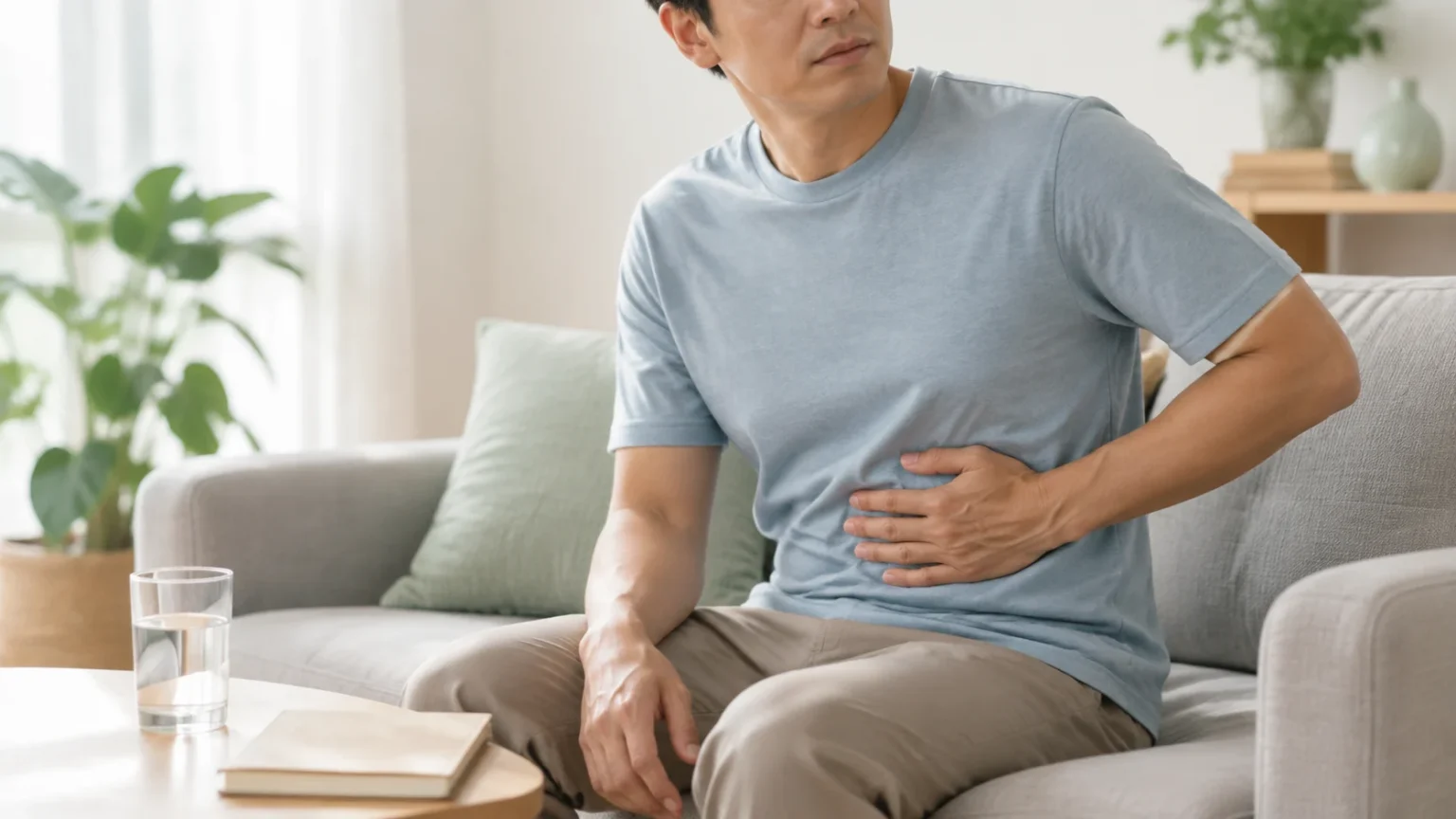
The liver sits mostly in the upper-right section of the abdomen, just beneath the rib cage. It extends partly toward the center of the upper abdomen, which means liver-related discomfort is not always felt in one pinpointed spot. People often describe a dull ache, heaviness, pressure, or fullness under the right ribs. It may be mild and come and go, or it may become more noticeable after eating, moving, or lying in a certain position. Sharp, sudden pain is less typical of liver swelling and may point to another cause. A medical examination is needed to determine what is actually causing the discomfort.
Some people feel possible liver discomfort in the upper-middle abdomen, also called the epigastric area. This is the region below the breastbone and above the stomach. Pain there may also come from acid reflux, gastritis, ulcers, the pancreas, or the gallbladder. Because the organs in the upper abdomen are close together, it can be difficult to tell the source based on location alone. The character of the pain, timing, associated symptoms, and medical history all provide useful clues. For example, pain after a fatty meal may suggest a gallbladder issue more than a liver problem.
Liver-area discomfort can sometimes radiate to the right shoulder or upper back. This can happen because irritation in the abdomen may be felt through nearby nerves. Gallstones and gallbladder inflammation are especially known for causing pain that spreads toward the right shoulder blade or between the shoulder blades. Muscle strain in the chest wall, ribs, or back can also create similar sensations. Pain that changes clearly when you twist, press the area, cough, or take a deep breath may be more likely to involve muscles or ribs. Still, persistent symptoms should be checked rather than assumed to be harmless.
A swollen liver, also called hepatomegaly, can create a feeling of fullness or pressure beneath the right rib cage. It may occur when the liver is inflamed, congested, or affected by fat buildup or another condition. Some people notice a reduced appetite because they feel full quickly. Others may have no pain at all, even with significant liver disease. This is one reason regular medical checkups and blood tests can be important for people with risk factors. Symptoms alone are not a reliable way to measure liver health.
It is also possible to have right-upper abdominal pain that has nothing to do with the liver. Gallstones, gallbladder disease, kidney stones, bowel issues, pneumonia, shingles, injuries, and muscle strain can all cause pain in this region. Women may also have pain related to reproductive organs that is felt higher in the abdomen. A clinician may use blood tests, urine tests, ultrasound, CT scans, or other imaging to identify the source. Avoid relying on online symptom matching when pain is severe or persistent. Accurate diagnosis is the first step toward appropriate treatment.
What Does Liver Pain Feel Like?
Liver-related discomfort is often described as dull, aching, sore, heavy, or pressure-like rather than sharp and stabbing. It may feel like something is pushing under the right ribs or like a persistent tenderness in the upper abdomen. The sensation can be mild enough to ignore at first, especially when it develops slowly. Some people only notice it when bending, lying on their right side, or wearing tight clothing. The feeling may also be accompanied by fatigue, nausea, or a reduced appetite. These symptoms are nonspecific, meaning many different conditions can cause them.
Pain from liver inflammation may become more noticeable if the organ is enlarged and stretches its outer covering. This surrounding layer contains nerves that can register pressure or swelling. The liver itself does not feel pain in the same way as skin or muscles. That is why some liver conditions are silent until they become more advanced. It also means the severity of pain does not always match the severity of liver damage. Mild discomfort can still warrant evaluation if it persists or occurs with other warning signs.
Gallbladder pain is often mistaken for liver pain because the gallbladder sits beneath the liver. Gallstone pain may be sudden, intense, and located in the upper-right abdomen or upper-middle abdomen. It can last from minutes to several hours and may occur after a large or fatty meal. Nausea and vomiting may accompany the pain. If a stone blocks a bile duct, fever or jaundice can develop and needs urgent evaluation. The timing and intensity of pain can help clinicians distinguish gallbladder problems from liver-related discomfort.
Pain caused by gas, constipation, indigestion, or bloating may also be felt under the right ribs. This discomfort may shift around, improve after passing gas or having a bowel movement, and worsen after certain foods. It can be uncomfortable but usually does not cause jaundice, dark urine, pale stools, or significant swelling. A balanced diet, regular hydration, and addressing constipation can help some people, but ongoing or severe pain still needs attention. Digestive symptoms should not be automatically blamed on the liver. The right treatment depends on the true cause.
Liver pain may occur alongside systemic symptoms that make it more concerning. These include profound tiredness, itchy skin, nausea, vomiting, loss of appetite, unexplained weight loss, easy bruising, swelling in the legs, or swelling of the abdomen. Yellowing of the eyes or skin, known as jaundice, is especially important. Dark urine and pale or clay-colored stools may also suggest problems involving bilirubin or bile flow. Mayo Clinic lists jaundice, abdominal pain and swelling, dark urine, pale stools, and easy bruising among possible liver-problem symptoms. These signs should be discussed with a healthcare professional promptly.
Common Causes of Liver-Area Pain
Fatty liver disease is one possible cause of upper-right abdominal discomfort, although many people with fatty liver have no symptoms. The condition involves extra fat stored in liver cells and is now often described as metabolic dysfunction-associated steatotic liver disease, or MASLD. It is commonly associated with insulin resistance, type 2 diabetes, high cholesterol, high triglycerides, excess body weight, and low physical activity. Alcohol can also contribute to fat buildup in the liver. When symptoms occur, they may include fatigue, a feeling of fullness, or mild discomfort under the right ribs. Blood tests and imaging are used to evaluate the liver.
Hepatitis means inflammation of the liver. It may be caused by viruses, alcohol, medications, autoimmune conditions, toxins, or metabolic disease. Viral hepatitis includes hepatitis A, B, C, D, and E, though their methods of transmission and long-term risks differ. Some forms are short-lived, while others can become chronic and gradually damage the liver. Symptoms may include fever, fatigue, nausea, loss of appetite, dark urine, light-colored stools, and jaundice. Not everyone with hepatitis feels pain, so screening and testing may be important for people with risk factors. Early diagnosis can prevent complications and protect others from transmission in certain cases.
Alcohol-associated liver disease can range from fatty liver to inflammation and cirrhosis. Heavy or prolonged alcohol use increases the risk, but the amount that causes harm varies between individuals. Alcohol-related hepatitis can cause jaundice, nausea, appetite loss, fever, and pain or tenderness in the upper-right abdomen. Continuing to drink when the liver is inflamed can increase the risk of severe complications. If alcohol use feels difficult to reduce, medical and behavioral support can make a major difference. Do not stop suddenly without guidance if you drink heavily every day, because alcohol withdrawal can be dangerous.
Medication-related liver injury is another possible cause of abnormal liver tests or liver discomfort. Prescription medications, over-the-counter pain relievers, herbal products, bodybuilding supplements, and high doses of certain vitamins can all affect the liver. Acetaminophen overdose is a medical emergency because it can cause acute liver failure. Even ordinary products can become risky when combined, used incorrectly, or mixed with alcohol. Always tell your clinician about supplements and nonprescription medicines, not only prescription drugs. “Natural” does not automatically mean safe for the liver.
Heart failure and certain blood-flow problems can also affect the liver. When blood backs up in the veins because the heart is not pumping effectively, the liver may become congested and enlarged. This can create right-upper abdominal discomfort, swelling in the legs, shortness of breath, or rapid weight gain from fluid retention. Rare blood-clotting conditions can also impair blood flow through the liver. These causes require medical assessment and should not be managed with a detox or home remedy. The liver is connected to many body systems, so liver-area pain may sometimes reflect a problem elsewhere.
Gallbladder Problems That Can Feel Like Liver Pain
The gallbladder is a small organ under the liver that stores bile, a fluid involved in digesting fats. Because of its location, gallbladder pain is often confused with liver pain. Gallstones are hardened deposits that can form in the gallbladder and may cause no symptoms until they block a duct. When they do cause pain, it often starts suddenly in the upper-right or upper-middle abdomen. The pain can be severe and may spread to the right shoulder or back. It commonly occurs after eating, especially after a rich or fatty meal.
Gallstone attacks, sometimes called biliary colic, may last from minutes to several hours. The pain can be steady rather than coming in waves, and it may be associated with nausea or vomiting. Some people have repeated episodes separated by days, weeks, or months. The pain may resolve when the stone moves away from the blockage. However, repeated attacks should not be ignored because gallstones can lead to inflammation or infection. A clinician may order an abdominal ultrasound to look for stones or signs of gallbladder disease.
Cholecystitis is inflammation of the gallbladder, often caused by a stone blocking the cystic duct. It can cause persistent upper-right abdominal pain, fever, nausea, vomiting, and tenderness when the area is pressed. Unlike a shorter gallstone attack, the pain may continue and worsen. Cholecystitis can become serious and may require hospital treatment, antibiotics, or surgery. If pain is severe or is accompanied by fever, chills, or vomiting, seek urgent medical care. Do not try to treat suspected gallbladder inflammation with fasting, supplements, or pain medication alone.
A blockage in the common bile duct can cause jaundice, dark urine, pale stools, and intense pain. If infection develops in the bile ducts, it may cause fever, chills, low blood pressure, or confusion. This is a medical emergency because infection can spread rapidly. Pain, fever, and jaundice together should be treated as urgent symptoms. Emergency clinicians may perform blood tests and imaging to locate the blockage. Treatment can involve antibiotics and procedures to restore bile flow.
Gallbladder disease is more likely in some people, including those with a family history, obesity, rapid weight loss, pregnancy, diabetes, or certain blood disorders. However, anyone can develop gallstones. Losing weight gradually, staying physically active, and eating a balanced diet may lower risk for some people. Extremely restrictive dieting or rapid weight-loss plans may increase the risk of gallstone formation. If you have recurring pain after meals, ask a clinician whether gallbladder testing is appropriate. It is better to investigate recurring symptoms before complications arise.
Liver Pain Causes That Need Medical Attention
Cirrhosis is scarring of the liver that develops after long-term damage from conditions such as chronic viral hepatitis, alcohol-associated liver disease, fatty liver disease, autoimmune disease, or bile duct disorders. In its early stages, cirrhosis may cause no symptoms. As it progresses, people may develop fatigue, nausea, poor appetite, itching, swelling, easy bruising, jaundice, or discomfort in the upper-right abdomen. Scarring can affect blood flow through the liver and lead to serious complications. Early treatment focuses on stopping or slowing the underlying cause.
Liver abscesses are pockets of infection that can cause pain in the upper-right abdomen, fever, chills, nausea, and feeling very unwell. They may be caused by bacteria, parasites, or infections spreading from another part of the body. This is not a condition to manage at home. Imaging and blood tests are usually needed, and treatment may involve antibiotics or drainage. People with diabetes, immune system problems, or certain abdominal infections may be at higher risk. Sudden pain with fever should always be taken seriously.
Acute liver failure is rare but life-threatening and can develop quickly. It may be caused by medication toxicity, viral infections, autoimmune hepatitis, certain toxins, or other conditions. Symptoms can include yellowing of the skin or eyes, pain in the upper-right abdomen, nausea, vomiting, confusion, unusual sleepiness, and a swollen abdomen. Mayo Clinic notes that confusion and jaundice can be symptoms of acute liver failure. Emergency medical care is essential because the condition can worsen rapidly.
Liver cancer can cause upper abdominal pain, early fullness, unexplained weight loss, fatigue, nausea, or a lump beneath the right ribs. However, these symptoms are not specific to cancer and can occur in many other conditions. Liver cancer risk is higher in people with cirrhosis, chronic hepatitis B or C, heavy alcohol use, and certain inherited liver disorders. Regular surveillance may be recommended for people at high risk. Do not assume that pain means cancer, but do not ignore persistent pain and unexplained weight loss either.
Trauma to the abdomen can injure the liver and cause internal bleeding. This may occur after a vehicle accident, a fall, contact sports, or a forceful blow to the upper-right abdomen. Symptoms can include severe pain, tenderness, dizziness, fainting, rapid heartbeat, shoulder pain, or signs of shock. Internal injuries may not always be obvious immediately after an accident. Seek emergency care after significant abdominal trauma, particularly if pain increases or you feel weak or lightheaded. Prompt assessment can be lifesaving.
Warning Signs You Should Not Ignore
Jaundice is one of the most important warning signs of a possible liver or bile duct problem. It causes yellowing of the whites of the eyes and skin, although color changes may be harder to notice on darker skin tones. You may also notice dark tea-colored urine or pale, gray, or clay-colored stools. These changes can happen when bilirubin is not being processed or moved through the body normally. Jaundice can be caused by liver inflammation, gallstones, bile duct blockage, blood disorders, or other conditions. It should be assessed promptly, especially when it is new.
Severe or worsening upper-right abdominal pain needs urgent medical attention, particularly if it is accompanied by fever, chills, vomiting, or a rigid and tender abdomen. This combination may indicate gallbladder inflammation, bile duct infection, liver infection, pancreatitis, or another acute abdominal problem. Do not wait to see if severe pain disappears when it is affecting your ability to stand, sleep, eat, or breathe comfortably. Avoid driving yourself if you feel faint, confused, or severely unwell. Emergency services or urgent care can determine whether immediate testing is needed.
Confusion, extreme sleepiness, personality changes, slurred speech, or trouble staying awake are emergency symptoms in someone with known or suspected liver disease. These signs can occur when the liver cannot effectively clear certain substances from the bloodstream. They may also be caused by infection, low blood sugar, medication effects, stroke, or other serious conditions. Either way, they require urgent evaluation. Do not assume someone is merely tired or intoxicated when mental status changes occur. Quick medical care is important.
Vomiting blood, passing black tarry stools, or seeing red blood in stool are emergency signs. They may indicate bleeding in the digestive tract, which can occur for several reasons, including complications of advanced liver disease. Feeling faint, weak, sweaty, or short of breath with these symptoms increases the urgency. Call emergency services or go to an emergency department right away. Do not take anti-inflammatory painkillers or aspirin for unexplained bleeding unless a clinician has instructed you to do so. These medications can worsen bleeding risk in some situations.
A rapidly enlarging abdomen, new swelling in the legs or ankles, unexplained bruising, or sudden weight changes due to fluid retention should be discussed with a clinician. Fluid buildup in the abdomen is called ascites and can occur in advanced liver disease, heart failure, kidney disease, cancer, or other conditions. It may make the abdomen feel tight, heavy, and uncomfortable. Shortness of breath can develop if swelling becomes severe. These symptoms should not be treated with unregulated diuretics, detox teas, or supplements. Medical care can identify the cause and help manage fluid safely.
How Doctors Diagnose Liver Pain
A clinician will usually begin by asking detailed questions about your pain. They may ask when it started, whether it follows meals, how long it lasts, what makes it better or worse, and whether it travels to the shoulder or back. They will also ask about alcohol use, medications, supplements, travel, viral hepatitis risk, family history, and past medical conditions. These questions are not meant to judge you. They help narrow down the possible causes and determine which tests may be useful.
During a physical exam, the clinician may gently press on your abdomen to check for tenderness, swelling, guarding, or an enlarged liver. They may look for jaundice in the eyes and skin and check for swelling in the legs. Vital signs such as temperature, blood pressure, heart rate, and oxygen level can provide important clues. Fever may suggest infection, while low blood pressure and a fast heart rate can signal a more urgent problem. The exam alone cannot confirm a liver diagnosis, but it helps guide the next steps.
Blood tests may include liver enzymes, bilirubin, albumin, blood-clotting measures, blood counts, kidney function, blood sugar, and tests for viral hepatitis. Abnormal liver enzymes can suggest inflammation or injury, but they do not reveal the exact cause by themselves. Some people have serious liver disease with only mild enzyme changes, while others have high numbers that improve quickly. Results must be interpreted alongside symptoms, imaging, and medical history. A clinician may repeat tests to see whether results are improving, stable, or worsening.
Imaging tests are commonly used for persistent upper-right abdominal pain. An ultrasound can check for gallstones, bile duct enlargement, fatty liver changes, fluid buildup, and some liver masses. CT scans and MRI may provide more detail when needed. Specialized tests such as elastography can estimate liver stiffness and help assess scarring. These tools are useful because they can identify structural changes that blood tests cannot show. Your clinician will choose tests based on your symptoms and level of urgency.
In some cases, a liver biopsy may be considered to examine a small sample of liver tissue. This is not needed for everyone and is usually considered when blood tests and imaging do not fully explain the problem. Biopsy can help identify inflammation, fat buildup, fibrosis, autoimmune disease, or other specific causes. Your clinician may also refer you to a gastroenterologist or hepatologist, a doctor who specializes in liver conditions. The goal is to identify the cause early enough to prevent further damage. Many liver conditions improve significantly when treated promptly.
How to Support Liver Health Safely
Limiting or avoiding alcohol is one of the most important steps for liver health, particularly if you have liver disease, abnormal liver tests, or a history of heavy drinking. If you drink heavily every day, seek medical advice before stopping abruptly because withdrawal can be dangerous. Support may include a supervised withdrawal plan, counseling, medications, peer groups, or addiction treatment. Reducing alcohol is not simply about willpower. It is often easier and safer with structured support.
A balanced eating pattern can support liver and metabolic health. Focus on vegetables, fruit, legumes, whole grains, lean proteins, nuts, seeds, and healthy fats while limiting highly processed foods and sugary drinks. You do not need a harsh detox, juice cleanse, or “liver flush” to improve your health. The liver already processes substances and does not need cleansing products to do its job. Some detox supplements can actually injure the liver. Prioritize regular, nourishing meals over extreme short-term plans.
Regular physical activity can help improve insulin sensitivity, support weight management, and reduce fat buildup in the liver for many people. Walking, cycling, swimming, resistance training, and other forms of movement can all be beneficial. Start at a level that fits your current fitness and any medical limitations. Consistency matters more than intensity, particularly if you are rebuilding your routine. If you have cirrhosis, severe fatigue, fluid buildup, or another serious condition, ask your clinician what type of exercise is safe. Personalized advice is always best.
Review your medications and supplements with a healthcare professional. Take prescription and over-the-counter medicines exactly as directed, and avoid exceeding recommended doses. Be particularly careful with acetaminophen, which can cause serious liver injury in overdose or when combined with heavy alcohol use. Do not assume herbal products are harmless because they are sold without a prescription. Some supplements have been linked to liver inflammation or failure. Tell your clinician about everything you take, including teas, powders, vitamins, and traditional remedies.
Preventive care can also protect the liver. Vaccines are available for hepatitis A and hepatitis B, and testing can identify hepatitis B or C infections that may not cause obvious symptoms. Safe sex practices, avoiding shared needles or injection equipment, and ensuring tattoos or piercings are done with sterile equipment can reduce certain infection risks. Managing diabetes, cholesterol, triglycerides, and blood pressure can also lower the risk of fatty liver progression. Regular checkups make it easier to identify problems before symptoms become severe. Your liver often has a strong capacity to recover when damage is found early.
Frequently Asked Questions
Where does liver pain usually hurt?
Liver-area discomfort is usually felt in the upper-right abdomen beneath the ribs. It may feel like dull pressure or fullness and can sometimes spread to the right shoulder or upper back.
Can fatty liver cause pain?
Fatty liver often causes no symptoms, but some people experience mild upper-right abdominal discomfort or fatigue. Blood tests and imaging are needed to confirm the condition.
Is pain under the right rib always liver pain?
No. Gallstones, gallbladder inflammation, indigestion, muscle strain, kidney problems, and bowel conditions can also cause pain under the right ribs. Persistent or severe pain should be evaluated.
When is liver pain an emergency?
Seek urgent care for severe pain with fever, jaundice, vomiting, confusion, fainting, a swollen abdomen, vomiting blood, or black stools. These symptoms may signal a serious liver, gallbladder, or digestive emergency.
Can you feel liver inflammation?
Some people feel dull upper-right abdominal discomfort, fatigue, nausea, or appetite loss, but many people with liver inflammation have no noticeable symptoms. Blood tests and imaging are the most reliable ways to assess liver health.