
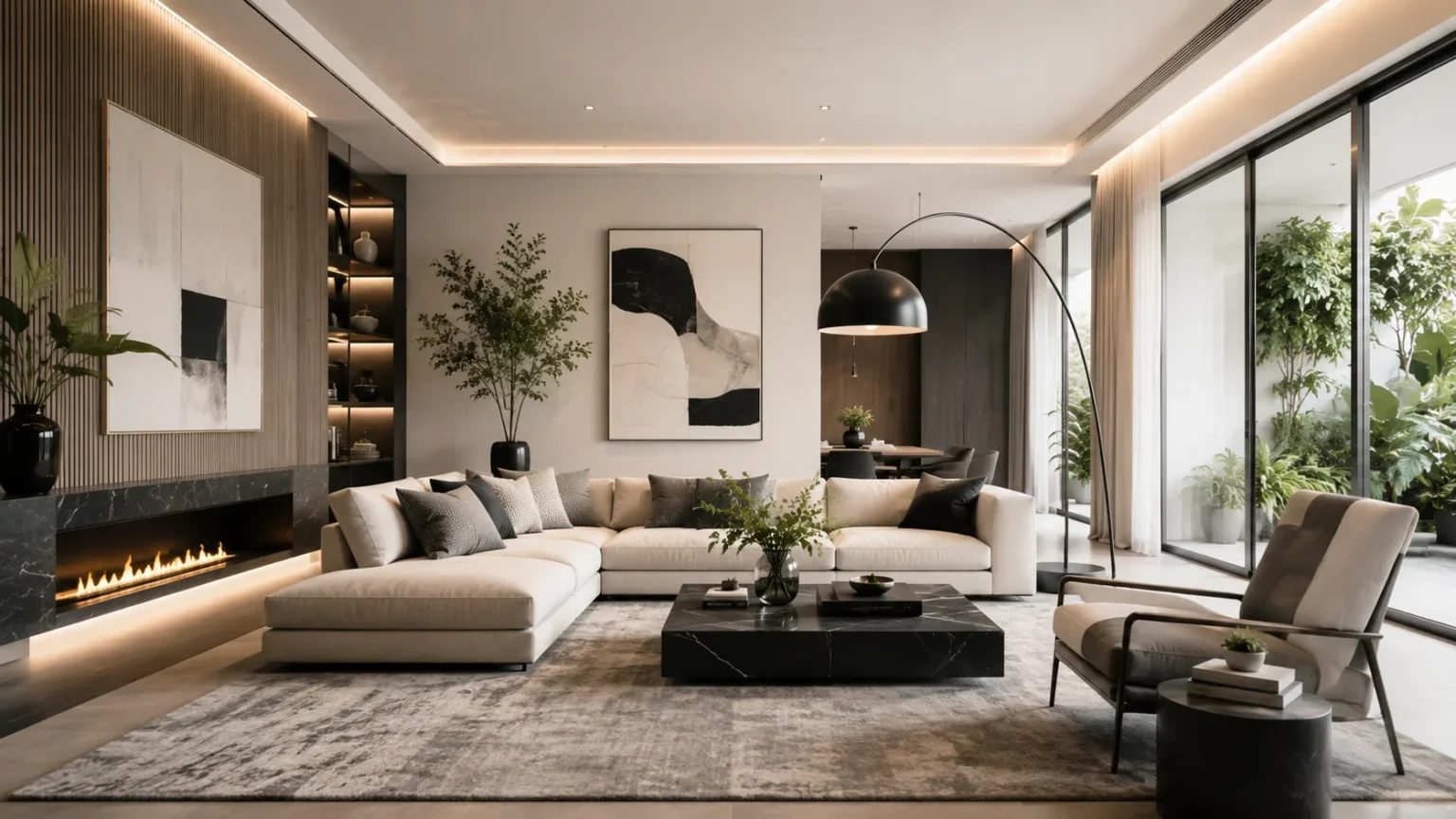

Modern Home Decor Ideas for a Clean and Elegant Interior
Modern home decor is about creating spaces that feel clean, comfortable, visually balanced, and easy to live in. It combines streamlined furniture, thoughtful colors, practical layouts, and carefully selected decorative pieces without making a room feel empty. A modern interior should look polished while still supporting everyday routines, whether you live in a large house, compact apartment, or open-plan home. The goal is to create an environment that feels organized, inviting, and intentionally designed rather than overly decorated.
One of the reasons modern home decor ideas remain popular is their flexibility. Modern decorating can work with neutral colors, warm woods, soft fabrics, contemporary artwork, natural stone, glass, and metallic finishes. You do not need to replace everything in your home to achieve the look because small updates can create a noticeable difference. Changing lighting, simplifying accessories, introducing cleaner furniture shapes, or refreshing wall colors can immediately make a room feel more current and sophisticated.
Modern interiors have also become warmer and more personal than the cold, all-white spaces once associated with minimalism. Designers increasingly use textured fabrics, organic shapes, natural materials, earthy shades, and layered lighting to create comfortable rooms without sacrificing simplicity. This evolution makes contemporary home design more suitable for real households where comfort matters just as much as appearance. A clean aesthetic works best when it still feels welcoming enough for everyday relaxation.
The following ideas will help you create an elegant modern interior without relying on temporary decorating trends. From choosing a refined color palette to improving furniture placement, lighting, storage, artwork, and natural textures, each suggestion can be adapted to different budgets and room sizes. Instead of trying to copy a showroom exactly, focus on the principles behind modern interior design. When simplicity, functionality, comfort, and visual balance work together, your home can feel stylish for years.
Start With a Warm and Neutral Color Palette
Neutral colors provide one of the strongest foundations for modern interior design because they make rooms feel calm, spacious, and visually connected. Warm white, cream, beige, taupe, greige, soft gray, and light brown are particularly effective choices for walls and larger surfaces. These shades create a flexible background that allows furniture, artwork, lighting, and natural materials to stand out. A restrained color palette also makes it easier to move decorative pieces between rooms without creating visual conflict.
Modern neutral interiors do not need to feel plain or colorless. The secret is combining several related shades rather than using one identical tone everywhere. For example, warm white walls can be paired with a beige sofa, walnut furniture, cream curtains, and a textured taupe rug. These subtle variations introduce depth while maintaining the calm appearance associated with a clean and elegant home. Natural light will also reveal different undertones throughout the day, making neutral rooms feel more dynamic.
Accent colors can be introduced gradually through artwork, cushions, decorative objects, or occasional furniture. Earthy shades such as olive green, terracotta, rust, muted blue, charcoal, and deep brown work particularly well within modern color schemes. Rather than spreading many bright colors throughout the room, choose one or two accent tones and repeat them selectively. This controlled approach creates visual consistency while still giving the interior personality and preventing the space from appearing overly predictable.
When selecting paint colors, consider the amount and direction of natural light before making a final decision. A shade that appears warm in a sunny room may look noticeably cooler in a darker space, so testing samples on different walls is important. Pay attention to flooring, cabinetry, existing furniture, and countertops as well because their undertones should complement the new palette. A successful modern color scheme should make the entire room feel connected rather than drawing attention to individual surfaces.
Choose Modern Furniture With Clean and Simple Lines
Furniture has a major influence on whether an interior feels modern, traditional, rustic, or eclectic. For a contemporary appearance, choose pieces with simple silhouettes, balanced proportions, and limited ornamentation. Sofas with straight or gently curved profiles, streamlined dining tables, minimal coffee tables, and clean storage units usually work well. The furniture does not need to look extremely minimal, but unnecessary carvings, heavy detailing, or bulky shapes can make the room feel visually crowded.
Scale is equally important when choosing modern furniture because even attractive pieces can overwhelm a room if their proportions are wrong. Measure available floor space before purchasing large items and leave enough room for comfortable movement around sofas, tables, beds, and storage units. In smaller homes, furniture with exposed legs can create a lighter visual effect because more flooring remains visible. Low-profile pieces can also help ceilings appear taller and make compact spaces feel less confined.
Mixing straight lines with softer curves can make modern interiors feel more inviting. A rectangular sofa might be paired with a round coffee table, curved armchair, or sculptural side table to create contrast. Rounded furniture has become particularly useful in contemporary spaces because it softens the strict geometry often found in modern architecture. The key is maintaining consistent proportions and materials so curved pieces feel integrated rather than looking like unrelated decorative statements.
Quality matters more than quantity when creating an elegant modern home. Instead of filling a room with many inexpensive furniture pieces, prioritize a smaller number of functional items that fit the space properly. Look for durable upholstery, solid construction, comfortable seating, and finishes that complement the overall design. Well-chosen furniture can remain relevant even as decorative trends change, allowing you to refresh the room later through smaller and less expensive accessories.
Add Natural Wood for Warmth and Character
Wood is one of the easiest materials for adding warmth to a clean modern interior without disrupting its simplicity. Oak, walnut, ash, and other natural wood finishes can appear in flooring, tables, shelving, cabinetry, headboards, or decorative objects. Visible grain introduces organic variation that balances smooth surfaces such as glass, stone, and painted walls. Even one substantial wood element can make a modern room feel noticeably more comfortable and grounded.
Lighter woods work particularly well in Scandinavian-inspired and minimalist modern spaces because they maintain an airy appearance. Pale oak furniture, flooring, or cabinets can add visual warmth while reflecting natural light throughout the room. Darker woods such as walnut create a more dramatic and sophisticated effect, especially when paired with warm white walls and neutral upholstery. Mixing light and dark wood can also work successfully when undertones remain relatively compatible.
You do not need every wooden surface in your home to match perfectly. In fact, using slightly different wood tones can make an interior feel collected rather than purchased as a complete furniture set. The easiest approach is to choose one dominant wood tone and introduce one or two complementary finishes in smaller amounts. Repeating each finish in more than one location helps create intentional visual relationships across the room.
Wooden furniture can also be balanced with contemporary materials to keep the overall aesthetic current. A solid wood dining table might be paired with streamlined upholstered chairs, while a walnut cabinet could sit beneath modern abstract artwork. Black metal, stone, glass, linen, and ceramic materials all combine naturally with wood. This mixture of textures creates depth without requiring bold patterns or excessive decoration, making it ideal for elegant modern interiors.
Use Texture to Make Minimal Spaces Feel Inviting
A clean modern room can easily feel flat when every surface is smooth and every item belongs to the same color family. Texture solves this problem by creating visual variety without introducing unnecessary clutter. Bouclé, linen, wool, cotton, velvet, jute, stone, wood, plaster, and woven materials can all provide subtle differences in appearance and touch. These layers are especially valuable in neutral interiors where material variation replaces excessive color.
Start with larger textiles such as rugs, curtains, sofas, and bedding because they have the strongest influence on the atmosphere of a room. A textured rug can visually anchor seating furniture while linen curtains soften windows and improve the overall sense of comfort. Cushions and throws provide smaller opportunities to introduce additional materials without making a permanent commitment. Selecting fabrics in related colors keeps the arrangement sophisticated even when several different textures are used together.
Hard surfaces should also contribute to the textural balance. Natural stone coffee tables, ceramic lamps, fluted cabinetry, ribbed glass, plaster walls, and wood grain can create sophisticated visual interest. These finishes catch light differently throughout the day, making simple rooms feel richer without relying on busy decoration. Matte and lightly textured materials often feel especially contemporary because they create a softer appearance than highly reflective finishes.
The most successful approach is to distribute texture throughout the room rather than concentrating it in one area. A heavily textured sofa surrounded by completely smooth surfaces may feel disconnected, while smaller repeated textures create better continuity. For example, woven dining chairs can relate to a natural-fiber rug or basket elsewhere in the room. Thoughtful repetition makes textural variety feel deliberate and helps maintain the calm visual rhythm associated with modern home decor.
Make Lighting an Important Part of the Design
Lighting affects both the function and appearance of a modern interior, making it one of the most important decorating elements to plan carefully. Instead of relying on a single ceiling fixture, combine ambient, task, and accent lighting throughout each room. Ceiling lights provide general illumination, while table lamps, floor lamps, pendants, and wall lights serve specific purposes. Multiple light sources create flexibility and make a room feel far more comfortable during different times of day.
Statement lighting can also function as decorative art within a clean modern space. Sculptural pendants, oversized floor lamps, geometric chandeliers, or simple globe fixtures can become focal points without requiring additional accessories. Choose fixtures that complement the scale of the furniture and room rather than selecting them solely based on appearance. A fixture that is too small may disappear visually, while an oversized design can overwhelm compact interiors.
Warm light temperatures generally work better for living rooms, bedrooms, and dining areas because they create a relaxed and welcoming atmosphere. Cooler lighting may be useful for specific workspaces, but excessively bright white bulbs can make residential interiors feel clinical. Dimmers provide useful flexibility by allowing the same fixture to support cleaning, entertaining, reading, or evening relaxation. Layered lighting also reduces harsh shadows and improves the overall visual quality of the room.
Natural light should remain an important part of your lighting plan as well. Avoid placing unnecessarily heavy furniture or oversized decorations directly in front of windows, and consider lightweight curtains that provide privacy without blocking too much daylight. Mirrors can help reflect natural light into darker parts of a room when positioned thoughtfully. Maximizing daylight not only makes interiors appear larger but also highlights materials, textures, and colors more accurately.
Keep Decorative Accessories Simple and Intentional
Modern decorating does not require removing every decorative object from your home. Instead, it encourages thoughtful editing so the pieces you display have enough visual space to be appreciated. A few meaningful objects usually create more impact than dozens of small accessories spread across every available surface. Books, ceramics, sculptures, plants, trays, candles, and personal objects can all work beautifully when grouped with attention to proportion and balance.
When styling shelves or coffee tables, combine objects of different heights and shapes rather than arranging everything in identical rows. A small stack of books can support a decorative bowl, while a taller vase creates vertical contrast nearby. Leaving some open space between groups prevents the display from appearing overcrowded. Negative space is an important component of modern interior styling because it allows both furniture and decorative objects to stand out clearly.
Avoid purchasing accessories simply because they match a current trend. Decorative items have more lasting value when they connect with your interests, experiences, or personal taste. Handmade ceramics, travel objects, family photographs, meaningful books, or artwork from local creators can add individuality without disrupting a sophisticated interior. These personal elements are what prevent a carefully styled modern home from feeling like a generic showroom.
Rotating accessories occasionally is another useful way to keep rooms feeling fresh without continuously purchasing new decor. Store a portion of your decorative objects and switch them seasonally or whenever you want a visual change. This approach reduces clutter while helping you appreciate existing items more fully. It also makes it easier to experiment with different arrangements and discover which combinations best complement your furniture and overall interior design.
Add Statement Artwork Without Overcrowding the Walls
Artwork gives modern interiors personality and can become one of the strongest focal points in a room. Large-scale artwork often works particularly well because one substantial piece creates visual impact without introducing the clutter associated with many smaller decorations. Abstract paintings, photography, minimalist prints, and textured artwork can all complement modern furniture. Choose pieces that genuinely appeal to you rather than selecting art solely because its colors match the sofa.
Scale should guide artwork placement just as carefully as furniture selection. A small picture above a wide sofa can appear disconnected, while appropriately proportioned artwork helps anchor the furniture below it. Large pieces generally work well above sofas, beds, consoles, and dining furniture, although gallery walls can also suit modern interiors when carefully planned. Maintaining consistent spacing between frames helps multi-piece arrangements feel clean and organized.
Frames contribute to the overall appearance and should relate to other materials within the room. Simple wood, black, white, or metallic frames tend to work well with contemporary interiors because they support the artwork without becoming overly decorative. Frameless canvases can create an even cleaner effect when suitable for the piece. Repeating similar framing finishes across multiple rooms can also strengthen visual continuity throughout the home.
Not every wall needs artwork, mirrors, shelving, or decorative panels. Leaving some surfaces intentionally empty gives the eye places to rest and prevents the interior from becoming visually exhausting. This balance is especially important when your furniture, lighting, or architectural details already create strong focal points. Treat wall decoration as part of the overall composition rather than an obligation to fill every available blank area.
Introduce Greenery and Natural Elements
Indoor plants can soften the structured appearance of modern furniture while introducing natural color and organic shapes. Large floor plants work particularly well beside sofas, near windows, or in unused corners where they add visual height without requiring additional furniture. Smaller plants can bring freshness to shelving, kitchen counters, side tables, and home offices. Greenery also creates a useful connection between indoor spaces and the natural environment outside.
Choose plants according to available light and realistic maintenance requirements rather than appearance alone. Low-maintenance varieties can be particularly practical for homeowners who travel frequently or are new to indoor gardening. Attractive planters should complement the surrounding interior without competing with the plant itself. Ceramic, stone, terracotta, or simple matte containers usually fit modern interiors more naturally than overly decorative pots.
Natural decorative materials can create a similar effect if living plants are not practical for your household. Branches, dried grasses, stone objects, wooden bowls, woven baskets, and handmade ceramics can add organic texture without requiring regular care. These elements work especially well in rooms dominated by straight lines and smooth materials because they introduce subtle imperfections. Modern interiors often feel more inviting when some objects have naturally irregular forms.
Avoid placing small plants on every surface simply to follow a decorating trend. One large healthy plant can create a stronger and cleaner focal point than several tiny containers scattered throughout a room. Consider the architecture and furniture placement before deciding where greenery should appear. Plants should support the composition of the room, filling empty areas thoughtfully while leaving enough open space to maintain the uncluttered character of modern design.
Create Clutter-Free Rooms With Smart Storage
Visual clutter can quickly weaken the calm appearance of a modern interior, which makes thoughtful storage especially important. Closed cabinetry, drawers, built-in storage, baskets, and multifunctional furniture help keep everyday items accessible without leaving them permanently visible. The objective is not to hide every possession but to give frequently used objects a designated location. Good storage supports daily routines while making cleaning and organization significantly easier.
Before purchasing additional storage furniture, reduce items that are no longer useful or meaningful. Adding more cabinets to accommodate unnecessary belongings can make a room feel crowded even when those belongings remain hidden. Evaluate what you genuinely need, then design storage around those requirements. This approach creates a cleaner environment and prevents storage solutions from becoming another source of visual bulk.
Built-in cabinetry can be particularly effective because it uses wall space efficiently and creates a more integrated appearance. Floor-to-ceiling storage works well in living rooms, bedrooms, home offices, and entryways where freestanding furniture might waste valuable space. Cabinet fronts with simple profiles or minimal hardware maintain the clean aesthetic. Open shelves can be incorporated selectively for books and decorative items while less attractive household objects remain concealed.
Daily habits ultimately determine whether a clutter-free interior remains organized. Create practical locations for keys, mail, chargers, remote controls, shoes, paperwork, and other frequently misplaced items. Storage should be convenient enough that returning objects to their proper locations requires little effort. When organization supports the way people actually live, maintaining a polished modern home becomes much easier than constantly trying to restore order after clutter accumulates.
Use Mirrors to Increase Light and Visual Space
Mirrors are valuable decorative tools in modern interiors because they can make rooms feel brighter and more spacious without changing the architecture. A large mirror opposite or beside a window can reflect natural light deeper into the room, helping darker areas feel more open. Mirrors also provide visual depth in compact spaces such as hallways, bedrooms, entryways, and small living rooms. Their reflective surfaces complement modern materials particularly well.
Simple frame designs usually work best when the surrounding interior already contains several decorative elements. Thin black frames create a graphic contemporary effect, while warm wood frames introduce softness and connect with natural furniture. Frameless mirrors can appear particularly sleek in bathrooms or highly minimalist spaces. Curved or irregularly shaped mirrors can also become sculptural focal points when you want to introduce softer lines.
Placement is important because mirrors reflect whatever is positioned in front of them. Before hanging one, consider whether it will reflect natural light, attractive artwork, greenery, or an uncluttered section of the room. A mirror facing a messy storage area may amplify visual clutter rather than improving the interior. Testing the reflection from several viewing angles can help you choose the most effective position.
Oversized mirrors can be especially useful in rooms where additional artwork would make the walls feel too busy. A large leaning mirror in a bedroom or living area creates visual interest while maintaining a relatively simple appearance. Ensure that heavy mirrors are installed or secured safely according to their size and location. When used intentionally, mirrors can enhance both the practicality and elegance of modern interior design.
Mix Metal Finishes for a Sophisticated Look
Metal finishes appear throughout modern homes in lighting, furniture, cabinet hardware, plumbing fixtures, mirrors, and decorative accessories. Black, brass, bronze, chrome, and brushed nickel can all work within contemporary interiors when they are used with restraint. You do not need every metal surface to match perfectly because subtle variation often creates a more sophisticated appearance. The key is establishing enough repetition for each finish to feel intentional.
One practical approach is to choose a dominant metal and use a second finish as an accent. For example, brushed brass lighting might serve as the main finish while black furniture legs and picture frames provide contrast. Repeating each material in at least two locations can make the combination feel connected. This prevents individual metallic elements from appearing accidental or unrelated to the rest of the room.
The temperature of surrounding colors and materials can also influence which metals work best. Brass and bronze complement warm whites, beige, walnut, terracotta, and other earthy shades particularly well. Chrome and brushed nickel often suit cooler grays, crisp whites, glass, and stone, while black can work with almost any palette. Mixed-metal interiors become especially cohesive when other repeated materials, such as wood or stone, help connect them.
Avoid incorporating every available metallic finish within one small space. Too much variety can make modern interiors feel busy and reduce the visual clarity you are trying to achieve. Two carefully repeated metals are usually sufficient, although larger open-plan homes may accommodate additional finishes. Treat metal as a supporting detail rather than the primary design feature unless a statement fixture has intentionally been selected as the focal point.
Design a Modern Living Room That Feels Comfortable
The living room often becomes the visual center of a home, so modern styling should balance appearance with everyday comfort. Begin with functional seating arranged around the way the household actually uses the room, whether that involves conversation, television, reading, or entertaining. A comfortable sofa, supportive chairs, practical tables, and appropriate lighting are more important than decorative objects. Once the functional foundation works, styling becomes significantly easier.
A large rug can visually connect seating furniture and define the main conversation area, particularly within an open floor plan. Choose a rug large enough for at least the front legs of major furniture pieces to sit comfortably on it. Extremely small rugs can make rooms feel fragmented and visually reduce the size of the seating arrangement. Neutral textured rugs are especially useful because they add softness without dominating the design.
Coffee tables and side tables should support everyday activities while maintaining balanced proportions with surrounding seating. Round tables can soften a room dominated by rectangular furniture, while nesting tables provide flexible surface space in smaller homes. Keep tabletop styling relatively simple so there remains enough room for drinks, books, and normal use. Decorative trays can help organize smaller objects and prevent surfaces from appearing disorderly.
Comfort should remain visible through cushions, throws, soft fabrics, warm lighting, and accessible surfaces. Modern living rooms do not need to look untouched or excessively formal to appear elegant. In fact, rooms often feel more sophisticated when their design acknowledges real daily life. A well-designed modern living room should invite people to sit down while still maintaining enough visual structure to feel organized and intentional.
Give the Bedroom a Calm Modern Makeover
Modern bedrooms work best when the design prioritizes rest, simplicity, and visual calm. Start with a comfortable bed and select a headboard with clean lines or softly upholstered proportions that create a clear focal point. Neutral bedding provides a flexible base that can be refreshed easily through cushions, throws, and seasonal layers. Keeping the surrounding furniture relatively simple allows the sleeping area to remain the visual center.
Symmetry can create a calm appearance without making the room feel overly formal. Matching or coordinating bedside tables and lamps help frame the bed, while balanced artwork or wall lighting strengthens the composition. However, every item does not need to be identical. Similar proportions and repeated materials can provide enough visual connection even when bedside furniture differs slightly.
Layering bedding is one of the easiest ways to make a simple modern bedroom feel more luxurious. Combine breathable sheets, a duvet or coverlet, textured cushions, and a lightweight throw while keeping colors within a restrained palette. Linen, cotton, wool, and other natural textiles provide softness and depth. Avoid covering the bed with so many decorative pillows that normal daily use becomes inconvenient.
Storage is particularly important because visible clothing and household items can quickly disturb the peaceful atmosphere. Use wardrobes, drawers, under-bed storage, or attractive baskets to keep essential belongings organized. Keep bedside surfaces relatively clear except for useful or meaningful objects such as a lamp, book, or small decorative piece. A modern bedroom should feel restful first and decorative second.
Create a Clean and Modern Kitchen
Modern kitchens combine efficient layouts with clean cabinetry, durable materials, practical storage, and carefully controlled decoration. Flat-panel or simple shaker-style cabinets can both work depending on the overall architecture of the home. Neutral cabinet colors such as white, cream, warm gray, taupe, or natural wood provide lasting flexibility. Darker cabinets can also create a sophisticated effect when balanced with sufficient natural and artificial light.
Countertops look more elegant when everyday objects are limited to items that are frequently used. Instead of covering every surface with appliances, utensils, containers, and decorative accessories, store less-used items inside cabinets or drawers. A small group containing a cutting board, ceramic container, plant, or attractive appliance may provide enough visual interest. Clear work surfaces also make cooking and cleaning significantly easier.
Lighting should support specific kitchen tasks while contributing to the overall design. Pendant lights above islands, under-cabinet lighting, recessed ceiling fixtures, and natural daylight can work together to eliminate dark work areas. Decorative pendants are particularly useful for introducing shape, texture, or metallic finishes. Select fixtures that are appropriately scaled so they complement rather than dominate the cabinetry and countertops.
Modern kitchen design should prioritize materials and decisions that remain practical after the initial renovation excitement fades. Consider how easily countertops clean, whether cabinet finishes show fingerprints, and how much storage your household realistically needs. Trend-driven decorative details can always be updated later through stools, lighting, artwork, and accessories. Durable foundational choices help the kitchen remain functional and attractive for much longer.
Bring Modern Elegance Into the Bathroom
A modern bathroom should feel clean, organized, and relaxing while remaining highly practical. Simple vanities, large mirrors, streamlined fixtures, and restrained color schemes create a strong foundation. White, beige, stone, warm gray, and natural wood can produce a spa-like atmosphere without making the room feel overly themed. Keeping major surfaces relatively simple also allows smaller decorative details to stand out.
Large-format tiles can create a cleaner visual effect because fewer grout lines interrupt the surface. Natural stone looks, concrete-inspired finishes, and subtle textured tiles all suit contemporary bathrooms particularly well. You can introduce additional character through one carefully selected feature wall, vanity finish, or floor treatment. Limiting competing patterns helps the room feel more spacious and sophisticated.
Storage should keep personal care products accessible while minimizing countertop clutter. Drawer organizers, mirrored cabinets, built-in niches, floating shelves, and vanity storage can provide practical solutions depending on the available space. Frequently used products can remain visible if they are arranged neatly on a tray or inside simple containers. The goal is creating organization that remains realistic during everyday routines.
Lighting around mirrors deserves particular attention because bathrooms need functional illumination as well as atmosphere. Wall lights positioned near the face can reduce shadows, while ceiling lighting provides overall brightness. Warm, flattering light generally creates a more pleasant residential environment than harsh cool illumination. Adding dimmers where appropriate can help the same bathroom transition from busy morning routines to a calmer evening atmosphere.
Add Modern Style to Small Spaces
Small homes benefit greatly from modern design because clean lines and thoughtful organization can reduce visual congestion. Begin by prioritizing essential furniture and avoiding pieces that occupy valuable floor space without serving a clear purpose. Compact sofas, nesting tables, wall-mounted storage, and multifunctional furniture can preserve flexibility. Choosing appropriately scaled furniture is usually more effective than simply selecting the smallest available items.
Using a consistent color palette across connected spaces can make a compact home feel larger because the eye moves between rooms without abrupt visual interruptions. Light colors can increase the sense of openness, although darker shades can still work when used deliberately. Repeating similar wood tones, fabrics, and metal finishes also creates continuity. Visual consistency often matters more than following strict rules about which colors are suitable for small rooms.
Vertical space provides valuable opportunities for storage and decoration. Tall shelving, floor-to-ceiling cabinetry, wall-mounted lighting, and carefully placed artwork draw attention upward while reducing pressure on the floor plan. Curtains hung closer to the ceiling can also emphasize vertical proportions and make windows appear taller. These strategies allow smaller rooms to feel more intentionally designed rather than simply limited in size.
Avoid filling compact spaces with many tiny decorative pieces because numerous small objects can create more visual clutter than a few larger items. One substantial artwork, appropriately sized mirror, or healthy floor plant often has greater impact than several miniature accessories. Allow some surfaces and walls to remain relatively open. Breathing room helps small interiors feel calmer, cleaner, and visually larger.
Blend Modern Decor With Personal Character
A successful modern home should reflect the people who live there rather than looking like a copied furniture catalog. Personal belongings can coexist beautifully with streamlined design when they are displayed thoughtfully. Family photographs, inherited furniture, artwork, books, handmade items, and travel souvenirs add meaning that purely decorative purchases cannot reproduce. Modern styling simply provides a clean framework that allows these objects to receive attention.
If you own older furniture that has sentimental value, consider whether it can be incorporated instead of automatically replacing it. A vintage cabinet may look striking beside a contemporary sofa, while an antique table can provide warmth within a minimalist hallway. Contrasting styles often become more visually interesting when surrounding colors and materials create a connection. One distinctive older piece can prevent a modern room from appearing overly predictable.
Collections should be edited and grouped rather than spread randomly across multiple surfaces. Displaying several related objects together gives them greater visual impact and makes the arrangement appear intentional. Books can be organized on one substantial shelf, while ceramics or travel objects can be concentrated within a cabinet or console display. Remaining items can be rotated occasionally instead of keeping the entire collection visible throughout the year.
Personal character also comes from choices involving color, art, textiles, and everyday functionality. You do not need to use the same neutral furniture, trendy lighting, or decorative materials seen in every inspiration photograph. Pay attention to the rooms you naturally enjoy and identify what makes them appealing. The strongest modern interiors combine good design principles with decisions that genuinely suit the homeowner’s personality and lifestyle.
Avoid Common Modern Home Decor Mistakes
One common mistake is assuming modern design means removing almost everything from a room. Excessive minimalism can create spaces that appear cold, uncomfortable, or unfinished when texture, warmth, and personal details are missing. Clean interiors still need soft fabrics, practical lighting, useful furniture, and meaningful objects. The objective is thoughtful simplicity rather than emptiness.
Another mistake is purchasing too many items from the same furniture collection. Matching sofas, chairs, tables, cabinets, and accessories can make a room feel like a showroom rather than a home developed over time. Instead, combine complementary pieces that share certain colors, proportions, or materials without being identical. This creates more personality while maintaining visual cohesion.
Following every current interior trend can also make a home look dated surprisingly quickly. Trendy colors, unusual furniture shapes, and fashionable finishes can be enjoyable, but they are usually best introduced through accessories or smaller pieces. Keep expensive foundational items relatively timeless whenever possible. Rugs, lighting, cushions, artwork, and decorative objects are easier to replace when your preferences evolve.
Finally, avoid prioritizing appearance over comfort and practicality. A beautiful white sofa may be unsuitable for a household with young children or pets, while open shelving may become frustrating for someone who dislikes regular dusting and styling. Good modern design should improve everyday living rather than creating additional maintenance. The most elegant interior is one that remains attractive while comfortably supporting the people who actually use it.
Final Thoughts
Creating a clean and elegant modern interior does not require a complete renovation or a house filled with expensive designer furniture. The strongest modern home decor ideas begin with simple principles: thoughtful colors, balanced furniture, useful storage, comfortable textures, layered lighting, and controlled decoration. These elements can be introduced gradually, allowing you to improve each room without replacing everything at once. Consistency matters more than purchasing a particular brand or following every design trend.
Natural materials play an especially important role because they prevent modern interiors from feeling cold or overly manufactured. Wood, stone, linen, wool, ceramic, plants, and woven fibers introduce warmth and subtle variation. Combining these elements with streamlined furniture creates the balance between elegance and comfort that defines many successful contemporary homes. Even small additions such as a wooden side table or textured rug can noticeably change the atmosphere.
Remember that empty space is also part of interior design. Leaving some walls, shelves, countertops, and floor areas open creates visual breathing room and allows important objects to stand out. Rather than asking what additional decoration a room needs, occasionally consider what could be removed or relocated. Thoughtful editing is often the simplest way to make an existing home look cleaner and more refined.
Most importantly, create a home that supports your lifestyle instead of designing exclusively for photographs. Choose comfortable furniture, realistic storage solutions, practical materials, and decorative objects that genuinely mean something to you. A modern home can still contain family memories, favorite books, vintage pieces, and everyday signs of life. When functionality, personality, and visual simplicity come together, the result feels both elegant and genuinely welcoming.
Frequently Asked Questions
What is modern home decor?
Modern home decor uses clean furniture lines, simple layouts, neutral or controlled colors, natural materials, and limited decorative clutter. It focuses on creating functional spaces that feel organized, stylish, comfortable, and visually balanced.
How can I make my home look modern without renovating?
Start with smaller changes such as repainting walls, simplifying accessories, replacing outdated lighting, adding a large rug, introducing modern artwork, and reorganizing furniture. These affordable updates can significantly refresh a room without structural changes.
What colors are best for a modern interior?
Warm white, cream, beige, taupe, greige, gray, brown, and other neutral shades work well as foundations. Olive, terracotta, navy, charcoal, muted blue, or other earthy colors can be added selectively for depth and personality.
How do I make modern decor feel warm instead of cold?
Add natural wood, textured fabrics, rugs, curtains, warm lighting, plants, ceramics, and soft upholstery. Combining clean modern furniture with organic materials and personal accessories creates a more comfortable and welcoming atmosphere.
Can modern home decor work in a small house?
Yes. Modern design is especially useful in small homes because streamlined furniture, consistent colors, multifunctional storage, mirrors, and reduced clutter can create a stronger sense of space. Choosing properly scaled pieces is more important than room size.