
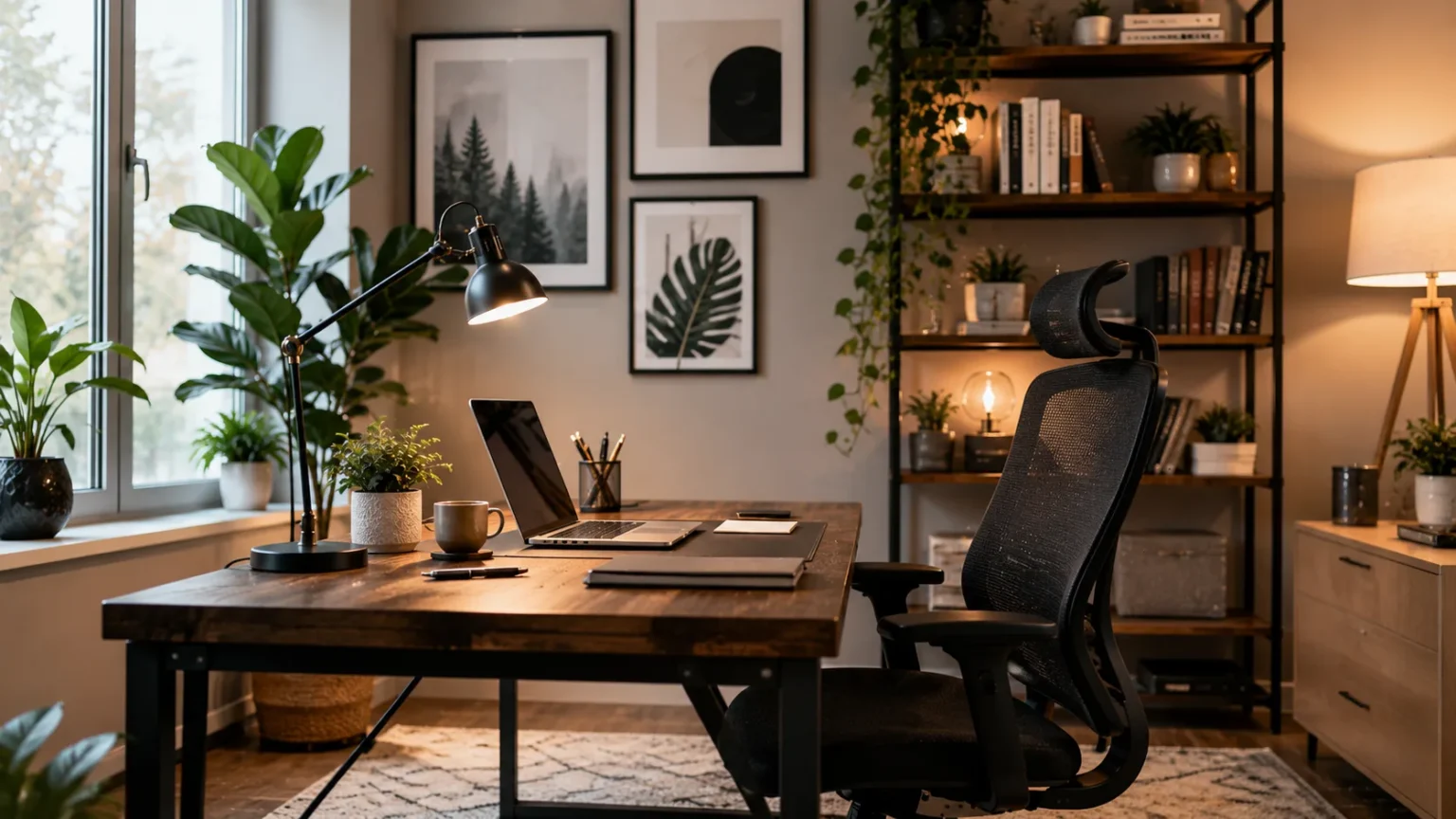

Home Office Decor Ideas for a Productive Space
A well-designed home office can influence how comfortably and efficiently you work throughout the day. When your workspace feels organized, visually balanced, and suited to your routine, it becomes easier to concentrate and maintain a sense of structure. The best home office decor ideas are not only about appearance; they also support productivity, comfort, focus, and healthier working habits.
Remote and hybrid work have made home offices more important than ever, but not everyone has a separate room available. Some people work from a spare bedroom, dining area, hallway nook, or small apartment corner. The key is to create a dedicated workspace that feels intentional. Thoughtful furniture, lighting, storage, color, and organization can make even a compact setup feel professional and inviting.
Current home office design trends favor warm neutrals, natural materials, biophilic elements, flexible furniture, layered lighting, acoustic comfort, and clutter-free layouts. These ideas work because they create a space that feels calm without becoming sterile. Instead of filling the office with decorative objects, the goal is to use purposeful design choices that support the way you actually work.
Whether you are designing a full home office or improving a small work-from-home corner, the right decor can make a noticeable difference. This guide explores practical home office decor ideas for creating a productive space, including desk placement, ergonomic furniture, storage, lighting, wall decor, color choices, plants, organization, and budget-friendly improvements.
Start With the Right Home Office Layout
The layout should be the first thing you consider before buying furniture or decorative accessories. Think about how you move through the space, where natural light enters, and which areas need to remain clear. A good home office layout reduces distractions and allows your desk, chair, storage, and equipment to work together rather than competing for limited space.
Place the desk where you can work comfortably without blocking doors, windows, or common walkways. Sitting near natural light can make the space feel brighter, but positioning a monitor directly in front of a sunny window may create glare. Turning the desk slightly or placing it perpendicular to the window can often provide a better balance between daylight and screen visibility.
Consider what you need within arm’s reach during a normal working day. Frequently used notebooks, chargers, documents, and office supplies should be easy to access without requiring you to stand up repeatedly. Less frequently used items can be stored farther away. This simple zoning approach makes the workspace feel more efficient while reducing unnecessary clutter around the desk.
If your home office shares space with another room, define the work area visually. A rug, wall color, shelving unit, or lighting fixture can separate the office from the rest of the room without creating a physical wall. Clear visual boundaries make it easier to mentally transition into work mode and disconnect when the workday ends.
Choose a Desk That Fits Your Work Style
The right desk should support your daily tasks rather than simply filling an empty wall. Someone who works primarily from a laptop may need only a compact surface, while a designer, accountant, or content creator may require space for multiple monitors, documents, or specialized equipment. Choosing a desk based on actual working habits helps prevent overcrowding and frustration.
Measure the available space before purchasing a desk, including the room needed for your chair and comfortable movement. A desk that is too large can dominate a small office, while one that is too narrow may create constant clutter. Slim desks, corner desks, wall-mounted options, and compact writing tables can work particularly well in smaller home offices.
Standing desks and adjustable desks have also become popular because they allow users to change positions throughout the day. Alternating between sitting and standing may help reduce the discomfort that comes from remaining in one position for long periods. However, the desk should still provide enough stability and surface space for your equipment and everyday work requirements.
The style of the desk should complement the rest of the room without becoming the only design focus. Natural wood can create warmth, while simple modern desks suit minimalist interiors. Look for a combination of durability, comfort, storage, and proportion. A practical desk that fits your workflow will contribute more to productivity than a visually impressive desk that is difficult to use.
Invest in a Comfortable Ergonomic Chair
A chair is one of the most important elements in any productive home office. If you spend several hours working at a desk, poor seating can contribute to discomfort, fatigue, and difficulty concentrating. A supportive chair allows you to maintain a more comfortable posture while reducing the temptation to constantly shift positions or work from unsuitable furniture.
Look for adjustable features rather than choosing a chair based only on appearance. Seat height, lumbar support, armrests, and backrest positioning can help the chair adapt to your body and desk setup. Your feet should be able to rest comfortably on the floor or a footrest while your arms remain relaxed when typing.
Breathable materials can improve comfort during longer working sessions, particularly in warm rooms. Upholstered chairs may feel softer, while mesh designs often allow better airflow. The best option depends on personal preference, but the chair should feel comfortable after extended use rather than only during a brief test.
An ergonomic chair does not need to look overly corporate. Many modern office chairs combine supportive features with clean shapes, neutral fabrics, and stylish finishes. Choosing one that fits the visual style of your home office helps create a more cohesive workspace without sacrificing the comfort needed for productive work.
Use Natural Light Whenever Possible
Natural light can make a home office feel more open, comfortable, and energizing. A workspace positioned near a window often feels less enclosed than one placed in a dark corner. Daylight can also reduce the need for artificial lighting during part of the day, creating a softer and more pleasant environment for everyday tasks.
Desk placement matters because direct sunlight can cause screen glare or make the workspace uncomfortably warm. Positioning the monitor perpendicular to the window often provides useful daylight without creating excessive reflections. Adjustable blinds, curtains, or shades can help control brightness as sunlight changes throughout the day.
Avoid placing large furniture in front of windows if it blocks natural light from reaching the rest of the room. Keeping windows visually open allows daylight to spread more effectively. Light-colored walls, mirrors, and reflective surfaces can further distribute natural light and make a smaller office feel brighter.
Natural light should still be supported by artificial lighting because weather conditions and working hours vary. A good home office should remain comfortable early in the morning, late in the evening, and on overcast days. Combining daylight with layered artificial lighting creates a more flexible and reliable workspace.
Layer Your Home Office Lighting
Relying on one overhead light can make a home office feel flat and uncomfortable. Layered lighting combines ambient, task, and accent lighting to create a more balanced environment. Each type serves a different purpose, helping you work comfortably while also making the room look more polished and intentional.
Ambient lighting provides overall illumination and may come from ceiling fixtures, recessed lights, or larger lamps. Task lighting focuses directly on work surfaces and is particularly useful for reading, writing, or detailed activities. A desk lamp with an adjustable arm allows you to position light where you need it without illuminating the entire room more brightly.
Accent lighting can improve the atmosphere and highlight decorative features such as shelves, artwork, or architectural details. Small table lamps, wall sconces, or LED lighting placed thoughtfully around the office can make the room feel warmer. These secondary light sources are especially useful during video calls or evening work.
Choose bulbs that provide comfortable brightness without making the office feel harsh. Very cool lighting can feel clinical, while overly warm lighting may not provide enough clarity for detailed work. A balanced light temperature that supports concentration while remaining comfortable usually works best in a home office environment.
Pick Colors That Support Focus
Color can influence the overall mood of a home office, so the best palette should support both concentration and comfort. Soft neutrals such as warm white, beige, taupe, light gray, and muted cream create a calm background that works well with different furniture styles. These colors also reflect light, helping smaller offices feel more open.
Muted greens and soft blues are popular choices for productive workspaces because they create a calm visual atmosphere without feeling dull. Earthy tones such as clay, terracotta, olive, and warm brown can add depth and personality. The goal is to choose colors that feel pleasant during long working sessions rather than selecting a shade only because it is currently fashionable.
Bold colors can still work when used strategically. A deep blue wall behind the desk, dark green shelving, or burgundy chair can create a strong focal point without overwhelming the entire room. Keeping the surrounding palette simpler allows the accent color to feel intentional and sophisticated.
Test paint samples in the actual office before committing to a color. Natural and artificial light can change how a shade appears throughout the day. A color that looks calm in the morning may feel much darker in the evening, so observing it under different lighting conditions can prevent disappointing results.
Add Smart Storage to Reduce Clutter
Clutter can make a home office feel distracting even when the room is otherwise attractive. Good storage keeps essential items accessible while removing unnecessary visual noise from the desk. The goal is not to hide everything but to create clear places for documents, electronics, supplies, and personal items so they do not accumulate randomly.
Closed cabinets and drawers are useful for items that do not need to remain visible. Paperwork, spare cables, office supplies, and technology accessories can quickly make a workspace look messy when left on open surfaces. Labeling drawers or using internal organizers makes it easier to find what you need without disrupting the appearance of the room.
Open shelving can provide both storage and decoration when it is styled carefully. Use shelves for books, reference materials, small plants, storage boxes, and a limited number of decorative objects. Leaving some empty space prevents the shelving from becoming visually overwhelming and allows individual items to stand out.
Vertical storage is particularly valuable in small home offices. Tall bookcases, floating shelves, pegboards, and wall-mounted organizers use wall space instead of occupying additional floor area. This helps create more usable room around the desk while keeping important tools conveniently accessible.
Keep the Desk Clear and Functional
Your desk should primarily support work, so avoid filling the surface with unnecessary accessories. Keep only the items you use frequently, such as a computer, notebook, lamp, and perhaps one or two personal objects. A clear workspace makes it easier to begin tasks without first moving clutter out of the way.
Use simple organizers for pens, chargers, documents, and smaller accessories. A desk tray or drawer insert can prevent loose items from spreading across the work surface. If paperwork is part of your job, create a specific system for incoming, active, and completed documents so stacks do not continue growing.
Technology should also be arranged according to frequency of use. Frequently used devices should remain easily accessible, while backup drives, spare chargers, and adapters can be stored elsewhere. Laptop stands, monitor arms, and docking stations can create more usable desk space while keeping screens positioned more comfortably.
At the end of the workday, spend a few minutes returning items to their designated places. This small habit prevents clutter from gradually accumulating. Starting the next morning with an organized desk can make the workspace feel calmer and reduce distractions before the day’s work even begins.
Manage Cables for a Cleaner Workspace
Visible cables can make even a carefully decorated home office look untidy. Computer chargers, monitor cables, power strips, phone chargers, and accessories often collect underneath or behind the desk. Cable management keeps these connections organized while also reducing the chance of cords becoming tangled or creating obstacles.
Cable trays mounted beneath the desk can hold power strips and larger cords away from the floor. Adhesive clips can guide individual cables along furniture edges, while reusable ties can keep related cords grouped together. Labeling cables near the power strip can also make troubleshooting or equipment changes much easier.
Consider where electrical outlets are located before deciding on your desk position. Placing the workspace relatively close to power can reduce the need for long extension cords crossing the room. If the ideal desk location is farther away, use appropriate cable covers to keep connections neat and reduce trip hazards.
Wireless accessories can reduce some visual clutter, although they still require occasional charging. A thoughtful combination of wireless devices and organized wired connections usually works better than trying to remove every cable completely. The aim is a clean and manageable setup rather than a perfectly cable-free office.
Bring Plants Into Your Home Office
Plants can soften the appearance of a workspace and make it feel more welcoming. Natural greenery adds color, texture, and visual interest without requiring large decorative objects. A small plant on the desk or a larger floor plant near a window can make an otherwise practical office feel more comfortable and personal.
Choose plants according to the actual lighting conditions in the room. Some varieties require bright indirect light, while others tolerate lower-light environments. Selecting appropriate plants reduces maintenance and makes it more likely that they will remain healthy rather than becoming another item that needs constant attention.
If desk space is limited, use hanging plants, wall-mounted planters, or shelves. Trailing plants can add softness to shelving and help draw the eye upward. Larger plants can also be used to fill an awkward empty corner without adding another piece of furniture.
Artificial greenery is a reasonable alternative in offices with very little natural light or for people who do not want plant maintenance. Choose realistic designs and use them sparingly. Whether natural or artificial, greenery works best when it complements the workspace rather than overwhelming it.
Decorate the Wall Behind Your Desk
The wall behind a desk can become one of the strongest visual features in a home office. Because it may also appear during video meetings, creating a thoughtful backdrop can improve both the room and your on-camera environment. Artwork, shelves, textured panels, or a simple painted accent wall can all work effectively.
A large artwork can create a clean focal point without making the wall feel busy. Gallery walls can also work when frames share a consistent color palette or style. Plan the arrangement before hanging anything so the finished wall looks balanced rather than randomly filled.
Floating shelves provide an opportunity to combine decorative objects with useful storage. Books, plants, small sculptures, and framed photographs can add personality while keeping the desk clear. Avoid filling every inch of the shelving because visual breathing room makes the arrangement look more intentional.
If you frequently attend video meetings, consider how the background appears on camera. Very busy patterns or reflective surfaces may become distracting. A simple, organized backdrop with a few personal elements often feels professional while still making the office look like part of a real home.
Create an Inspiring but Minimal Gallery Wall
A gallery wall can make a home office feel personal and inspiring without taking up floor or desk space. Choose artwork, photographs, prints, or typography that you genuinely enjoy rather than adding generic motivational pieces simply because they are associated with offices. Personal relevance tends to create a more authentic workspace.
Keep the arrangement visually connected by repeating frame colors, art styles, or a consistent palette. Frames do not need to match exactly, but some shared design element prevents the display from feeling chaotic. A combination of two or three sizes usually creates enough variation without becoming overly complicated.
Position the gallery wall where you can appreciate it without constantly staring at highly distracting imagery. The wall behind or beside the desk is often a good location. If the office is small, a compact arrangement may look better than filling the entire wall from edge to edge.
Leave some empty wall space around the gallery so the individual pieces remain easy to see. Small offices can quickly become visually crowded when every surface is decorated. A curated collection of meaningful artwork creates more impact than a large number of unrelated pieces placed together.
Use Shelves Without Making the Office Look Busy
Shelves are valuable in a home office because they provide storage without consuming much floor space. However, completely filling every shelf can make the room feel cluttered. Treat shelving as a combination of functional storage and visual display rather than as a place to put anything that does not fit elsewhere.
Start with the items you actually need close to the desk, such as reference books, folders, or equipment. Place these where they are easy to reach. Decorative objects can then be added around them, using plants, framed photographs, ceramics, or small sculptures to soften the practical appearance.
Closed boxes and baskets are useful for hiding smaller items that would otherwise create visual clutter. Choose storage containers with similar materials or colors to create a more cohesive look. Mixing too many different boxes, labels, and containers can make organized shelving appear messy despite everything having a designated place.
Leave sections of some shelves empty. Negative space helps create rhythm and prevents the shelving unit from dominating the room. This approach also makes it easier to add new work materials later without immediately creating an overcrowded appearance.
Make a Small Home Office Feel Bigger
A small home office can feel comfortable when the furniture is properly scaled and the layout remains open. Avoid oversized desks, deep cabinets, and bulky chairs that overwhelm limited square footage. Slim furniture with visible legs can make the room feel lighter because more of the floor remains visually exposed.
Light colors and reflective surfaces can help the space feel brighter. A mirror positioned where it reflects natural light can create additional depth, while pale walls and curtains keep the room from appearing enclosed. Glass or visually lightweight furniture can also work when used selectively.
Use vertical space rather than adding more floor furniture. Floating shelves, wall-mounted lights, pegboards, and tall storage units allow the office to remain organized while preserving valuable walking space. Curtains hung close to the ceiling can also make the room appear taller.
Keep decorative objects controlled because small rooms become visually crowded quickly. One strong artwork, a plant, and a few well-chosen accessories may be enough. A small office feels larger when each item has space around it and there is a clear visual path through the room.
Create a Home Office in a Bedroom
Many people need to create a home office inside a bedroom because a separate workroom is not available. The biggest challenge is keeping work from visually dominating a space intended for rest. Choosing a compact desk and defining a specific office zone can help maintain separation between the two functions.
Place the desk away from the bed when possible, even if the distance is modest. A corner, alcove, or area near a window can work well. Using a rug, different wall color, or small shelving unit can visually define the work zone without requiring permanent construction.
Storage is especially important because office papers and equipment can quickly make a bedroom feel cluttered. Choose drawers, closed cabinets, or decorative boxes that allow work materials to disappear after the day ends. A desk with built-in storage can also reduce the need for additional furniture.
Consider creating a simple end-of-day routine that signals the transition from work to rest. Close the laptop, clear the desk, turn off task lighting, and store work materials. These small actions make it easier for the bedroom to feel relaxing even when the workspace remains visible.
Design a Productive Office in a Small Apartment
Small apartments often require the home office to share space with the living room, bedroom, or dining area. Look for underused areas such as a wall between windows, an empty corner, or space behind the sofa. A compact desk can transform these areas without significantly reducing usable living space.
Choose furniture that can serve multiple purposes where necessary. A small dining table may function as a workstation during the day, while a wall-mounted desk can fold away when work is finished. Storage ottomans or cabinets can hold office equipment while also supporting other household needs.
Visual consistency helps the office blend naturally with the apartment. Choose a desk, chair, storage containers, and lighting that complement the surrounding furniture. An office that feels disconnected from the rest of the room can make a small apartment appear more cluttered than it actually is.
Even a tiny workstation deserves good lighting and ergonomic consideration. A compact space should not force you to work in an uncomfortable position. Prioritize a suitable chair, correct screen height, and accessible power connections before adding decorative accessories.
Improve Your Video Call Background
Video meetings have made the area behind the desk part of modern home office design. A tidy and visually balanced background can help create a more professional impression without turning your office into a staged set. The best background feels natural, organized, and free from distracting clutter.
Shelves can work well when they contain a restrained mix of books, plants, and personal objects. Avoid overcrowding them because small details may become visually distracting on camera. A single artwork or calm accent wall can provide an even simpler backdrop.
Lighting should illuminate your face from the front or slightly from the side rather than coming only from behind you. Strong backlighting from a window can make you appear dark on camera. Adjustable blinds or a repositioned desk can improve the balance between natural light and screen visibility.
Check the camera frame before deciding that the room needs additional decor. Sometimes removing unnecessary objects creates a better result than adding new ones. A professional video background generally depends more on organization, lighting, and composition than on expensive decoration.
Add Acoustic Comfort to Your Home Office
Sound can affect concentration just as much as visual clutter. Hard floors, bare walls, and large windows can create echoes that make calls and focused work less comfortable. Soft materials absorb some sound and can make a home office feel calmer without requiring professional acoustic treatment.
Rugs are one of the simplest ways to reduce sound reflection, particularly in rooms with hardwood, laminate, or tile flooring. Curtains, upholstered chairs, fabric blinds, and soft furnishings can provide additional absorption. These elements also contribute to the overall decor rather than looking like specialized office equipment.
Bookshelves can help break up sound while providing useful storage. A well-filled bookcase positioned against a wall may reduce some of the room’s hard reflective surfaces. Fabric-covered notice boards or decorative acoustic panels can provide additional support when echo remains a problem.
For homes with external noise, headphones or a quality headset may be more practical than trying to soundproof the entire room. The goal is to create an environment where conversations remain clear and distractions are manageable. Acoustic comfort is an often-overlooked part of productive home office design.
Personalize Your Workspace Without Adding Clutter
Personal items can make a home office more enjoyable, but too many objects can become distracting. Choose a few items that have genuine meaning, such as a favorite photograph, travel souvenir, artwork, or book. These small details make the workspace feel personal without reducing the room’s functionality.
Create designated areas for decorative pieces instead of spreading them across the desk. Shelves, a side cabinet, or a wall display can hold personal objects while keeping the main work surface clear. Grouping items together also makes the decor look more intentional.
Rotate decorative accessories occasionally rather than displaying everything at once. Seasonal artwork, photographs, or objects can refresh the office without requiring new purchases. Storing some items also prevents the room from gradually becoming crowded as new pieces are added.
Your home office does not need to resemble a corporate workspace. Personalization can make working from home more comfortable and enjoyable. The goal is simply to balance character with function so decorative choices support the environment rather than competing with your attention.
Budget-Friendly Home Office Decor Ideas
Improving a home office does not require replacing every piece of furniture. Start by reorganizing the existing layout and removing items that are no longer needed. Changing the desk position, clearing clutter, and improving cable management can make the space feel dramatically better without spending anything.
Affordable textiles and accessories can create noticeable visual change. A rug, cushion, curtain, desk mat, or lampshade can introduce color and texture. Secondhand shops and online resale platforms can also be useful for finding desks, shelving, lamps, and office chairs at lower prices.
Use simple DIY solutions where appropriate. Paint an existing cabinet, add removable wallpaper behind the desk, or create wall storage with basic shelves. Repurposing furniture from another room can also provide a functional office setup without requiring an entirely new collection of products.
Spend more carefully on items that affect comfort and performance. A supportive chair, suitable monitor setup, and reliable lighting are usually more important than decorative accessories. Once the functional foundation is comfortable, inexpensive decor can be added gradually to create personality.
Home Office Decor Ideas for a Professional Look
A professional-looking home office does not need to feel formal or impersonal. Start with a consistent color palette and furniture that visually relates to one another. Neutral tones, natural wood, black accents, or muted colors often create a polished foundation that can be personalized with art and accessories.
Keep visible technology organized. Position monitors evenly, route cables neatly, and avoid allowing chargers or equipment to spread across the desk. A well-managed technology setup immediately makes the workspace look more intentional and can also improve everyday efficiency.
Storage should appear coordinated rather than improvised. Similar boxes, folders, cabinets, and organizers create visual consistency even when they contain very different items. Labeling systems can remain subtle so the office feels organized without resembling a storage room.
Finish the space with a few high-impact details, such as quality lighting, one large artwork, a plant, or a well-designed rug. Professional decor often depends on restraint rather than the number of accessories. A clean, comfortable, and well-proportioned office naturally creates a more polished appearance.
Home Office Mistakes That Can Hurt Productivity
One common mistake is positioning the desk without considering light, noise, or movement through the home. A beautiful desk placed beside a busy doorway or directly facing screen glare may become frustrating during everyday use. Function should guide the layout before decorative preferences are considered.
Another problem is using unsuitable furniture for long periods. Dining chairs and temporary tables may work for occasional tasks but can become uncomfortable when used for full workdays. If remote work is regular, prioritize furniture that supports a stable and ergonomic setup.
Too much clutter can also make it harder to concentrate. Papers, unused devices, decorative objects, and cables gradually accumulate when they do not have assigned storage. Simple organization systems reduce visual distraction and help prevent important items from getting lost.
Finally, avoid designing an office that looks impressive but does not reflect your actual work habits. A minimalist desk may not suit someone who regularly uses printed documents, while extensive shelving may be unnecessary for a completely digital workflow. A productive home office should support the tasks you perform most often.
Create a Better Work-Life Boundary
Working from home can blur the line between professional and personal time, especially when the office is inside a bedroom or living space. Creating a clearly defined work zone helps establish a mental boundary even when there is no separate room. The physical setup can signal when the workday begins and ends.
Use lighting to reinforce this separation. Turn on the desk lamp when starting work and switch it off when finished. Closing a laptop, storing documents, and moving the chair back under the desk can create a simple visual transition from work mode to personal time.
If possible, avoid using the desk for unrelated activities during the evening. Keeping the workstation associated primarily with professional tasks can make it easier to focus when you sit down. In shared spaces, a folding screen or closed cabinet can partially hide the office after working hours.
Work-life boundaries are not only about decor, but the environment can support them. A home office that has a clear beginning and end within the room helps prevent work from feeling permanently present. Thoughtful design can therefore support both productivity during the day and relaxation afterward.
Final Thoughts on Home Office Decor
The best home office decor ideas combine productivity, comfort, and personal style rather than focusing on appearance alone. A workspace should help you concentrate, keep essential tools accessible, and remain comfortable during long periods of use. Good design makes these practical requirements feel natural instead of allowing the office to become visually cluttered or overly corporate.
Start with the basics: a thoughtful layout, suitable desk, supportive chair, good lighting, and organized storage. Once those elements work properly, add color, plants, artwork, shelving, and personal details that make the office feel inviting. Building the space in this order helps prevent decorative choices from interfering with everyday functionality.
Small home offices can be just as effective as dedicated rooms when vertical storage, compact furniture, and visual zoning are used carefully. Even a corner of a bedroom or apartment can become a productive workspace. The important thing is creating a clear area where equipment, lighting, and seating support the work you regularly perform.
Ultimately, a productive home office should make it easier to begin work, stay focused, and disconnect when the day ends. You do not need expensive furniture or elaborate renovations to achieve that result. A few intentional decisions about layout, organization, comfort, and decor can turn almost any available area into a practical and stylish workspace.
Frequently Asked Questions
What colors are best for a productive home office?
Soft neutrals, muted greens, light blues, and warm earth tones work well because they create a calm and focused atmosphere. Choose colors that remain comfortable throughout long working sessions.
How can I decorate a small home office?
Use compact furniture, floating shelves, vertical storage, light colors, good task lighting, and only a few decorative pieces. Keeping the floor and desk visually clear can make the office feel larger.
What should every home office have?
A productive home office should include a suitable desk, comfortable chair, adequate lighting, organized storage, reliable technology, and a layout that supports the user’s normal working routine.
How can I make my home office feel more professional?
Keep cables organized, use coordinated storage, maintain a clear desk, improve lighting, and create a clean video-call background. A consistent color palette can also create a more polished look.
Where should a desk be placed in a home office?
Place the desk where it has good light, minimal distractions, and enough room for comfortable movement. Positioning it perpendicular to a window can often provide daylight without excessive screen glare.