
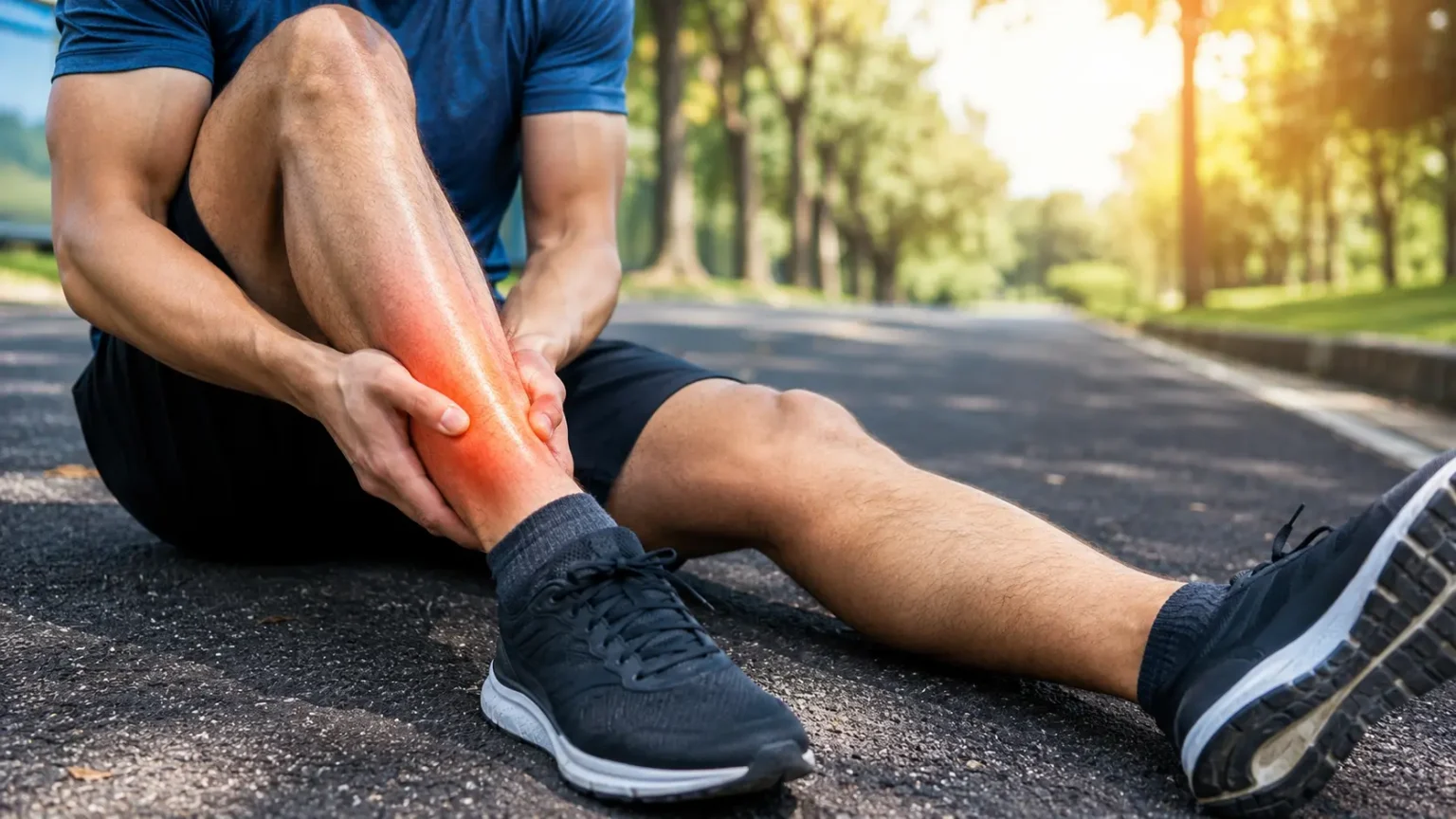

Shin Splints: Causes, Symptoms and Fast Relief
Shin splints are one of the most common overuse problems experienced by runners, dancers, military recruits, athletes, and people who suddenly increase their level of physical activity. The condition typically causes aching or tenderness along the inner edge of the shinbone, especially during or after exercise. Although the discomfort can initially feel manageable, repeatedly exercising through the pain can prolong recovery and make returning to normal activity considerably more difficult.
The medical term commonly associated with shin splints is medial tibial stress syndrome (MTSS). It develops when repeated loading places excessive stress on the tibia and surrounding muscles and connective tissues. Running more frequently, increasing mileage too quickly, exercising on hard surfaces, changing footwear, or starting a demanding training program without enough recovery can all contribute to symptoms.
Fortunately, most cases improve without surgery when the underlying overload is addressed. Reducing painful activity, using ice for short-term symptom relief, maintaining fitness through lower-impact exercise, improving lower-leg strength, and returning to running gradually can all support recovery. The important goal is not simply making the pain disappear temporarily but correcting the training pattern that allowed it to develop.
Shin pain should not always be assumed to be ordinary shin splints, however. Tibial stress fractures, chronic exertional compartment syndrome, muscle injuries, and other conditions can produce similar symptoms. This guide explains shin splint causes, symptoms, treatment, fast pain relief, recovery time, exercises, prevention strategies, and warning signs that suggest you should seek professional medical assessment.
What Are Shin Splints?
Shin splints is a broad everyday term most commonly used for medial tibial stress syndrome, an exercise-related condition involving pain along the inner portion of the tibia. The tibia is the larger of the two bones in the lower leg and absorbs considerable force whenever you walk, run, jump, or land.
Repeated impact places stress on both the bone and tissues attached around it. When training load increases faster than the body can adapt, irritation and bone stress can develop along the tibia. This explains why shin splints frequently appear during the first weeks of a new running program or after a sudden increase in training intensity.
Pain usually develops over a broader area along the inner shin rather than at one tiny point. The discomfort may initially appear only during exercise and become less noticeable after stopping. As irritation progresses, the shin may remain sore after exercise and eventually become uncomfortable during ordinary activities.
Shin splints are therefore best understood as an overuse injury rather than a single traumatic event. Unlike an ankle sprain that may happen during one awkward landing, medial tibial stress syndrome usually develops gradually as repeated loading exceeds the lower leg’s current capacity to recover and adapt.
What Do Shin Splints Feel Like?
The classic symptom is a dull, aching, or sometimes sharper pain along the inner edge of the lower shin. Many people describe a strip of tenderness extending over several centimeters rather than being able to identify one pinpoint painful spot.
Pain often begins during running, jumping, dancing, or another repetitive weight-bearing activity. In earlier stages, the discomfort may lessen after warming up or disappear shortly after exercise. This pattern can tempt athletes to keep training because the problem appears temporary.
As shin splints become more irritated, symptoms may appear earlier during workouts and remain afterward. Walking upstairs, standing for long periods, or pressing along the shin may become uncomfortable. Mild swelling can occasionally occur around the painful region.
Symptoms can affect one or both legs. Bilateral pain is relatively common among runners because both legs experience similar training stresses, although one side may feel worse because of biomechanics, previous injuries, footwear, running surface, or differences in strength.
What Causes Shin Splints?
The main cause of shin splints is repetitive mechanical overload. Bones, muscles, and connective tissues normally adapt to exercise when training increases gradually and recovery is adequate. Problems develop when the amount of stress increases faster than these tissues can adapt.
A sudden increase in running distance is a classic trigger. Someone who normally runs six miles per week and suddenly begins running twenty miles has dramatically increased the repeated forces passing through the lower legs. Similar problems can occur after suddenly adding hills, sprints, jumping drills, or high-intensity classes.
Training frequency matters as well. Running hard several days in a row gives the legs less time to recover between sessions. Even a reasonable weekly mileage may become problematic when too much of it is concentrated into a short period or when several intense workouts are performed without easier recovery days.
Biomechanical and environmental factors can add further stress. Foot mechanics, calf flexibility, muscle strength, running technique, worn footwear, hard surfaces, and previous injury may all influence how forces travel through the lower leg. Usually, shin splints result from several contributing factors rather than one single cause.
Why Runners Commonly Get Shin Splints
Running repeatedly loads the tibia with forces greater than those experienced during ordinary walking. The body is designed to adapt to this stress, and gradual loading can actually strengthen bone. Trouble develops when repeated impact rises faster than bone and muscle adaptation can keep pace.
New runners are especially vulnerable because their cardiovascular fitness can sometimes improve faster than their bones and connective tissues adapt. Someone may feel capable of running farther because breathing has become easier while the lower legs are still adjusting to repeated mechanical stress.
Experienced runners can develop shin splints too. Increasing weekly mileage before a race, adding speed sessions, introducing hills, changing running surfaces, or returning too aggressively after a break can suddenly alter the load experienced by the tibia.
The solution is not necessarily to stop running permanently. Most runners can eventually return after symptoms improve. The priority is temporarily reducing the activity that causes pain, maintaining fitness appropriately, identifying contributing factors, and rebuilding training gradually enough for the lower legs to adapt.
Common Risk Factors for Shin Splints
A rapid change in training volume or intensity is among the strongest practical risk factors. Starting a new sport, increasing running mileage, joining military training, adding jumping exercises, or suddenly exercising on consecutive days can all create an overload that the lower legs are not ready to tolerate.
Foot and ankle mechanics may also influence risk. People whose feet roll inward significantly during movement may experience different forces through the lower leg. However, foot shape alone does not guarantee that someone will develop shin splints, and many people with flat feet exercise without symptoms.
Calf flexibility and lower-leg strength can matter because these tissues help control and absorb forces during running. Weakness higher in the kinetic chain—including the hips—may also influence movement patterns, which is why rehabilitation programs often address more than the painful shin itself.
Previous shin splints increase the likelihood of another episode if the original contributing factors remain. Returning immediately to the same mileage, footwear, running surface, or training schedule after pain disappears can reproduce exactly the same overload that caused the problem initially.
Can Shoes Cause Shin Splints?
Shoes alone rarely explain every case of shin splints, but footwear can contribute to the overall load placed on the lower legs. Running shoes gradually lose cushioning and structural properties as they accumulate mileage, even when the upper portion still looks reasonably good.
Changing abruptly to a dramatically different type of shoe can also alter how forces are distributed. Someone moving from a highly cushioned shoe to minimalist footwear, for example, may need a transition period rather than immediately completing their usual training volume.
The best running shoe is not necessarily the most expensive model or the one marketed specifically for shin splints. Comfort, fit, activity, personal biomechanics, and gradual adaptation matter. A running-store assessment or professional evaluation may help when footwear repeatedly seems connected with symptoms.
Orthotic inserts can be appropriate for selected people, particularly when specific biomechanical issues contribute to repeated symptoms. However, not everyone with shin splints needs custom orthotics. Strengthening, training modification, and gradual progression remain equally important considerations.
Can Flat Feet Cause Shin Splints?
People with flat feet or increased foot pronation are frequently told that their foot shape caused their shin splints. The relationship is more complicated. Foot mechanics may influence tibial loading, but flat feet alone do not mean someone will automatically experience pain.
Many people have naturally low arches throughout their lives without developing shin splints. Problems are more likely when foot mechanics combine with sudden training changes, inadequate conditioning, reduced strength, or other factors.
Supportive footwear or inserts may help some people by changing how forces are distributed during movement. The appropriate solution depends on symptoms and individual biomechanics rather than the appearance of the arch while standing still.
If shin splints repeatedly return despite sensible training progression, professional assessment may be worthwhile. A sports medicine clinician or physiotherapist can examine gait, ankle mobility, strength, training history, footwear, and other factors instead of blaming every problem on foot shape.
Shin Splints vs Stress Fracture
Distinguishing shin splints from a tibial stress fracture is extremely important because both can develop after repetitive exercise. Shin splints typically produce diffuse tenderness across a longer section of the inner tibia, whereas stress fractures more often create highly localized bone pain.
Stress-fracture pain may also become persistent as the injury progresses. Someone may eventually experience discomfort while walking, standing, or resting rather than only while exercising. Pain that becomes increasingly focused at one small point deserves particular attention.
Another warning sign is pain during activities involving repeated hopping or loading on one leg, although home tests should not be used to diagnose a stress fracture. Continuing to run through a suspected bone stress injury can allow a small stress reaction to progress into a more significant fracture.
If you cannot distinguish the two conditions, stop painful high-impact activity and seek appropriate assessment. Imaging is not always necessary for classic shin splints, but a healthcare professional may recommend further investigation when a stress fracture is suspected.
Shin Splints vs Compartment Syndrome
Chronic exertional compartment syndrome is another condition that can resemble shin splints. It occurs when pressure increases within a muscle compartment during exercise, potentially affecting muscles, nerves, and blood vessels.
Symptoms often develop predictably after a certain amount of exercise and may include intense tightness, aching, burning, weakness, numbness, or tingling. Unlike ordinary shin splints, symptoms can sometimes disappear relatively quickly after activity stops.
Shin splints generally cause tenderness along the inner tibia and are associated more closely with repetitive bone and tissue stress. Compartment syndrome can involve different areas of the lower leg and may produce neurological sensations that are less typical of medial tibial stress syndrome.
Sudden severe compartment syndrome following an injury is an emergency, particularly when pain is extreme and the leg becomes tense or neurological symptoms develop. Chronic exercise-related symptoms also deserve professional evaluation when they repeatedly interfere with activity.
How to Get Fast Relief From Shin Splints
The fastest practical way to begin improving shin splints is to reduce or stop the activity causing the pain. Continuing the same running or jumping workload while trying to mask symptoms usually prolongs irritation and can potentially allow a more significant bone stress injury to develop.
Cold packs can provide short-term pain relief. Wrap ice or a cold pack in a towel rather than placing it directly on the skin, and apply it for approximately 15 to 20 minutes at a time. Cooling can make the shin feel more comfortable but does not correct the underlying training overload.
During recovery, substitute lower-impact activities that do not reproduce symptoms. Swimming, easy cycling, pool running, or other forms of exercise may allow you to maintain cardiovascular fitness while reducing repetitive impact on the tibia.
Fast relief should not be confused with instant healing. Even when the shin feels better after several rest days, the tissues still need time to rebuild tolerance. Returning immediately to full training because the pain has temporarily disappeared is one of the easiest ways to trigger another episode.
Should You Ice Shin Splints?
Ice can be useful primarily for temporary pain relief, especially after activity has irritated the shin. A wrapped cold pack applied for about 15 to 20 minutes can reduce discomfort without exposing the skin directly to extreme cold.
You do not need to keep ice attached to the leg continuously. Longer or more aggressive cooling does not necessarily speed tissue healing and can irritate the skin or underlying tissues.
Ice should therefore be viewed as a symptom-management tool rather than the treatment that fixes shin splints. Training modification, gradual rehabilitation, strength, appropriate recovery, and correcting contributing factors matter much more for preventing recurrence.
If you dislike ice and your symptoms are mild, recovery is still possible without it. The essential intervention is reducing painful impact sufficiently for the lower leg to recover rather than forcing yourself to follow one specific home remedy.
Should You Massage Shin Splints?
Gentle massage around tight calf muscles may feel relaxing and can temporarily reduce muscle tension. However, aggressively digging directly into a painful tibia is unlikely to speed recovery and may make an already irritated area more uncomfortable.
Foam rolling the calf can sometimes be useful when calf tightness contributes to symptoms. Pressure should remain tolerable, and you should avoid repeatedly rolling directly across a sharply painful bone.
Massage cannot eliminate the mechanical overload that caused shin splints. If someone continues running excessive mileage while receiving frequent massage treatments, symptoms may keep returning because the principal training problem remains unchanged.
Use massage as an optional supportive strategy rather than the central treatment. Rehabilitation should focus primarily on appropriate activity modification, progressive strengthening, mobility where needed, and a controlled return to weight-bearing exercise.
Best Stretches for Shin Splints
Calf flexibility exercises are often included in shin splint rehabilitation because the calf complex influences ankle movement during walking and running. A gentle straight-knee calf stretch can target the gastrocnemius muscle and improve comfort in people who feel tightness.
A bent-knee calf stretch places more emphasis on the soleus, another important lower-leg muscle. Both stretches should produce a gentle pulling sensation rather than sharp pain in the shin.
Stretching alone is unlikely to cure medial tibial stress syndrome. A person can have excellent flexibility and still develop symptoms after dramatically increasing running mileage. Stretching works best as one component of a broader rehabilitation strategy.
Avoid forcing stretches aggressively when the shin is acutely painful. If stretching directly increases bone pain, modify or pause the exercise and consider professional guidance. Rehabilitation exercises should progressively improve tolerance rather than repeatedly provoke symptoms.
Strengthening Exercises for Shin Splints
Strengthening the calf muscles can improve the lower leg’s ability to tolerate repetitive loading. Calf raises are a simple starting exercise and can eventually progress from two-legged versions to single-leg raises as strength improves.
Strengthening the muscles controlling the foot and ankle can also be useful. Exercises may target ankle inversion, eversion, dorsiflexion, and intrinsic foot muscles depending on individual needs and the rehabilitation program.
Hip and glute strength should not be ignored. Running is a whole-body movement, and weak hip muscles can influence how the leg controls impact and alignment during each stride.
The key principle is progressive loading. Exercises should gradually become more challenging as symptoms settle. Doing only gentle stretches without rebuilding strength can leave the leg poorly prepared for the forces encountered once regular running resumes.
Can You Walk With Shin Splints?
Walking is usually acceptable when it is comfortable and does not significantly increase symptoms. Someone with mild shin splints may be able to continue normal daily walking while temporarily avoiding running, jumping, or other higher-impact exercise.
If ordinary walking causes noticeable pain or makes the shin progressively more uncomfortable, the injury may require greater rest and possibly professional evaluation. Pain with routine weight-bearing also raises additional concern about a bone stress injury.
Walking distance matters. A pain-free five-minute walk does not necessarily mean a two-hour hike is appropriate during early recovery. Activity should remain within a level the lower leg currently tolerates.
Pay attention to how the shin feels later the same day and the following morning. Increasing pain after activity may indicate that the total load was still too high even if the walk felt manageable at the time.
Can You Run With Shin Splints?
Continuing to run through clearly painful shin splints is generally not a good strategy. Repeated impact maintains the same stress that produced the injury and can prolong recovery.
Some runners try to reduce intensity while keeping exactly the same mileage, but the tibia still experiences thousands of loading cycles. A temporary reduction or break from painful running is often more effective than repeatedly testing the injury every day.
Once everyday activities are comfortable and tenderness has substantially improved, running can be reintroduced gradually. Short, easy sessions separated by recovery days are usually more sensible than immediately returning to previous mileage.
If pain begins increasing during the run, changes your gait, or remains significantly worse afterward, the progression is probably too aggressive. Backing off early is much easier than restarting rehabilitation after another substantial flare.
How Long Do Shin Splints Take to Heal?
Recovery time varies depending on how irritated the lower leg has become and how effectively the contributing training load is reduced. Mild cases may improve over several weeks, while more persistent symptoms can require a longer rehabilitation period.
Someone who responds at the first sign of discomfort usually has an easier recovery than someone who runs through worsening pain for several months. Continuing painful exercise allows stress to accumulate and can increase concern about progression along the bone stress injury spectrum.
Recovery should be judged by function rather than by a specific calendar date. Walking, hopping, strengthening, and eventually running should become comfortable before training volume is substantially increased.
Patience is especially important because cardiovascular fitness often remains high while the leg is recovering. Feeling aerobically ready to run ten miles does not mean the tibia has regained the mechanical tolerance required to handle ten miles of impact.
When Can You Start Running Again?
Returning to running should generally begin after ordinary walking and daily activities are comfortable and the shin is no longer significantly tender. Strength and mobility should also be adequate enough to tolerate progressively higher loads.
Start with a considerably smaller amount than your previous routine. Some people benefit from run-walk intervals, allowing short running periods to alternate with walking while the lower leg readjusts to impact.
Increase one variable at a time when possible. Adding mileage, speed, hills, and additional training days simultaneously makes it difficult to know which change has exceeded your current capacity.
Monitor symptoms both during and after each run. Mild awareness that does not worsen may need individual interpretation, but increasing pain, limping, or next-day deterioration indicates that the progression needs to slow down.
How to Prevent Shin Splints
One of the most effective prevention strategies is gradual training progression. Give bones, muscles, and connective tissues enough time to adapt before dramatically increasing running distance, intensity, or frequency.
Include recovery days within demanding training schedules. Adaptation occurs during recovery as well as during exercise, so continuously adding stress without sufficient recovery can eventually exceed the tissue’s capacity.
Strength training can improve resilience. Calf raises, lower-leg exercises, hip strengthening, and broader resistance training can prepare the body to absorb and control repeated forces more effectively.
Footwear, running surfaces, sleep, nutrition, previous injury, and total activity load should also be considered. Prevention rarely comes from one magic exercise or shoe; it comes from managing the overall amount of stress placed on the body.
Does Running Surface Matter?
Hard surfaces are often blamed for shin splints, but the relationship is not as simple as saying concrete automatically causes injury. Runners adapt to different surfaces, and training load remains one of the most important considerations.
However, abruptly changing from a softer surface to repeated running on hard pavement can alter loading enough to contribute to symptoms. The same can happen when suddenly introducing hills, uneven trails, or banked roads.
Returning runners may find flat, predictable surfaces easier to control initially. Some people also prefer softer surfaces while rebuilding mileage, provided the terrain does not introduce excessive instability.
The best surface is one that allows you to train comfortably and progress gradually. Rotating environments can provide variety, but sudden dramatic changes should be introduced with the same caution as increases in distance or speed.
Can Shin Splints Come Back?
Yes. Shin splints can recur, particularly when someone returns to the exact training pattern that originally caused them. Pain relief does not necessarily mean the underlying capacity problem has been corrected.
A common pattern is resting until symptoms disappear and then immediately restarting full mileage. The leg has had time away from impact but has not necessarily rebuilt enough strength or loading tolerance to manage the previous routine.
Progressive rehabilitation reduces this risk. Strengthening the lower legs and hips, gradually increasing impact, reviewing footwear, and adjusting training volume can help prepare the body more effectively.
Repeated episodes deserve closer evaluation. If shin pain returns every training cycle despite sensible progression, a sports medicine professional or physiotherapist can look for biomechanical, nutritional, training, or medical factors that may be contributing.
Nutrition and Bone Health During Recovery
Bone health is influenced by more than exercise. Adequate calories, protein, calcium, vitamin D, and overall nutrition support bone remodeling and recovery from repetitive loading.
Athletes who chronically consume less energy than their bodies require can experience poorer bone health and a greater risk of bone stress injuries. This can occur in athletes of any gender and is especially important when training volume is high.
Trying to lose weight aggressively while recovering from repeated shin pain may therefore be counterproductive. The body requires adequate energy and nutrients to repair tissues and adapt to training.
People with repeated stress injuries, restrictive eating patterns, menstrual changes, unexplained fatigue, or concerns about nutrition should discuss them with an appropriate healthcare professional. Addressing underlying energy deficiency can be an essential component of long-term injury prevention.
When Should You See a Doctor for Shin Pain?
Seek professional assessment when shin pain is severe, highly localized, persistent, or worsening despite rest. These features can suggest a stress fracture or another problem rather than uncomplicated medial tibial stress syndrome.
Pain that occurs while resting, wakes you at night, or makes ordinary walking difficult should also receive greater attention. Significant swelling or tenderness focused at one small point on the tibia deserves evaluation.
Numbness, tingling, weakness, unusual tightness, or predictable severe symptoms during exercise can raise concern about compartment syndrome or nerve-related problems. Sudden extreme pain and a tense swollen leg require urgent medical care.
You should also seek advice when symptoms repeatedly return or fail to improve after modifying activity. A physiotherapist, sports medicine clinician, or other qualified professional can assess the diagnosis and develop a more individualized return-to-sport plan.
The Bottom Line on Shin Splints
Shin splints, or medial tibial stress syndrome, are usually an overuse problem caused by repetitive loading of the tibia and surrounding tissues. Runners and athletes are especially vulnerable when training distance, intensity, or frequency increases faster than their legs can adapt.
Symptoms typically include diffuse aching and tenderness along the inner shin during or after exercise. Pain at one precise point, worsening pain during ordinary walking, or persistent pain at rest deserves additional caution because it may indicate a tibial stress fracture or another condition.
Fast relief starts with reducing the activity that reproduces pain. Ice can provide temporary comfort, while low-impact exercise can help maintain fitness. Longer-term recovery depends on gradual strengthening, appropriate footwear when needed, controlled training progression, and sufficient recovery between workouts.
Most people can return to their previous activities successfully. The most important strategy is resisting the temptation to rush back as soon as symptoms decrease. Rebuilding lower-leg capacity gradually is what turns temporary pain relief into a sustainable return to running and exercise.
Frequently Asked Questions
What is the fastest way to relieve shin splints?
Reduce or stop painful running and jumping, use a wrapped cold pack for short-term relief, and switch temporarily to lower-impact exercise. Gradual rehabilitation is needed before returning to full training.
How can I tell shin splints from a stress fracture?
Shin splints usually create diffuse tenderness along a broader section of the inner shin. A stress fracture often causes more localized bone pain and may eventually hurt during walking or rest.
Should I keep running with shin splints?
Running through clearly worsening pain can prolong recovery. Temporarily reducing painful impact and returning gradually once symptoms improve is generally a safer approach.
How long do shin splints take to heal?
Mild cases may improve within several weeks, while persistent cases can take longer. Recovery depends on severity, training changes, rehabilitation, and whether another injury is present.
Do shin splints go away on their own?
They often improve when excessive loading is reduced, but symptoms may return if you resume the same training pattern too quickly. Gradual strengthening and training progression can reduce recurrence.