
Meta Title: Hand Contracture: Causes, Symptoms & Treatment Guide
Meta Description: Learn what hand contracture is, its causes, symptoms, diagnosis, and treatment options. Discover how it affects finger movement and hand function.
Hand contracture is a condition that causes one or more fingers or joints to become stiff, bent, or difficult to straighten. It develops when muscles, tendons, ligaments, skin, or other tissues lose their normal flexibility and restrict movement. Some hand contractures progress gradually, while others develop after injuries, neurological conditions, or prolonged immobilization. Understanding hand contracture can help people recognize early symptoms and seek appropriate care.
The hands contain many small joints, muscles, nerves, and connective tissues that work together to perform everyday tasks. When these structures become shortened, scarred, or unusually tight, normal finger movement may become difficult. Hand contractures can affect activities such as writing, gripping objects, dressing, and personal hygiene. This guide explains the causes, types, symptoms, diagnosis, treatment options, and practical ways to manage hand contractures.
What Is Hand Contracture?
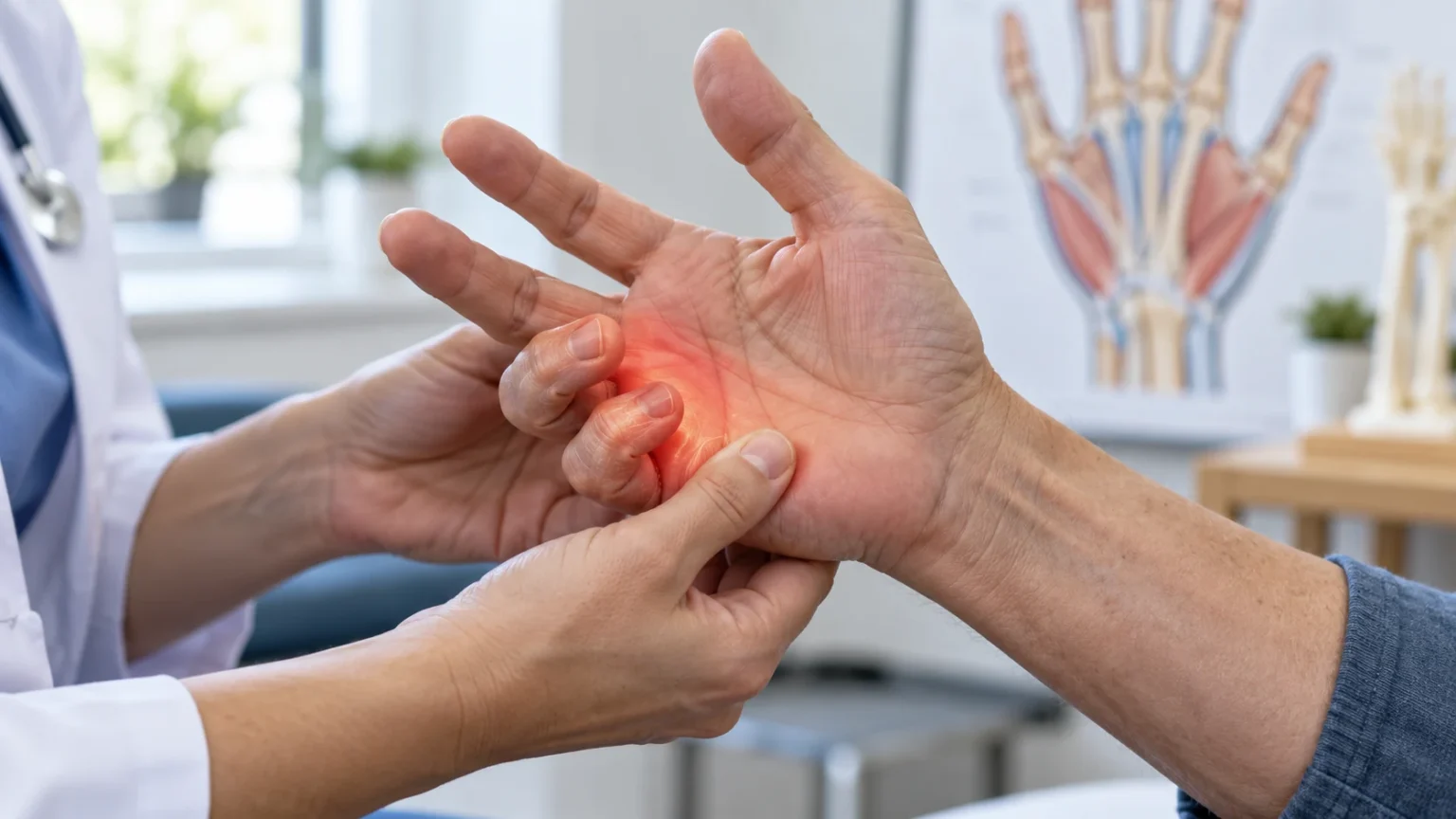
Hand contracture refers to a persistent limitation in the movement of one or more hand or finger joints. It commonly causes a finger to remain bent, making it difficult or impossible to straighten fully. The restriction may result from changes in connective tissue, muscles, tendons, joint capsules, or skin. Unlike temporary stiffness, an established contracture can remain present even when the hand is relaxed.
The condition may affect a single finger, several fingers, or multiple joints throughout the hand. Some people experience mild movement limitations without significant discomfort, while others develop substantial difficulty performing routine activities. Contractures can involve different tissues and mechanisms. Identifying the affected structures is important because treatment depends on the underlying cause.
Hand contracture is not one specific disease but a physical condition that can develop for several reasons. Dupuytren’s contracture is a well-known example involving thickened tissue in the palm. Other forms may follow injuries, burns, neurological disorders, or prolonged joint immobilization. Medical assessment helps distinguish these conditions and determine the most suitable management approach.
Understanding Hand Anatomy and Joint Movement
The human hand contains numerous bones, joints, tendons, ligaments, muscles, and nerves that support coordinated movement. The fingers contain small bones called phalanges, which connect through flexible joints. Tendons link muscles to bones and allow the fingers to bend and straighten. Ligaments and joint capsules provide stability while permitting controlled movement.
Finger flexor tendons help close the hand and create a gripping motion. Extensor tendons help straighten the fingers and release objects. These structures depend on normal tissue flexibility and coordinated muscle activity. When surrounding tissues become shortened or scarred, the fingers may lose their usual range of motion.
The palm contains connective tissue called the palmar fascia, which helps support the skin and underlying structures. In certain conditions, this tissue can thicken and form tight bands that pull fingers inward. Joint capsules and ligaments may also become restricted after injury or prolonged inactivity. Understanding these structures helps explain why hand contractures develop in different ways.
What Causes Hand Contracture?
Hand contractures can develop when tissues around the joints lose flexibility or become abnormally shortened. Common contributing factors include injuries, scar formation, neurological conditions, inflammation, and prolonged immobilization. Some conditions directly affect the connective tissue within the palm. Others alter muscle control or cause structural changes around the finger joints.
Dupuytren’s disease is a common cause of progressive finger contracture in adults. It involves thickening and shortening of connective tissue beneath the palm. The ring and little fingers are frequently affected, although other fingers may also become involved. The condition can gradually make it difficult to place the hand flat on a surface.
Contractures may also occur after burns, fractures, tendon injuries, or conditions affecting the brain and nervous system. Scar tissue can restrict movement, while abnormal muscle activity may contribute to persistent joint positioning. Arthritis and extended periods without movement can create additional stiffness. Because these causes differ, identifying the underlying problem is essential before selecting treatment.
Different Types of Hand Contractures
Hand contractures can be classified according to the tissues involved and the condition responsible for restricted movement. Some primarily affect the connective tissue beneath the skin, while others involve muscles, tendons, or joints. The severity and progression vary between individuals. Recognizing the type of contracture helps guide appropriate medical and rehabilitation strategies.
Dupuytren’s contracture involves the palmar fascia and commonly produces progressive finger bending. Post-traumatic contractures develop after injuries that affect joint capsules, tendons, or surrounding tissues. Burn-related contractures occur when healing skin and scar tissue restrict movement. These conditions can create similar limitations but require different treatment approaches.
Neurological contractures may develop after a stroke, spinal cord injury, or another condition that affects muscle control. Increased muscle tone, weakness, and reduced movement can contribute to joint stiffness over time. Some individuals develop contractures involving several joints rather than one finger. Treatment may focus on both the neurological condition and the resulting tissue restrictions.
Dupuytren’s Contracture: A Common Hand Condition
Dupuytren’s contracture is a condition in which connective tissue beneath the palm becomes thicker and gradually tightens. Small nodules may appear first, followed by firm bands called cords. Over time, these cords can pull one or more fingers toward the palm. The ring and little fingers are most commonly affected.
The exact cause of Dupuytren’s disease is not fully understood, but genetic factors play an important role. The condition becomes more common with increasing age and has associations with certain medical and lifestyle factors. Not everyone who develops palm nodules progresses to a significant contracture. Some cases remain mild for many years without requiring treatment.
Dupuytren’s contracture often causes limited pain despite noticeable finger bending. People may first recognize a problem when they struggle to straighten a finger or place their hand flat. Treatment depends on the degree of contracture and its effect on daily activities. Options may include observation, selected procedures, or surgery when appropriate.
Early Signs and Symptoms of Hand Contracture
Early hand contracture symptoms may include stiffness, reduced finger flexibility, or difficulty straightening the hand completely. Some individuals notice tightness in the palm or around specific finger joints. The changes may develop gradually and initially cause little discomfort. Recognizing these early limitations can help people seek assessment before everyday function becomes significantly affected.
Visible changes may include bent fingers, thickened tissue, or small lumps beneath the skin. In Dupuytren’s disease, firm nodules or cords can develop along the palm. Injury-related contractures may involve swelling, scar tissue, or restricted joint movement. The appearance depends on the structures involved and the cause of the condition.
As contractures progress, activities requiring an open hand may become more difficult. People may struggle to wear gloves, wash their hands, grip larger objects, or place their palms on a table. Some contractures cause pain, while others mainly affect movement. Persistent or increasing finger stiffness deserves medical evaluation to determine whether a contracture is developing.
Hand Contracture After Injury or Surgery
Hand injuries can contribute to contractures when damaged tissues heal with scarring or reduced flexibility. Fractures, ligament injuries, and tendon damage may lead to stiffness during recovery. Swelling and prolonged immobilization can also limit normal joint movement. These changes may persist if the surrounding tissues become increasingly restricted.
Surgery involving the hand can sometimes be followed by postoperative stiffness or scar-related movement limitations. The risk depends on the procedure, healing process, and individual health factors. Rehabilitation is often an important part of recovery when movement restrictions are expected. However, exercises must be appropriate for the specific surgical procedure and tissue-healing stage.
Hand therapy may involve carefully prescribed movements, swelling management, scar care, or splinting. The goal is to support recovery while protecting healing structures from excessive stress. Performing aggressive exercises too early can interfere with tissue healing. Following the instructions of a surgeon or qualified hand therapist is particularly important after tendon repairs and complex injuries.
Neurological Conditions and Hand Contractures
Neurological conditions can affect the signals that control hand muscles and joint movement. Stroke, cerebral palsy, spinal cord injury, and certain other disorders may contribute to abnormal muscle tone or weakness. When the hand remains in a limited position for long periods, surrounding tissues may gradually shorten. This can lead to fixed contractures.
Spasticity refers to an increase in muscle tone associated with certain neurological conditions. It can make muscles resist movement and sometimes contribute to persistent finger flexion. However, spasticity and contracture are not identical. Spasticity involves neurological muscle activity, while a fixed contracture reflects restrictions that remain even when muscle activity is reduced.
Management may involve neurological treatment, rehabilitation, positioning strategies, and carefully selected orthotic devices. Some patients benefit from medications or injections intended to reduce problematic muscle overactivity. Once a structural contracture develops, additional interventions may be necessary. A coordinated assessment helps determine which limitations arise from muscle activity and which involve shortened tissues.
How Does Hand Contracture Affect Daily Life?
Hand contractures can interfere with activities that require finger extension, grip adjustment, or precise hand movements. Simple tasks such as holding utensils, opening containers, and using electronic devices may become challenging. The severity depends on which fingers are affected and how much movement remains available. Some people adapt easily, while others experience considerable functional limitations.
Personal care activities may also become difficult when the fingers remain tightly bent. Washing and drying the palm can be challenging, particularly when the hand cannot open fully. Significant contractures may create areas where moisture accumulates and skin becomes irritated. Maintaining skin health is therefore an important consideration in more advanced cases.
The condition can also affect work, hobbies, and participation in recreational activities. Tasks involving tools, typing, sports equipment, or fine motor coordination may require adjustments. Persistent limitations can contribute to frustration or reduced confidence in hand function. Appropriate rehabilitation and adaptive strategies may help preserve independence and improve everyday comfort.
How Is Hand Contracture Diagnosed?
Diagnosing a hand contracture usually begins with a medical history and physical examination. A healthcare professional may ask when stiffness began, whether symptoms are progressing, and whether an injury or medical condition is involved. The examination evaluates finger position, tissue changes, joint mobility, and functional limitations. These findings help identify the likely cause.
The clinician may assess both active and passive movement. Active movement involves the person moving their fingers independently, while passive movement involves the examiner gently moving the joints. Differences between these movements can provide information about muscle weakness, tendon function, and structural restriction. Hand strength and sensation may also be assessed when relevant.
Dupuytren’s contracture is often diagnosed through physical examination without extensive testing. Other conditions may require X-rays, ultrasound, or additional investigations when bone, tendon, or joint problems are suspected. Neurological symptoms may require further assessment. Accurate diagnosis is important because treatments that benefit one type of contracture may not work for another.
Medical Treatment Options for Hand Contracture
Hand contracture treatment depends on the cause, severity, affected tissues, and impact on everyday activities. Mild cases may require monitoring rather than immediate intervention. Contractures associated with injuries or immobilization may benefit from structured rehabilitation. Progressive conditions such as Dupuytren’s contracture may require specialized procedures when finger movement becomes significantly restricted.
Treatment options can include hand therapy, orthotic support, selected injections, minimally invasive procedures, or surgery. However, not every treatment is appropriate for every type of contracture. For example, procedures designed to release Dupuytren’s cords may not address stiffness caused by arthritis or neurological conditions. A hand specialist can determine which approach is most suitable.
The primary goals of treatment are to improve finger movement, maintain hand function, reduce discomfort, and prevent avoidable complications. Some interventions can significantly improve finger extension, while others mainly help manage symptoms or slow functional decline. Recovery expectations differ depending on tissue involvement and disease progression. Treatment decisions should consider medical history, functional goals, and potential risks.
Hand Therapy and Physical Rehabilitation
Hand therapy is an important treatment option for certain types of hand contractures, particularly those associated with injuries, surgery, or prolonged immobilization. A certified hand therapist or appropriately trained occupational or physical therapist can assess joint movement and functional limitations. Rehabilitation may include carefully selected exercises, positioning techniques, and activities that improve hand coordination. The treatment plan should match the underlying condition.
Gentle range-of-motion exercises may help preserve available movement and address certain forms of stiffness. Therapists may also recommend activities that improve grip coordination and the ability to perform everyday tasks. However, established contractures cannot always be corrected through exercise alone. For example, stretching does not reliably reverse the abnormal cords associated with Dupuytren’s contracture.
Rehabilitation often requires gradual progression because excessive force can irritate joints or damage healing tissues. Some individuals benefit from supervised sessions followed by an individualized home exercise program. Regular assessment helps determine whether mobility and function are improving. The overall goal is to maintain useful movement while avoiding unnecessary discomfort or further injury.
Splinting and Orthotic Devices for Hand Contracture
Hand splints are supportive devices designed to position the fingers, wrist, or hand in a particular alignment. They may help maintain joint positioning, protect healing tissues, or manage certain movement restrictions. Different splints serve different purposes, including resting support and gradual positioning adjustments. Their effectiveness depends on the type and cause of the contracture.
Static splints maintain a relatively fixed position, while dynamic or adjustable devices allow controlled positioning or movement. Some rehabilitation programs use progressive splinting to address specific joint limitations. However, splinting is not suitable for every hand contracture. In Dupuytren’s disease, routine splinting is not established as an effective way to prevent progression.
A poorly fitted splint can create pressure, skin irritation, or additional discomfort. Proper assessment and fitting are especially important for people with reduced sensation or fragile skin. Splinting schedules should be determined by a qualified clinician rather than selected independently. Regular monitoring helps ensure that the device remains comfortable and appropriate for the treatment goals.
Surgery for Hand Contracture
Surgery may be considered when a hand contracture significantly limits movement, interferes with daily activities, or does not respond to appropriate conservative treatment. The procedure depends on which tissues are causing the restriction. Some operations release tight structures, while others remove abnormal connective tissue or address joint problems. Surgical decisions require careful evaluation of potential benefits and risks.
For Dupuytren’s contracture, a procedure called fasciectomy may involve removing affected connective tissue from the palm and fingers. Another option, needle aponeurotomy, uses a needle to divide selected cords without a traditional open incision. These procedures aim to improve finger extension. However, recurrence can occur, and not every contracture is suitable for minimally invasive treatment.
Surgical treatment for other contractures may involve tendon release, scar revision, or joint-related procedures. Recovery varies according to the operation and the condition of the surrounding tissues. Potential complications include stiffness, nerve injury, wound problems, and recurrence. Hand therapy may be recommended afterward to support functional recovery, although rehabilitation requirements differ between procedures.
Can Hand Contractures Be Reversed?
Whether a hand contracture can be reversed depends on its cause, severity, and duration. Mild stiffness caused by temporary immobilization may improve with appropriate rehabilitation. More established contractures involving scarred tissue, shortened joint capsules, or structural changes can be harder to correct. Early assessment may improve the opportunity for effective treatment in certain conditions.
Dupuytren’s contracture may improve substantially after procedures that release or remove affected cords. However, the underlying disease can continue to develop, meaning fingers may bend again over time. Treatment does not guarantee permanent correction. Some individuals need additional procedures if contractures recur or affect different areas of the hand.
Neurological contractures may also present long-term management challenges, particularly when abnormal muscle tone and restricted movement occur together. Treatment can sometimes improve positioning, comfort, and daily function without fully restoring normal mobility. The most realistic goal is individualized improvement rather than a guaranteed cure. A specialist can explain expected outcomes based on examination findings.
Exercises That May Help Maintain Hand Mobility
Gentle hand exercises may help maintain joint mobility and muscle coordination when they are appropriate for the underlying condition. One example involves slowly opening and closing the hand within a comfortable range. Begin with relaxed fingers and gradually bend them without forcing the joints. Return to the starting position and repeat only as tolerated.
Finger extension exercises may also be included in rehabilitation programs. These involve gently straightening the fingers as far as comfortable without applying excessive pressure. Some individuals benefit from isolated finger movements that encourage coordination and preserve available range of motion. However, forcing a contracted finger straight can cause injury and should be avoided.
Exercises should not replace assessment when a finger remains fixed in a bent position. Certain injuries, surgical repairs, and inflammatory conditions require specific movement restrictions. A hand therapist can recommend exercises suitable for the individual’s diagnosis and healing stage. Consistent, comfortable movement may support function, but it does not eliminate every structural contracture.
How to Prevent Hand Contractures
Not every hand contracture can be prevented, particularly when inherited or progressive conditions are involved. However, maintaining appropriate joint movement may help reduce stiffness associated with prolonged inactivity. People recovering from hand injuries should follow recommended rehabilitation instructions. Early attention to movement limitations can help identify problems before they become more restrictive.
Proper management of neurological conditions may also reduce certain complications associated with muscle overactivity and limited movement. Rehabilitation teams sometimes recommend positioning programs, assisted movements, or orthotic devices when appropriate. These strategies should be individualized because excessive stretching can injure vulnerable tissues. Regular monitoring helps identify changes in joint mobility and skin health.
Protecting the hands from avoidable injuries and addressing persistent inflammation can support overall hand function. People who notice progressive finger bending should seek assessment rather than relying on repeated forceful stretching. Dupuytren’s disease cannot reliably be prevented through ordinary hand exercises. Understanding personal risk factors and obtaining timely care are important parts of long-term management.
When Should You See a Doctor for Hand Contracture?
Medical evaluation is recommended when a finger gradually becomes difficult to straighten or remains bent despite attempts to move it normally. Persistent joint stiffness, thickened palm tissue, or noticeable changes in hand function also deserve attention. Early assessment can help distinguish contractures from tendon injuries, arthritis, or other conditions. Treatment options depend on the underlying diagnosis.
Seek prompt care if hand stiffness follows a significant injury or develops alongside substantial swelling, pain, or reduced sensation. Sudden inability to move a finger after trauma may indicate tendon damage or another serious injury. Redness, warmth, fever, or increasing swelling can suggest infection. These symptoms should not be managed solely through exercises or home remedies.
A hand specialist may be particularly helpful when contractures interfere with gripping, hygiene, writing, or other daily activities. Depending on the findings, treatment may involve monitoring, rehabilitation, or a procedural intervention. Regular follow-up is useful when the condition is progressive. Addressing functional limitations early can help preserve independence and improve long-term hand care.
Conclusion
Hand contracture is a condition that restricts normal finger or joint movement because tissues become shortened, thickened, scarred, or otherwise limited. It may develop from Dupuytren’s disease, injuries, neurological disorders, or prolonged immobilization. Symptoms range from mild stiffness to significant finger bending and functional difficulties. Understanding the underlying cause is essential for selecting appropriate treatment.
Treatment options include hand therapy, specialized splinting, medical procedures, and surgery when necessary. Some contractures improve with rehabilitation, while others involve structural changes that require more targeted interventions. Recovery depends on the condition, severity, and individual response to treatment. A qualified healthcare professional can help establish realistic treatment goals and monitor progress.
Maintaining hand mobility and recognizing early changes can support long-term function. Persistent finger stiffness or progressive bending should not be ignored, especially when daily activities become difficult. Although some forms of contracture cannot be fully prevented or permanently reversed, effective management can improve comfort and independence. Individualized care offers the best opportunity to preserve useful hand movement.
Frequently Asked Questions (FAQs)
What is the most common cause of hand contracture?
Dupuytren’s disease is a well-known cause of progressive finger contracture, particularly in adults. Other causes include injuries, scar tissue, neurological conditions, joint disorders, and prolonged immobilization.
Can hand contracture go away on its own?
Established hand contractures generally do not disappear without appropriate treatment. Mild stiffness may improve with rehabilitation, but structural conditions such as Dupuytren’s contracture often require monitoring or medical intervention.
Are hand exercises effective for contractures?
Hand exercises can help maintain mobility and improve function in certain conditions. However, they cannot reliably correct every established contracture, especially when abnormal connective tissue or significant joint changes are present.
Is surgery always necessary for hand contracture?
No, surgery is not always necessary. Mild contractures may be monitored or managed with appropriate rehabilitation. Procedures are generally considered when movement restrictions significantly affect function or other treatments are unsuitable.
How long does recovery from hand contracture treatment take?
Recovery depends on the treatment and underlying condition. Some minimally invasive procedures allow relatively quick functional improvement, while surgery and rehabilitation may require several weeks or months for recovery.