
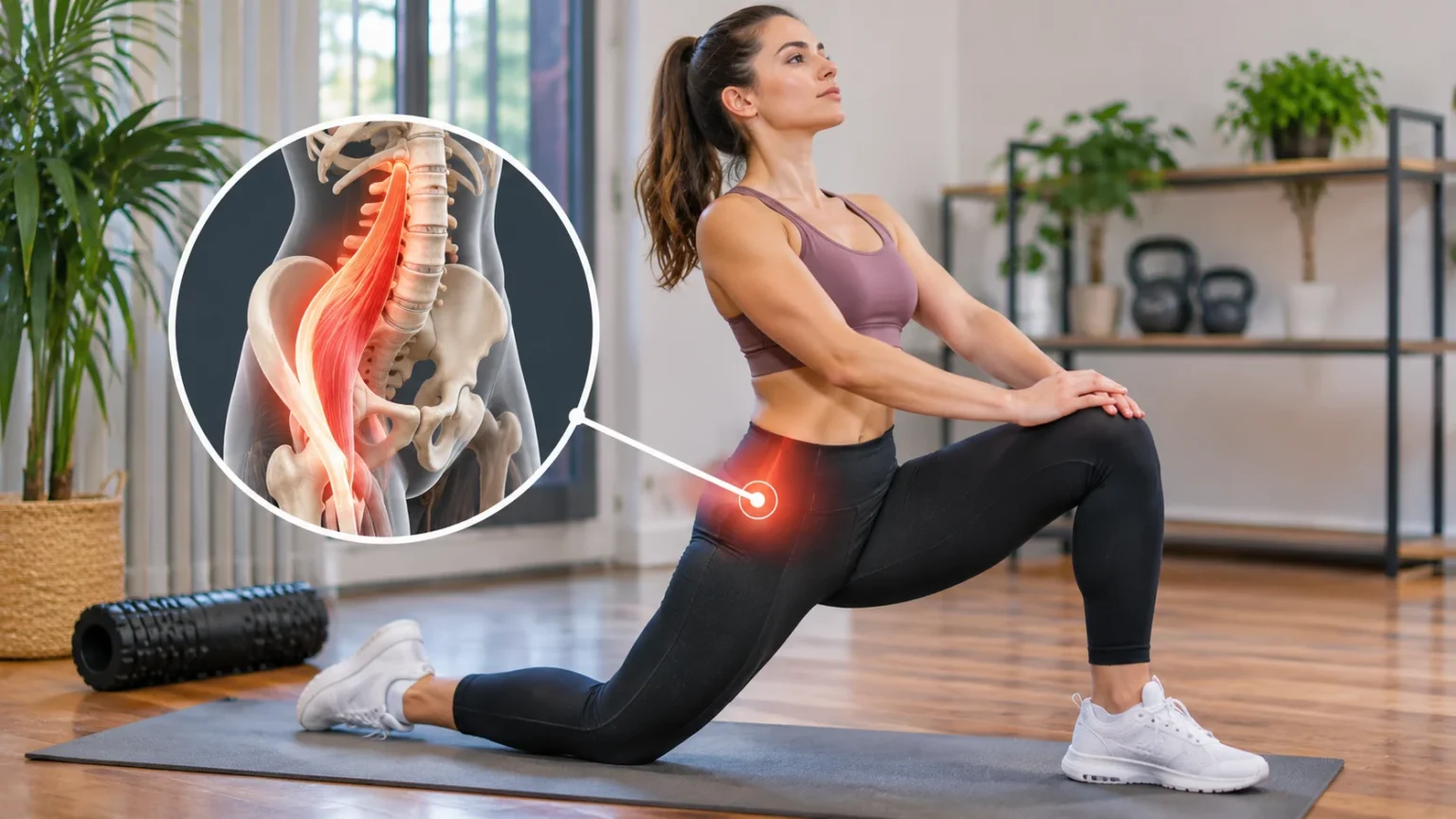

What Is Psoas Release?
Psoas release refers to techniques intended to reduce tension and improve comfort around the psoas muscle, a deep hip flexor connecting the lower spine to the thigh. These techniques may include gentle stretching, controlled movement, relaxation exercises, and hands-on treatment. The goal is to support comfortable hip movement and reduce muscular discomfort without placing unnecessary pressure on sensitive tissues.
The psoas plays an important role in everyday movements such as walking, climbing stairs, bending, and lifting your legs. Because this muscle connects the trunk and lower body, it contributes to hip movement and lumbar stability. When the surrounding muscles become uncomfortable or movement feels restricted, people may experience stiffness around their hips or lower back.
Understanding how psoas release works can help you choose safe and appropriate techniques. Although stretching and relaxation may provide temporary relief, not every case of hip or back pain involves the psoas muscle. Effective care begins with recognizing your symptoms, avoiding aggressive techniques, and identifying when professional medical guidance is necessary.
Understanding the Psoas Muscle and Its Function
The psoas major is a deep muscle that originates from the lumbar spine and connects to the upper thigh bone. It works closely with the iliacus muscle to form the iliopsoas, one of the body’s primary hip flexors. Together, these muscles help lift the thigh toward the torso and contribute to movements involving the hip and lower spine.
During walking and running, the iliopsoas helps move the leg forward as part of the normal movement cycle. It also participates in activities such as climbing stairs, sitting upright, and transitioning between standing and seated positions. Its relationship with the lumbar spine means it contributes to coordinated movement between the trunk, pelvis, and hips.
Although the psoas is often described as a posture muscle, its function is more complex than simply keeping the body upright. It works alongside abdominal, back, and hip muscles to support movement and stability. Maintaining comfortable mobility and appropriate strength throughout these muscle groups is generally more useful than focusing on one muscle alone.
Why Does the Psoas Muscle Become Tight?
The sensation of a tight psoas can develop for several reasons, including prolonged positioning, muscular fatigue, or changes in physical activity. People who spend extended periods sitting may notice stiffness when standing or extending their hips. However, feeling tight does not necessarily mean the psoas has physically shortened or requires manual release.
Repetitive activities such as running, cycling, and climbing stairs place regular demands on the hip flexor muscles. Sudden increases in training intensity may contribute to temporary soreness or discomfort around the front of the hip. Reduced movement variety and inadequate recovery can also influence how comfortable the surrounding muscles feel during everyday activities.
Sometimes, perceived psoas tightness may reflect irritation involving nearby joints, tendons, nerves, or other muscles. Hip discomfort can also originate from the lumbar spine or structures within the pelvis. Therefore, identifying the underlying cause matters more than assuming that every uncomfortable sensation comes from a shortened or overactive psoas muscle.
How Does Psoas Release Work?
Psoas release techniques generally aim to reduce discomfort, improve movement tolerance, and help people relax muscles around the hip. Gentle stretching temporarily places the hip flexors in a lengthened position, while controlled movement encourages comfortable joint mobility. These approaches may influence muscle activity and the nervous system’s response to movement without physically changing the muscle’s structure.
Some practitioners use hands-on techniques intended to reduce tenderness and improve perceived flexibility around the iliopsoas region. However, the psoas lies deep within the body, making it difficult to isolate through external pressure. Claims that manual treatment can precisely release adhesions or permanently reset this muscle are not well established by scientific evidence.
A practical approach focuses on changes in symptoms, movement, and daily function rather than expecting an immediate structural transformation. Gentle exercises may help some people feel less restricted, particularly when combined with gradual strengthening. Results differ between individuals, and discomfort that continues despite self-care may require assessment by a qualified healthcare professional.
Common Signs of Psoas Muscle Discomfort
Psoas-related discomfort may be felt near the front of the hip, groin, or lower back, depending on the structures involved. Some people notice stiffness when standing after prolonged sitting or difficulty moving their thigh comfortably. Others experience discomfort during activities requiring repeated hip flexion, such as climbing stairs or lifting their knees.
A person may also experience tenderness during certain movements or a pulling sensation when extending the hip. These symptoms can overlap with several other musculoskeletal conditions, including hip joint problems and tendon irritation. Therefore, symptoms alone cannot reliably confirm that the psoas is the source of discomfort or that release techniques are appropriate.
Persistent groin pain, sudden severe symptoms, or difficulty bearing weight should not be dismissed as ordinary muscle tightness. Numbness, weakness, fever, or pain following an injury also warrants medical attention. A healthcare professional can examine the affected region, assess movement patterns, and determine whether the symptoms require targeted treatment or further investigation.
Benefits of Gentle Psoas Release Techniques
One potential benefit of gentle psoas release exercises is temporary improvement in perceived hip flexibility. Controlled stretching may make it easier to move through comfortable ranges of motion during everyday activities. For people who experience stiffness after prolonged sitting, brief movement sessions may help restore a sense of ease without requiring intensive treatment.
Relaxation-focused exercises may also reduce unnecessary muscular guarding around the hips and lower back. Slow breathing and comfortable positioning can help some individuals feel more relaxed during movement. However, these effects vary, and there is limited evidence that psoas-specific release techniques provide superior results compared with general mobility and strengthening exercises.
Another useful benefit is greater awareness of how the hips and lower spine move together. Practicing controlled movements can help people identify comfortable positions and avoid unnecessary strain during exercise. When combined with appropriate physical activity, these habits may support everyday mobility, although no single release technique guarantees lasting pain relief.
How to Prepare for Psoas Release Exercises
Before starting psoas release exercises, choose a comfortable space where you can move without obstacles or distractions. A supportive exercise mat may make floor-based movements more comfortable, while a stable chair can provide additional support. Wear clothing that allows easy hip movement and avoid positions that cause sharp pain or unusual pressure.
Begin with a few minutes of gentle activity, such as walking slowly or moving your hips through a comfortable range. This helps you assess how your body feels before attempting stretching exercises. You do not need an intense warm-up, but avoiding sudden forceful movements is sensible when muscles already feel stiff or sensitive.
Consider your medical history before trying unfamiliar techniques, especially if you have recently experienced an injury or undergone surgery. People with significant hip, abdominal, or spinal conditions may require individualized exercise modifications. If you are uncertain about the cause of your symptoms, professional guidance is preferable to experimenting with deep pressure or aggressive stretching.
Best Psoas Release Stretch: Half-Kneeling Hip Flexor Stretch
The half-kneeling hip flexor stretch is a common movement used to improve flexibility around the front of the hip. Begin in a kneeling position with one knee resting on a padded surface and the opposite foot placed forward. Keep your trunk comfortably upright and maintain a stable position before attempting to move farther into the stretch.
Gently tilt your pelvis backward by bringing the front of your pelvis slightly upward. Then shift your body forward only until you feel a mild stretch near the front of the hip on the kneeling side. Avoid arching your lower back excessively, bouncing, or forcing your body into a position that produces sharp discomfort.
Hold the stretch for approximately 15 to 30 seconds while breathing comfortably, then return to your starting position. Repeat on the opposite side if the movement feels appropriate. If kneeling causes discomfort, a supported standing hip flexor stretch may be a better alternative for maintaining mobility without placing pressure on the knees.
Supine Psoas Release for Gentle Relaxation
A supine relaxation position can provide a comfortable starting point for people who want to reduce tension around the hips. Lie on your back with your knees bent and feet resting flat on the floor. Position your feet at a comfortable distance apart and allow your shoulders, abdomen, and lower back to settle naturally.
Remain in this position while breathing slowly and allowing your body to relax. You may notice changes in how your lower back and hips contact the surface beneath you. Rather than forcing your spine flat or pushing your pelvis into a specific position, focus on comfort and relaxed breathing throughout the exercise.
Spend a few minutes in this position if it feels pleasant and does not increase symptoms. You can also place a pillow beneath your knees if that provides better support. This technique does not directly lengthen the psoas, but it may offer a gentle opportunity to relax before performing additional mobility exercises.
Using Breathing Exercises for Psoas Relaxation
Breathing exercises are sometimes included in psoas release routines because breathing and muscular activity are closely coordinated throughout the trunk. The diaphragm and psoas are anatomically close, but breathing does not directly release or reposition the psoas. Instead, slow breathing may help reduce overall tension and support a calmer response to uncomfortable movements.
To practice, sit comfortably or lie on your back with your knees supported. Breathe in slowly without forcing your abdomen outward, then exhale gently while allowing your shoulders and trunk to relax. Maintain a natural breathing rhythm and avoid prolonged breath-holding or exaggerated inhalations that produce dizziness or discomfort.
Try several comfortable breaths before moving into a gentle hip flexor stretch or mobility exercise. This approach may help you avoid unnecessary muscle bracing while focusing on smooth movement. However, breathing techniques should be viewed as supportive relaxation tools rather than treatments for structural injuries or persistent hip pain.
Can Massage Help Release the Psoas Muscle?
Massage may provide temporary relief from muscular discomfort, particularly when applied gently to accessible tissues around the hips and lower back. Some massage therapists and physical therapists use manual techniques to address perceived tension in this region. However, the effects may involve surrounding tissues and nervous system responses rather than a specific release of the deep psoas muscle.
The psoas lies beneath several layers of tissue near important abdominal and pelvic structures. Attempting to reach it through strong abdominal pressure can be uncomfortable and potentially unsafe, particularly without appropriate training. Deep self-massage with hard tools or forceful pressure should therefore be avoided rather than treated as an essential step.
If you are considering professional manual therapy, choose a qualified clinician who can explain the intended benefits and possible limitations. Treatment should remain comfortable, respect your preferences, and never require you to tolerate severe pain. Massage may complement an exercise program, but it is not necessary for everyone experiencing hip tightness or lower back discomfort.
Psoas Release vs. Hip Flexor Stretching
Psoas release and hip flexor stretching are related concepts, but the terms do not describe exactly the same intervention. Psoas release is a broad label that may include stretching, relaxation, movement exercises, and manual therapy. Hip flexor stretching specifically involves positioning the hip to create a gentle lengthening sensation across muscles at the front of the joint.
Another difference involves the claims sometimes associated with each approach. Stretching is generally used to improve flexibility or tolerance to movement, while release techniques are sometimes described as removing knots or restoring muscle balance. These descriptions can be misleading because lasting changes in muscle structure are not reliably demonstrated by temporary feelings of relief.
For most people, the choice should depend on comfort, symptoms, and functional goals rather than the name of the technique. Gentle stretching may be sufficient when flexibility feels limited, while strengthening may be more useful when muscular capacity is inadequate. A balanced program often includes several approaches instead of relying on one specialized movement.
Common Mistakes During Psoas Release
One common mistake is assuming that a stronger stretch always produces better results. Excessive force can irritate sensitive muscles, tendons, or joints and may worsen existing discomfort. Instead, stretching should create a mild, manageable sensation that allows you to breathe normally and maintain control throughout the movement.
Another mistake involves using the lower back to compensate for limited hip extension. During a kneeling stretch, leaning backward excessively may create spinal compression without meaningfully improving the targeted movement. Keeping your trunk comfortable and moving gradually can help maintain better control while reducing unnecessary strain on surrounding structures.
People may also repeatedly perform release exercises while ignoring persistent pain or weakness. Although occasional stiffness can respond to gentle activity, recurring symptoms may reflect a problem that requires a different approach. Continuing to stretch through increasing pain can delay appropriate assessment and may make an irritated area more uncomfortable.
How Often Should You Practice Psoas Release?
The appropriate frequency of psoas release exercises depends on your symptoms, exercise tolerance, and individual goals. Gentle mobility work may be performed regularly when it feels comfortable and does not worsen discomfort. However, there is no universally established schedule for psoas release, and performing more repetitions does not necessarily produce better outcomes.
If you are beginning a stretching routine, start with brief sessions and observe how your body responds afterward. A few controlled repetitions or short holds may be sufficient to assess comfort. Increase activity gradually rather than immediately introducing prolonged stretching sessions or several unfamiliar movements at the same time.
Pay attention to whether exercises improve everyday activities such as walking, standing, and bending. Temporary soreness may occur when introducing new movements, but increasing pain or persistent irritation is a reason to modify the routine. A physical therapist can provide specific recommendations when symptoms are recurring or when you have an existing musculoskeletal condition.
Strengthening Exercises That Support the Psoas
Stretching alone may not address every problem associated with hip discomfort or perceived muscular tightness. The psoas also needs appropriate strength and coordination to perform its normal functions. Controlled strengthening exercises can help improve the hip flexors’ ability to manage everyday movements, especially when combined with gradual activity progression.
One simple option is a supported standing march performed near a stable chair or wall. Slowly lift one knee to a comfortable height, lower it with control, and repeat on the opposite side. Avoid leaning backward or forcing the leg upward, and keep the movement within a range that does not increase pain.
Other exercises, including gentle bridges and appropriate core strengthening movements, can support muscles that work alongside the hip flexors. These exercises do not directly release the psoas, but they contribute to balanced movement and functional strength. Gradually increasing exercise difficulty may be helpful when your symptoms are stable and your body tolerates the activities comfortably.
When Should You Avoid Psoas Release?
Psoas release techniques are not appropriate for every type of hip, groin, or lower back discomfort. Avoid aggressive stretching or deep abdominal pressure when experiencing unexplained pain, recent injury, or significant tenderness. These symptoms may involve structures that require medical assessment rather than self-directed muscle treatment.
People recovering from abdominal or hip surgery should follow their clinician’s rehabilitation instructions before introducing new stretching techniques. Pregnancy, certain vascular conditions, and other medical circumstances may also require modifications or professional supervision. Because the psoas is located near sensitive structures, forceful manipulation is particularly unsuitable as a general home treatment.
Seek prompt medical attention if pain is severe, follows significant trauma, or occurs with fever, marked weakness, or difficulty walking. Sudden abdominal or groin pain, especially with vomiting, fainting, or other concerning symptoms, also requires urgent assessment. These warning signs should never be assumed to represent ordinary psoas tightness.
Best Practices for Long-Term Psoas Health
Maintaining comfortable psoas function usually involves more than stretching one muscle repeatedly. Regular physical activity, balanced strengthening, and varied movement throughout the day can support healthy hip function. Walking, controlled resistance exercises, and gentle mobility activities provide different benefits that contribute to overall movement confidence and physical capacity.
If you spend many hours sitting, consider taking brief movement breaks and changing positions when convenient. You do not need to avoid sitting entirely or maintain a rigid posture throughout the day. Instead, alternating between comfortable positions and regular activity can help reduce stiffness associated with remaining still for extended periods.
Finally, treat persistent discomfort as a reason to understand the underlying problem rather than automatically attempting deeper release techniques. A qualified physical therapist can assess strength, flexibility, movement patterns, and possible sources of pain. Individualized recommendations are often more useful than assuming that every hip or lower back symptom requires the same psoas release routine.
Conclusion
Psoas release describes several techniques intended to improve comfort and movement around the deep hip flexor muscles. Gentle stretching, controlled exercises, and relaxation strategies may provide temporary relief for some individuals. However, the idea that these techniques physically unlock or permanently release the psoas is not strongly supported by scientific evidence.
The safest approach emphasizes comfortable movement, gradual progression, and awareness of how your body responds. Half-kneeling hip flexor stretches, supported relaxation positions, and appropriate strengthening exercises may support hip mobility. Avoid aggressive abdominal pressure or stretching through pain, especially when the cause of discomfort remains unclear.
Long-term hip health depends on maintaining balanced strength, movement variety, and appropriate physical activity rather than relying on one release method. If symptoms persist, worsen, or interfere with everyday activities, professional assessment can help identify the cause. With a thoughtful approach, you can work toward improved movement and comfort without unnecessary risks.
Frequently Asked Questions (FAQs)
What Is the Best Way to Release the Psoas Muscle?
Gentle hip flexor stretching, controlled mobility exercises, and comfortable relaxation positions may help reduce perceived psoas tension. The most appropriate technique depends on your symptoms, movement tolerance, and underlying condition.
How Long Does It Take to Release a Tight Psoas?
Some people notice temporary relief after a short stretching or relaxation session. However, lasting improvement varies, and there is no established timeline for releasing the psoas because discomfort can have several causes.
Can Psoas Release Help With Lower Back Pain?
Psoas-focused exercises may help some people with lower back discomfort, particularly when hip movement contributes to symptoms. However, lower back pain has many possible causes, and psoas release is not a universal treatment.
Is It Safe to Massage the Psoas Yourself?
Gentle massage of accessible surrounding muscles may be comfortable, but forceful abdominal pressure should be avoided. The psoas lies deep near sensitive structures, making aggressive self-massage potentially unsafe and unnecessary.
Should You Stretch or Strengthen a Tight Psoas?
Both stretching and strengthening can be useful depending on the cause of discomfort. Gentle stretching may improve movement tolerance, while strengthening supports muscle function and hip stability over time.