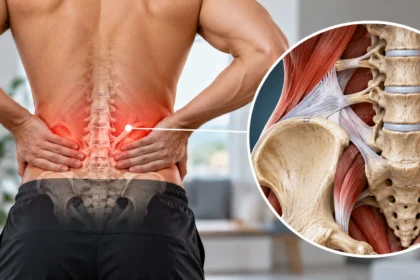

Groin exercises help strengthen the muscles around your inner thighs, improve hip mobility, and support comfortable everyday movement. These muscles play an important role in walking, running, changing direction, and maintaining balance. When they become weak or stiff, certain movements may feel uncomfortable or difficult. Regular, controlled exercises can improve muscle function and support better movement patterns.
Understanding the benefits of groin exercises and learning proper techniques can help you build a safer fitness routine. Different movements target the inner thigh muscles through strengthening, stretching, and controlled mobility training. This guide explains effective groin exercises, how to perform them correctly, and practical ways to include them in your routine.
What Are Groin Exercises and Which Muscles Do They Target?
Groin exercises are movements designed to strengthen, stretch, and improve control of the muscles around the inner thighs and hips. Most exercises primarily target the hip adductor muscle group, which helps bring your legs toward the center of your body. These muscles support balance and controlled leg movement. Strengthening them can make everyday physical activities feel more comfortable and coordinated.
The main hip adductor muscles include the adductor longus, adductor brevis, adductor magnus, gracilis, and pectineus. They work together to stabilize the pelvis and control movements involving the hips and legs. Different exercises activate these muscles through squeezing, lifting, or moving the legs sideways. Understanding their functions makes choosing appropriate strengthening and stretching movements easier.
Groin training should include both muscle strength and comfortable flexibility rather than focusing on only one goal. Some movements strengthen the inner thighs against resistance, while others improve the available range of motion. Beginners can start with gentle exercises that require little equipment. Consistent practice, appropriate rest, and correct movement techniques support gradual improvements in hip function.
Benefits of Groin Exercises for Strength and Mobility
One important benefit of groin exercises is improved inner thigh strength and hip stability. Strong adductor muscles help control the position of your legs during walking, climbing stairs, and changing direction. They also contribute to balanced movement during many sports. Better muscular control can make certain activities feel smoother and reduce unnecessary strain on surrounding tissues.
Groin strengthening exercises may also support athletic performance by improving control during sideways movements and quick changes in direction. Activities such as football, basketball, and tennis place considerable demands on the adductor muscles. Gradual strengthening can improve their ability to handle these demands. However, no single exercise guarantees prevention of groin injuries or muscle strains.
Flexibility-focused exercises can improve comfortable movement around the inner thighs and hips. Gentle stretching may help reduce feelings of tightness associated with prolonged sitting or limited movement. Combining mobility work with strengthening exercises provides a more balanced approach to hip health. The greatest benefits usually come from regular practice rather than occasional intense workouts.
How to Warm Up Before Groin Exercises
Warming up prepares your muscles and joints for movement by gradually increasing circulation and body temperature. Starting with gentle activity can make strengthening exercises feel more comfortable. Walking, easy cycling, or marching in place are practical ways to begin. Around five minutes of comfortable movement is often sufficient before adding more specific exercises.
After the initial warm-up, introduce gentle side steps and controlled hip movements. Slowly moving your legs sideways can prepare the adductor muscles for strengthening activities. Keep these movements smooth and avoid forcing your hips into uncomfortable positions. The goal is to increase movement gradually rather than achieve the deepest possible stretch before exercising.
Choose a comfortable surface and wear clothing that allows your hips and legs to move freely. Beginners should start with simple exercises before adding resistance or more challenging variations. Pay attention to how your groin muscles respond during the warm-up. Sharp pain, noticeable swelling, or significant discomfort means you should stop and avoid aggravating the area.
Adductor Squeeze Exercise: Simple Inner Thigh Strengthening
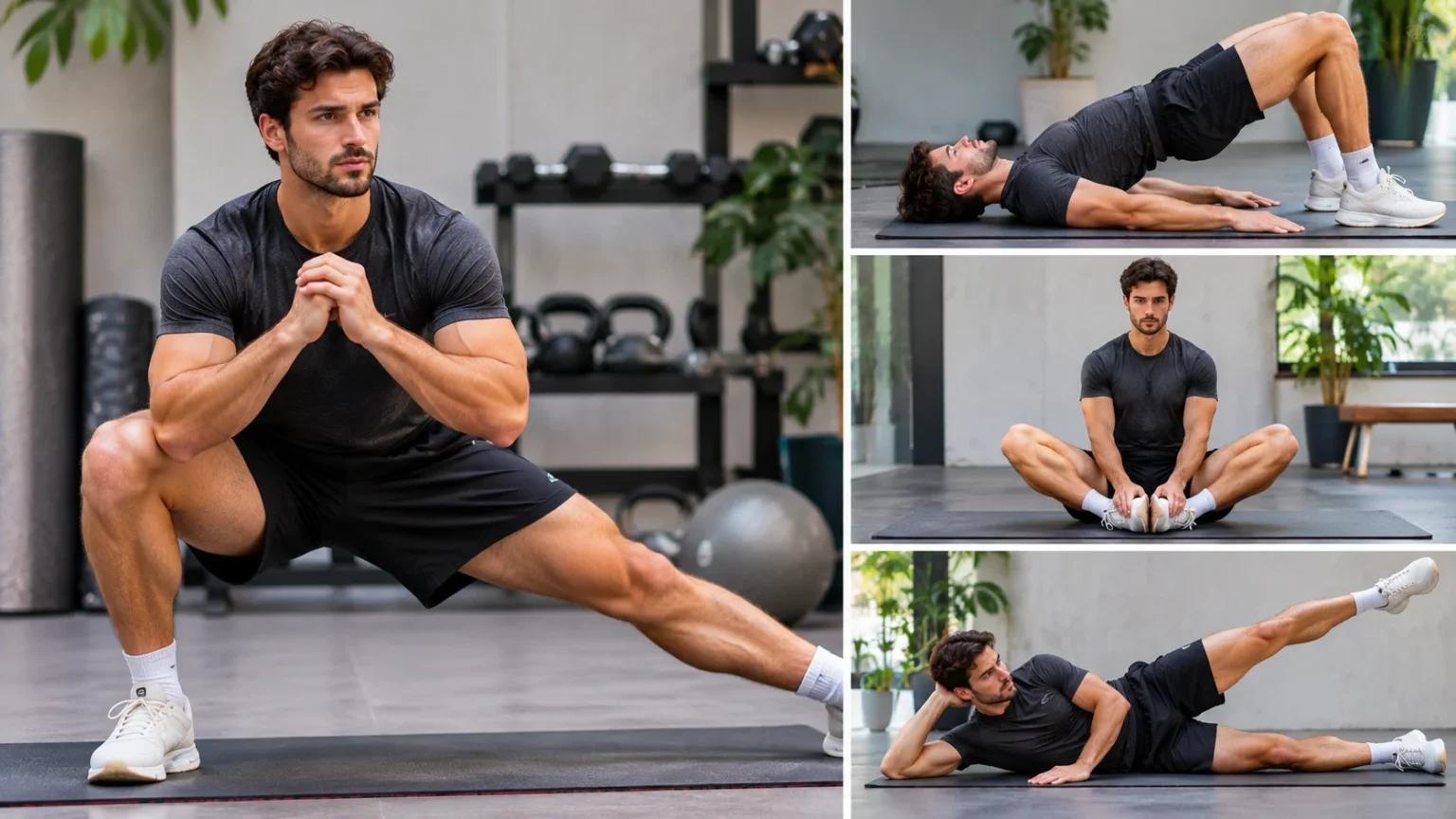
The adductor squeeze is a beginner-friendly groin strengthening exercise that requires minimal equipment. Lie on your back with your knees bent and feet resting flat on the floor. Place a soft pillow or small exercise ball between your knees. This position allows you to activate the inner thigh muscles without requiring large hip movements.
Gently squeeze the pillow or ball by bringing your knees toward each other. Hold the contraction for approximately three to five seconds while continuing to breathe normally. Slowly release the pressure and allow your muscles to relax before repeating. Beginners can try eight to twelve comfortable repetitions, adjusting the effort according to their ability.
Avoid squeezing as forcefully as possible or holding your breath during the movement. Your hips should remain relaxed, and your lower back should stay in a comfortable position. As the exercise becomes easier, you can gradually increase the number of repetitions or the duration of each hold. Stop if the squeeze causes pain rather than ordinary muscular effort.
Side-Lying Hip Adduction: Strengthening the Inner Thighs
Side-lying hip adduction directly targets the inner thigh muscles while requiring little equipment. Begin by lying on one side with your lower leg extended comfortably along the floor. Bend your upper knee and place that foot on the floor in front of your lower leg. Support your head and keep your hips stacked as naturally as possible.
Slowly lift your lower leg a short distance from the floor without twisting your body. Pause briefly at the highest comfortable position before lowering the leg with control. Repeat the movement eight to twelve times, then switch sides. Focus on smooth movements rather than lifting your leg as high as possible during every repetition.
Keep your toes facing naturally forward and avoid rolling your pelvis backward during the exercise. You should feel your inner thigh muscles working without experiencing sharp discomfort. If the movement feels difficult, begin with fewer repetitions or a smaller lifting range. Controlled practice can gradually improve adductor strength and coordination without additional weights.
Standing Resistance Band Adduction: Improving Hip Control
Standing resistance band adduction strengthens the groin muscles while challenging balance and coordination. Begin with a light resistance band secured to a stable, suitable anchor near floor level. Attach the other end comfortably around one ankle and stand sideways to the anchor. Hold a sturdy support so you can maintain balance throughout the exercise.
Begin with your working leg slightly away from your body’s center and maintain a soft knee bend. Slowly move that leg inward toward your standing leg against the band’s resistance. Return to the starting position with control rather than allowing the band to pull your leg suddenly. Perform several comfortable repetitions before switching to the opposite leg.
Your upper body should remain upright, and your hips should not rotate excessively during the movement. Select light resistance that allows controlled motion without straining the inner thighs. Check that the band and anchor are secure before beginning. As strength improves, you can gradually increase repetitions or resistance while maintaining the same careful technique.
Side Lunges: Building Groin Strength Through Movement
Side lunges strengthen the inner thighs while engaging the glutes, quadriceps, and other hip muscles. They also help improve control during lateral movements used in everyday activities and sports. Begin standing with your feet approximately hip-width apart and your posture upright. Step sideways into a comfortable position while keeping your movements slow and controlled.
Shift your hips backward and bend the knee of the stepping leg while keeping the opposite leg relatively straight. Keep your stepping foot planted and allow the bent knee to follow the direction of your toes. Push through the stepping foot to return to the starting position. Repeat on both sides within a comfortable range of motion.
Beginners can perform shallow side lunges without additional weights until their balance and technique improve. Avoid forcing a deep position or letting the bent knee collapse inward. If the movement places uncomfortable pressure on your groin, reduce the range or choose a gentler exercise. Consistent practice can improve strength and confidence during sideways movements.
Butterfly Stretch: Improving Groin Flexibility
The butterfly stretch is a simple mobility exercise that targets the inner thighs and surrounding hip muscles. Sit on the floor with your back comfortably upright and your knees bent outward. Bring the soles of your feet together in front of your body. Let your knees relax toward the floor without pressing them downward.
Hold your feet or ankles gently while maintaining a relaxed upper body position. You may feel a mild stretching sensation along the inner thighs and groin. Remain in this position for approximately fifteen to thirty seconds while breathing normally. Release the stretch slowly and repeat if it continues to feel comfortable.
Avoid bouncing your knees or using your hands to force them closer to the ground. Stretching should create mild tension rather than sharp pain or uncomfortable pulling. If sitting upright feels difficult, place a folded towel beneath your hips for support. Regular gentle stretching may improve comfortable hip mobility when combined with appropriate strengthening exercises.
How to Build a Balanced Groin Exercise Routine
A balanced groin exercise routine should include strengthening, mobility work, and adequate recovery. Beginners can start with two or three manageable exercises rather than attempting every movement in one session. For example, combine adductor squeezes, side-lying leg lifts, and gentle butterfly stretches. This approach trains the muscles through different movement patterns without creating unnecessary fatigue.
Start with one or two comfortable sets of strengthening exercises, using approximately eight to twelve repetitions when appropriate. Many beginners can practice strengthening movements two or three times weekly on nonconsecutive days. Gentle mobility exercises may be included more frequently if they remain comfortable. Your schedule should reflect your current fitness, daily activity, and recovery needs.
Progress gradually by improving movement control before increasing exercise difficulty. You might add a few repetitions, use slightly more resistance, or introduce another exercise as your strength develops. Avoid increasing several training demands at the same time. Recovery days are important because muscles need time to adapt, especially when strengthening exercises are unfamiliar.
Common Mistakes to Avoid During Groin Exercises
One common mistake is performing groin exercises too quickly without controlling the movement. Fast repetitions can make it harder to maintain proper hip alignment and recognize discomfort. Slowing down helps you focus on the muscles responsible for each action. Controlled movement is generally more useful for beginners than completing large numbers of rushed repetitions.
Another mistake involves stretching too aggressively in an attempt to improve flexibility quickly. Forcing your legs into uncomfortable positions can irritate sensitive muscles and surrounding tissues. Groin stretches should remain within a manageable range rather than causing pain. Gradual mobility training allows you to explore comfortable movement without unnecessary pressure on the inner thighs.
Ignoring recovery and increasing exercise difficulty too quickly can also cause problems. Muscles may feel mildly tired after unfamiliar activity, but persistent pain should not be treated as a normal training goal. Avoid repeatedly exercising through discomfort or using resistance that disrupts your technique. Listening to your body’s response helps support safer, more sustainable progress.
When to Avoid Groin Exercises and Seek Medical Advice
Groin exercises are not appropriate for every situation, particularly when a recent injury causes significant pain or swelling. Sudden discomfort during running, kicking, or changing direction may indicate a groin strain or another injury. Continuing challenging movements can sometimes aggravate the affected tissues. Stop painful exercises and seek professional advice when symptoms are significant or persistent.
Some groin pain comes from problems unrelated to the adductor muscles, including hip conditions or hernias. Pain accompanied by a new groin bulge, fever, or other unusual symptoms should not be managed through exercise alone. Sudden severe groin or testicular pain requires urgent medical assessment. Identifying the cause helps determine whether stretching, strengthening, rest, or another treatment is appropriate.
If you are recovering from a groin injury, a physical therapist can recommend exercises based on your condition. Rehabilitation may begin with gentle muscle contractions before progressing toward more demanding movements. Recovery speed varies depending on injury severity, symptoms, and individual health factors. Following a suitable rehabilitation plan is safer than returning immediately to intense sports or resistance training.
Conclusion
Groin exercises are useful for improving inner thigh strength, hip mobility, and controlled lower-body movement. Exercises such as adductor squeezes, side-lying hip adduction, resistance band movements, and side lunges target different aspects of muscular function. Gentle butterfly stretches can complement strengthening activities by supporting comfortable flexibility. Together, these movements can contribute to a balanced exercise routine.
Proper technique plays an important role in making groin training safe and effective. Begin with comfortable movements, use manageable resistance, and avoid forcing painful stretches or positions. Regular warm-ups and adequate recovery can help your muscles adapt to exercise demands. Gradual progression is generally more beneficial than performing difficult exercises before developing basic strength and control.
The best groin exercise routine is one that matches your current abilities and movement goals. Consistency, correct form, and attention to discomfort matter more than exercise intensity alone. If groin pain is persistent or linked to an injury, seek guidance before continuing. With a sensible approach, groin exercises can support stronger muscles, more comfortable movement, and long-term physical function.
FAQs
What Are the Best Groin Exercises for Beginners?
Adductor squeezes, side-lying hip adduction, and gentle butterfly stretches are beginner-friendly options. These exercises require minimal equipment and can help develop inner thigh strength and mobility when performed comfortably.
How Often Should You Do Groin Exercises?
Many beginners can perform groin strengthening exercises two or three times per week with recovery days between sessions. Gentle stretching may be performed more frequently if it remains comfortable and does not worsen symptoms.
Can Groin Exercises Help Prevent Injuries?
Gradual groin strengthening may reduce certain injury risks by improving muscle capacity and movement control. However, injury prevention also depends on overall conditioning, training workload, recovery, and appropriate exercise technique.
Are Groin Exercises Good for Hip Mobility?
Yes, certain groin exercises can support hip mobility by improving muscular control and comfortable movement range. Combining gentle stretching with strengthening exercises is often more useful than focusing on flexibility alone.
Should You Do Groin Exercises When You Have Groin Pain?
Avoid exercises that cause or worsen groin pain. Mild muscle tightness may respond to gentle movement, but recent injuries, persistent discomfort, swelling, or unexplained symptoms should be assessed by a healthcare professional.