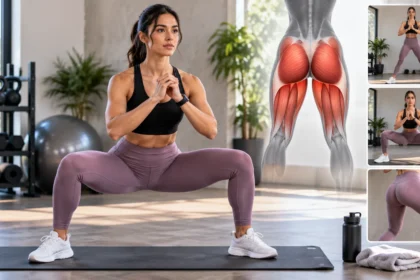


Pelvic exercises for women can help support bladder control, pelvic floor coordination, and everyday movement. These exercises focus on muscles surrounding the pelvis, including those that support the bladder, uterus, and bowel. When performed correctly, they may improve muscle function and reduce certain symptoms of pelvic floor weakness. However, different pelvic conditions require different approaches, so strengthening is not always the right starting point.
The pelvic floor works together with the abdominal muscles, diaphragm, hips, and lower back. These structures contribute to posture, movement, breathing, and pelvic organ support. Pregnancy, childbirth, aging, surgery, and other factors can change how pelvic floor muscles function. Understanding these changes can help women choose exercises that match their individual needs.
Learning proper technique is just as important as choosing the right movements. Incorrect form, excessive muscle tightening, or exercises that increase discomfort may make some symptoms worse. This guide explains the benefits of pelvic exercises for women, common exercise techniques, and practical safety recommendations. It also covers situations where relaxation or professional pelvic floor physical therapy may be more appropriate than strengthening.
What Are Pelvic Exercises for Women?
Pelvic exercises for women are movements designed to improve the strength, flexibility, endurance, or coordination of muscles around the pelvis. They commonly include pelvic floor contractions, relaxation techniques, bridges, and controlled hip movements. Different exercises target different muscle groups. Their purpose is to support normal function rather than simply increase muscle strength.
The pelvic floor consists of muscles and connective tissues forming a supportive structure at the bottom of the pelvis. These muscles help control urination and bowel movements while supporting pelvic organs. They also contribute to pressure management during physical activities. When these muscles become weak, overly tense, or poorly coordinated, symptoms may develop.
Pelvic exercise programs should reflect the specific problem being addressed. Someone experiencing pelvic floor weakness may benefit from carefully performed strengthening exercises. Another person with persistent pelvic muscle tension may need relaxation and breathing techniques instead. Understanding this distinction helps explain why one exercise routine does not work equally well for everyone.
Why Pelvic Floor Health Matters for Women
Pelvic floor muscles play an important role in bladder and bowel control. They help maintain closure around the urethra and support coordinated relaxation during urination and bowel movements. These functions depend on both appropriate muscle contraction and relaxation. Problems can occur when the muscles cannot perform either action effectively.
Pelvic floor function is also connected to the support of organs within the pelvis. The bladder, uterus, and bowel rely on surrounding muscles, ligaments, and connective tissues for support. Changes in these structures may contribute to symptoms such as pelvic pressure or urinary leakage. However, not every pelvic health problem results from muscle weakness alone.
Maintaining pelvic floor health involves more than completing strengthening exercises. Comfortable movement, appropriate breathing, bowel habits, and management of existing medical conditions may also contribute. Some women benefit from specialized physical therapy to improve coordination. A balanced approach considers how the pelvic floor functions during normal activities rather than focusing only on isolated contractions.
Benefits of Pelvic Exercises for Women
One of the most recognized benefits of pelvic floor exercises is improved urinary control in women with certain types of incontinence. Strengthening and coordination training can help the muscles respond more effectively during activities such as coughing, sneezing, or lifting. Improvements usually develop gradually. The results depend on the underlying condition, exercise technique, and consistency.
Pelvic exercises may also support muscle awareness and coordination. Learning when to contract and relax the pelvic floor can improve control during everyday activities. Certain rehabilitation programs address bowel control and pelvic organ support as well. However, benefits vary, and exercises cannot guarantee that every pelvic health condition will improve.
Another advantage is that many basic pelvic floor movements can be practiced without special equipment. They can often be incorporated into ordinary routines once correct technique has been established. Nevertheless, more exercise is not always better. Appropriate training should include periods of complete muscle relaxation and should never create new pain or pressure.
Understanding the Pelvic Floor Muscles
The pelvic floor is a group of muscles stretching across the lower part of the pelvis. These muscles help support the pelvic organs and participate in urinary and bowel control. They work alongside surrounding connective tissues and other muscles. Their normal function requires coordinated tightening, lifting, lengthening, and relaxation during different activities.
The pelvic floor also interacts with the diaphragm and abdominal muscles during breathing. As breathing patterns change, pressure within the abdomen changes as well. Pelvic floor muscles respond to these pressure changes through coordinated movement. This connection helps explain why breathing techniques are often included in pelvic rehabilitation programs.
Muscle strength is only one part of healthy pelvic floor function. Endurance, timing, flexibility, and the ability to relax are also important. Some women have muscles that are sufficiently strong but remain overly tense. Others experience weakness or difficulty coordinating contractions, making individualized assessment useful when symptoms are present.
How to Identify the Correct Pelvic Floor Muscles
Identifying the pelvic floor muscles is an important first step before attempting Kegel exercises. One common description involves gently tightening the muscles you would use to prevent passing gas. You may notice a sensation of lifting around the pelvic openings. The movement should feel controlled rather than forceful or uncomfortable.
Another way to understand the movement is to imagine gently closing and lifting the muscles surrounding the urethra and anus. Avoid squeezing the buttocks, holding the breath, or pushing downward. The abdominal muscles may respond slightly, but the main effort should come from the pelvic floor. A gentle contraction is often more useful for learning technique than a maximal squeeze.
Some people find it difficult to recognize the correct muscles without guidance. If you feel pressure, pain, or downward pushing instead of lifting, stop and seek professional advice. Do not routinely practice pelvic contractions by stopping urine during urination. A pelvic floor physical therapist can assess muscle function and help establish the correct movement safely.
How to Do Kegel Exercises Correctly
Kegel exercises involve contracting and relaxing the pelvic floor muscles in a controlled manner. Begin in a comfortable position, such as lying down or sitting with adequate support. Breathe naturally while gently tightening and lifting the pelvic floor. Avoid holding your breath or pushing the muscles downward during the contraction.
Hold the contraction briefly while maintaining comfortable breathing, then release it completely. Beginners may find that holding for a few seconds is sufficient. The relaxation period should allow the muscles to return fully to their resting position. A healthcare professional can recommend suitable repetitions and hold times based on individual muscle function.
Proper technique is more important than performing a large number of contractions. If the muscles become fatigued, the movement becomes difficult, or symptoms increase, stop the exercise. Avoid repeatedly squeezing as hard as possible. A gradual program with complete relaxation between contractions is generally more appropriate than excessive tightening.
Pelvic Tilts for Gentle Pelvic Movement
Pelvic tilts are controlled movements that change the position of the pelvis relative to the lower back. They can help improve awareness of pelvic positioning and gentle spinal movement. Although they do not directly replace pelvic floor contractions, they may be included in broader rehabilitation programs. Their usefulness depends on the individual’s symptoms and movement goals.
To practice a gentle pelvic tilt, lie on your back with your knees bent and feet resting comfortably on the floor. Slowly move your pelvis so your lower back approaches the surface beneath you. Then return toward your natural resting position without forcing the movement. Keep your breathing relaxed throughout the exercise.
Pelvic tilts should feel controlled and comfortable rather than painful. Avoid lifting the hips excessively or using sudden movements. If lying on your back is uncomfortable or unsuitable, a clinician may suggest a different position. The exercise may support mobility and body awareness, but it is not a specific treatment for every pelvic floor condition.
Glute Bridges and Pelvic Support
Glute bridges primarily strengthen the buttock muscles and involve the hips, trunk, and surrounding stabilizing muscles. They may be included in exercise programs addressing lower-body strength and movement control. However, bridges are not a substitute for targeted pelvic floor rehabilitation. Their role depends on the person’s overall physical needs.
Begin by lying on your back with your knees bent and feet comfortably apart. Gently press through your feet and lift your hips a short distance from the floor. Keep the movement smooth and avoid excessively arching the lower back. Lower your hips slowly while continuing to breathe naturally.
The exercise should not create pelvic pain, heaviness, or urinary leakage. If symptoms appear, reduce the movement or stop until you receive appropriate guidance. Some people benefit from modified bridges performed with professional supervision. Building hip strength can support general movement, but the connection between bridges and specific pelvic floor outcomes should not be overstated.
Diaphragmatic Breathing for Pelvic Floor Relaxation
Diaphragmatic breathing encourages coordinated movement between the diaphragm, abdominal wall, and pelvic floor. It may be especially useful for women who experience difficulty relaxing their pelvic muscles. Unlike strengthening exercises, this technique emphasizes comfortable breathing and reduced unnecessary tension. It is often included in pelvic health physical therapy programs.
Begin in a comfortable seated or lying position. Breathe in gently and allow your lower ribs and abdomen to expand naturally. As you exhale, let your body return toward its resting position without forcing a pelvic floor contraction. Avoid pushing downward, holding your breath, or deliberately straining the abdominal muscles.
Practice breathing at a comfortable rhythm rather than attempting unusually deep breaths. The goal is to notice natural movement and reduce excessive muscle guarding. Some women with pelvic pain find relaxation-focused techniques helpful, although results vary. Persistent pain or difficulty relaxing the pelvic floor should be assessed by a qualified healthcare professional.
Hip and Lower-Body Exercises for Pelvic Stability
The muscles surrounding the hips contribute to walking, balance, posture, and lower-body movement. Exercises targeting these muscles may be included in broader pelvic rehabilitation programs. Common examples include gentle hip abduction, controlled standing movements, and selected lower-body strengthening activities. However, these exercises primarily train the hips rather than directly strengthening the pelvic floor.
For example, side-lying hip abduction involves lying comfortably on one side and gently lifting the upper leg. The movement should remain controlled without twisting the trunk. A small comfortable range is usually sufficient when learning the exercise. Avoid forcing the leg higher or continuing if the movement causes discomfort.
Lower-body strengthening may be useful when weakness or movement limitations contribute to a person’s symptoms. However, pelvic pain and pelvic floor dysfunction can have multiple causes. A routine that helps one person may aggravate another. Professional assessment can help determine whether hip exercises are appropriate and how they should be modified.
Pelvic Exercises During Pregnancy
Pregnancy brings changes to the muscles, connective tissues, and organs within the pelvis. Pelvic floor training may help some pregnant women improve muscle awareness and reduce the risk of urinary leakage. However, pregnancy-related symptoms vary considerably. Exercise recommendations should reflect individual health conditions, pregnancy stage, and advice from a maternity healthcare professional.
Gentle pelvic floor contractions and relaxation may be appropriate during uncomplicated pregnancies when performed correctly. Breathing exercises and comfortable movement may also support general well-being. However, certain complications require changes to activity recommendations. Exercises that cause pain, dizziness, bleeding, or unusual pelvic pressure should be stopped and medically assessed.
Pregnancy is also a useful time to learn how the pelvic floor relaxes, not only how it contracts. Excessive tightening may be unhelpful for women already experiencing pelvic muscle tension. A pelvic health physical therapist can provide individualized guidance when needed. No exercise routine can guarantee prevention of pregnancy-related pelvic floor symptoms or childbirth complications.
Pelvic Floor Exercises After Childbirth
Childbirth can affect pelvic floor muscles, connective tissues, and surrounding nerves. Some women experience temporary urinary leakage, pelvic heaviness, or reduced muscle awareness after delivery. Recovery varies depending on individual circumstances and the type of birth. Gentle pelvic floor rehabilitation may be helpful, but appropriate timing and exercise intensity differ between individuals.
Early rehabilitation often focuses on comfortable breathing, gentle muscle awareness, and gradual return to normal activities. Strong contractions or demanding exercise may not be appropriate immediately after delivery, particularly when pain or healing concerns are present. Follow the advice provided by your maternity healthcare team. Symptoms should guide progression rather than a fixed recovery deadline.
Persistent urinary leakage, pelvic pressure, bowel control difficulties, or pain should be discussed with a healthcare professional. Pelvic floor physical therapy can assess how muscles contract and relax after childbirth. Treatment may include strengthening, relaxation, movement retraining, or other approaches. Recovery should prioritize healing and function rather than rushing toward a particular exercise goal.
Pelvic Exercises During Menopause and Aging
Hormonal changes during menopause can affect tissues around the vagina, urethra, and pelvic floor. Aging and other factors may also influence muscle function and urinary control. Some women notice increased urinary urgency or leakage during this period. However, these symptoms have multiple possible causes and should not automatically be attributed to muscle weakness.
Pelvic floor muscle training can help manage certain types of urinary incontinence in adults. A structured program may improve muscle strength, endurance, and coordination when weakness contributes to symptoms. However, relaxation-focused treatment may be more appropriate for women experiencing pelvic muscle overactivity. The most effective approach depends on the individual diagnosis.
Women experiencing persistent urinary, bowel, or pelvic symptoms should consider professional evaluation. Treatment may involve physical therapy, lifestyle adjustments, medication, or other medical options. Menopause-related urinary symptoms sometimes require additional approaches beyond exercise. A healthcare professional can help identify contributing factors and recommend a suitable management plan.
Pelvic Exercises for Bladder Control
Pelvic floor muscle training is an established conservative treatment for many women experiencing stress urinary incontinence. This condition involves urine leakage during activities that increase abdominal pressure, such as coughing, sneezing, or exercising. Strengthening the appropriate muscles may improve support around the urethra. However, results depend on correct technique and individual circumstances.
Urge urinary incontinence involves a sudden strong need to urinate, sometimes followed by leakage. Bladder training and pelvic floor rehabilitation may help selected individuals manage symptoms. However, urinary urgency can also result from infections, bladder conditions, or other medical problems. A proper diagnosis helps determine which interventions are appropriate.
Improvement in bladder control usually requires a consistent, individualized approach rather than occasional intense exercise. Some women benefit from supervised pelvic floor muscle training to ensure they are using the correct muscles. Progress may take weeks or months, and results are not guaranteed. Persistent leakage deserves medical attention because effective treatment options extend beyond exercises alone.
Pelvic Exercises for Women With Pelvic Pain
Pelvic pain can develop from several conditions involving muscles, nerves, reproductive organs, and surrounding tissues. Some women experience discomfort associated with pelvic floor muscles that remain overly tense or difficult to relax. In these situations, repeated strengthening exercises may worsen symptoms. Identifying the underlying cause is important before beginning a pelvic exercise program.
Relaxation-focused rehabilitation may involve diaphragmatic breathing, gentle movement, and techniques that improve pelvic muscle awareness. These approaches are different from exercises designed primarily to increase strength. A physical therapist specializing in pelvic health can help determine whether muscle tension contributes to symptoms. Treatment should remain comfortable and should not require pushing through pain.
Persistent pelvic pain should not automatically be attributed to muscle dysfunction. Conditions involving the bladder, bowel, reproductive organs, and nervous system may produce similar symptoms. Sudden severe pain, fever, heavy bleeding, or other concerning symptoms require medical assessment. Pelvic exercises may form one part of treatment, but they are not a replacement for appropriate diagnosis.
Common Mistakes When Performing Pelvic Exercises
One common mistake is tightening the buttocks, thighs, or abdominal muscles instead of correctly engaging the pelvic floor. This may reduce the effectiveness of targeted training. Another mistake involves holding the breath while contracting. Controlled breathing and careful muscle awareness are important parts of proper exercise technique.
Some women also perform too many repetitions or hold contractions longer than they can comfortably manage. Excessive exercise can contribute to muscle fatigue and may aggravate symptoms in certain individuals. Complete relaxation between contractions is essential. A pelvic floor muscle should be able to release appropriately rather than remain constantly tightened.
Another mistake is assuming that every pelvic symptom indicates weakness. Pain, urinary urgency, and pelvic pressure may result from several conditions, including overactive pelvic floor muscles. Strengthening without assessment may therefore be inappropriate. If exercises increase pain, leakage, or heaviness, stop and seek guidance from a qualified healthcare professional.
How Often Should Women Do Pelvic Exercises?
The appropriate frequency of pelvic exercises depends on muscle function, symptoms, and treatment goals. Some structured pelvic floor programs involve multiple sets of contractions throughout the day. However, a single schedule is not suitable for everyone. Women experiencing weakness may need a different approach from those managing muscle tension or pelvic pain.
A healthcare professional may recommend gradually increasing contraction duration and repetitions as muscle control improves. Rest between contractions is important because the pelvic floor needs to relax fully. Exercising more frequently does not automatically produce better results. Training should remain manageable and should not interfere with normal bladder, bowel, or pelvic function.
Consistency matters when a strengthening program is appropriate, but progress is usually gradual. Some women notice improvements after several weeks, while others require longer rehabilitation. Persistent symptoms may indicate that technique or treatment needs reassessment. Rather than following an intense routine, choose a program based on professional guidance and your body’s response.
When to See a Pelvic Floor Physical Therapist
A pelvic floor physical therapist specializes in evaluating and treating problems involving the pelvic muscles and surrounding structures. Professional assessment may be useful when urinary leakage, pelvic discomfort, bowel symptoms, or muscle coordination problems persist. A therapist can identify whether muscles appear weak, overly tense, or poorly coordinated. This information helps guide individualized treatment.
During an appointment, the therapist may review symptoms, medical history, posture, breathing, and movement patterns. Depending on consent, clinical needs, and local practice standards, an internal examination may sometimes be discussed, but it is not always required. Patients can ask questions and decline examination methods they are uncomfortable with. Treatment decisions should involve clear explanations and informed consent.
Therapy may include strengthening, relaxation, bladder training, movement exercises, and practical education. The appropriate combination depends on the underlying problem rather than a standard exercise checklist. Medical assessment may also be necessary when symptoms suggest conditions outside the scope of physical therapy. Working with qualified professionals can help make pelvic rehabilitation safer and more effective.
Best Practices for Safe Pelvic Exercise Training
Safe pelvic exercise training begins with understanding the purpose of each movement. Strengthening exercises should be used when improved muscle strength or endurance is needed. Relaxation techniques may be more suitable when excessive tension contributes to symptoms. Choosing the right approach helps avoid unnecessary strain and supports meaningful progress.
Focus on gentle, controlled movements rather than maximum effort. Maintain natural breathing and allow appropriate relaxation between contractions. Stop exercises that cause pain, worsening pressure, dizziness, or other unusual symptoms. Gradual progression is generally preferable to sudden increases in exercise intensity, especially during recovery from pregnancy, childbirth, injury, or surgery.
It is also important to recognize when home exercise is not enough. Ongoing urinary leakage, pelvic pain, bowel difficulties, or a sensation of pelvic heaviness should prompt professional assessment. Emergency symptoms require urgent medical care rather than exercise. Combining appropriate movement with individualized healthcare guidance provides a more dependable foundation for pelvic health.
Conclusion
Pelvic exercises for women can support bladder control, muscle coordination, and general pelvic function when matched to individual needs. Common techniques include Kegel exercises, gentle pelvic movements, diaphragmatic breathing, and selected hip-strengthening activities. However, not every pelvic condition requires stronger muscles. Understanding the difference between weakness and excessive tension is essential for choosing appropriate exercises.
Proper technique, comfortable breathing, complete muscle relaxation, and gradual progression are important parts of safe pelvic training. Exercises should not cause persistent pain or worsening symptoms. Pregnancy, childbirth, menopause, and existing pelvic conditions may influence the most appropriate routine. A qualified healthcare professional can help tailor exercises when symptoms or uncertainties are present.
Ultimately, pelvic health depends on more than performing repeated contractions. Healthy muscle function involves strength, flexibility, endurance, and coordination working together. The best exercise program is one that responds to individual symptoms and supports everyday activities. With appropriate guidance and realistic expectations, pelvic rehabilitation can become a useful part of long-term health management.
Frequently Asked Questions (FAQs)
What are the best pelvic exercises for women?
The best pelvic exercises depend on individual symptoms and muscle function. Kegel exercises may help weakness, while breathing and relaxation techniques may be more appropriate for women experiencing excessive pelvic floor tension.
How long does it take for pelvic floor exercises to work?
Some women notice improvements after several weeks of appropriate training, while others require a few months. Results depend on muscle function, exercise technique, consistency, and the underlying condition being treated.
Can pelvic exercises help with urinary leakage?
Yes, pelvic floor muscle training can improve certain types of urinary leakage, particularly stress urinary incontinence. However, persistent symptoms should be assessed because treatment may require additional approaches beyond exercise.
Can pelvic floor exercises make pelvic pain worse?
Yes, repeated strengthening can aggravate symptoms when pelvic floor muscles are already overly tense or painful. Women experiencing worsening discomfort should stop the exercises and seek professional assessment before continuing.
Should women do Kegel exercises every day?
Daily pelvic floor training may be appropriate for some women, but the ideal schedule varies. People with pelvic pain or excessive muscle tension may need relaxation-focused treatment instead of repeated strengthening.