
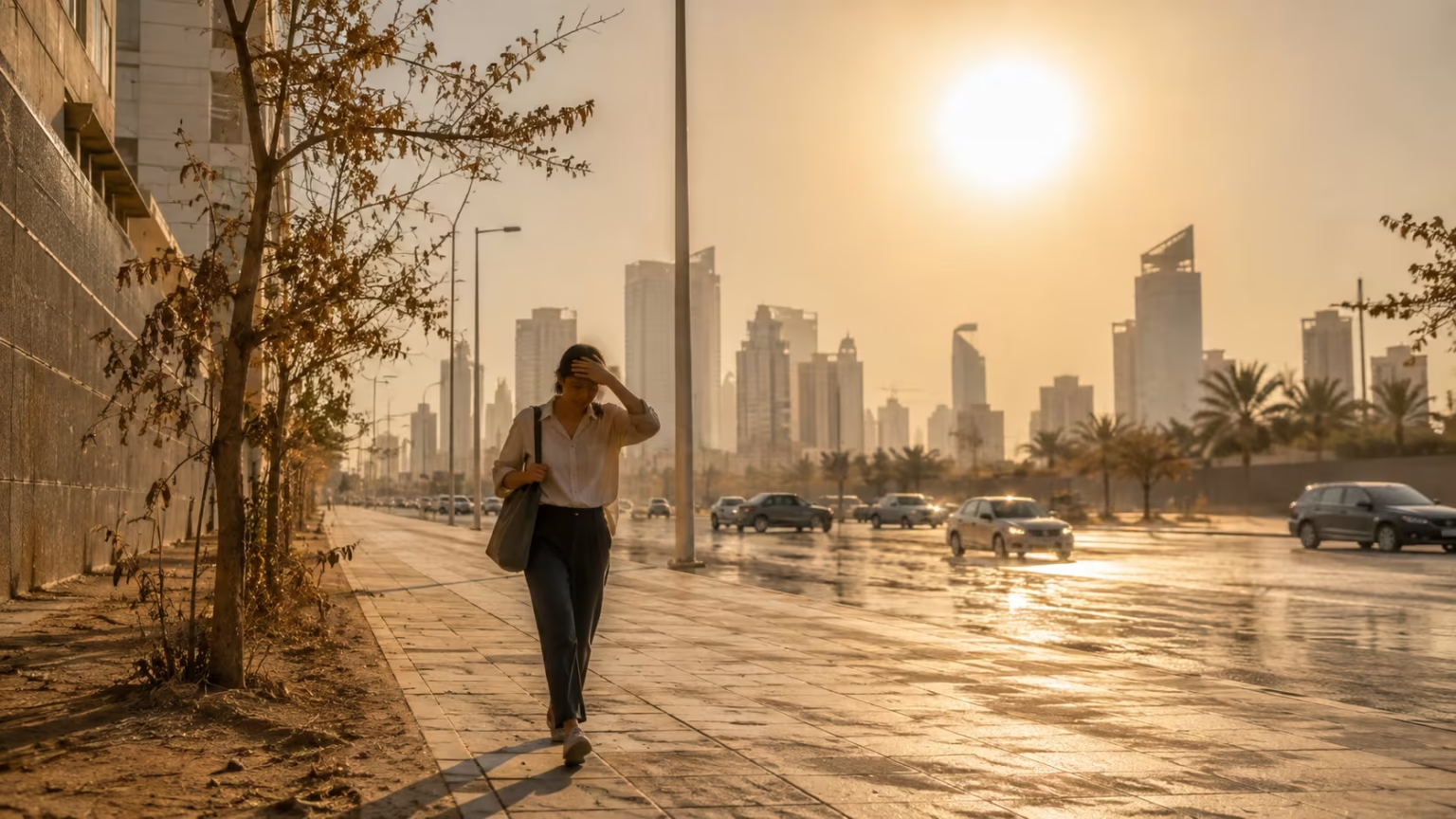

Why Are Heatwaves Becoming More Common?
Heatwaves are no longer unusual events confined to traditionally hot regions. Communities across Europe, Asia, North America, Africa and other parts of the world are experiencing longer periods of dangerous heat. Some heatwaves are arriving earlier in the year, lasting further into autumn and producing temperatures that once seemed extremely unlikely.
The main reason heatwaves are becoming more common is human-caused climate change. Burning coal, oil and natural gas releases greenhouse gases that trap additional heat in the atmosphere. As the planet’s average temperature rises, naturally occurring hot weather begins from a warmer starting point and is more likely to cross extreme temperature thresholds.
Natural weather patterns still influence exactly where and when a heatwave develops. High-pressure systems, dry soil, changing winds, ocean temperatures and climate patterns such as El Niño can strengthen particular events. However, these natural influences now operate within a climate system that is already warmer than it was during the pre-industrial period.
Understanding why heatwaves are increasing is important because extreme heat affects far more than personal comfort. It can cause heat exhaustion, worsen chronic illnesses, damage crops, increase wildfire risk and place electricity systems under pressure. Recognizing the causes also shows why both climate action and local heat preparation are urgently needed.
What Is Considered a Heatwave?
A heatwave is generally defined as a period of unusually hot weather lasting several days or longer. The temperature does not need to reach one universal number because what counts as extreme depends on the normal climate of a particular location. Conditions considered ordinary in one region could create a serious emergency elsewhere.
Meteorological agencies usually compare current temperatures with the long-term seasonal average for the area. They may consider daytime maximum temperatures, overnight minimum temperatures or a combination of heat and humidity. Some definitions also require the conditions to remain above a set threshold for at least two or three consecutive days.
Local adaptation matters when measuring heatwave severity. Homes, workplaces and transport systems in historically cool regions may not be designed for intense heat. People in those areas may also have less access to air conditioning and less physical adaptation, making a moderate-looking temperature unusually dangerous.
For this reason, heatwave warnings are increasingly based on potential health impacts rather than temperature alone. Humidity, overnight warmth, duration, air pollution and the vulnerability of the local population can all influence the risk. A shorter humid heatwave may sometimes be more dangerous than a hotter but drier event.
Climate Change Is Raising the Temperature Baseline
Daily weather naturally varies from one year to another, but global warming is shifting the entire range of possible temperatures upward. Imagine a set of summer temperatures represented by a bell-shaped curve. As the average moves toward warmer conditions, the hottest temperatures at the far end become much more likely.
This shift means a temperature that was once considered rare may now occur more regularly. Extreme heat records are also more likely to be broken because new weather events are beginning from an elevated baseline. Even a familiar high-pressure pattern can produce greater heat than the same pattern might have generated decades ago.
The warming is driven primarily by rising concentrations of carbon dioxide, methane and other heat-trapping gases. These gases slow the escape of heat from Earth into space. The additional energy warms the atmosphere, oceans and land while changing many connected parts of the climate system.
Not every location warms at the same rate, and every year will not be hotter than the one before it. Regional weather variability can still produce cooler summers. The long-term global trend, however, creates increasingly favourable conditions for more frequent, intense and prolonged extreme heat events.
How Greenhouse Gas Emissions Intensify Heatwaves
Greenhouse gases are a natural part of Earth’s atmosphere and help keep the planet warm enough for life. Human activities have added large amounts of these gases, strengthening the natural greenhouse effect. Fossil-fuel use, deforestation, agriculture, industrial production and waste all contribute to the increase.
Carbon dioxide remains in the climate system for a long time, allowing its warming influence to accumulate. This is why the effect of emissions is not limited to the year in which they are released. Continued emissions add further warming and increase the probability of extreme temperature events.
Climate models can compare modern conditions with an estimated climate that does not include human influence. These studies consistently show that many recent heatwaves have become more likely or more intense because of human-caused warming. Some events would have been extremely unlikely in the cooler climate of the past.
The connection does not mean climate change creates every high-pressure system or hot day from nothing. Instead, it loads the conditions in favour of more severe heat. Natural weather provides the immediate pattern, while accumulated greenhouse gases increase the amount of heat that pattern can produce.
Why a Small Rise in Average Temperature Matters
A global temperature increase of one or two degrees may sound small when compared with ordinary daily weather changes. However, global average temperature describes energy added across the entire planet, including oceans, land and atmosphere. A seemingly modest average shift can create much larger changes in regional extremes.
People also experience heatwaves at the edge of the temperature range rather than at the average. Moving that range slightly upward can cause a disproportionate increase in exceptionally hot days. Temperatures that once occurred once in several decades may begin appearing multiple times within a much shorter period.
Every additional fraction of warming increases the risk. The difference between lower and higher warming levels is reflected in the frequency, duration and intensity of heat extremes. Avoiding even part of a degree can therefore prevent some dangerous heat days and reduce the number of people exposed.
This is why climate scientists emphasize that there is no harmless point at which further warming stops mattering. Reducing emissions cannot eliminate all heatwaves because hot weather is part of natural climate variability. It can, however, limit how rapidly and severely those events continue to worsen.
High-Pressure Systems Can Trap Heat
Many heatwaves develop beneath persistent areas of high atmospheric pressure. Sinking air within these systems suppresses cloud formation and limits rainfall. Clear skies allow strong sunlight to heat the land throughout the day, while stable conditions prevent cooler weather systems from moving into the region.
When the high-pressure pattern remains in place, heat accumulates over several days. The atmosphere can act like a lid that keeps hot air concentrated near the surface. This situation is sometimes popularly described as a heat dome, although meteorologists may use more specific terms for the underlying pressure pattern.
Atmospheric blocking can cause these conditions to become unusually persistent. A blocked weather pattern slows the normal west-to-east movement of weather systems, allowing hot and dry conditions to remain over one region. The longer the pattern lasts, the more difficult it becomes for the land and buildings to cool.
Climate change does not need to increase the number of blocking systems to intensify their consequences. A blocking event occurring over a warmer surface can already produce higher temperatures. Research continues into how warming may affect atmospheric circulation, but the warmer baseline alone clearly raises the heatwave risk.
Dry Soil Creates a Heatwave Feedback Loop
Moist soil normally provides a natural form of cooling. Some of the Sun’s energy is used to evaporate water from the ground and plants instead of directly heating the air. When soil becomes dry, less energy is available for evaporation, so a greater share increases surface and air temperatures.
This process can create a feedback loop between drought and heatwaves. Dry conditions allow temperatures to rise more quickly, while intense heat increases evaporation and dries the landscape further. The combination can make both the drought and the heatwave more severe than either event would be separately.
High-pressure systems can strengthen the cycle by reducing rainfall and increasing sunshine. Vegetation may become stressed and release less moisture into the atmosphere. Once the soil is extremely dry, even a brief hot weather pattern can produce unusually high daytime temperatures.
The relationship varies by region because some landscapes are naturally dry while others usually contain abundant moisture. Nevertheless, compound drought and heat events are a major concern for agriculture, water resources and wildfire management. Climate change increases the possibility that these hazards will occur together.
Why Hot Nights Are Becoming More Common
A heatwave is not defined only by scorching afternoon temperatures. Warm nights can be equally important because they prevent people, buildings and infrastructure from recovering. When temperatures remain elevated after sunset, the body faces continuous heat stress rather than receiving several cooler hours.
Rising background temperatures are increasing the frequency of unusually warm nights in many regions. Humidity and cloud cover can also limit nighttime cooling by slowing the loss of heat from the surface. Cities face an additional problem because concrete and asphalt release heat stored during the day.
Warm nights can make sleeping difficult and increase fatigue, especially in homes without effective ventilation or air conditioning. The health risk builds over consecutive days as the body works continuously to regulate its temperature. Older adults and people with chronic medical conditions can be particularly vulnerable.
Minimum temperatures are therefore important when authorities assess heatwave danger. A lower daytime peak does not necessarily make an event safe when nighttime conditions remain oppressive. Multi-day heatwaves with both hot days and hot nights are among the most dangerous forms of extreme heat.
Urban Heat Islands Make Cities Even Hotter
Cities often experience higher temperatures than surrounding rural areas because of the urban heat island effect. Roads, roofs and buildings absorb solar energy and release it slowly after sunset. Dense construction can also limit airflow and trap heat between buildings.
Urban development frequently replaces trees, grass and open soil with dark, impermeable surfaces. This reduces shade and evaporative cooling while increasing the amount of heat stored during the day. Waste heat from vehicles, industrial activity and cooling systems can add further warmth.
Climate change and urban heat islands are separate processes, but they operate together. Global warming raises the regional temperature baseline, while local urban design makes some neighbourhoods hotter than others. Residents can therefore experience significantly greater heat exposure during the same regional weather event.
The burden is not distributed equally across a city. Low-income neighbourhoods often have fewer trees, less green space, crowded housing and limited access to cooling. Heatwaves may therefore expose existing social and economic inequalities rather than affecting every resident in the same way.
How Humidity Makes Heat More Dangerous
The body cools itself partly by producing sweat that evaporates from the skin. When the air contains high levels of moisture, sweat evaporates less efficiently. The body can then struggle to release heat even when a person is sweating heavily.
The heat index combines air temperature and relative humidity to estimate how hot conditions feel to the human body. A humid temperature can create greater physiological stress than the same temperature in dry air. Direct sunlight, heavy clothing and physical work may increase the actual burden further.
Wet-bulb temperature is another measurement used to study heat and humidity. It represents the cooling possible through evaporation under particular atmospheric conditions. Extremely high wet-bulb values can become dangerous because the body loses its ability to maintain a safe internal temperature.
Climate change can influence humid heat because warmer air can hold more water vapour. Coastal areas, river valleys and densely populated tropical regions may face particularly serious risks. Monitoring humidity alongside temperature gives communities a clearer picture of the threat posed by an approaching heatwave.
What Role Does El Niño Play?
El Niño is a natural climate pattern involving unusually warm surface waters in the central and eastern tropical Pacific Ocean. It changes atmospheric circulation and can temporarily raise global average temperatures. El Niño years may also alter rainfall and heat patterns across many parts of the world.
The pattern can contribute to unusually hot seasons in certain regions, but it does not explain the long-term rise in global temperatures. El Niño and its cooler counterpart, La Niña, have occurred for centuries. Their effects now take place on top of the warming caused by human-generated greenhouse gases.
A strong El Niño can help push temperatures toward new records because it transfers additional heat from the ocean into the atmosphere. However, very warm global years can also occur during neutral conditions or after El Niño has weakened. The persistent warming trend continues independently of the natural cycle.
It is therefore misleading to blame the growing frequency of heatwaves entirely on El Niño. Natural climate patterns can influence the timing and regional severity of particular events. Human-caused warming changes the background conditions that determine how extreme those events can become.
Are Changes in the Jet Stream Responsible?
The jet streams are fast-moving air currents high in the atmosphere that help guide weather systems. Large bends in the jet stream can transport hot air toward higher latitudes or allow high-pressure systems to remain over a region. These patterns are often involved in major heatwaves.
Scientists are studying whether rapid warming in the Arctic could influence jet-stream behaviour and atmospheric blocking. Some research proposes that a reduced temperature difference between the Arctic and lower latitudes may contribute to slower or more persistent weather patterns. Other studies find that the relationship is more complicated or varies by season.
The subject remains an active area of scientific investigation, so it should not be presented as the single proven explanation for rising heatwaves. Atmospheric circulation naturally changes from day to day and year to year. Many factors influence the formation and persistence of blocking patterns.
The clearest explanation remains the overall warming of the climate system. Whatever circulation pattern creates a heatwave, it now operates over warmer land and oceans. Changes in the jet stream may affect individual regional events, but they are not required to explain why extreme heat has become more likely.
What Recent Climate Records Show
Recent global temperature records reflect the continuing long-term warming trend. Assessments from international climate agencies placed 2025 among the warmest years ever measured. It followed a sequence of exceptionally warm years rather than appearing as an isolated event.
Records from individual weather stations also show more frequent unusually hot days in many regions. New national and local temperature records do not occur everywhere at the same time, but the overall balance has shifted toward more hot records and fewer cold records.
Heatwaves are also being observed outside the periods and places in which residents historically expected them. Some events begin in late spring, while others continue into early autumn. Regions near the Arctic Circle have experienced prolonged temperatures that would once have been considered highly unusual.
A single record cannot prove climate change because isolated weather events occur naturally. The evidence comes from the wider pattern across decades, continents and multiple independent datasets. Observed trends, physical understanding and climate models all point toward human-caused warming as the dominant driver.
Why Heatwaves Seem More Noticeable Now
Part of the growing attention comes from improved monitoring and communication. Satellites, automated weather stations and modern forecasting systems allow scientists to track extreme heat in greater detail. News and social media also make distant events visible to people who might never have heard about them in previous decades.
However, greater awareness does not explain the underlying rise. Instrument records show that hot extremes have become more frequent and intense across most land regions. Climate attribution studies can now estimate how warming altered the probability or strength of individual events.
Population growth is also placing more people in exposed locations. Expanding cities, ageing populations and increased outdoor labour can turn a meteorological event into a larger public-health emergency. A similar temperature may affect more people today than it would have several decades ago.
The growing consequences make heatwaves harder to overlook. Power outages, wildfires, school closures, transport disruption and crop damage bring the effects into everyday life. The combination of more extreme temperatures and greater human exposure explains why heatwaves have become such a visible climate concern.
How Heatwaves Affect Human Health
Extreme heat places strain on the body’s ability to maintain a safe internal temperature. Heavy sweating can cause dehydration and loss of essential salts, while prolonged exposure may lead to heat exhaustion. Symptoms can include headache, nausea, dizziness, weakness and intense thirst.
Heatstroke develops when the body can no longer control its temperature effectively. Confusion, loss of consciousness, seizures and very hot skin are medical warning signs. Heatstroke can damage the brain, heart, kidneys and muscles and requires immediate emergency treatment.
Heat can also worsen cardiovascular disease, respiratory illness, diabetes and kidney problems. Some medicines affect sweating, circulation or hydration, increasing a person’s vulnerability. Pregnant people, young children, older adults and individuals with disabilities may need additional support during extreme heat.
The danger can continue after the hottest afternoon has passed. Several warm nights can prevent recovery and increase cumulative stress. Checking on isolated neighbours, following local warnings and accessing a cool environment can reduce the risk during prolonged heatwaves.
Heatwaves Threaten Food, Water and Ecosystems
Extreme heat can damage crops during sensitive stages such as flowering and grain development. Plants may lose water faster than their roots can replace it, reducing yields and quality. When heatwaves occur alongside drought, irrigation supplies may also become limited.
Livestock can experience heat stress that reduces feeding, fertility and milk or meat production. Farmers may need additional water, shade and ventilation to protect animals. These measures increase costs and may still be insufficient during exceptionally severe events.
Rivers, lakes and reservoirs lose more water through evaporation during hot weather. Warm water contains less dissolved oxygen, creating stress for fish and other aquatic life. High water temperatures can also affect power plants, industries and communities that rely on stable water supplies.
Natural ecosystems face similar pressure. Heatwaves can trigger tree damage, coral bleaching, wildlife deaths and greater wildfire risk. Repeated extreme events may leave ecosystems too little time to recover, causing long-term changes in species distribution and environmental resilience.
Can Cutting Emissions Reduce Future Heatwaves?
Reducing greenhouse gas emissions can slow the rise in global temperatures and limit future heatwave intensity. The climate will not immediately return to its previous state, but every avoided increment of warming lowers additional risk. Earlier reductions generally prevent more cumulative damage than delayed action.
Replacing fossil fuels with low-carbon energy is one major part of mitigation. Improving energy efficiency, electrifying transport, protecting forests and reducing methane emissions can also make a meaningful difference. No single policy or technology can solve the problem independently.
Individual choices may support progress, but large-scale changes in energy, transport, buildings and industry are essential. Governments and businesses determine much of the infrastructure that shapes everyday emissions. Effective climate action therefore requires coordinated policy as well as personal participation.
Some increase in heatwaves is already unavoidable because of past emissions. This does not make mitigation pointless. The choice is between different levels of future heat, and strong action can prevent the most severe projections from becoming reality.
How Communities Can Adapt to Extreme Heat
Cities can reduce local temperatures by expanding tree cover, protecting parks and creating shaded public spaces. Vegetation cools the air through shade and evaporation. These measures are especially valuable in neighbourhoods with limited green space and high heat exposure.
Cool roofs and reflective pavements absorb less solar energy than dark traditional surfaces. Better insulation, exterior shading and energy-efficient building design can keep indoor spaces safer. Building standards may need to reflect future temperatures rather than relying only on historical climate conditions.
Heat-health warning systems can alert residents before dangerous conditions arrive. Cooling centres, adjusted work schedules and plans for schools, hospitals and care homes can reduce exposure. Alerts are most effective when they provide clear actions and reach people without reliable internet access.
Adaptation should prioritize those who face the greatest risk. Outdoor workers need water, rest, shade and appropriate scheduling, while people living alone may need direct checks. Community planning can save lives, but it must accompany emission reductions rather than replace them.
What Individuals Can Do During a Heatwave
Follow official weather and health alerts rather than relying only on the temperature shown in a phone application. Humidity, overnight heat and local conditions can change the level of danger. Plan demanding outdoor activities for cooler periods whenever possible.
Drink fluids regularly and avoid waiting until intense thirst develops. Wear lightweight clothing, seek shade and use fans appropriately. During very high indoor temperatures, a fan alone may not provide enough protection, making access to an air-conditioned or professionally designated cool space important.
Check on older relatives, neighbours and anyone living alone. Never leave a child, dependent adult or animal inside a parked vehicle, even briefly. Vehicle temperatures can rise rapidly and become life-threatening within minutes.
Seek immediate medical help when someone becomes confused, collapses, has a seizure or cannot cool down. Move the person to a cooler place and begin active cooling while emergency assistance is coming. Heatstroke is an emergency and should not be treated as simple dehydration.
Why Heatwaves Will Remain a Major Climate Risk
Heatwaves are becoming more common because the entire climate system is accumulating additional energy. Greenhouse gas emissions raise average temperatures, making extreme thresholds easier to cross. High-pressure systems, dry soils and natural climate cycles then shape where individual events occur.
Urban development, humidity and warm nights can magnify the danger without being the original cause of global warming. These factors determine how heat is experienced at the local level. They also explain why some neighbourhoods and populations suffer much greater harm than others.
The future frequency of heatwaves depends partly on decisions being made now. Continued high emissions would expose more regions to longer and more intense extreme heat. Faster emission reductions would limit the increase and give communities a better chance to adapt.
Heatwaves cannot be completely prevented, but their worst effects are not inevitable. Cleaner energy, cooler urban design, effective warning systems and protection for vulnerable people can all reduce the danger. Understanding why extreme heat is increasing is the first step toward responding with appropriate urgency.
Frequently Asked Questions
Are heatwaves caused by global warming?
Global warming does not create every weather pattern, but it raises the temperature baseline and makes heatwaves more likely and intense. Natural systems determine the timing and location of individual events.
Why are heatwaves lasting longer?
Persistent high-pressure systems can keep hot air over one area for several days. Because the land and atmosphere are now warmer, these blocked patterns can produce longer and more severe periods of extreme heat.
Are heatwaves happening more often everywhere?
Hot extremes have increased across most land regions, although the trend and intensity differ by location. Natural weather variability means some places may still experience occasional cooler summers.
Do cities experience worse heatwaves?
Cities are often hotter because roads, buildings and roofs absorb and retain heat. Limited vegetation, dense construction and waste heat can intensify both daytime temperatures and dangerous overnight warmth.
Can climate action stop heatwaves?
Climate action cannot eliminate naturally occurring hot weather, but it can limit additional global warming. Every fraction of a degree avoided reduces the likelihood and severity of future extreme heat.