
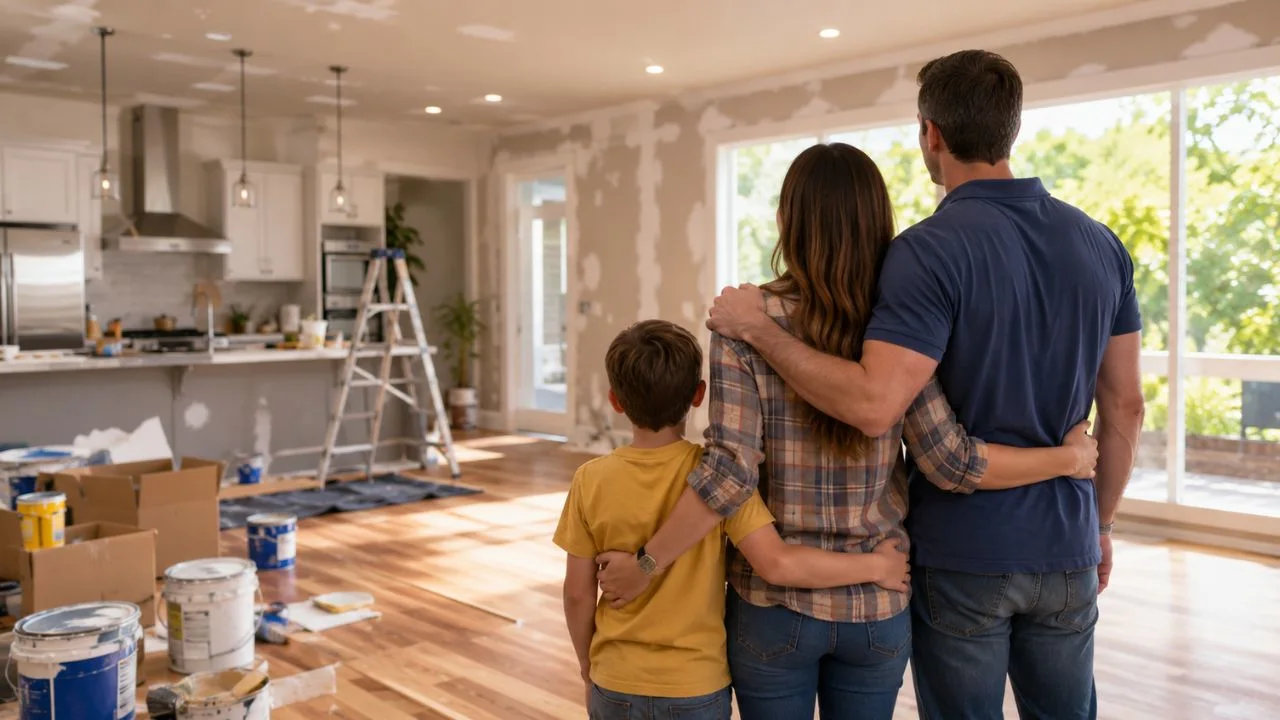

Home improvement is often associated with stylish kitchens, fresh paint, and attractive furniture. However, improving a home involves much more than changing how it looks. Repairing a damaged roof, upgrading unsafe wiring, controlling moisture, improving ventilation, or making a bathroom easier to use can directly affect the safety, comfort, and daily routines of everyone living there.
A house also changes as it ages. Materials wear out, seals develop leaks, appliances become less efficient, and the needs of the household evolve. A layout that worked for one person may feel crowded after children arrive, while stairs and narrow doorways may become difficult for an older resident or someone recovering from an injury.
Homeowners continue to invest heavily in renovation and maintenance. The Joint Center for Housing Studies at Harvard projected that spending on improvements and repairs to owner-occupied U.S. homes would continue growing during 2026, although at a slower pace later in the year. This shows that home improvement remains an important part of maintaining an aging housing supply.
The importance of a project should not be measured only by its size or price. A modest improvement such as brighter stair lighting, repaired gutters, weather sealing, or a bathroom grab bar may be more valuable than an expensive decorative feature. The best home upgrades solve real problems and make the property safer, healthier, more comfortable, and easier to maintain.
Quick Answer: Why Does Home Improvement Matter?
Home improvement is important because it protects the condition of the building and helps prevent small problems from becoming major repairs. Water intrusion, damaged roofing, loose railings, plumbing leaks, and electrical faults rarely resolve themselves. Addressing them early can protect the structure, personal belongings, and household budget.
Renovation can also improve everyday comfort. Better room layouts, storage, lighting, heating, cooling, and sound control can make the same amount of space feel more useful. Instead of moving because the home no longer suits the household, owners may be able to adapt the property around changing work, family, mobility, or lifestyle needs.
Energy-related improvements can lower unnecessary consumption while reducing drafts and uneven temperatures. The U.S. Department of Energy identifies insulation, air sealing, duct sealing, efficient windows, ventilation, and updated heating and cooling systems as upgrades that can improve energy performance, comfort, durability, and indoor conditions.
Home improvement may also support resale value, but financial return is only one benefit. The 2025 Remodeling Impact Report found that homeowners frequently valued improved functionality, long-lasting results, and better appearance. After completing projects, 64% reported a greater desire to remain at home, while 46% said they enjoyed their living spaces more.
What Does Home Improvement Include?
Home improvement includes maintenance, repairs, renovations, additions, replacements, and accessibility modifications. It may involve correcting a problem, improving performance, changing the appearance of a room, or adapting the property for a different use. The term can cover projects ranging from replacing a broken lock to rebuilding an entire kitchen.
Maintenance-focused improvements include repairing roof damage, repainting exterior surfaces, clearing drainage systems, sealing cracks, servicing heating equipment, and replacing worn plumbing components. These jobs may not create dramatic photographs, but they help preserve the building and reduce the likelihood of avoidable deterioration.
Performance improvements concentrate on how the home functions. Examples include adding insulation, sealing air leaks, improving ventilation, upgrading windows, replacing inefficient appliances, installing better lighting, or correcting poor water pressure. These changes may improve comfort and operating costs without significantly altering the home’s appearance.
Lifestyle improvements make the space more suitable for the people using it. They may include a home office, additional storage, an accessible shower, a flexible guest room, outdoor living space, or a redesigned kitchen. A successful project should respond to a genuine household need rather than following a trend that may quickly become irrelevant.
1. Home Improvement Protects Health and Safety
Safety should be the first reason to improve a home. Broken stairs, loose handrails, exposed electrical components, damaged flooring, leaking gas appliances, and inadequate lighting can create immediate risks. Cosmetic upgrades should usually come after urgent hazards affecting the structure, utilities, fire protection, or safe movement have been corrected.
Older homes may contain additional concerns such as lead-based paint, asbestos-containing materials, radon, outdated wiring, or poorly vented combustion equipment. These issues require appropriate assessment rather than aggressive do-it-yourself removal. HUD’s Healthy Homes programs focus on identifying and correcting housing conditions connected with injury, lead exposure, moisture, mold, carbon monoxide, pests, and poor indoor air quality.
Simple home improvements can also reduce fall risk. The CDC recommends removing trip hazards, installing grab bars around bathing and toilet areas, adding railings on both sides of stairs, and improving lighting. These changes are particularly important for older adults, but they can also help children, visitors, and people with temporary mobility difficulties.
Safety improvements should be practical rather than hidden behind attractive finishes. A beautiful staircase is still unsafe without a secure railing, and a newly decorated bathroom remains risky when the floor becomes dangerously slippery. A healthy home is one in which design, maintenance, and household behavior work together to reduce preventable harm.
2. Regular Improvements Prevent Expensive Damage
Many costly home repairs begin as small and manageable defects. A minor roof leak can damage insulation, ceilings, framing, and electrical systems when ignored. A loose tile may allow water into the wall, while a dripping pipe can create hidden moisture problems beneath cabinets or flooring.
Preventive home maintenance makes it easier to discover issues before they spread. Inspecting roofs, seals, drainage, plumbing connections, appliances, exterior surfaces, and foundations allows homeowners to act while the repair is still limited. Routine attention is usually less disruptive than an emergency involving collapsed ceilings, flooding, or equipment failure.
Moisture is particularly important because it can damage building materials and support mold growth. EPA guidance states that controlling indoor moisture helps manage mold and mildew, while effective ventilation and proper building-envelope design help keep humidity within acceptable levels and allow unwanted moisture to escape.
Preventive improvement also protects household possessions and routines. A failed water heater, blocked drain, or damaged roof can interrupt work, school, sleep, and family life even when insurance covers part of the repair. Maintaining essential systems reduces the chance that a predictable problem becomes an expensive personal emergency.
3. Energy-Efficient Upgrades Can Reduce Household Costs
Heating, cooling, water heating, lighting, and appliances create continuing household expenses. An inefficient home may lose conditioned air through gaps, uninsulated surfaces, disconnected ducts, and poorly performing windows. These problems cause equipment to work harder while some rooms remain uncomfortable.
Air sealing and insulation are often important starting points because they address the building envelope rather than only replacing equipment. The Department of Energy describes reducing uncontrolled air leakage as a cost-effective way to lower heating and cooling costs while improving comfort, durability, and indoor environmental quality.
Ductwork and windows can also influence performance. DOE reports that typical homes may lose 20% to 30% of the air moving through duct systems because of leaks or poor connections. It also estimates that heat gain and loss through windows account for approximately 25% to 30% of residential heating and cooling energy use.
Energy improvements should be planned as a system. Replacing a heating or cooling unit without correcting major air leakage, poor insulation, or damaged ducts may limit the benefit. A professional home energy assessment can help prioritize improvements according to safety, comfort, performance, and expected cost-effectiveness.
4. Renovation Makes a Home More Comfortable
Comfort is influenced by temperature, airflow, light, sound, storage, and the way people move through a room. A home may appear attractive while still feeling uncomfortable because of drafts, overheating, cold floors, noise, poor ventilation, or insufficient lighting. Improvement can address these practical issues.
Better insulation, sealed ducts, properly sized heating and cooling equipment, and efficient windows can help maintain more consistent indoor temperatures. ENERGY STAR describes air sealing, insulation, duct improvements, and quality HVAC installation as key parts of improving home comfort and energy performance.
Comfort also depends on layout. A kitchen with poor work surfaces, a bedroom without adequate storage, or a living area blocked by unnecessary partitions may create frustration every day. Reorganizing these spaces can make routine activities easier without increasing the total size of the home.
Small improvements often create noticeable comfort gains. Examples include adding task lighting, installing quieter fans, improving window coverings, repairing doors that allow drafts, or creating organized storage near entrances. A useful home supports daily life quietly instead of forcing residents to work around its weaknesses.
5. Home Improvement Supports Better Indoor Air Quality
People spend a large amount of time inside their homes, making indoor conditions important. Common indoor pollutants and hazards include smoke, carbon monoxide, radon, mold, particulate matter, volatile organic compounds, allergens, and excessive moisture. Renovation can reduce some sources, but careless work can also release dust and contaminants.
Source control is generally the most effective response to many indoor air problems. This may involve repairing water leaks, removing damaged materials safely, venting combustion appliances, choosing lower-emission products, controlling pests, and preventing smoking indoors. Filtration alone cannot correct an active moisture source or unsafe appliance.
Ventilation is another important part of healthy home improvement. Kitchens, bathrooms, laundry areas, and tightly sealed homes may require appropriate exhaust or whole-house ventilation. DOE notes that proper ventilation helps control moisture and reduce the chance of mold growth and structural damage.
Energy upgrades and air-quality improvements should be coordinated. EPA guidance explains that well-planned retrofits can lower utility costs while improving indoor air quality, but work completed without an appropriate assessment may introduce new problems or worsen existing ones.
6. Improvements Can Increase Property Value
Home improvement can protect or increase property value when it corrects visible deterioration, improves functionality, or brings major systems closer to current expectations. Buyers may hesitate when a property has roof damage, outdated utilities, moisture problems, or unfinished repairs because they anticipate inconvenience and uncertain costs.
Not every project returns its full cost at resale. Highly personalized finishes, luxury additions, and expensive structural changes may provide enjoyment without producing an equal increase in selling price. Owners should separate improvements made for personal use from projects intended primarily to support a future sale.
The 2025 Remodeling Impact Report found that projects with the highest estimated cost recovery included a new steel front door, a closet renovation, and a fiberglass front door. Projects producing the highest homeowner “Joy Scores” included a primary bedroom suite, a kitchen upgrade, and new roofing, showing that resale return and personal satisfaction are not always the same.
Maintenance remains part of value preservation. A modern kitchen cannot fully compensate for a failing roof, unsafe electrical system, or active water damage. Buyers and inspectors often pay close attention to the condition of essential systems because these problems can require immediate and expensive work after purchase.
7. Renovation Can Improve Everyday Functionality
A functional home makes routine tasks easier. Storage is located where it is needed, electrical outlets support modern devices, lighting matches the activity, and furniture can be arranged without blocking movement. When a home functions poorly, residents spend time correcting the same inconvenience every day.
Kitchen improvements may create better preparation areas, safer appliance spacing, improved ventilation, and more accessible storage. Bathroom renovations can improve drainage, lighting, privacy, and ease of cleaning. Entryway changes may provide space for shoes, bags, coats, mobility equipment, or deliveries.
Functionality has become especially important as homes serve more purposes. A room may need to support remote work, study, exercise, caregiving, entertainment, and overnight guests. Flexible furniture, additional electrical access, sound control, and built-in storage can help a limited space perform several roles.
Improvement does not always require expanding the building. Removing unused items, adjusting doors, changing cabinet interiors, improving shelving, or rearranging zones may solve the problem at a lower cost. Good renovation begins by understanding the activity that is difficult, not by assuming that more square footage is always necessary.
8. A Better Home Can Improve Personal Satisfaction
A home influences routines, privacy, social connection, rest, and the sense of control people have over their surroundings. Persistent clutter, unfinished repairs, poor lighting, and uncomfortable rooms can create daily frustration. Improving these conditions may make the property feel calmer and easier to manage.
The emotional benefit of renovation is difficult to express only through resale figures. NAR’s 2025 research found that improved functionality, durability, and appearance were important outcomes for homeowners. Many respondents also reported greater enjoyment and a stronger desire to remain in the home after completing their projects.
Personalization can also help a home reflect the people living there. Color, artwork, materials, garden design, and room layouts allow residents to create an environment that supports their preferences. The goal is not to follow every design trend but to build a space that feels appropriate and welcoming.
However, renovation itself can be stressful. Noise, dust, unexpected damage, delays, and financial pressure may reduce the short-term benefit. Realistic planning, a contingency budget, clear contractor communication, and a manageable project scope can help protect the household experience during construction.
9. Accessibility Improvements Support Independent Living
Homes are not always designed for people with reduced strength, balance, vision, or mobility. Steps at entrances, narrow doors, slippery bathrooms, high storage, and poor lighting can make ordinary tasks unnecessarily difficult. Accessibility-focused home renovation addresses these barriers before they cause a crisis.
Useful improvements may include level entrances, lever handles, wider pathways, reachable controls, walk-in showers, nonslip flooring, secure grab bars, improved lighting, and a bedroom or bathroom on the main floor. Many of these features make the home easier for everyone rather than benefiting only one person.
AARP reported that 51% of surveyed adults aged 50 and older felt they would need a home that supported independent aging. Among those anticipating modifications, common needs included grab bars, improved entryways, and kitchen changes.
Planning early can be more affordable than remodeling quickly after an injury or mobility change. When a bathroom or entrance already needs updating, incorporating accessibility features at the same time may prevent the need to remove recently installed materials later.
10. Home Improvement Helps Families Adapt to Life Changes
Household needs rarely remain fixed. A home may need to accommodate a baby, teenagers, remote work, an older relative, a disability, a new business, or adult children returning temporarily. Improvement allows the property to change without requiring the family to move immediately.
A spare room may become an office or accessible bedroom, while a dining area may need better storage for schoolwork and household administration. Sound insulation can separate work and rest, and an additional bathroom may reduce pressure when several generations share the home.
Families should design for realistic flexibility. A permanent built-in feature may be less useful than movable partitions, adaptable storage, or furniture that supports several activities. The goal is to provide structure without making the room suitable for only one temporary stage of life.
Renovation can also support privacy and relationships. When every person has a reasonable place to work, study, rest, or store belongings, the household may experience fewer conflicts over shared areas. Functional design helps people live together without constantly competing for the same limited space.
11. Resilient Improvements Can Reduce Disaster Damage
Home improvement can prepare a property for hazards common to its location. Depending on the region, this may involve flood-resistant materials, roof strengthening, wind protection, seismic retrofits, defensible space, improved drainage, backup power, or securing heavy equipment and water heaters.
FEMA provides hazard-specific guidance covering floods, strong winds, earthquakes, and wildfires. Its resources emphasize that home retrofits should be based on the risks affecting the site rather than applying the same improvement plan to every property.
Resilience work may not prevent every loss, but it can reduce damage and support faster recovery. Strengthening roofs, protecting openings, moving utilities above expected flood levels, and securing structural components can make the building less vulnerable when severe conditions occur.
Local building codes, permits, insurance rules, and professional engineering requirements must be checked before structural or hazard-mitigation work begins. A poorly designed retrofit may create false confidence or transfer stress to another part of the structure.
12. Sustainable Improvement Reduces Waste
Renovation can reduce environmental impact when it improves efficiency, extends the life of existing materials, and avoids unnecessary demolition. Repairing durable cabinets, refinishing flooring, updating hardware, and improving insulation may use fewer resources than removing serviceable components only to follow a short-term trend.
Material selection also matters. Durable finishes generally need replacement less frequently, while locally appropriate products may perform better in the climate. Reclaimed materials can add character, but they should still be checked for structural suitability, contamination, and compatibility with current building requirements.
Efficient appliances, lighting, heating, cooling, and water systems can reduce ongoing resource use. ENERGY STAR notes that energy-saving home improvements can lower bills while increasing comfort, and DOE encourages homeowners to evaluate available rebates and incentives when planning eligible upgrades.
Sustainability should include durability and maintenance. A fashionable material that fails quickly may create more waste than a conventional product that lasts for decades. The most environmentally responsible improvement is often one that performs reliably, can be repaired, and does not require frequent replacement.
13. Home Improvement Can Support Modern Technology
Modern households use more connected devices, computers, entertainment systems, and electric equipment than many older homes were designed to support. Improvements may be needed to provide safe electrical capacity, reliable internet coverage, charging locations, and appropriate surge protection.
Technology should solve practical problems rather than create unnecessary complexity. Smart thermostats, leak sensors, lighting controls, security devices, and energy monitors may improve convenience or provide early warnings. However, every connected product introduces maintenance, software-support, privacy, and compatibility considerations.
Electrical changes should be planned by qualified professionals. Adding extension cords and overloaded adapters is not a safe substitute for adequate circuits and outlets. Older panels, wiring, or grounding may require assessment before adding high-demand appliances, electric vehicle charging, or large heating and cooling equipment.
Technology should also retain usable manual controls. Lights, locks, heating, and essential appliances should not become impossible to operate during an internet outage or application failure. A successful smart-home improvement makes daily life simpler without making residents dependent on one account, service, or manufacturer.
14. The Right Improvements Can Make Cleaning and Maintenance Easier
A well-designed home is easier to care for. Durable surfaces, accessible plumbing shutoffs, appropriate storage, washable finishes, and correctly sloped wet areas can reduce cleaning time and simplify repairs. Maintenance access should be considered before equipment and pipes are hidden behind permanent finishes.
Poor design can create ongoing work. Deep gaps beside appliances, unreachable windows, highly textured surfaces, and bathrooms without suitable ventilation can collect dirt or moisture. These weaknesses may appear minor during installation but become frustrating after years of use.
Storage is especially important because clutter makes cleaning more difficult. Shelving, drawers, utility zones, and entryway organization give household items a consistent location. The purpose is not to hide unlimited possessions but to make frequently used objects easy to store and retrieve.
Materials should be selected according to the room. A delicate floor may be unsuitable for an entrance exposed to water and grit, while an absorbent surface may perform poorly around a sink. Matching materials to traffic, moisture, sunlight, children, pets, and cleaning habits improves long-term satisfaction.
How to Decide Which Home Improvements Matter Most
Begin with safety and active damage. Electrical faults, gas concerns, structural movement, leaks, unsafe stairs, roof damage, and serious moisture problems should take priority over decorative work. Delaying these repairs can endanger residents and damage newly installed finishes.
The second priority should be preventing further deterioration. Repair drainage, seals, roofing, plumbing, and exterior openings before repainting or remodeling nearby areas. There is little value in installing a new ceiling below a roof that is still leaking.
Next, address comfort, energy, accessibility, and daily functionality. Identify which rooms create the most frequent frustration and which improvements would benefit the greatest number of people. A modest project used every day may deserve priority over a larger space visited occasionally.
Finally, consider appearance and personal preferences. Decorative improvements are valuable when they make residents enjoy the home, but they should fit the available budget and long-term plans. A written priority list helps prevent attractive optional purchases from consuming money needed for essential repairs.
How to Budget for Home Improvement
Start by defining the scope in detail. Vague plans such as “update the kitchen” make budgeting difficult because they do not identify which cabinets, appliances, plumbing, surfaces, lighting, and structural changes are included. A written scope allows more accurate quotations and comparisons.
Create a contingency reserve because renovation may uncover hidden damage, outdated systems, or code-related requirements. The appropriate amount depends on the age and condition of the property, but homeowners should avoid committing every available dollar to the original visible work.
Compare the cost with the expected benefit. Some projects reduce ongoing bills, some prevent damage, some improve resale appeal, and others provide mainly personal enjoyment. More than one benefit may justify the project, but it is useful to understand which outcome is the primary reason for spending.
Avoid financing a renovation based only on an assumed increase in property value. Resale recovery varies by location, market, workmanship, and buyer preference. When borrowing, consider the complete repayment cost and whether the household could manage the payments if income or other expenses changed.
DIY Home Improvement vs Hiring a Professional
Do-it-yourself work may be suitable for painting, basic decorating, simple shelving, hardware replacement, and other low-risk tasks completed within the homeowner’s skill level. DIY can reduce labor costs and give residents greater control over timing and details.
Professional help is generally more appropriate for structural work, major electrical changes, gas systems, roofing, complex plumbing, hazardous-material disturbance, and projects requiring permits or specialist testing. The consequences of an incorrect installation may greatly exceed the labor savings.
Before hiring, confirm licenses where required, insurance, references, written scope, payment schedule, warranty terms, and responsibility for permits. Several detailed quotations are more useful than choosing only according to the lowest total price.
Homeowners should also understand the renovation plan well enough to ask questions. Hiring a professional does not require surrendering every decision. Clear communication about materials, access, cleanup, changes, and daily household needs reduces conflict and unexpected costs.
Common Home Improvement Mistakes
The first mistake is focusing on appearance before repairing the underlying problem. New paint will not correct moisture intrusion, and attractive flooring will not repair an unstable subfloor. Investigate stains, cracks, odors, uneven surfaces, and repeated equipment failures before covering them.
The second mistake is following trends without considering the property or household. A popular open layout may reduce privacy and storage, while delicate finishes may not suit pets or children. Good design responds to actual behavior rather than creating a room that photographs well but functions poorly.
The third mistake is changing the scope repeatedly after construction begins. Late changes can affect materials, labor, schedules, and completed work. Spend more time planning dimensions, storage, lighting, outlets, and finishes before demolition.
The final mistake is ignoring ventilation, moisture, and indoor air quality during energy or cosmetic upgrades. EPA advises assessing these conditions before remodeling because tighter construction or disturbed materials can create additional indoor environmental concerns when they are not handled correctly.
Final Verdict: Why Is Home Improvement So Important?
Home improvement is important because a house is not a static object. It experiences weather, wear, changing technology, and evolving household needs. Regular maintenance and thoughtful renovation preserve the building and help it continue serving the people who live there.
The greatest benefits are usually safety, comfort, functionality, efficiency, and health. Property value matters, but an improvement can still be worthwhile when it prevents water damage, reduces fall risk, lowers energy waste, or makes an essential room easier to use.
The best projects are prioritized rather than selected randomly. Repair hazards and active damage first, protect the building from further deterioration, and then improve comfort, accessibility, and appearance. This order reduces the risk of removing newly completed work to reach an unresolved problem.
Ultimately, home improvement should make life inside the property better. A successful renovation does not need to be large, fashionable, or expensive. It needs to solve a real problem, use appropriate materials, respect the budget, and provide a result that remains useful long after the work is finished.
Frequently Asked Questions
Why is home improvement important?
Home improvement protects the building, addresses safety hazards, improves comfort, and helps the property meet changing household needs. It can also reduce energy waste and preserve resale value.
Does home improvement increase property value?
Some projects can improve value or buyer appeal, particularly when they repair essential systems or improve functionality. However, not every renovation recovers its full cost, and results vary by market and project quality.
What home improvements should be completed first?
Begin with safety issues, leaks, structural concerns, electrical faults, damaged roofing, and moisture problems. After essential repairs, prioritize efficiency, accessibility, comfort, and frequently used spaces.
How does home improvement improve quality of life?
Better layouts, storage, lighting, temperature control, accessibility, and indoor air quality can make daily activities easier. Residents may also feel more comfortable and satisfied in a well-maintained home.
Are small home improvements worth it?
Yes. Improvements such as weather sealing, brighter lighting, repaired railings, leak detection, organized storage, and bathroom safety features can provide meaningful benefits without a major renovation.